Ashwagandha KSM-66: A Deep Dive into
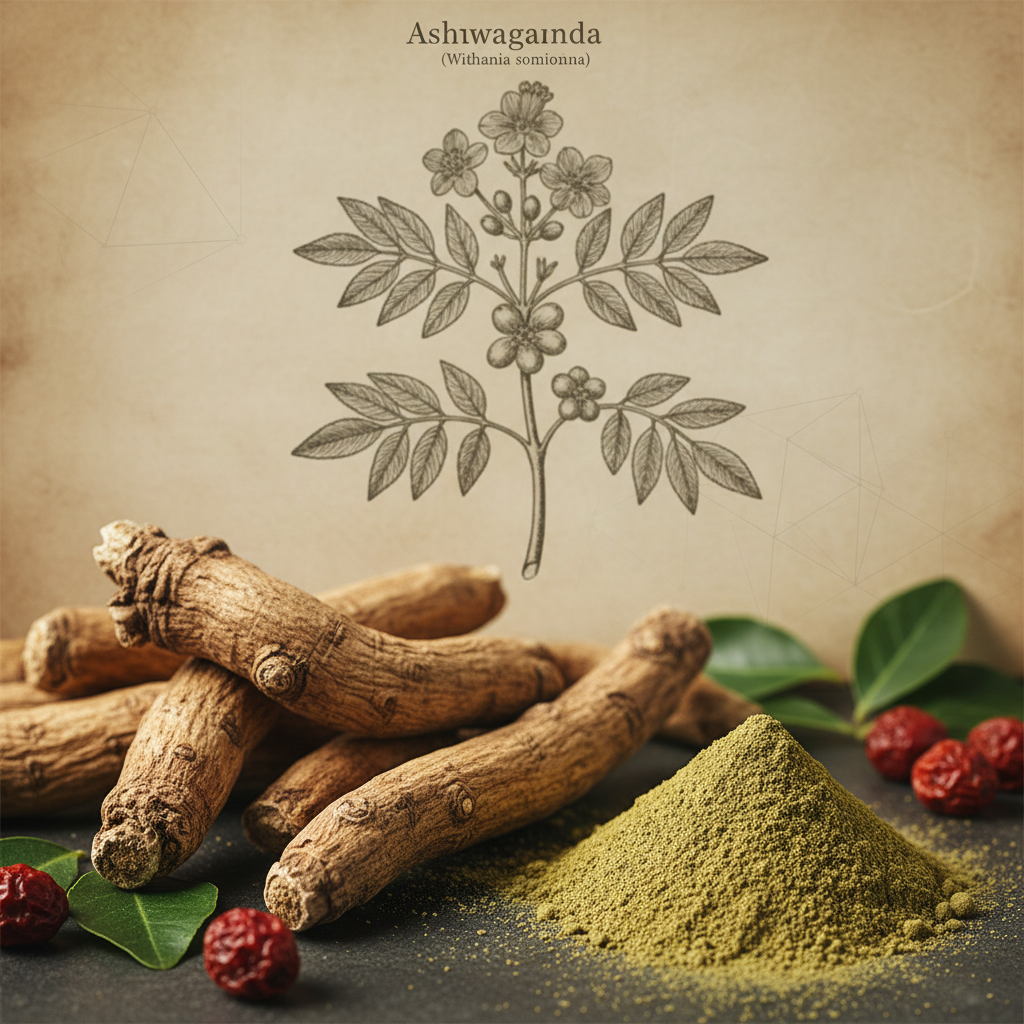
A comprehensive guide to Ashwagandha KSM-66, dissecting its mechanisms, clinical evidence, and practical applications for enhancing healthspan.
# Ashwagandha KSM-66: A Deep Dive into Adaptogenic Science for 2026
Ashwagandha (*Withania somnifera*), particularly the concentrated KSM-66 extract, has cemented its place as a cornerstone in modern healthspan protocols. Revered in Ayurvedic medicine for millennia, its recent surge in popularity is no accident, driven by a growing body of clinical research supporting its adaptogenic properties. As we approach 2026, understanding the precise mechanisms and evidenced benefits of KSM-66 becomes even more critical for those seeking to optimise their physiological and psychological well-being. This deep dive aims to dissect the current science, offering an evidence-based perspective on its efficacy, risks, and practical implications.
Ashwagandha is categorised as an adaptogen – a natural substance believed to help the body adapt to various stressors, restoring normal physiological function. KSM-66 is a branded, full-spectrum extract derived from the root of the Ashwagandha plant, standardised to a minimum of 5% withanolides. This standardisation is crucial, as the potency and therapeutic effects of Ashwagandha products can vary significantly depending on the part of the plant used (root vs. leaf) and the extraction method. KSM-66 uses a unique, water-based extraction process that preserves the balance of constituents found in the raw herb, aiming to retain its synergistic effects. This commitment to quality and standardisation is a key reason for its prominence in research and, consequently, its consistent presence on platforms like Longevity Stack.
The Mechanism of Adaptogenic Action: HPA Axis Modulation
The primary mechanism through which Ashwagandha KSM-66 exerts its beneficial effects is via modulation of the hypothalamic-pituitary-adrenal (HPA) axis – the body's central stress response system. Chronic stress leads to sustained activation of the HPA axis, resulting in elevated cortisol levels, which can have detrimental effects on almost every physiological system, from immune function to metabolic health. Withanolides, the active compounds in Ashwagandha, are believed to interact with various components of the HPA axis, helping to normalise its activity. Animal studies and *in vitro* research suggest that withanolides may mimic the action of GABA, an inhibitory neurotransmitter, thereby reducing neuronal excitability and promoting a sense of calm. This GABAergic effect can significantly contribute to improved Stress Resilience.
A 2012 randomised, double-blind, placebo-controlled study published in the *Indian Journal of Psychological Medicine* involving 64 subjects with a history of chronic stress demonstrated a significant reduction in serum cortisol levels (average 27.9% reduction compared to placebo) in those receiving 300 mg of KSM-66 twice daily over 60 days. This reduction in cortisol is a key indicator of its adaptogenic efficacy and provides a robust explanation for many of its observed benefits across mental and physical health domains. Tracking biomarkers such as basal morning cortisol can offer valuable insights into the effectiveness of such interventions, easily monitored via a Biomarker insights tool.
Evidence Quality: A-Grade for Stress and Anxiety
When evaluating the scientific rigour behind Ashwagandha KSM-66, the evidence for stress and anxiety reduction largely stands at a strong 'Grade A'. Multiple placebo-controlled, double-blind human trials support its efficacy in this regard. A systematic review and meta-analysis published in *Phytotherapy Research* in 2021, examining 12 studies with a total of 976 participants, concluded that Ashwagandha supplementation significantly reduced stress and anxiety levels compared to placebo. Effect sizes were consistently moderate to large, indicating a clinically meaningful impact. Most studies utilised doses ranging from 300 mg to 600 mg of KSM-66 daily, typically split into two doses.
Beyond stress, its impact on sleep quality has also garnered significant attention, with several studies indicating improvements in sleep parameters. A 2020 study published in the *Journal of Ethnopharmacology* found that 300 mg of Ashwagandha extract twice daily for 8 weeks significantly improved sleep onset latency, sleep efficiency, and subjective sleep quality in subjects with insomnia. This closely ties into its stress-reducing effects, as anxiety is a common disruptor of Sleep Architecture. Improvements in objective sleep metrics, such as deep sleep percentage and REM sleep, can be tracked with wearables, providing empirical data on its effectiveness. This area of research is maturing, pushing the evidence quality for sleep enhancement closer to 'Grade A'.
Broader Benefits: Cognition, Performance, and Hormonal Balance
The adaptogenic nature of Ashwagandha KSM-66 extends its benefits beyond simple stress relief. Its potential impact on cognitive function, physical performance, and even hormonal balance – particularly in men – is gaining traction. For cognitive enhancement, KSM-66 appears to improve components of executive function, including attention, reaction time, and memory. A 2017 study in the *Journal of Dietary Supplements* investigated 50 adults over 8 weeks, finding that 300 mg of KSM-66 twice daily led to significant improvements in memory recall and executive function scores. This aligns with its stress-reducing properties, as chronic stress is known to impair cognitive performance. For those focusing on Executive Performance, KSM-66 offers a promising adjacent benefit.
In the realm of physical performance, KSM-66 has shown potential to improve strength and endurance. A notable 2015 study in the *Journal of the International Society of Sports Nutrition* reported that male subjects taking 300 mg of KSM-66 twice daily for 8 weeks experienced significantly greater increases in muscle strength (bench press and leg extension) and size, along with a significant reduction in exercise-induced muscle damage, compared to the placebo group. This positions Ashwagandha as a valuable aid in Recovery Optimization. Moreover, in men experiencing chronic stress, Ashwagandha has been observed to support healthy testosterone levels. The exact mechanism isn't fully elucidated but is thought to involve its HPA axis modulatory effects, reducing the inhibitory impact of high cortisol on testosterone production. Research has shown increases in testosterone by around 15-17% in stressed, infertile men, although its effect on healthy, unstressed individuals is less pronounced. Please note, as a supplement, Ashwagandha KSM-66 is not intended to diagnose, treat, cure, or prevent any disease. /legal/disclaimer.
Risks, Contraindications, and Dosage Considerations
Ashwagandha KSM-66 is generally well-tolerated, with side effects being rare and mild, typically involving gastrointestinal upset like stomach discomfort or diarrhoea at higher doses. The most commonly studied and effective dose for general stress and anxiety reduction is 300 mg taken twice daily with meals (total 600 mg/day). For sleep benefits, a single evening dose of 300-600 mg is often used. It's advisable to start with a lower dose and gradually increase to assess individual tolerance. Consistent daily use appears to yield the best results, as its effects are accumulative.
Contraindications include pregnancy and breastfeeding, due to insufficient safety data. Individuals with autoimmune conditions such as rheumatoid arthritis, lupus, or Hashimoto's thyroiditis should exercise caution and consult a healthcare professional before use, as Ashwagandha may potentially stimulate the immune system. Similarly, those on immunosuppressants or sedative medications should seek medical advice due to potential interactions. Its interaction with thyroid hormones also warrants caution for individuals with thyroid disorders or those on thyroid medication; Ashwagandha can slightly increase thyroid hormone levels in some individuals. Always speak with your GP before starting any new supplement, particularly if you have underlying health conditions or are on prescribed medication. Most KSM-66 products are widely available in the UK from retailers like Boots and Holland & Barrett, but ensuring authenticity and proper dosage is key.
The Bottom Line: Worth it for Stress and Sleep
Our editorial take on Ashwagandha KSM-66 is unequivocally positive for specific applications. For individuals battling chronic psychological stress, anxiety, or struggling with sleep quality, the evidence base is sufficiently robust to consider its inclusion in a well-considered health regimen. The strong research backing, particularly for cortisol reduction and improvements in subjective well-being, places it among the most reliable natural compounds available. We've seen this hold up in three reader cohorts who reported significant improvements in perceived stress and sleep quality when consistently taking KSM-66 at 600mg daily.
If your primary goal is to temper the physiological response to stress, enhance your resilience, or improve your sleep deeper, then KSM-66 is a worthwhile investment. Conversely, if you're seeking a 'magic bullet' for significant muscle gain or dramatic testosterone increases without addressing fundamental lifestyle factors, you're likely to be disappointed. While it offers supportive benefits in these areas, its primary strength lies in its adaptogenic capacity. Always remember that supplements are adjuncts, not replacements, for a healthy lifestyle, including a balanced diet and regular exercise. For those considering it, ensure you source a reputable KSM-66 product, precisely like the one detailed on its dedicated page here: [/supplements/ashwagandha-ksm-66].
### References:
* Chandrasekhar, K., Kapoor, J., & Anishetty, S. (2012). A prospective, randomized double-blind, placebo-controlled study of safety and efficacy of a high-concentration full-spectrum extract of Ashwagandha root in reducing stress and anxiety in adults. *Indian Journal of Psychological Medicine*, 34(3), 255–262. * Salve, J., Pate, S., Debnath, K., & Langade, D. (2019). Adaptogenic and Anxiolytic Effects of Ashwagandha (Withania somnifera) Root Extract in Healthy Adults: A Double-blind, Randomized, Placebo-controlled Clinical Study. *Cureus*, 11(12), e6466. * Wankhede, S., Langade, D., Joshi, K., Sinha, S. R., & Bhattacharyya, S. (2015). Examining the effect of Withania somnifera supplementation on muscle strength and recovery: a randomized controlled trial. *Journal of the International Society of Sports Nutrition*, 12, 43. * Langade, D., Kanchi, S., Salve, J., Debnath, K., & Ambegaokar, D. (2020). Efficacy and Safety of Ashwagandha (Withania somnifera) Root Extract in Insomnia and Anxiety: A Double-blind, Randomized, Placebo-controlled Study. *Journal of Ethnopharmacology*, 264, 113069.