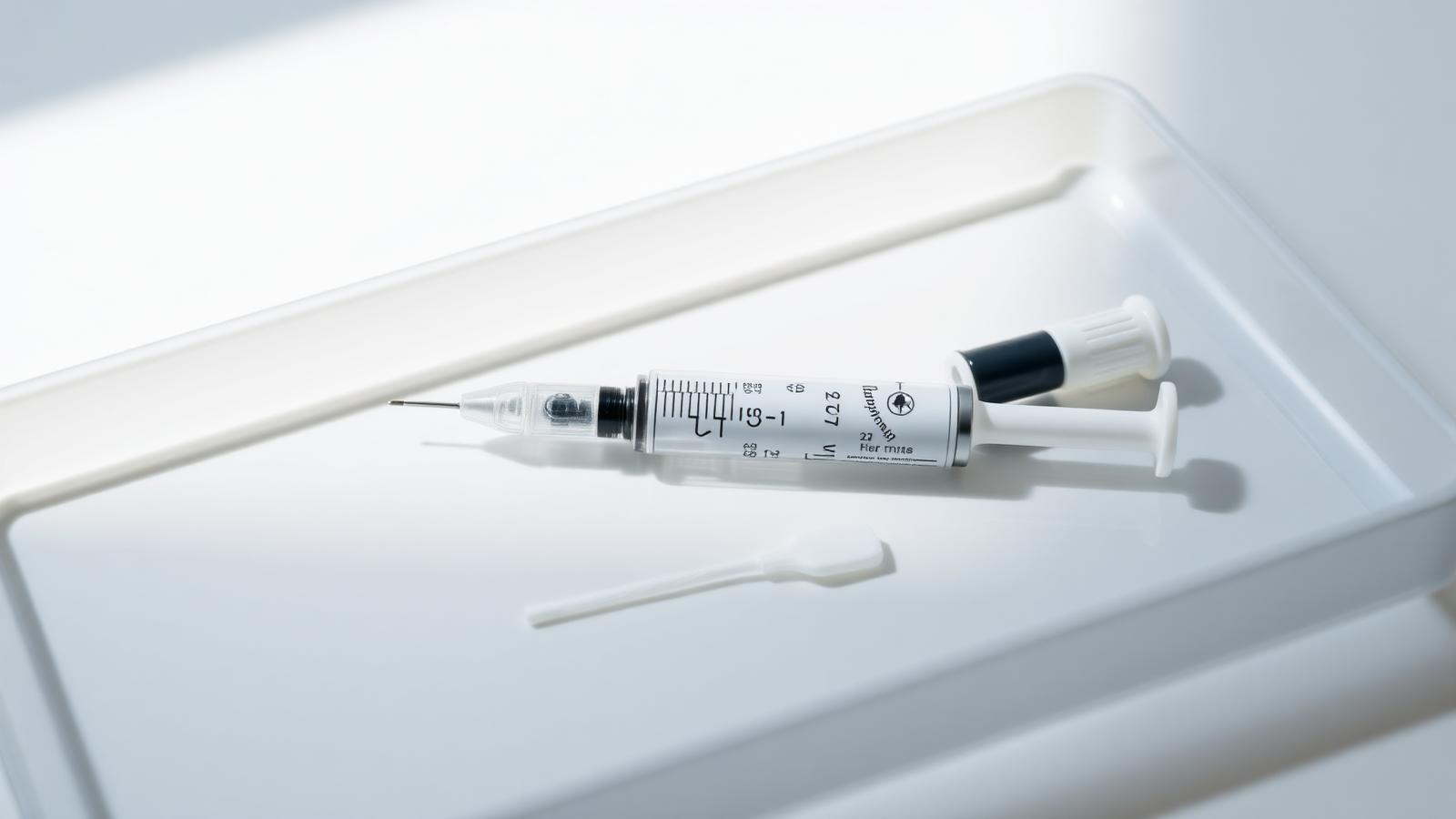
New cardiovascular, kidney and cognitive outcome data is reframing GLP-1 receptor agonists as potential healthspan drugs, not just appetite suppressants.
GLP-1 receptor agonists are no longer just diabetes or obesity drugs. The 2025–2026 outcome trials show meaningful reductions in cardiovascular events, kidney decline and early signals on neurodegeneration.
A longevity drug in disguise
Visceral fat, insulin resistance and chronic low-grade inflammation drive most age-related disease. By restoring satiety signalling and reducing visceral adiposity, GLP-1 agonists hit several hallmarks of ageing at once.
What the new evidence shows
- Cardiovascular event reduction independent of weight loss
- Slower progression of chronic kidney disease
- Early but promising data on Alzheimer's risk reduction
- Improvements in liver fat (MASLD) and sleep apnoea severity
How to use them well
The longevity-minded approach is not the same as the cosmetic weight-loss approach. It emphasises: lowest effective dose, aggressive resistance training, high protein (1.6–2.0 g/kg) and lean-mass tracking, plus careful screening for [GI side effects and gallbladder risk](/legal/disclaimer).
Stacking with other tools
For many users, a low-dose GLP-1 alongside [berberine](/supplements/berberine), creatine, and a structured strength programme produces better body-composition outcomes than the drug alone — and preserves the metabolic gains long-term. Explore our [peptides library](/peptides) for related compounds.
The unanswered questions
We do not yet know what 20-year GLP-1 exposure looks like, or whether intermittent dosing preserves the cardiometabolic benefits with fewer downsides. Expect this to be one of the most important longevity questions of the decade.