Worth wearing, or not.
A tracker is useful only if it changes what you do — most people need exactly one, and some need none. Independent reviews of the rings, watches and sensors worth considering, with honest notes on which data actually matters.
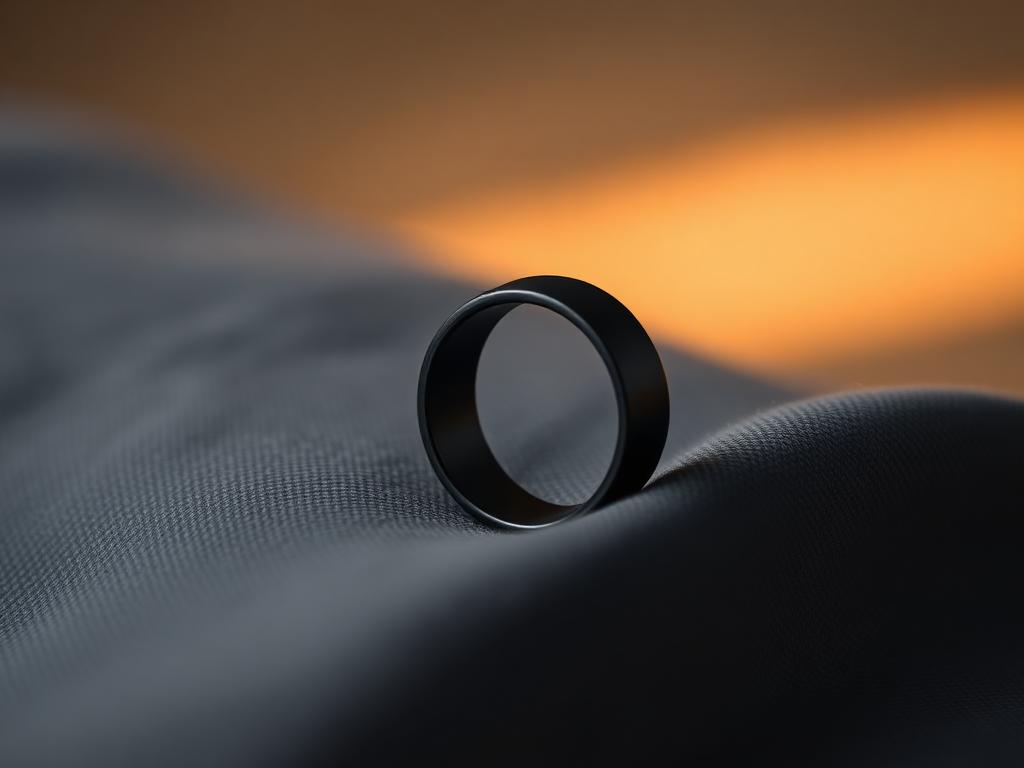
The best-in-class passive sleep and HRV tracker. A titanium ring you forget you're wearing that produces some of the most defensible sleep-stage and readiness data on the consumer market.
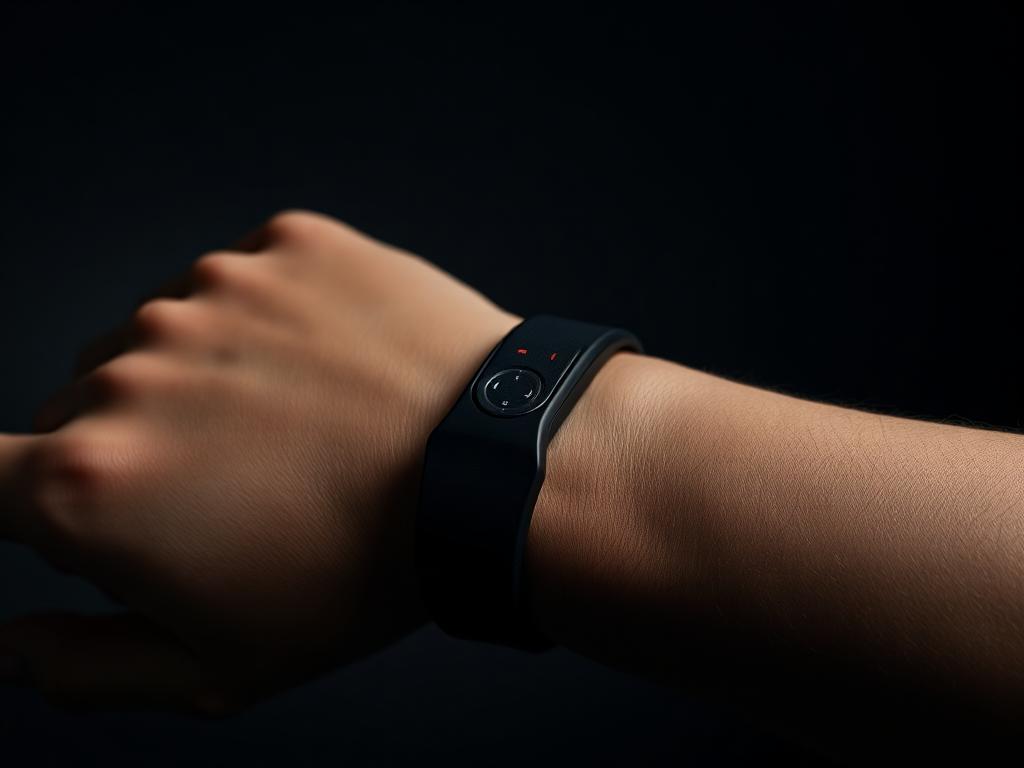
A screen-free recovery band that is really a subscription service. The hardware is a delivery mechanism for daily strain, recovery and sleep analytics that lean athletic.
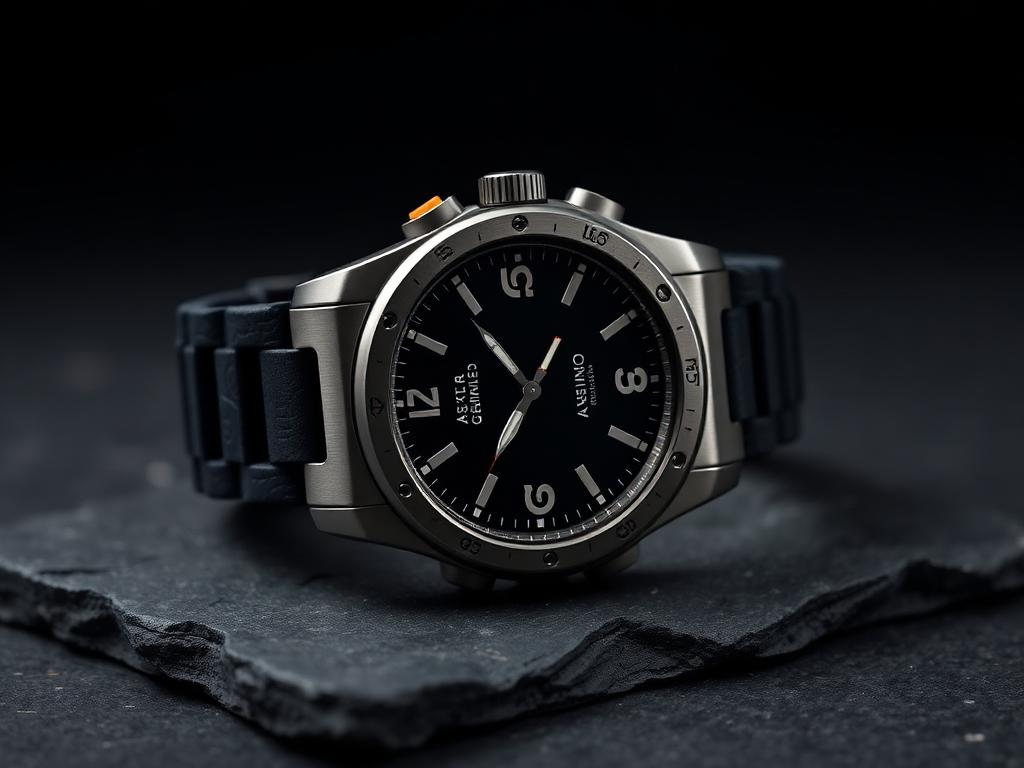
The most capable multi-sensor wristwatch on the market. Strong at ECG, everyday health nudges, GPS accuracy, and app ecosystem — weaker for high-fidelity HRV research than dedicated rings and straps.
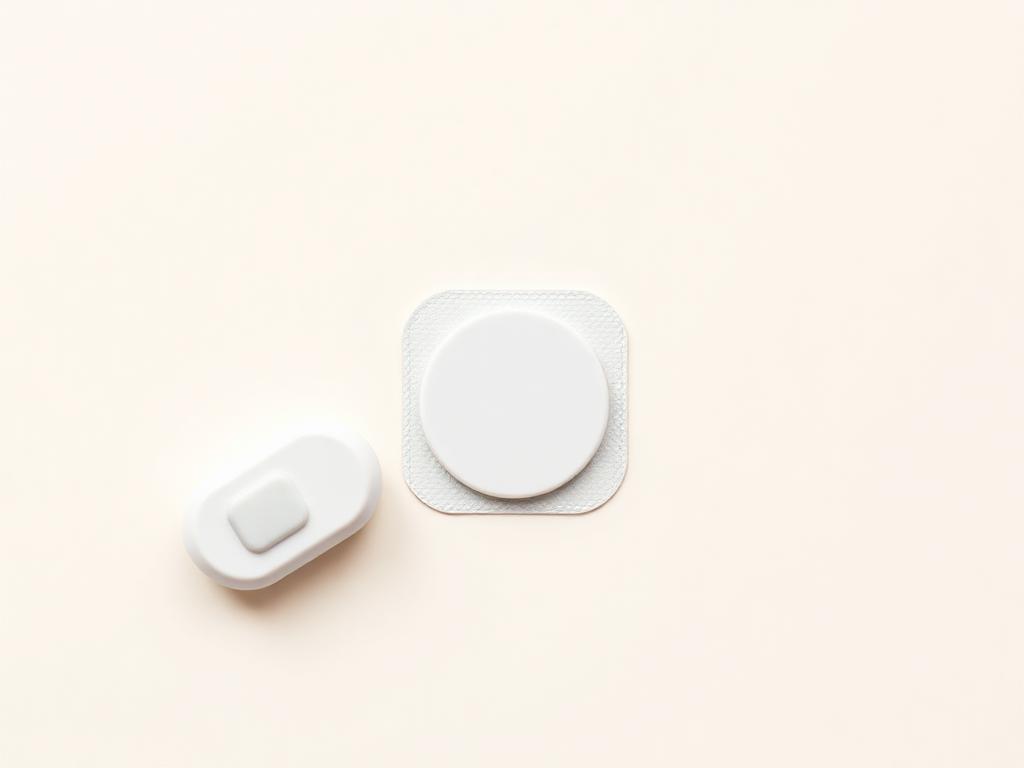
The first over-the-counter continuous glucose monitor in the US. A 15-day skin-worn sensor that turns a black-box variable — your glucose response to food, stress and sleep — into a graph you can act on.
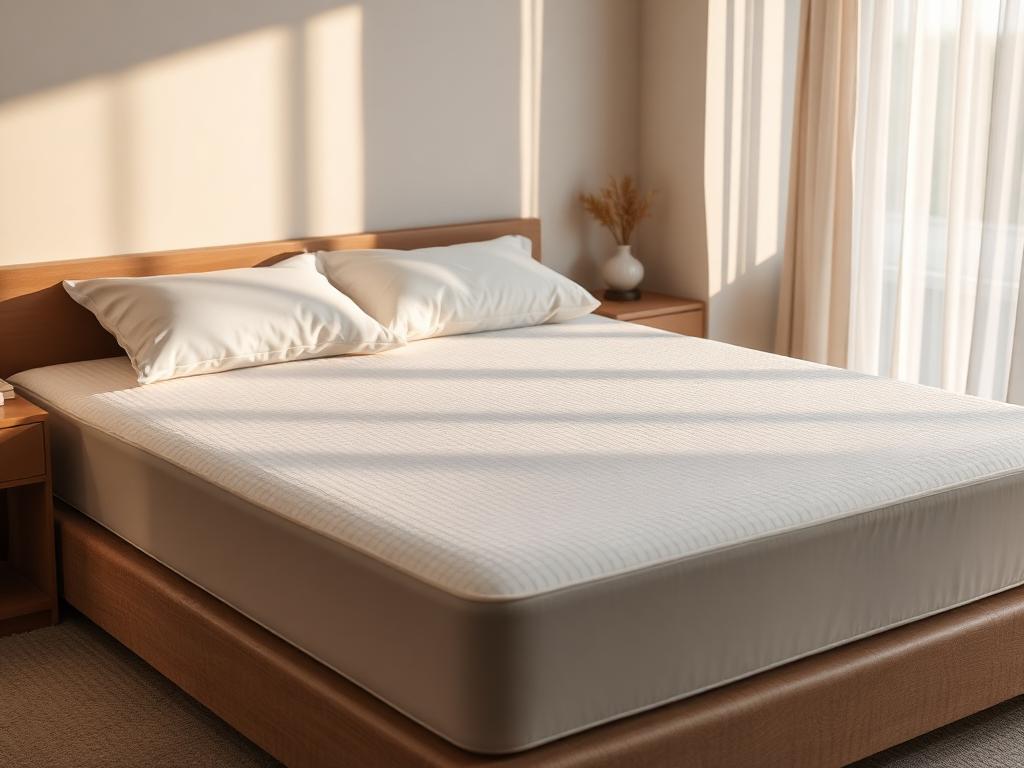
A thermal mattress cover that heats or cools each side of the bed and tracks sleep contactlessly. The single highest-leverage sleep intervention for anyone whose bedroom runs warm.
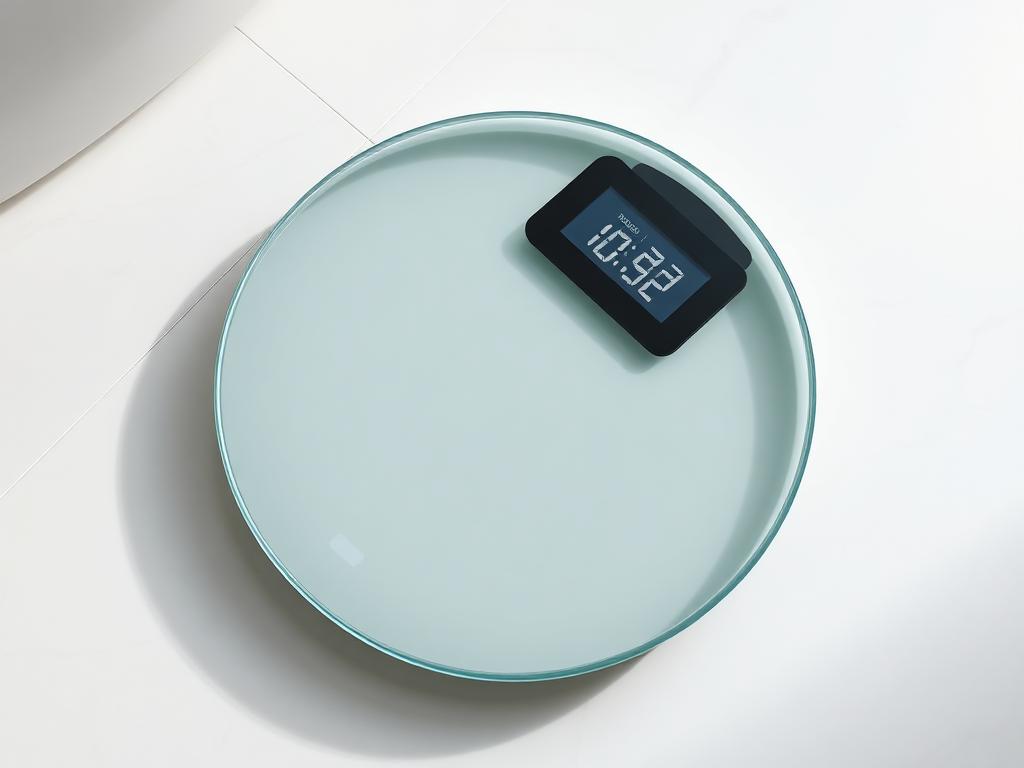
The most data-dense consumer scale you can buy: segmental body composition, six-lead ECG, vascular age and nerve activity in a single step-on.

A mid-size photobiomodulation panel that delivers therapeutic red (660 nm) and near-infrared (850 nm) irradiance for skin, mitochondrial and recovery protocols at a fraction of clinic pricing.
A tracker measures. A blood test explains.
Wearables show you trends; blood markers tell you what is actually happening underneath. Most people get more from one blood panel than a year of ring data.
The Sunday briefing
One email a week: what changed in the evidence, what it means for the markers you track, and the occasional thing worth stopping. No spam, unsubscribe anytime.