Urolithin A vs Spermidine: Optimising Autophagy
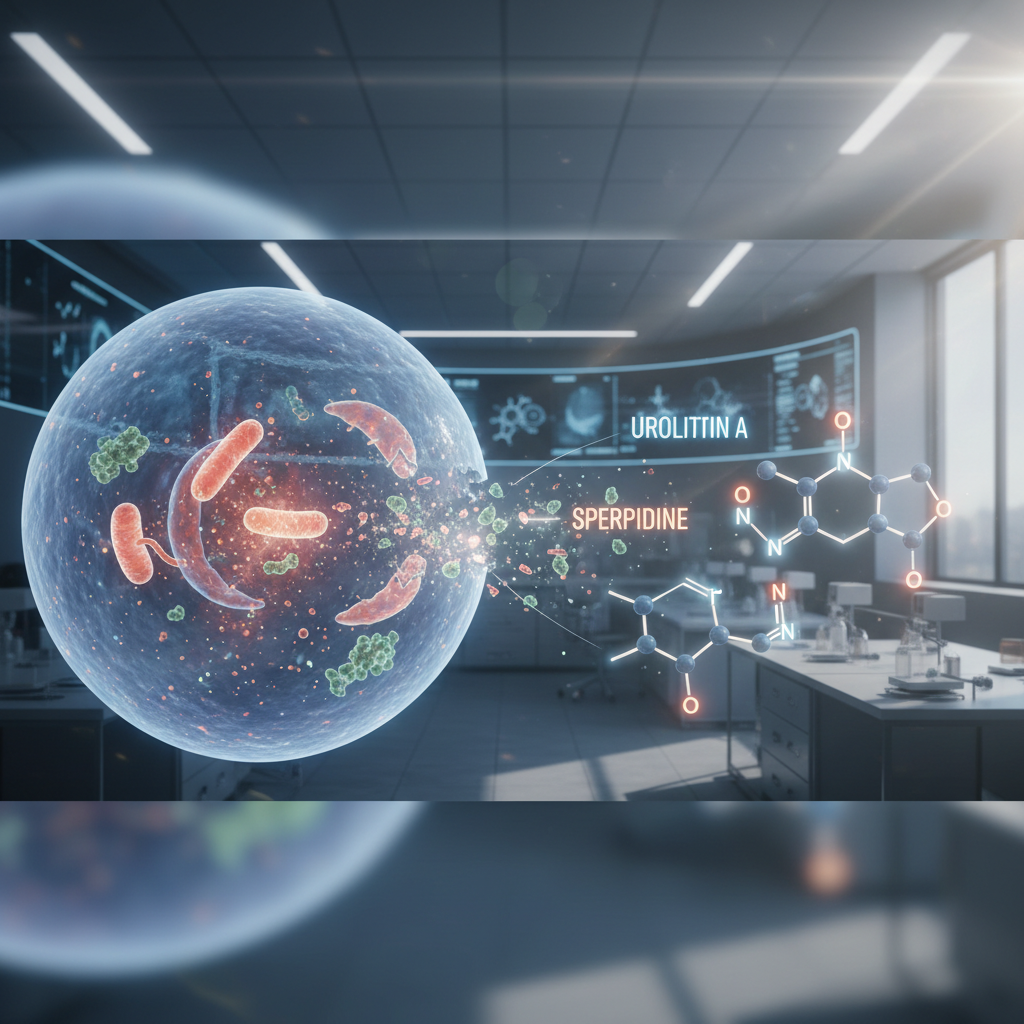
Dive into a scientific comparison of urolithin A and spermidine, two powerful compounds known for their autophagy-boosting properties and potential in healthy ageing.
# Urolithin A vs Spermidine: Optimising Autophagy for Longevity
In the relentless pursuit of extending healthspan and fostering robust longevity, scientific interest has increasingly focused on the intricate cellular process known as autophagy. Often termed the body's intrinsic 'recycling system', autophagy is fundamental to cellular health, clearing out damaged components and promoting cellular renewal. Two compounds have garnered significant attention for their potent autophagy-inducing capabilities: urolithin A and spermidine. While both are celebrated for their potential to enhance cellular clean-up and improve age-related health markers, their mechanisms of action, sources, and specific benefits diverge. This detailed analysis will thoroughly compare urolithin A and spermidine, providing an evidence-backed perspective on their roles in optimising autophagy for a longer, healthier life.
Understanding Autophagy: The Cellular Housekeeping Process
Autophagy, derived from the Greek for 'self-eating', is a highly regulated catabolic process by which cells degrade and recycle dysfunctional or unnecessary cellular components, including misfolded proteins, damaged organelles, and intracellular pathogens. This critical cellular maintenance pathway is essential for maintaining cellular homeostasis, stress adaptation, and ultimately, cell survival. Without efficient autophagy, cellular waste accumulates, leading to cellular dysfunction that is strongly implicated in various age-related diseases, neurodegeneration, metabolic disorders, and even cancer.
There are several types of autophagy, with macroautophagy being the most well-characterised. This process involves the formation of a double-membraned vesicle called an autophagosome, which engulfs cellular debris and then fuses with lysosomes for degradation. A specific form, mitophagy, targets damaged mitochondria for destruction, a process crucial for energy production and preventing oxidative stress. Enhancing autophagic flux has, therefore, become a significant target for therapeutic interventions aimed at promoting healthy ageing and combating age-related pathologies.
Lifestyle interventions such as fasting, exercise, and calorie restriction are known to induce autophagy naturally. However, nutritional compounds and supplements that can modulate this process offer an accessible alternative or adjunct strategy. Both urolithin A and spermidine are positioned as leading contenders in this arena, each with distinct pathways to bolster cellular resilience.
Urolithin A: A Postbiotic Powerhouse for Mitophagy
Urolithin A is a fascinating postbiotic metabolite produced by the gut microbiota from ellagitannins, compounds abundant in pomegranates, berries (like raspberries and blackberries), nuts (such as walnuts and pecans), and certain teas. Not everyone possesses the specific gut bacteria (e.g., *Gordonibacter* species) required to convert ellagitannins into urolithin A, meaning even high consumption of these foods may not guarantee its production. This variability underscores the appeal of direct supplementation.
### Mechanism of Action: Primarily Mitophagy Enhancement
Urolithin A's primary claim to fame lies in its potent ability to induce mitophagy, the selective autophagy of damaged mitochondria. Healthy mitochondrial function is paramount for energy production and cellular vitality. As we age, mitochondria accumulate damage from oxidative stress and inefficient fission/fusion dynamics. Urolithin A intervenes by:
* **Activating the PARP-PINK1-Parkin pathway:** This cascade is a key regulator of mitophagy. Urolithin A has been shown to upregulate PINK1, which then recruits Parkin to depolarised mitochondria, tagging them for autophagic degradation. * **Improving mitochondrial function:** Beyond clearing damaged mitochondria, urolithin A also appears to stimulate mitochondrial biogenesis (the creation of new mitochondria), contributing to a more youthful and energetic cellular profile.
### Research and Benefits
Early preclinical studies, particularly a landmark study published in *Nature Medicine* in 2016, demonstrated urolithin A's ability to extend the lifespan of *C. elegans* and improve muscle function in aged mice. Subsequent human clinical trials, albeit smaller, have shown promising results. For instance, a study published in *JAMA Network Open* in 2022 indicated that urolithin A supplementation improved muscle strength and endurance in middle-aged adults, correlating with increased mitochondrial gene expression. Other studies suggest benefits in reducing inflammation and improving metabolic health markers.
* **Muscle Health:** Crucial for maintaining mobility and preventing sarcopenia, urolithin A's impact on muscle mitochondria is a significant advantage. * **Brain Health:** While direct evidence in humans is still emerging, the preservation of mitochondrial health is foundational to neuronal function, suggesting potential neuroprotective benefits. * **Longevity:** By bolstering mitochondrial quality control, urolithin A addresses a fundamental aspect of cellular ageing.
Spermidine: A Polyamine Crucial for Macroautophagy
Spermidine is a naturally occurring polyamine compound found in all eukaryotic cells and plays critical roles in cell growth, proliferation, and differentiation. It is abundant in various foods, with particularly high concentrations found in wheat germ, aged cheese, soybeans, mushrooms, and legumes. Unlike urolithin A, which is gut microbiota-dependent, spermidine can be directly absorbed from dietary sources or synthesised endogenously in the body.
### Mechanism of Action: Broad Autophagy Induction
Spermidine's mechanism of action in autophagy induction is more broad-spectrum than urolithin A's targeted approach. It primarily enhances macroautophagy by:
* **Inhibiting EP300 (formerly p300):** This acetyltransferase is known to acetylate autophagic proteins, which can inhibit their function. By inhibiting EP300, spermidine promotes the deacetylation of these proteins, thereby activating autophagic pathways. This includes proteins like Atg5, Atg7, and Atg12, which are essential for autophagosome formation. * **Modulating nutrient sensing pathways:** Spermidine influences pathways like mTOR (mammalian target of rapamycin) and AMPK (AMP-activated protein kinase) in a manner that favours autophagy. Specifically, it can inhibit mTOR (a suppressor of autophagy) and activate AMPK (an activator of autophagy), although direct effects are complex and context-dependent.
### Research and Benefits
Research on spermidine has demonstrated its potential to extend lifespan across various model organisms, from yeast to flies to mice. Observational human studies have also linked higher dietary spermidine intake to reduced all-cause and cardiovascular mortality. A significant paper in *Nature Cell Biology* in 2009 first highlighted spermidine's autophagy-inducing properties and its role in prolonging longevity.
* **Cardiovascular Health:** Epidemiological studies suggest a correlation between higher spermidine intake and a lower risk of cardiovascular disease, potentially through improved cellular clean-up in cardiac cells. * **Neuroprotection:** Spermidine has shown promise in animal models of neurodegenerative diseases, where it can reduce protein aggregation and enhance neuronal resilience. * **Immune System Support:** By promoting efficient cellular recycling, spermidine can support robust immune function, helping to clear pathogens and maintain immune cell health. * **Hair and Skin Health:** Some individuals report improvements in hair growth and skin elasticity, though these benefits are less thoroughly researched than its systemic longevity effects.
Urolithin A vs Spermidine: A Direct Comparison
While both compounds are powerful autophagy enhancers, their distinct mechanisms and primary effects make them complementary rather than strictly competitive. Consider these differentiating factors:
* **Primary Autophagy Target:** Urolithin A is a specific inducer of mitophagy, focusing on mitochondrial quality. Spermidine is a more general inducer of macroautophagy, impacting overall cellular clean-up. * **Source and Bioavailability:** Spermidine is broadly available through diet and can be directly absorbed. Urolithin A's production is gut-microbiota dependent, making direct urolithin A supplementation more reliable for many individuals. * **Key Benefits:** Urolithin A shines in muscle health and mitochondrial support. Spermidine offers broad systemic benefits, including cardiovascular, neurological, and immune support, alongside general cellular renewal. * **Research Maturity:** Both have strong preclinical evidence, but human clinical trials are still relatively nascent for both, especially in confirming long-term longevity effects.
### Synergistic Potential
The compelling aspect is that urolithin A and spermidine are not mutually exclusive. Given their different primary targets within the autophagic pathway, there is a strong biological rationale for their synergistic use. By enhancing both targeted mitochondrial recycling (via urolithin A) and general cellular waste removal (via spermidine), individuals might achieve a more comprehensive and robust autophagic response. This combined approach could theoretically lead to more pronounced anti-ageing effects, addressing cellular decline from multiple angles.
For example, while spermidine boosts general autophagy, it might not specifically target and degrade dysfunctional mitochondria as efficiently as urolithin A. Conversely, Urolithin A's focus on mitophagy might not equally address the clearance of aggregated proteins or other cellular debris that spermidine can help clear. Therefore, a strategic combination may offer a powerful dual-pronged attack against cellular ageing.
It's also worth noting that other autophagy-inducing strategies, like time-restricted eating or even compounds like berberine, can work in concert with these supplements to amplify the benefits, creating a comprehensive longevity protocol.
Practical Considerations for Supplementation
When considering supplementing with either urolithin A or spermidine, several factors should be weighed:
* **Dosage:** Based on current research, typical supplemental dosages for urolithin A range from 250 mg to 1,000 mg per day. For spermidine, common dosages range from 1 mg to 10 mg per day, often sourced from wheat germ extracts. * **Quality and Purity:** As with all supplements, selecting high-quality products from reputable manufacturers is crucial to ensure purity, potency, and absence of contaminants. Always check for third-party testing. * **Gut Health (for Urolithin A):** If opting for dietary ellagitannins, consider your gut microbiome health. Probiotics or fermented foods might support the conversion to urolithin A, though direct supplementation bypasses this variability. * **Dietary Sources:** Integrating foods rich in ellagitannins (pomegranates, berries) and spermidine (wheat germ, aged cheese) into your diet is a foundational step, regardless of supplementation. * **Safety Profile:** Both compounds are generally considered safe at recommended dosages, with few reported side effects. However, always consult a healthcare professional before starting any new supplement regimen, especially if you have underlying health conditions or are taking other medications. [/legal/disclaimer]
Future Research and Longevity Implications
The field of longevity science is rapidly advancing, and research into both urolithin A and spermidine is ongoing. Future studies are likely to explore:
* **Larger, Longer-term Human Trials:** These are needed to confirm the long-term safety and efficacy of these compounds across diverse populations and to establish optimal dosages for specific health outcomes. * **Synergistic Effects:** More dedicated research into the combined effects of urolithin A and spermidine, or their combination with other longevity compounds or protocols, will be invaluable. * **Biomarkers of Autophagy:** Developing reliable and accessible biomarkers to measure autophagic flux in humans will help personalise supplementation strategies and monitor effectiveness. Tools that leverage biomarker insights are already emerging to help with this.
These compounds represent an exciting frontier in personalised longevity. By understanding their unique roles in autophagy, individuals can make informed choices to support their cellular health and potentially slow the ageing process.
Bottom line
Urolithin A and spermidine are both compelling actors in the drama of cellular longevity, each playing a distinct yet complementary role in orchestrating autophagy. Urolithin A stands out for its targeted enhancement of mitophagy, clearing damaged mitochondria to revitalise muscle and cellular energy. Spermidine, a broader inducer of macroautophagy, ensures comprehensive cellular clean-up, offering wide-ranging benefits for cardiovascular, neurological, and immune health.
For those seeking to optimise their cellular health and extend their healthspan, incorporating foods rich in these compounds is an excellent starting point. Supplementation offers a more consistent and potent approach, especially for urolithin A, given its gut microbiome dependency. Considering their distinct mechanisms, combining urolithin A and spermidine could well represent a powerful, synergistic strategy to bolster cellular resilience and effectively combat the hallmarks of ageing, moving us closer to a future of enhanced vitality and longevity.