When to Take Berberine for Blood Sugar: An
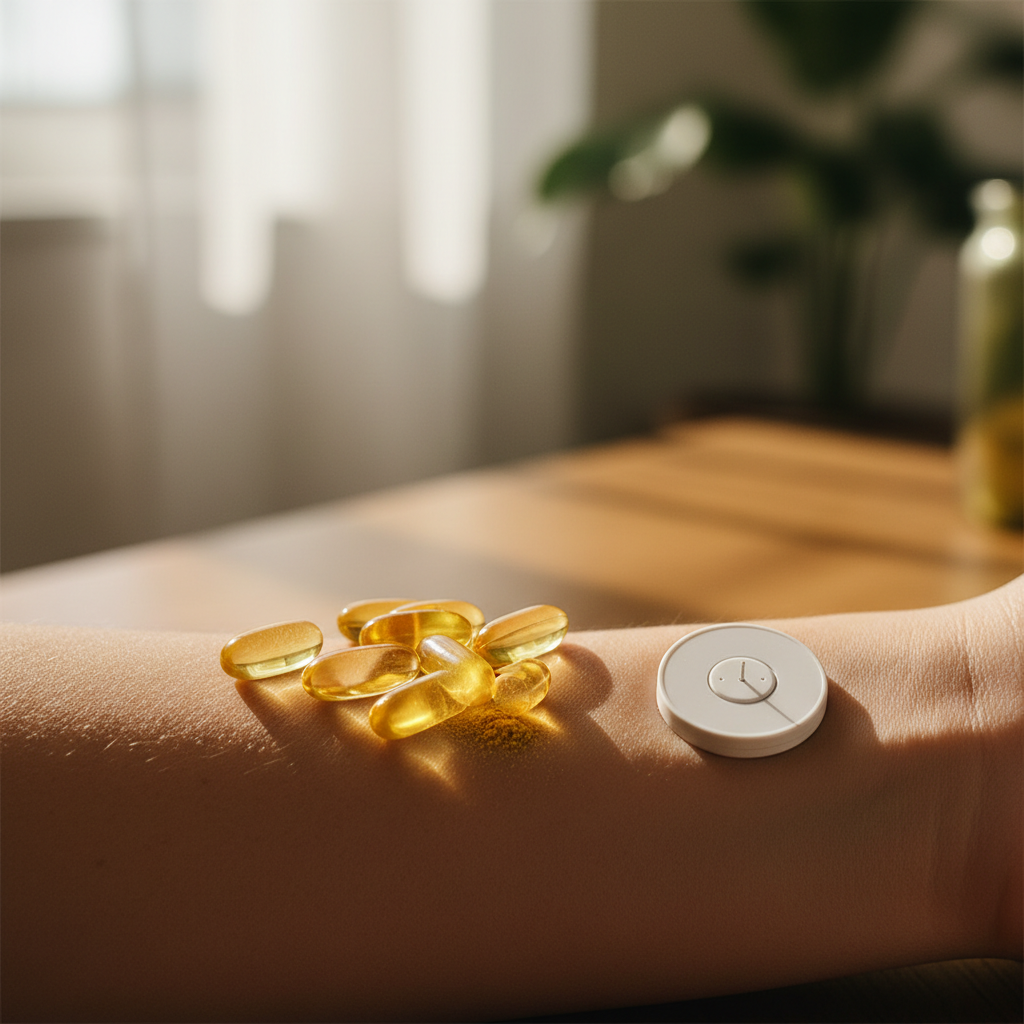
Timing is crucial for maximising berberine's benefits. Learn the evidence-based strategy for taking berberine to effectively manage post-meal blood sugar spikes and improve metabolic health.
Berberine is one of the most powerful and well-researched compounds for managing blood sugar and improving overall metabolic health. Extracted from plants like Goldenseal and European Barberry, this bitter-tasting alkaloid has a long history in traditional medicine. Today, modern science is validating its potent effects, often comparing its efficacy to prescription medications.
However, simply taking berberine isn't enough; *when* you take it is arguably just as important as *that* you take it. The timing of your dose can significantly impact its ability to blunt post-meal glucose spikes and improve insulin sensitivity. This guide will cut through the noise and provide an evidence-based framework for the best time to take berberine for blood sugar control, helping you get the most out of this remarkable supplement.
What is Berberine and How Does It Work?
Before we dive into timing, it's essential to understand how berberine works its magic. It is not a gentle, suggestive supplement; it's a potent metabolic regulator. Its primary mechanism of action is the activation of an enzyme called AMP-activated protein kinase (AMPK), often dubbed the body's "metabolic master switch."
Activating AMPK has several downstream effects that are highly beneficial for blood sugar management:
- **Increased Glucose Uptake:** AMPK activation signals your cells, particularly muscle and fat cells, to take up more glucose from the bloodstream, even without the presence of insulin. This directly lowers blood sugar levels.
- **Improved Insulin Sensitivity:** By promoting glucose uptake, berberine helps reduce the body's reliance on high levels of insulin, improving sensitivity over time.
- **Decreased Glucose Production:** It helps reduce the amount of glucose produced by the liver (gluconeogenesis), a process that can contribute to high fasting blood sugar.
Because of these powerful effects, berberine's performance in clinical trials is frequently compared to that of metformin, a first-line pharmaceutical for type 2 diabetes. A landmark 2008 study published in *Metabolism* found that berberine was just as effective as metformin in lowering key diabetic markers, including fasting blood glucose, postprandial blood glucose, and HbA1c, over a three-month period. For a deeper dive into the science, see our complete guide to berberine.
Beyond blood sugar, berberine influences lipid metabolism by lowering LDL cholesterol and triglycerides, and positively impacts gut microbiome composition. But its most immediate and noticeable effect is on glucose control, which makes timing a critical factor.
The Science of Supplement Timing
Chrononutrition—the science of how nutrient timing affects health—is a rapidly evolving field. We now understand that the body's circadian rhythms dictate how we metabolise food and drugs at different times of the day. The core principle is simple: to maximise a compound's effect, you should introduce it to the body when it's most needed and can be most effectively utilised.
For a supplement like berberine, two key pharmacological properties dictate its optimal timing:
1. **Short Half-Life:** Berberine has a relatively short half-life in the body, estimated to be around 5 hours. This means that after about 5 hours, half of the dose you took is no longer active in your system. A single morning dose will have largely worn off by dinnertime. 2. **Meal-Related Action:** Berberine’s strongest effect is on postprandial (after-meal) hyperglycaemia. It works best when it's present in your system to counteract the influx of glucose from the carbohydrates you've just eaten.
These two factors make a single daily dose of berberine a suboptimal strategy. To maintain effective levels in the blood and to target the metabolic challenge of meals, a more thoughtful approach is required. The goal is to align the peak concentration of berberine in your blood with the peak absorption of glucose from your gut.
Best Time to Take Berberine: Pre-Meal is Key
Based on the available evidence and its mechanism of action, the optimal time to take berberine is **shortly before or with a meal containing carbohydrates.**
Taking berberine 15-30 minutes before you eat, or even with your first bite, ensures that the compound is being absorbed and becoming active just as your digestive system starts breaking down food into glucose. This pre-emptive strike allows berberine to prepare your cells for the incoming glucose surge, enhancing uptake into muscle tissue and mitigating the sharp, damaging spike in blood sugar that can follow a meal.
One of the most comprehensive reviews on berberine's mechanisms, published in the journal *Theranostics*, reinforces this by detailing its role in inhibiting glucose absorption in the intestine and promoting glycolysis. Both of these actions are most relevant during and immediately after a meal. You can review the study on the National Institutes of Health website.
Waiting to take berberine an hour or more after a meal is a missed opportunity. By then, the glucose spike is already well underway, and while berberine will still have some effect, it won't be as effective at blunting the initial peak. The key to effective metabolic health is not just lowering average glucose, but also reducing glycaemic variability—the sharp peaks and troughs—and berberine is a powerful tool for this when timed correctly.
An Optimal Dosing Strategy: Splitting the Dose
Given berberine's short half-life, a split-dosing protocol is far superior to a single daily dose for all-day glucose control. The standard therapeutic dosage used in most clinical trials is between 1,000mg and 1,500mg per day.
**The most effective strategy is to divide this total daily dose into two or three smaller doses, taken with your main meals.**
Here’s a practical example using a 1,500mg daily total:
- **Breakfast:** Take 500mg just before or with your morning meal.
- **Lunch:** Take 500mg just before or with your midday meal.
- **Dinner:** Take 500mg just before or with your evening meal.
This approach ensures that berberine is active in your system throughout the day, providing targeted support for each meal-induced glucose rise. It also helps maintain more stable blood levels of the compound, leading to better overall results. Furthermore, splitting the dose can significantly reduce the risk of the most common side effect associated with berberine: gastrointestinal distress. A single large dose is far more likely to cause cramping or diarrhoea than smaller, distributed doses.
Please note: This information is for educational purposes. Always consult with a qualified healthcare professional before starting any new supplement, particularly one as potent as berberine. For more information, please see our disclaimer.
Can You Take Berberine on an Empty Stomach?
While taking berberine with meals is ideal for managing postprandial glucose, what about taking it on an empty stomach, such as first thing in the morning? Some people do this with the aim of lowering their fasting blood glucose levels.
It is possible to take it this way, and anecdotally, some users report a modest benefit to their morning glucose readings. Berberine’s effect on hepatic glucose production (gluconeogenesis) isn't strictly tied to food intake. However, there are two important considerations:
1. **GI Side Effects:** Taking berberine on an empty stomach significantly increases the likelihood of gastrointestinal side effects like stomach cramps, discomfort, or diarrhoea. 2. **Reduced Primary Benefit:** You miss out on its primary and most powerful effect: blunting the meal-time glucose spike. For most individuals, post-meal glucose excursions are a bigger driver of poor metabolic health and high HbA1c than fasting glucose.
For the vast majority of users, the benefits of pre-meal dosing far outweigh any potential advantages of taking it on an empty stomach. If high fasting glucose is a specific concern, a split-dosing protocol with meals will still help improve overall insulin sensitivity, which in turn can lead to lower fasting glucose over time.
Synergise Berberine with Lifestyle for Maximum Impact
Berberine is a powerful tool, but it's not a magic pill that can excuse a poor diet or sedentary lifestyle. Its effects are additive and synergistic with healthy habits. To truly optimise your metabolic health, you should combine berberine supplementation with proven lifestyle strategies.
- **Diet:** Pair berberine with a whole-foods, low-glycaemic diet. The less refined sugar and carbohydrates you consume, the less work berberine has to do. This creates a powerful one-two punch against hyperglycaemia.
- **Exercise:** Both aerobic exercise and resistance training dramatically improve insulin sensitivity. A protocol of regular Zone 2 cardio and 2-3 sessions of resistance training per week will amplify berberine's effects on glucose uptake into muscle.
- **Fasting:** Incorporating a strategy like time-restricted eating can provide a powerful metabolic reset. Confining your eating window to 8-10 hours gives your body a prolonged daily break from processing food, improving insulin sensitivity and complementing berberine's actions.
- **Other Supplements:** While berberine is potent, other compounds like magnesium glycinate and omega-3 fatty acids also play crucial roles in cellular insulin sensitivity.
Think of these lifestyle factors as the foundation. Berberine is the targeted intervention that builds upon that foundation for superior results. For more details on how to manage blood sugar, the U.K.'s National Health Service (NHS) provides excellent foundational guidance.
The Bottom line
Optimising berberine supplementation is a matter of strategic timing. The scientific evidence and its pharmacological profile point to a clear conclusion: for maximal blood sugar control, berberine should not be taken in a single daily dose. Instead, the total daily intake, typically 1,000-1,500mg, should be split into two or three smaller doses.
Crucially, each dose should be taken shortly before or with a carbohydrate-containing meal. This timing aligns the supplement's peak activity with the body's greatest metabolic need, effectively blunting post-meal glucose spikes, reducing glycaemic variability, and improving insulin sensitivity over the long term. This strategy not only maximises efficacy but also minimises the potential for gastrointestinal side effects. By combining this precise timing protocol with a foundation of healthy diet and regular exercise, you can unlock the full potential of berberine as a powerful ally for metabolic health.