Creatine for Cognitive Performance: The
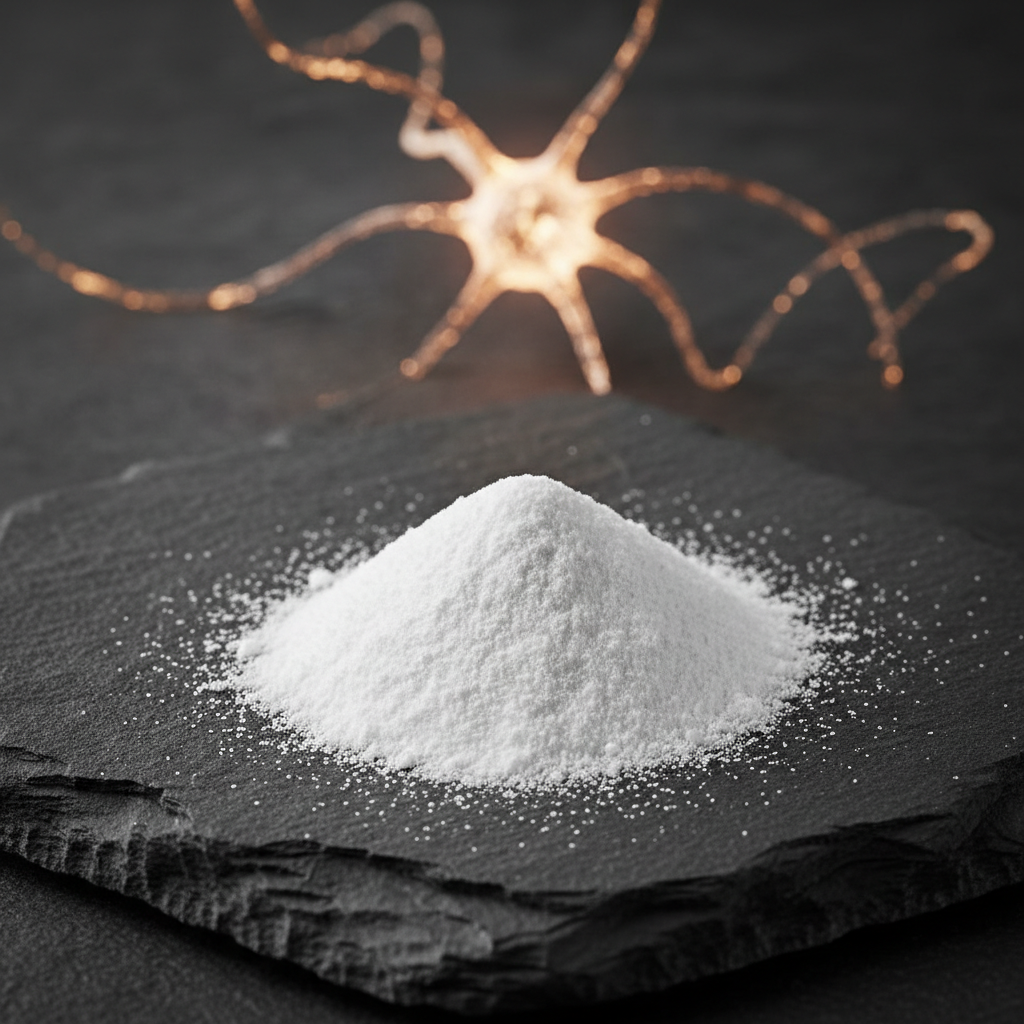
Creatine is well-known for physical performance, but it also fuels the brain. We unpack the evidence for its role in supporting memory, focus, and cognitive function under stress.
For decades, creatine has been the undisputed king of the gym floor, a well-researched ergogenic aid for building muscle and power. But its influence extends far beyond the biceps. The brain, our most energy-intensive organ, relies on the very same energy systems that power a heavy lift. This has led researchers to ask a compelling question: could supplementing with creatine enhance cognitive performance?
This isn't just wishful thinking. The brain's demand for energy is immense, and its ability to rapidly recycle its primary energy currency, adenosine triphosphate (ATP), is critical for everything from memory recall to complex problem-solving. Creatine plays a fundamental role in this process. In this article, we'll move past the weight room and into the lab, critically examining the evidence for creatine as a cognitive enhancer and neuroprotective agent.
The Brain’s Energy Crisis: Why Creatine Matters
The human brain weighs about 1.4 kilograms, yet it consumes a staggering 20% of the body's total energy at rest. This energy is primarily used to maintain ion gradients across neuronal membranes, which is essential for firing electrical signals. When you engage in a mentally demanding task—be it studying for an exam, coding a complex algorithm, or navigating a difficult conversation—the brain's energy consumption skyrockets in localised regions.
This is where the phosphocreatine (PCr) system comes in. Just like in muscle, brain cells store creatine as phosphocreatine. When ATP is used for energy, it loses a phosphate group and becomes adenosine diphosphate (ADP). Phosphocreatine acts as a rapid phosphate donor, quickly regenerating ATP from ADP. This allows for a continuous supply of high-energy currency during short bursts of intense neural activity. Essentially, PCr is the brain's immediate energy reserve.
Supplementing with creatine monohydrate has been shown to increase the concentration of creatine in the brain, although not to the same extent as in skeletal muscle. This cerebral increase provides a larger energy buffer, improving the brain's ability to maintain performance under metabolically stressful conditions. It's not about creating energy from nothing, but about optimising the efficiency of the existing energy recycling system.
Cognition Under Stress: Where Creatine Shines
The most robust evidence for creatine's cognitive benefits emerges under conditions of stress or challenge. When the brain is fatigued, sleep-deprived, or otherwise compromised, its energy systems are pushed to their limits. This is precisely the scenario where a larger phosphocreatine pool can make a tangible difference.
A landmark study published in *Psychopharmacology* investigated the effects of creatine supplementation on individuals subjected to 36 hours of sleep deprivation. The researchers found that the group taking creatine showed significantly less deterioration in complex executive functions compared to the placebo group. Their ability to perform tasks requiring planning, attention, and cognitive flexibility was better preserved, directly implicating creatine's role in mitigating the effects of mental fatigue.
Other stressors show similar results:
- **Mental Fatigue:** After prolonged, demanding cognitive tasks, creatine has been shown to reduce mental fatigue and sustain performance.
- **Hypoxia:** Studies involving oxygen deprivation (simulating high altitude) have demonstrated that creatine supplementation helps preserve cognitive function and psychomotor skills.
This body of evidence suggests creatine isn't a 'smart drug' that provides a universal boost to a well-rested brain. Instead, its primary cognitive role seems to be as a buffer against decline. For those regularly facing high-pressure work environments, disrupted sleep patterns, or intense study periods, creatine offers a scientifically-backed way to maintain cognitive resilience. This is a crucial aspect of Recovery & Sleep that extends beyond just physical restoration.
Memory and Executive Function: A More Nuanced Picture
What about the effect of creatine on core cognitive domains like memory and learning in healthy, non-stressed individuals? Here, the scientific literature presents a more mixed, but fascinating, picture.
Several studies have failed to find a significant benefit in young, healthy omnivores. The likely reason is that these individuals already operate with relatively replete brain creatine stores and efficient energy metabolism. However, the benefits become much clearer when looking at specific populations.
One of the most compelling areas of research involves vegetarians and vegans. As dietary creatine is found almost exclusively in animal products, plant-based eaters have significantly lower baseline creatine levels. A well-regarded study published in the *British Journal of Nutrition* found that vegetarian participants who supplemented with creatine showed significant improvements in memory and intelligence test scores, whereas the omnivore group did not. This strongly suggests that creatine's cognitive benefits are most pronounced when correcting for a relative deficiency.
Similarly, evidence is mounting for benefits in older adults. Ageing is associated with a natural decline in cerebral energy metabolism. Supplementing with creatine may help counteract this deficit. A meta-analysis published in *Experimental Gerontology* in 2018 reviewed several studies and concluded that creatine supplementation can improve performance on short-term memory and reasoning tasks in older individuals. You can read the abstract for yourself on PubMed.
Dosing, Safety, and Strategic Use
Integrating creatine for cognitive benefit is straightforward, safe, and cost-effective. The protocol is identical to that used for physical performance.
- **Dosage:** The standard, research-backed dose is 3-5 grams of creatine monohydrate per day. There is no need to cycle on and off. A 'loading phase' of 20 grams per day for 5-7 days can speed up saturation of the muscles and brain, but it isn't necessary for long-term benefits; a consistent 5-gram daily dose will achieve the same result over 3-4 weeks.
- **Type:** Creatine monohydrate is the most studied, most effective, and cheapest form. There is no compelling evidence that more expensive forms like creatine HCL or ethyl ester offer superior bioavailability or cognitive benefits.
- **Safety:** Creatine monohydrate is one of the most extensively studied supplements available. The International Society of Sports Nutrition (ISSN) published a comprehensive position stand, available on PubMed, concluding it is safe for long-term use in healthy individuals. Claims about kidney damage and hair loss in healthy populations have been thoroughly debunked by the scientific literature. The main side effect can be mild water retention, primarily within muscle cells.
To maximise benefits, consider creatine as part of a broader health optimisation strategy. Its effects are synergistic with protocols like resistance training, which independently boosts cognitive function through mechanisms like increased BDNF (Brain-Derived Neurotrophic Factor). Combining creatine with other brain-supportive nutrients like omega-3 fatty acids and ensuring adequate sleep provides a multi-faceted approach to brain health.
*Always consult with a healthcare professional before starting any new supplement regimen. Find our full disclaimer here.*
Beyond Cognition: Potential for Neuroprotection
The longevity community is increasingly interested in creatine for its potential neuroprotective effects. The same mechanism that supports acute cognitive function—enhanced cellular energy—may also help protect neurons from damage and degeneration over the long term.
Mitochondrial dysfunction is a hallmark of ageing and a key factor in the pathology of many neurodegenerative diseases, including Parkinson's and Huntington's. By improving the efficiency of ATP production and reducing oxidative stress, creatine helps support mitochondrial health.
Preclinical and early human studies have explored creatine's potential in several areas:
- **Traumatic Brain Injury (TBI):** TBI triggers a massive energy crisis in the brain. Animal models and some preliminary human studies suggest that creatine supplementation can reduce the extent of neuronal damage.
- **Neurodegenerative Disease:** Whilst it is not a cure, research has investigated creatine as an adjunct therapy in Parkinson's, Huntington's, and ALS to help preserve motor function and neuronal health by supporting cellular energetics. Results have been mixed, but the underlying rationale remains strong.
Whilst it's crucial to state that creatine is not a treatment for these conditions, the research highlights its fundamental role in brain Metabolic Health. For those focused on healthspan, supporting the brain's energy systems is a proactive strategy to build resilience against age-related decline.
Bottom Line
Creatine is not a miraculous nootropic that will grant you a photographic memory overnight. However, the scientific evidence strongly supports its role as a conditional cognitive enhancer. Its benefits are most pronounced and reliable under conditions of metabolic stress, such as sleep deprivation, mental fatigue, and in populations with lower baseline levels, like vegetarians and older adults.
For the healthy, young omnivore, the cognitive uplift might be subtle or even negligible in a rested state. But given its exceptional safety profile, low cost, and proven physical benefits, supplementing with 3-5 grams of creatine monohydrate daily represents a very low-risk, high-potential intervention. It's a foundational tool for optimising the body's energy systems, and as we've seen, the brain is its most demanding customer.