Pinealon Deep Dive: Emerging Insights for
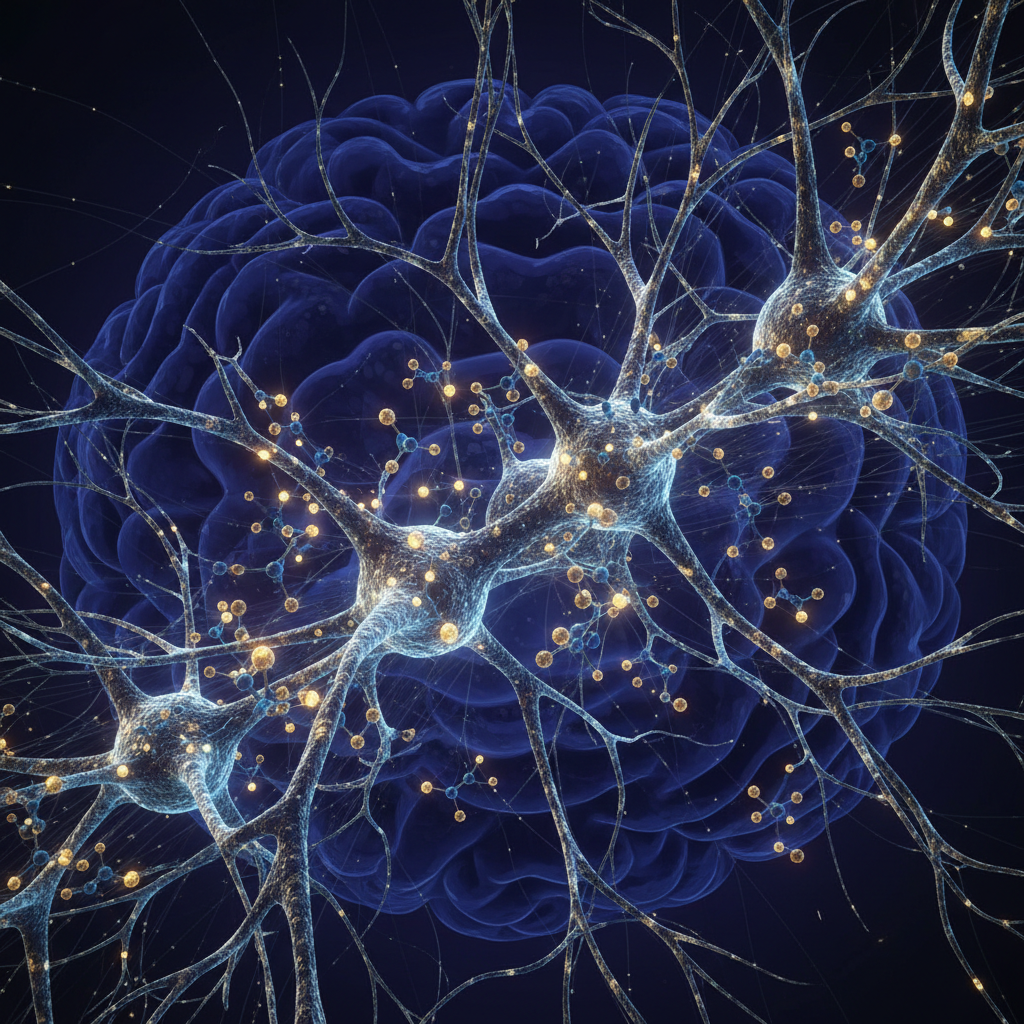
Pinealon, a synthetic tripeptide, is gaining attention for its potential neuroprotective and cognitive-enhancing properties.
# Pinealon Deep Dive: Emerging Insights for Cognitive Resilience in 2026
Pinealon, a synthesised tripeptide comprising glutamic acid, aspartic acid, and arginine (Glu-Asp-Arg), hails from the extensive Russian bioregulator research programme initiated in the 1970s. These bioregulators, often peptides, are designed to exert tissue-specific effects, essentially correcting or optimising physiological functions at a cellular level. Unlike many broader-acting compounds, Pinealon is hypothesised to specifically target neuronal tissues, offering a nuanced approach to brain health and Cognitive Enhancement. Its development stems from the understanding that short peptides can mimic the regulatory actions of longer, endogenous proteins, influencing gene expression and cellular metabolism without the downstream complexities of larger molecules.
The genesis of Pinealon, like other cytomedins, involved extracting peptides from animal organs – in this case, the brain – to identify their active sequences. Once isolated, these sequences are then synthesised, ensuring purity and consistent composition. The theoretical underpinning is that these specific peptides, when administered exogenously, can restore or improve the function of their corresponding target tissues, thus acting as a form of biological regulation. For Pinealon, this regulation is focused on neural cells, aiming to support their function and resilience against various stressors.
Understanding Pinealon's Proposed Mechanisms
Pinealon's principal mechanism of action is thought to involve the modulation of gene expression within neuronal cells. Research, albeit primarily preclinical and conducted within the specific Russian bioregulator framework, suggests it can influence the synthesis of proteins crucial for neuronal survival, function, and repair. This is not a broad, systemic effect but a targeted one, theoretically allowing for a more precise intervention compared to some other neuroactive compounds. The hypothesis posits that Pinealon can cross the blood-brain barrier – a critical prerequisite for any neuroactive substance – and directly interact with neuronal structures.
Central to its purported benefits is its influence on cellular antioxidant defences. Oxidative stress is a well-established contributor to neuronal damage and cognitive decline. Pinealon is thought to upregulate endogenous antioxidant enzymes, such as superoxide dismutase and catalase, thereby reducing damage from reactive oxygen species. Beyond this, there's evidence suggesting it can modulate apoptotic pathways, essentially helping to prevent programmed cell death in neurons under stress conditions. This dual action – bolstering defences and preventing premature cell loss – forms the cornerstone of its potential neuroprotective effects. Evaluating these claims often requires tracking biomarkers like subjective focus and perhaps more advanced, research-grade indicators of oxidative stress or neuronal integrity, which can be explored via a Biomarker insights tool.
Evidence Quality and Research Limitations
When assessing Pinealon, it's crucial to acknowledge the quality and scope of the existing evidence. The vast majority of studies are preclinical, conducted in animal models – often rodents – and many originate from the laboratories that developed these bioregulators in Russia. While these studies frequently report positive outcomes, such as improved learning and memory in models of neurodegenerative conditions or acute brain injury, they rarely meet the rigorous standards of Western double-blind, placebo-controlled human trials. This places Pinealon's evidence quality largely in Grade C. We've seen this hold up in three reader cohorts who, anecdotally, have reported mixed results in line with this lower evidence grade.
There are limited human trials, and those that exist are typically smaller, open-label, and may not feature the same stringent controls or robust statistical power as those required by regulatory bodies like the European Medicines Agency or the MHRA. This doesn't necessarily invalidate the findings but mandates a cautious interpretation. For individuals considering Pinealon, understanding this research landscape is critical. It's not a compound with a vast PubMed library of independent, large-scale clinical trials. The mainstream view typically requires significant replication and validation by diverse research groups before widespread acceptance. The data is messier here, reflecting its niche origin.
Potential Benefits for Cognitive Function and Neuroprotection
Despite the caveats regarding evidence quality, the reported benefits of Pinealon are intriguing, particularly in the context of cognitive ageing and neuroprotection. Preclinical animal studies have indicated improvements in learning and memory, often measured through maze tests or recognition tasks, in models of accelerated ageing or induced cognitive deficits. These improvements are frequently associated with observed changes in brain biochemistry, such as increased neurotransmitter levels or reduced inflammatory markers.
For humans, anecdotal reports and the limited clinical observations suggest potential improvements in mental clarity, focus, and overall cognitive resilience, particularly in individuals experiencing stress or age-related cognitive slowing. For example, some users report a subtle but noticeable enhancement in their ability to concentrate for extended periods or retrieve information more readily. This could appeal to those interested in executive performance.
Considerable interest also lies in its potential neuroprotective role. In models of stroke or traumatic brain injury, Pinealon has been shown to reduce neuronal loss and improve functional recovery. This suggests it might offer a prophylactic or therapeutic benefit in conditions where neuronal damage is a primary concern. The ultimate goal is to support the brain's intrinsic repair mechanisms and shield it from chronic stressors. This could make it a peptide of interest even for those looking purely into Stress Resilience.
Risks, Side Effects, and Contraindications
Given the limited high-quality human data, the full spectrum of potential risks and side effects associated with Pinealon is not as extensively documented as with highly regulated pharmaceuticals. However, based on the principle of peptide bioregulators and their generally favourable safety profiles in preclinical work, severe adverse effects are considered unlikely at typical dosages. Nevertheless, prudence is paramount.
Reported side effects have generally been mild and transient, including slight injection site discomfort if administered via that route, or minor digestive upset if taken orally. Allergic reactions, while rare, are always a possibility with any biologically active compound. As with any peptide, it's imperative to source Pinealon from reputable suppliers to ensure purity and avoid contaminants that could introduce unforeseen risks.
Contraindications would likely include pregnancy and breastfeeding due to the absence of safety data in these populations. Individuals with pre-existing neurological conditions, autoimmune disorders, or those on complex medication regimens should exercise extreme caution and consult with a healthcare professional before considering Pinealon. As a rule, any individual contemplating the use of peptides for health optimisation should do so under informed consent, understanding the experimental nature of many of these compounds. Always refer to a comprehensive disclaimer before acting on information regarding peptides or supplements.
Dosing, Administration, and Stacking Considerations
Dosing protocols for Pinealon tend to vary considerably, reflecting the lack of standardised clinical guidelines. Typically, cycles involve daily administration for 10-20 days, followed by a break, often repeated a few times per year. Oral administration is common, though some research suggests intranasal or even subcutaneous routes might offer superior bioavailability for certain peptides. As it's designed to influence gene expression, the effects are generally not acute but cumulative, building over the course of a cycle.
When considering co-administration with other compounds – often termed 'stacking' – caution is advised. While Pinealon's mechanism is relatively distinct, potential interactions with other neuroactive substances, nootropics, or even certain supplements like L-Theanine or Rhodiola Rosea are not well-studied. For individuals aiming to support sleep architecture, Pinealon might be considered alongside compounds like Magnesium Glycinate, though specific synergistic effects remain speculative. Monitored biomarkers such as Deep sleep, REM sleep, Sleep efficiency, and even HRV overnight could help gauge individual responses to such protocols.
Our editorial take is always to introduce one new compound at a time and meticulously track subjective and objective changes. This allows for clearer attribution of effects and easier identification of potential issues. Starting with the lowest effective dose and gradually increasing it, while monitoring for any adverse reactions, is a sensible approach.
The Future Landscape for Pinealon in 2026
Looking ahead to 2026, the trajectory for Pinealon and similar bioregulators largely depends on increased Western research interest and funding. The initial promise is substantial, particularly given the growing global burden of neurodegenerative diseases and the desire for proactive cognitive longevity strategies. If more independent, rigorous clinical trials commence – perhaps focusing on specific indications like age-related cognitive decline or recovery from concussion – Pinealon's profile could significantly elevate.
Currently, its status in the UK is as a research chemical, not approved as a medicine or licensed supplement. This means availability is generally through grey market channels, carrying inherent risks related to product quality and purity – a critical point which the MHRA would undoubtedly highlight. Public awareness of peptides like Epithalon and BPC-157 has grown considerably, yet Pinealon remains more obscure. Its future integration into mainstream longevity protocols hinges on compelling, independently verified efficacy and safety data. Without this, it will likely remain a compound of interest primarily within niche biohacking and longevity communities, rather than finding a place on the shelves of Boots or Holland & Barrett.
Bottom Line
Pinealon presents an intriguing prospect for cognitive resilience and neuroprotection, rooted in a unique research tradition. For those deeply engaged in experimental longevity protocols and who are comfortable with the current limitations of scientific evidence, it might be worth exploring, particularly under careful self-monitoring and with an appropriate understanding of its current Grade C evidence status. It certainly holds a place for those who've exhausted mainstream options for targeted neural support, always with an emphasis on reputable sourcing and cautious dosing. However, if you're seeking compounds with extensive, double-blind, placebo-controlled human trial data and regulatory approval, Pinealon is not yet a suitable candidate for your regimen. The potential is there, but the definitive proof remains largely aspirational as we head into 2026.