Sauna for Longevity: What the Finnish Studies Actually Prove
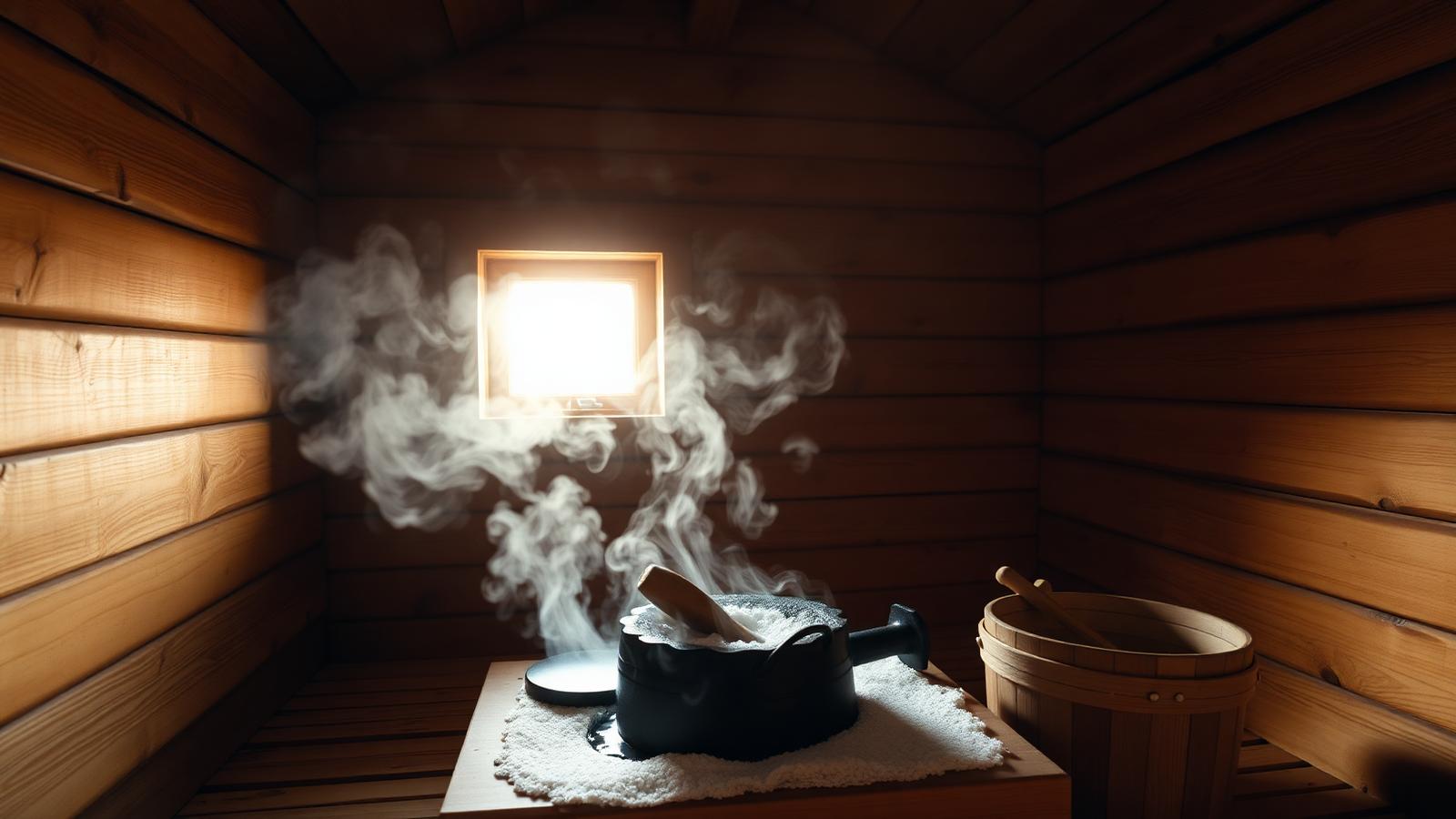
Four-to-seven sauna sessions a week is associated with a roughly 40% lower all-cause mortality risk in Finnish men. Here is what the evidence actually says, the biological mechanisms, and how to use heat therapy safely.
If a pharmaceutical company announced a drug that lowered all-cause mortality by 40%, reduced fatal cardiovascular events by 50%, cut Alzheimer's incidence by 65% and improved cardiorespiratory fitness, the share price would 10x overnight. That is roughly the effect size attached to frequent sauna bathing in the long-running Finnish KIHD cohort. The catch: it is not a drug, the data is observational, and most of the world treats sauna as a recovery luxury rather than a serious longevity intervention.
Here is the honest version of the evidence and how to use heat therapy well.
The Finnish data, in numbers The Kuopio Ischemic Heart Disease (KIHD) study followed roughly 2,300 middle-aged Finnish men for over two decades. The headline papers, led by Jari Laukkanen, repeatedly show a strong dose-response between sauna frequency and mortality:
- **4–7 sauna sessions per week** → 40% lower all-cause mortality and 50% lower fatal cardiovascular disease versus 1 session per week (Laukkanen et al., JAMA Internal Medicine 2015).
- **Frequent sauna use** → 66% lower dementia and 65% lower Alzheimer's incidence (Laukkanen et al., Age and Ageing 2017).
- **Sessions ≥19 minutes** → larger benefit than shorter sessions.
- Effects were independent of cardiovascular risk factors, socioeconomic status and physical activity.
This is observational data, so causation is not proven. But the dose-response is steep, the biological mechanisms are well characterised, and randomised trials of acute sauna exposure show genuine cardiovascular adaptations.
What heat actually does to the body A 20-minute Finnish sauna at 80–100°C produces a physiological state that looks remarkably similar to moderate aerobic exercise:
- Core temperature rises ~1°C.
- Heart rate climbs to 100–150 bpm.
- Cardiac output doubles.
- Plasma volume expands, and over weeks, stroke volume increases.
- Endothelial function (a measure of how well your blood vessels dilate) improves.
- Heat shock proteins (HSP70, HSP90) are upregulated — these are intracellular "molecular chaperones" that repair misfolded proteins, a process implicated in cardiovascular and neurodegenerative protection.
The hormonal and inflammatory response includes acute increases in growth hormone, norepinephrine and BDNF (brain-derived neurotrophic factor), with chronic reductions in inflammatory markers like CRP and IL-6. The mechanistic case for sauna as a hormetic stressor — small, repeated stress that triggers durable adaptation — is strong.
For a deeper review of the cardiovascular and cognitive mechanisms, the open-access paper by Laukkanen, Kunutsor and colleagues in Mayo Clinic Proceedings (2018)30275-1/fulltext) is the best single reference.
What we still do not know - Whether the Finnish results translate to other populations, body sizes and sauna styles. Most positive data is from traditional Finnish dry saunas at 80–100°C. - How infrared saunas (typically 45–60°C) compare. Mechanistically the cardiovascular signal is weaker because core temperature rises less, but they are still genuinely beneficial and easier to tolerate. - Whether the cognitive benefits are causal or a confounder of "people who sauna often are also socially active, not depressed and physically able". - Optimal frequency for women — the KIHD data is almost entirely male, although smaller cohorts in women show similar cardiovascular trends.
The practical protocol The dose-response in the Finnish data plateaus around 4–7 sessions per week. Most longevity-minded users target 3–4 sessions of 15–25 minutes at 80–90°C, with a clear protocol:
- **Hydrate first.** Drink 500 ml of water with a pinch of salt before the session. Expect to lose 0.5–1 L of sweat per 20 minutes.
- **Start short.** New users should begin at 10 minutes and add 2 minutes per session.
- **Cool off briefly between rounds.** A cold shower or 30–60 seconds of cold exposure between rounds enhances the vascular conditioning effect; if cold is uncomfortable, simply step out and let the body normalise.
- **Pair with training.** Post-workout sauna amplifies plasma volume expansion and may improve endurance adaptations. Sauna on rest days for recovery.
- **Avoid alcohol within 4 hours.** A meaningful fraction of sauna-related deaths in Finland are attributed to alcohol, not heat.
- **Time it away from sleep.** Sauna 2–3 hours before bed: the post-session drop in core temperature improves sleep onset. Sauna within 30 minutes of bed often does the opposite. See our sleep architecture guide for the wider protocol.
Who should be careful Anyone with unstable cardiovascular disease, recent myocardial infarction, severe aortic stenosis or uncontrolled arrhythmia should not sauna without clinician approval. Pregnancy, recent concussion and severe orthostatic hypotension are also reasons to hold off. The acute cardiovascular load is real — that is why it works — but it is meaningful.
Read the disclaimer before changing your routine.
Where sauna fits in a longevity stack Sauna is one of the highest evidence-to-effort interventions available. It pairs naturally with:
- **Zone 2 cardio and VO2 max training** — see our zone 2 guide.
- **Sleep optimisation** — heat exposure earlier in the evening drives deeper slow-wave sleep.
- **Mitochondrial supplementation** — both heat and compounds like urolithin A and NAD+ precursors trigger mitochondrial biogenesis; combining them is more than additive in animal models.
- **Cardiovascular biomarker tracking** — measure ApoB, blood pressure and resting heart rate before and after a 12-week consistent sauna block. See our ApoB guide for the rationale.