Demystifying Peptide Protocols: A Guide to
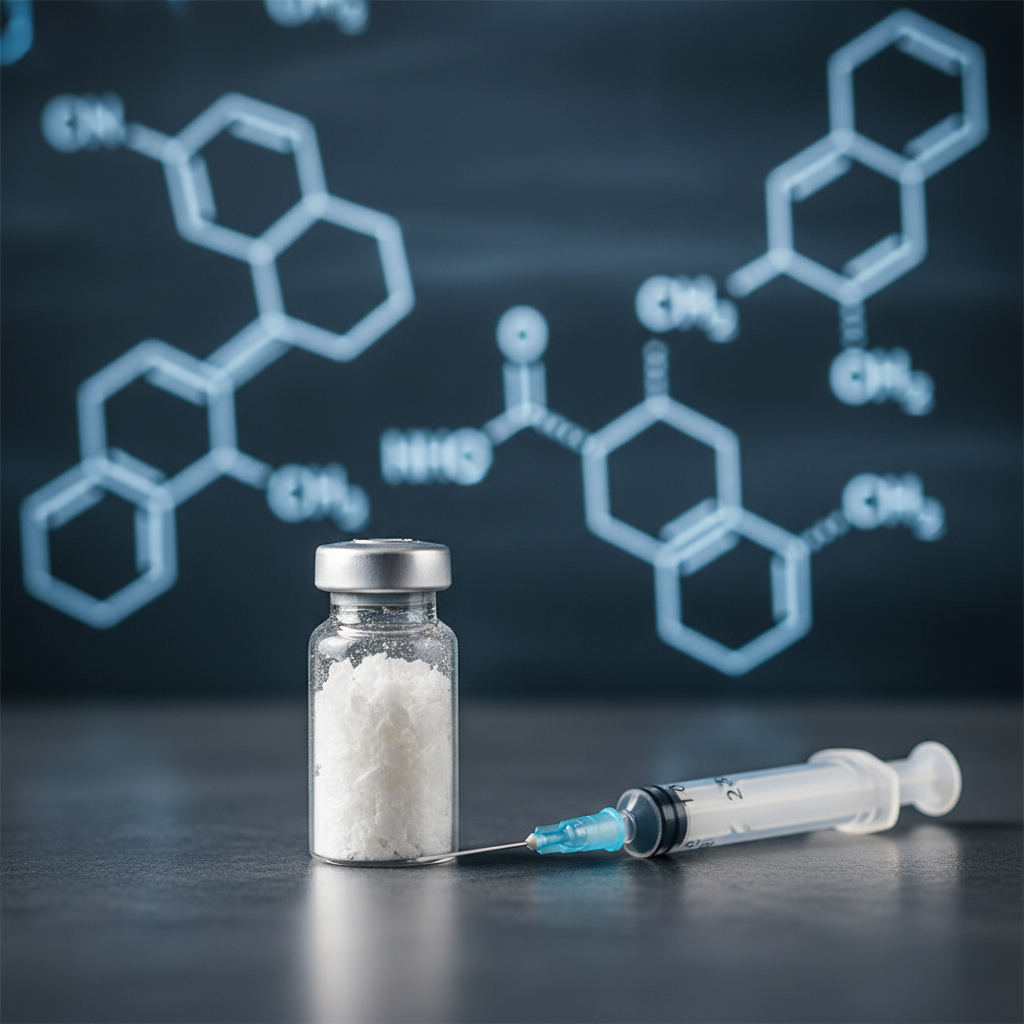
Peptide protocols involve strategic use of specific peptides to achieve targeted physiological outcomes, from tissue repair to metabolic optimisation.
In the burgeoning field of longevity and health optimisation, peptide protocols have emerged as a sophisticated approach to targeting specific biological functions. Far from being a one-size-fits-all solution, a peptide protocol refers to a meticulously planned regimen involving the administration of one or more peptides, often in specific dosages, frequencies, and durations, to achieve a desired physiological outcome. These outcomes can range from enhanced tissue repair and improved metabolic health to cognitive augmentation and profound anti-ageing effects. The strategic selection and application of peptides fundamentally underpin the efficacy of such protocols.
Peptides, in essence, are short chains of amino acids, the building blocks of proteins. Unlike large, complex proteins, their smaller size often allows them to act as highly specific signalling molecules within the body. They can bind to cell surface receptors, modulate enzyme activity, or influence gene expression, thereby orchestrating a myriad of biological processes. The beauty of peptides lies in their specificity; each peptide typically has a precise target and a defined mechanism of action, which makes them attractive candidates for therapeutic interventions with potentially fewer off-target effects compared to broader pharmacological agents.
The development of a peptide protocol begins with identifying a specific health goal. Are you seeking to accelerate recovery from injury? Perhaps improve growth hormone secretion or modulate immune function? Once the objective is clear, research into the most appropriate peptides naturally follows. For instance, individuals looking to aid injury recovery might consider BPC-157 or TB-500 due to their roles in tissue regeneration and angiogenesis. For those focusing on growth hormone release, CJC-1295 Ipamorelin combinations are often explored. The nuanced understanding of each peptide's mechanism is crucial for designing an effective protocol.
The Fundamentals of Peptide Selection and Administration
Choosing the right peptide is the cornerstone of any successful protocol. This selection is typically driven by the desired physiological effect, supported by pre-clinical and, where available, clinical research. For example, Epitalon is often discussed for its telomerase-activating properties and potential anti-ageing effects, while Thymalin is known for its immunomodulatory actions. The scientific literature, including studies published on platforms like PubMed, provides invaluable insights into the therapeutic potential and safety profiles of various peptides.
Once a peptide or combination of peptides is selected, the next critical steps involve determining the appropriate dosage, route of administration, and frequency. Dosages are typically expressed in micrograms (µg) or milligrams (mg) and are often weight-dependent or based on established research parameters. Common routes of administration include subcutaneous injection, intramuscular injection, or transdermal application, with some peptides also available in oral or nasal spray formulations. The route impacts bioavailability and absorption kinetics, which are vital for efficacy.
- **Subcutaneous Injection:** The most common method for many peptides, allowing for slow, sustained release into the bloodstream. Sites include the abdomen or thigh.
- **Intramuscular Injection:** Used for peptides requiring faster systemic absorption or larger volumes.
- **Transdermal/Topical:** Less common for systemic effects, but used for localised treatments (e.g., GHK-Cu for skin regeneration).
- **Oral/Nasal:** Bioavailability can be significantly lower due to enzymatic degradation in the digestive tract or mucous membranes, but suitable for some specific peptides.
Frequency of administration can range from daily to several times a week, depending on the peptide's half-life, the desired cellular signalling, and the specific goal of the protocol. A peptide with a short half-life might require more frequent dosing to maintain adequate systemic levels, whereas longer-acting peptides can be administered less often. These details are rarely arbitrary and should ideally be informed by scientific data and, ideally, overseen by a knowledgeable healthcare professional.
Synergistic Peptides and Stacking Protocols
Advanced peptide protocols often involve 'stacking' – the simultaneous use of multiple peptides to achieve synergistic effects. This approach leverages the distinct mechanisms of action of different peptides to amplify a desired outcome or address multiple facets of a health challenge. For instance, combining a growth hormone-releasing peptide like CJC-1295 Ipamorelin with a tissue repair peptide such as BPC-157 might be considered by individuals seeking improved recovery and enhanced body composition. The rationale here is that improved growth hormone levels can support overall tissue health, while BPC-157 directly targets specific injury sites.
However, the combination of peptides in a stack requires a thorough understanding of their individual pharmacology and potential interactions. While peptides are generally well-tolerated, combining them without proper knowledge could lead to unforeseen effects or simply render the protocol less effective. This is where expert guidance becomes paramount, ensuring that the chosen combination is complementary and contributes positively to the overarching health objective. There are also considerations regarding the timing of administration for stacked peptides; sometimes they are administered together, at other times, spaced out to optimise absorption or effect.
Beyond peptides, some protocols might integrate other longevity strategies. For example, a peptide protocol aimed at metabolic health might be paired with time-restricted eating or specific supplements like berberine to further enhance insulin sensitivity and glucose regulation. This holistic perspective often yields the most robust and sustainable results, moving beyond isolated interventions to comprehensive health optimisation. Regular monitoring of biomarkers, such as blood work, is also essential during any peptide protocol to assess efficacy and safety.
Practicalities: Sourcing, Storage, and Safety Considerations
The integrity of a peptide protocol is heavily dependent on the quality and purity of the peptides used. Sourcing highly pure, pharmaceutical-grade peptides from reputable suppliers is non-negotiable. The market for peptides, unfortunately, includes many unregulated sources, and products from these can be contaminated, mislabelled, or of suboptimal purity, leading to ineffective or even harmful outcomes. Always verify third-party testing and ensure certificates of analysis (CoAs) are available.
Proper storage is equally critical for maintaining peptide stability and potency. Most peptides come in lyophilised (freeze-dried) form and require refrigeration. Once reconstituted with sterile bacteriostatic water, they typically have a limited shelf life and must be stored correctly, usually in a refrigerator, away from light and extreme temperatures. Failure to adhere to storage guidelines can lead to degradation, rendering the peptide inactive.
Safety is paramount when embarking on any peptide protocol. While many peptides have excellent safety profiles as demonstrated in research, their use in unregulated contexts or self-administration carries inherent risks. Common side effects, though generally mild, can include injection site reactions (redness, itching, swelling), temporary fatigue, or changes in appetite. More significant side effects are rare but underscore the importance of professional oversight. Semaglutide and Tirzepatide, for example, while highly effective for metabolic health, require careful monitoring due to potential gastrointestinal side effects and other contraindications.
It is strongly advised to consult with a qualified healthcare professional, ideally one experienced in peptide therapies, before initiating any peptide protocol. They can provide personalised guidance, help with proper dosing and administration techniques, and monitor your progress and safety. A note on this: Always discuss any new supplement or peptide protocol with a healthcare professional. See our /legal/disclaimer for more information.
Monitoring Progress and Adjusting Protocols
Effective peptide protocols are not static; they are dynamic and adaptive. Regular monitoring of progress is essential to determine if the peptide regimen is achieving the desired effects and to make necessary adjustments. This monitoring can involve various approaches:
- **Symptom Tracking:** Keeping a detailed log of physical sensations, energy levels, sleep quality, and any changes in the targeted health condition.
- **Biomarker Analysis:** Periodic blood tests to assess relevant biomarkers. For example, if the goal is improved growth hormone (GH) levels, IGF-1 (Insulin-like Growth Factor 1) levels can be monitored. For metabolic protocols, glucose, HbA1c, and lipid panels are crucial. Wearable technology can also provide valuable real-time data on sleep, activity, and heart rate variability, offering insights into overall physiological response.
- **Physical Assessments:** For goals related to body composition or athletic performance, objective measures such as DEXA scans, strength tests, or endurance metrics are invaluable.
Based on the data collected, a healthcare professional can intelligently modify the protocol. This might involve adjusting the dosage of a peptide, altering the frequency of administration, or even swapping one peptide for another if the initial choice isn't yielding the anticipated results. The duration of a peptide protocol also varies significantly, from short cycles (e.g., 4-8 weeks for injury recovery) to longer-term, cyclical approaches for anti-ageing or chronic condition management. The concept of 'pulsing' peptides (cycling on and off) is also explored to prevent receptor downregulation and maintain sensitivity.
The Future of Peptide Protocols in Longevity
Peptide research is an accelerating field, with new discoveries constantly expanding our understanding of these potent biomolecules. The future of peptide protocols in longevity medicine is bright, moving towards even more personalised and sophisticated applications. Advances in computational biology and AI are helping identify novel peptides, predict their mechanisms of action, and design highly targeted sequences with enhanced efficacy and safety profiles. You can explore how AI is being used in this area through our AI tools section.
Beyond existing peptides, ongoing research is exploring peptides that could address complex age-related diseases, modulate chronic inflammation, and protect against neurodegeneration. The integration of genomic and proteomic data will likely lead to tailor-made peptide protocols, where an individual's unique biological makeup dictates the precise peptide regimen. This move towards ultra-personalised medicine promises to unlock unprecedented potential for extending healthspan and promoting robust ageing. Furthermore, the development of more stable and orally bioavailable peptide formulations could revolutionise their accessibility and ease of use, moving them from niche therapies to mainstream longevity interventions.
### Bottom line
A peptide protocol is a carefully constructed strategy involving the precise application of specific peptides to achieve defined health and longevity outcomes. It requires meticulous attention to peptide selection, dosage, administration, and ongoing monitoring. While the potential benefits are significant, particularly in areas like tissue repair, metabolic health, and anti-ageing, paramount importance must be placed on informed decision-making, quality sourcing, and professional guidance. As research progresses, peptide protocols are set to become an even more powerful tool in the pursuit of enhanced healthspan and resilient longevity.