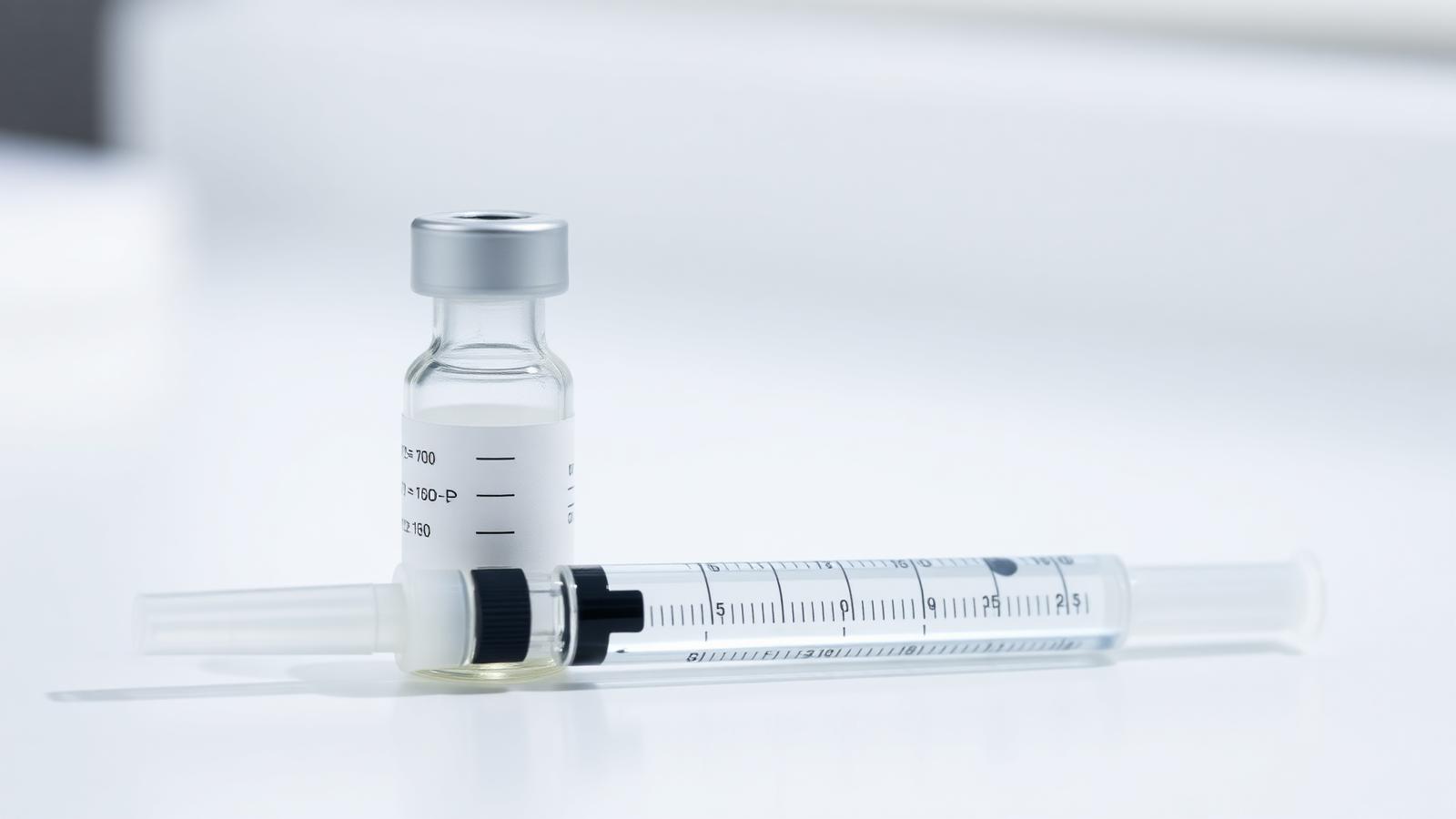
BPC-157 is one of the most-used recovery peptides on the planet. The human data is thin but mechanistically rich — here is what serious users need to know.
BPC-157 — body protection compound 157 — is a synthetic pentadecapeptide derived from a protective protein in human gastric juice. It has become the most-used recovery peptide in the longevity and performance world.
Why it matters for longevity
Chronic, unresolved tissue damage — micro-tears in tendons, leaky gut, vascular inflammation — quietly accelerates ageing. BPC-157 appears to accelerate repair across multiple tissue types, particularly tendon, ligament, gut lining and blood vessels.
What the evidence actually shows
- Strong rodent data across tendon, muscle, nerve and gut healing models
- Anecdotal but consistent human reports for tendinopathy and gut issues
- Mechanism: upregulates VEGF, modulates nitric oxide, supports growth factor expression
Practical dosing
Typical longevity-minded protocols use 250–500 mcg subcutaneously near the injury site or in the abdomen, once or twice daily for 4–6 weeks. Oral and acetate forms are popular for gut-focused use.
Stacking
BPC-157 pairs well with [TB-500 for deeper tissue repair](/peptides), [collagen peptides](/supplements), and a baseline of sleep, protein and zone 2 cardio. For gut-focused work, combining with [L-glutamine and a clean diet](/supplements) is standard.
The honest caveats
Human RCTs are limited. Source quality matters enormously. Work with a clinician, source from a reputable compounding pharmacy, and read our [legal disclaimer](/legal/disclaimer) before considering any peptide.
Bottom line
BPC-157 is one of the most promising recovery tools available — used carefully and short-term, it can dramatically accelerate return-to-training and resolve nagging soft-tissue issues.