BPC-157 Oral vs. Injectable: Optimising Tendon
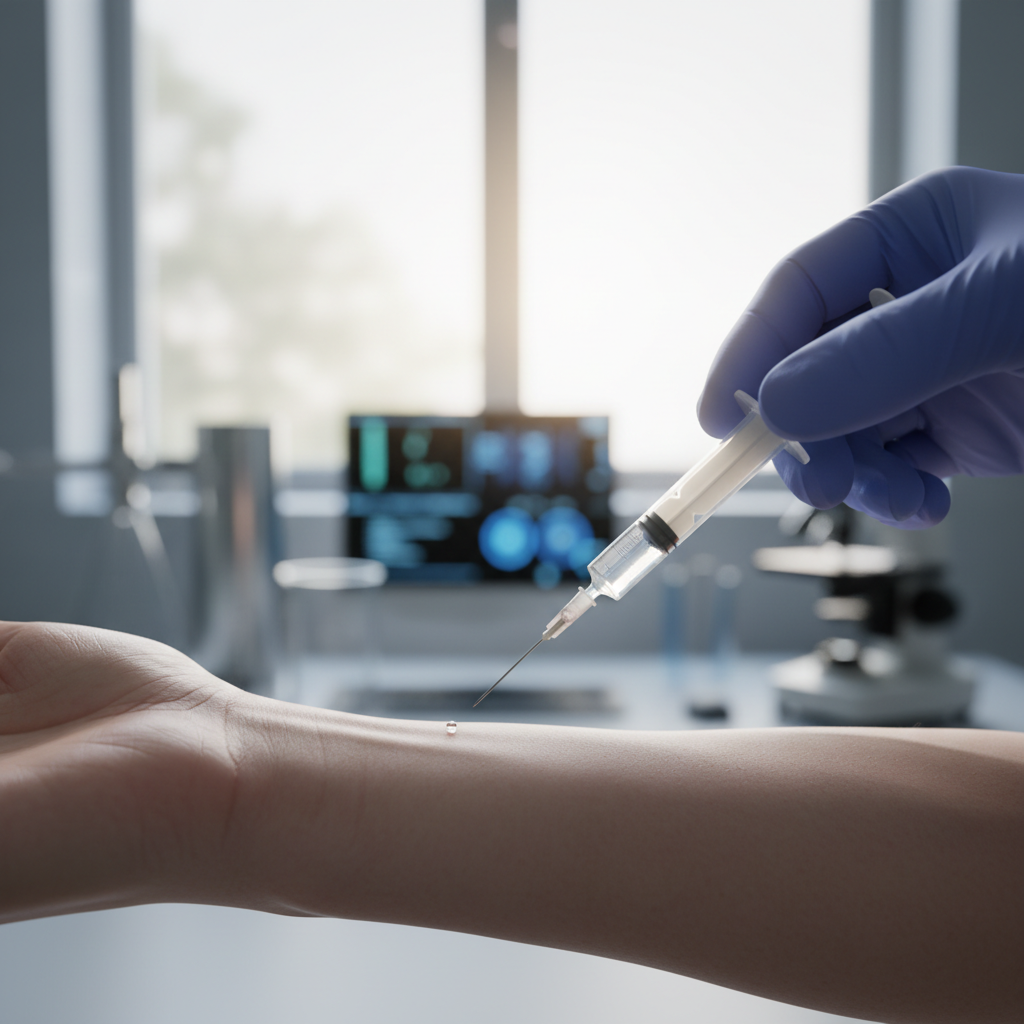
Delve into BPC-157's potential for tendon repair, contrasting the systemic effects of oral administration with the targeted impact of injections.
# BPC-157 Oral vs. Injectable: Optimising Tendon Healing Pathways
Tendon injuries, from acute ruptures to chronic tendinopathies, represent a significant challenge in sports medicine and general rehabilitation. Their notoriously slow healing process, often due to limited vascularity and low metabolic activity, can lead to prolonged pain, functional impairment, and recurrent issues. In the quest for accelerated and more complete recovery, various therapeutic strategies have emerged, with the peptide BPC-157 gaining considerable attention.
BPC-157 (Body Protection Compound-157) is a synthetically produced peptide comprising 15 amino acids, originally isolated from human gastric juice. Its broad spectrum of regenerative and cytoprotective properties has been extensively investigated, particularly in animal models, demonstrating potential for tissue repair across numerous physiological systems, including the musculoskeletal, gastrointestinal, and nervous systems. When it comes to tendon healing, BPC-157 has shown promise in enhancing fibroblast proliferation, improving collagen synthesis, and accelerating the formation of granulation tissue – all critical steps in the repair cascade.
However, a central question for clinicians, researchers, and individuals seeking to leverage BPC-157's benefits revolves around its optimal delivery method: oral ingestion versus injectable administration. This choice is not merely a matter of convenience; it fundamentally influences bioavailability, systemic distribution, targeted action, and ultimately, the efficacy for specific injury types, especially tendon repair. Understanding the nuanced differences between these routes is paramount for informed application and maximising therapeutic outcomes.
The Fundamental Mechanisms of BPC-157 Action
To appreciate the debate surrounding oral vs. injectable BPC-157, it's essential first to grasp its multifaceted mechanisms of action. BPC-157 is often described as a 'stable gastric pentadecapeptide' due to its remarkable stability in gastric acid and its pervasive protective effects throughout the body. Its influence on tendon healing is not singular but involves several key pathways:
* **Angiogenesis Promotion:** BPC-157 has been shown to induce the expression of growth factors such as vascular endothelial growth factor (VEGF), thereby promoting the formation of new blood vessels. Enhanced blood supply is crucial for delivering oxygen and nutrients to the injured tendon, a tissue often characterised by poor vascularity, thereby accelerating the healing process. * **Fibroblast Migration and Proliferation:** Tendons are primarily composed of collagen fibres, synthesised by fibroblasts. BPC-157 significantly stimulates the migration and proliferation of tendon fibroblasts, which are vital for producing new collagen and extracellular matrix components required for repair. * **Collagen Synthesis and Organisation:** The peptide positively influences the synthesis of collagen types I and III, key structural components of tendons. Furthermore, it appears to play a role in the proper organisation of these newly formed collagen fibres, which is critical for restoring the mechanical strength and integrity of the healed tendon. * **Anti-inflammatory Effects:** Chronic inflammation can impede tendon healing. BPC-157 exhibits potent anti-inflammatory properties, modulating inflammatory mediators and reducing oxidative stress, thereby creating a more conducive environment for repair. * **Growth Hormone Receptor Upregulation:** Some research suggests BPC-157 may interact with the growth hormone system, potentially upregulating growth hormone receptors. This could indirectly contribute to its anabolic and regenerative effects on connective tissues. For those interested in other peptides that interact with the growth hormone axis, consider exploring CJC-1295 Ipamorelin.
These combined effects underscore BPC-157's potential as a comprehensive therapeutic agent for tendon injuries, addressing multiple facets of the healing cascade. The question then becomes how best to deliver these benefits to the site of injury.
Injectable BPC-157: Targeted Delivery and Systemic Reach
Injectable administration of BPC-157 typically involves subcutaneous (SC) or intramuscular (IM) injection. This method is often favoured for its directness and perceived higher bioavailability compared to oral routes, particularly when a localised effect is desired. For tendon healing, injections offer several theoretical advantages:
* **Localised Concentration:** Administering BPC-157 directly into the vicinity of the injured tendon (peritendinous) or intramuscularly allows for a higher concentration of the peptide at the target site. This localised 'surge' of BPC-157 is hypothesised to provide a more potent regenerative signal directly where it is most needed, potentially accelerating local repair processes more efficiently. * **Bypassing First-Pass Metabolism:** Unlike oral ingestion, injectable BPC-157 bypasses the digestive system and hepatic first-pass metabolism. This ensures a greater proportion of the active peptide reaches systemic circulation intact, leading to higher overall bioavailability and predictability of dosing. While BPC-157 is known for its gastric stability, some degradation can still occur. * **Systemic Effects with Local Focus:** While targeting the injury, injectable BPC-157 will still enter the bloodstream and exert systemic effects. This means it can contribute to overall tissue repair, gut health, and anti-inflammatory actions throughout the body, complementing the local repair efforts. Research on BPC-157's systemic impact extends to various organ systems, highlighting its broad cytoprotective properties.
The primary drawback of injections includes potential discomfort, the need for sterile administration techniques, and the slightly higher risk of localised reactions at the injection site. However, for serious or persistent tendon injuries, the enhanced efficacy attributed to targeted delivery often outweighs these minor concerns.
Oral BPC-157: Systemic Benefits and Convenience
Oral BPC-157 typically comes in the form of capsules or solutions that are ingested. The appeal of oral administration lies primarily in its convenience and non-invasiveness, making it a more accessible option for long-term use or for individuals averse to needles. Despite its passage through the digestive tract, BPC-157 has demonstrated remarkable stability, allowing it to exert systemic effects. (PMID: 15303023)
* **Systemic Distribution:** Once absorbed from the gastrointestinal tract, orally administered BPC-157 distributes systemically throughout the body. This makes it particularly beneficial for conditions requiring broad-spectrum healing or protective effects, such as general gut health, systemic inflammation reduction, and overall tissue maintenance. For chronic tendinopathies that might have a systemic inflammatory component or widespread micro-trauma, a systemic approach could be advantageous. * **Gut-Tendon Axis:** Emerging research suggests a complex interplay between gut health and musculoskeletal integrity. By promoting gut healing and reducing intestinal permeability, oral BPC-157 could indirectly support tendon health by mitigating systemic inflammation and improving nutrient absorption, which are vital for repair. This systemic approach is also relevant for other health aspects, such as metabolic health, where compounds like berberine play a significant role. * **Ease of Use:** The convenience of taking a capsule or liquid orally can significantly improve patient adherence, especially for longer treatment durations. This is a practical consideration that can impact overall treatment success.
However, oral administration comes with potential limitations. While stable, the exact amount of BPC-157 that ultimately reaches the target tendon after first-pass metabolism and systemic distribution might be lower than with direct injection. This could mean that higher oral doses are required to achieve comparable local effects, or that its primary benefit for tendon healing is more supportive and systemic rather than intensely localised.
Tendon Healing: When to Choose Which Route?
The decision between oral and injectable BPC-157 for tendon healing is not absolute but depends on the nature of the injury, its severity, chronicity, and the desired therapeutic outcome.
* **Acute, Localised Tendon Injuries (e.g., partial tears, acute tendinitis):** For specific, well-defined tendon injuries where rapid, targeted healing is critical, **injectable BPC-157** (subcutaneous near the injury site or intramuscular in the affected region) is often preferred. The direct delivery aims to flood the injured area with the peptide, providing an immediate and concentrated regenerative stimulus. This approach is aligned with the need for aggressive intervention in acute scenarios to prevent chronicity.
* **Chronic Tendinopathies (e.g., Achilles tendinopathy, patellar tendinopathy):** Chronic tendon issues often involve significant degeneration, neovascularisation, and a persistent inflammatory response. Here, a dual approach or sustained systemic support might be beneficial. **Oral BPC-157** could be used to provide systemic anti-inflammatory and regenerative support, potentially addressing underlying factors that contribute to chronicity. This could be combined with occasional localised injections for acute flare-ups or particularly stubborn areas. Alternatively, some practitioners might opt for sustained oral BPC-157 with adjunctive therapies like resistance training or cold exposure to promote overall tissue remodelling.
* **Post-Surgical Tendon Repair:** Following surgery for tendon rupture, both local and systemic support are beneficial. **Injectable BPC-157** could be used peri-operatively to enhance initial healing and reduce scarring, while **oral BPC-157** could follow as a long-term adjunct to support overall recovery, manage inflammation, and improve tissue quality during the prolonged rehabilitation phase. The comprehensive regenerative support is invaluable during this critical period.
* **Prevention and Maintenance:** For athletes or individuals with a history of recurrent tendon issues, **oral BPC-157** might serve as a prophylactic measure. Its systemic protective and anti-inflammatory effects could help maintain tendon health, improve resilience, and potentially prevent future injuries. This falls into the broader category of healthspan optimisation, similar to the benefits seen with taurine or creatine for overall physical performance and cellular health. (See research on BPC-157 for ligament healing: PMID: 8871328)
It is crucial to note that while animal studies are abundant and compelling, human clinical trials specifically comparing oral vs. injectable BPC-157 for tendon healing are still limited. Most of the evidence for human application is anecdotal or extrapolations from broader BPC-157 research. Therefore, individual responses may vary, and consultation with a healthcare professional is always advised.
Combining Modalities and Synergistic Approaches
For optimal tendon healing, BPC-157 is rarely a standalone solution. It often forms part of a broader, multimodal treatment strategy. Combining oral and injectable BPC-157 could offer a synergistic approach, leveraging the targeted potency of injections with the systemic, sustained benefits of oral administration. For example, initiating treatment with a series of localised injections for a severe injury, then transitioning to oral BPC-157 for maintenance and systemic support during rehabilitation.
Beyond BPC-157, other peptides and supplements can complement the healing process. For instance, TB-500, another regenerative peptide, often works in conjunction with BPC-157 due to its distinct mechanisms of promoting cell migration and differentiation, particularly relevant for connective tissue repair. Supplements like collagen peptides (a general category) and Vitamin D are also crucial for musculoskeletal health and tissue regeneration.
Furthermore, essential components of tendon rehabilitation, such as progressive loading exercises, physical therapy, adequate nutrition, and sufficient rest, remain paramount. BPC-157 should be viewed as an adjunct that potentially accelerates and enhances the body's natural healing capabilities, rather than a magic bullet that negates the need for proper rehabilitation. (Nature review on tendon repair)
Safety Considerations and Future Outlook
As with any peptide or supplement, safety is a primary concern. While BPC-157 has a strong safety profile in animal studies, and anecdotal human reports generally suggest good tolerability, comprehensive human clinical trial data, especially long-term safety, is still emerging. Potential side effects are usually mild and localised (e.g., injection site pain). It's always advisable to source BPC-157 from reputable manufacturers to ensure purity and quality. Always consult with a qualified healthcare professional before starting any new supplement or peptide regimen.
For safety information regarding peptides and supplements, please refer to our /legal/disclaimer.
The future of BPC-157 in tendon healing likely involves more rigorous human clinical trials to establish definitive dosing protocols, administration routes, and efficacy for various types of tendon injuries. Advances in targeted delivery systems, such as hydrogels or sustained-release formulations, could also enhance its therapeutic potential, allowing for more precise and prolonged action at the injury site. As research continues to unfold, BPC-157 stands as a promising agent in the arsenal against challenging musculoskeletal injuries, offering hope for faster and more complete recovery.
Bottom Line
Both oral and injectable BPC-157 offer distinct advantages for tendon healing, and the optimal choice often hinges on the specific clinical scenario. Injectable BPC-157 provides targeted, high-concentration delivery, making it potentially superior for acute, localised injuries requiring intense regenerative signals. Oral BPC-157, on the other hand, offers systemic benefits, convenience, and supportive roles for chronic conditions, gut health, and general tissue maintenance. A combined approach, leveraging the strengths of each route, may offer the most comprehensive strategy for complex or persistent tendon issues. Regardless of the route, BPC-157 represents a compelling avenue for enhancing the body's intrinsic capacity for repair, especially when integrated into a holistic rehabilitation programme.
The ongoing research into BPC-157 and its applications continues to expand our understanding of its profound regenerative capabilities, solidifying its place as a key peptide in the pursuit of accelerated healing and improved healthspan.