Optimising Your Cold Plunge Protocol for Brown
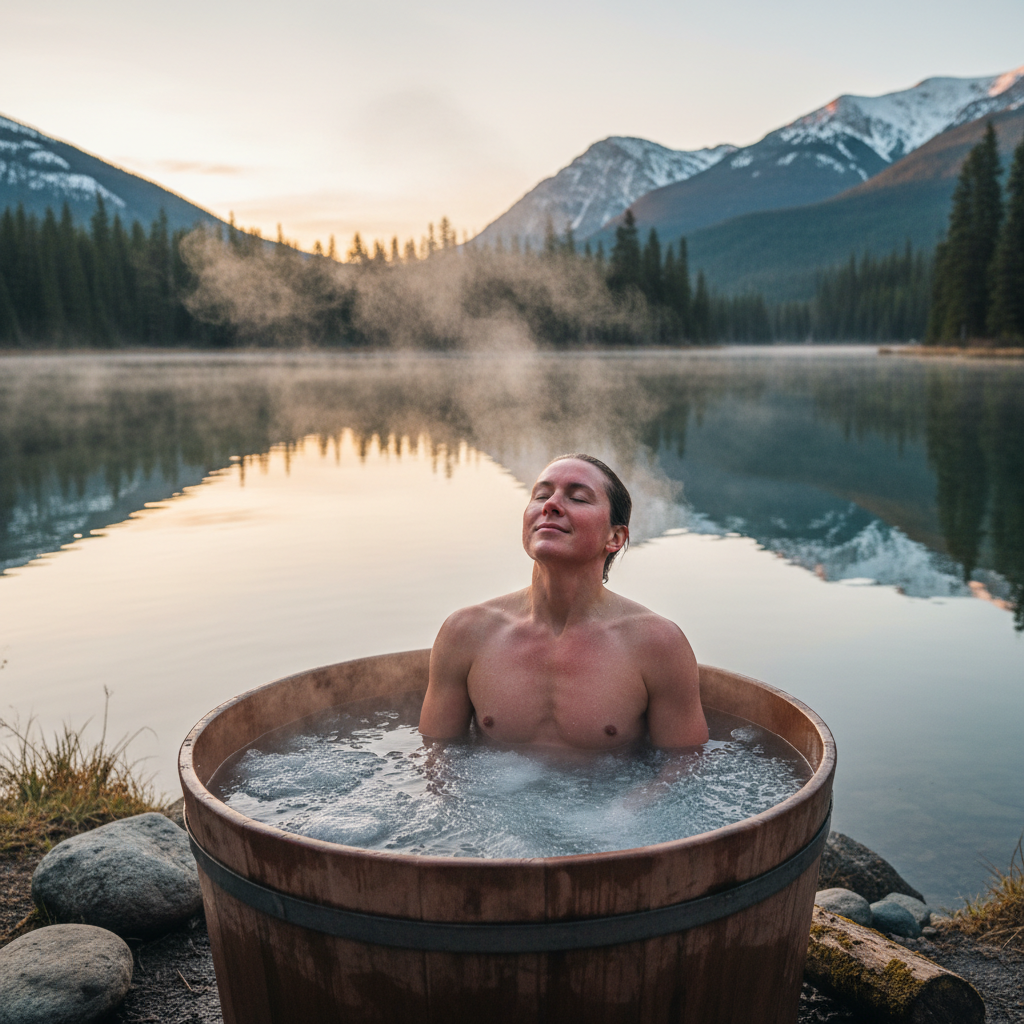
Discover how to implement an effective cold plunge protocol to stimulate brown fat thermogenesis and significantly improve your mental well-being.
# Optimising Your Cold Plunge Protocol for Brown Fat & Mood
Cold exposure, particularly via a dedicated cold plunge protocol, has transcended its niche status among biohackers and athletes to become a mainstream topic in health and longevity discussions. Beyond the initial shock and discomfort, a growing body of scientific evidence suggests that regular, controlled cold exposure can confer a multitude of physiological and psychological benefits, notably in the activation of brown adipose tissue (BAT) and significant improvements in mood regulation.
This guide delves into the mechanisms behind these benefits and provides an evidence-based framework for integrating a cold plunge protocol into your routine to maximise its impact on both brown fat activity and mental well-being. We’ll explore the optimal temperatures, durations, and frequencies, ensuring you can harness the full potential of this powerful practice safely and effectively.
The Science of Cold Exposure: Brown Fat Activation
Brown adipose tissue (BAT), often referred to as brown fat, is a specialised type of fat tissue unique in its primary function: non-shivering thermogenesis. Unlike white adipose tissue (WAT), which stores energy, brown fat burns calories to produce heat, a process vital for maintaining core body temperature, especially in cold environments. Neonates and hibernating animals possess abundant brown fat, but it was long believed to be negligible in adult humans. Recent imaging techniques, however, have confirmed its presence and metabolic activity in adults, predominantly around the neck, collarbone, spine, and kidneys.
The activation of brown fat is a key target for metabolic health improvement. When exposed to cold, the sympathetic nervous system stimulates brown fat cells to take up glucose and fatty acids from the bloodstream and metabolise them via uncoupling protein 1 (UCP1). This process generates heat rather than ATP, effectively increasing energy expenditure. Research has shown that individuals with higher brown fat activity tend to have a lower body mass index (BMI) and improved glucose and lipid metabolism.
Regular cold exposure, such as through a cold plunge, serves as a potent stimulus for brown fat recruitment and activation. Chronic exposure can lead to an increase in the amount and activity of brown fat, a phenomenon known as 'browning' of white fat or BAT thermogenesis. This adaptive response is a central mechanism by which cold therapy contributes to metabolic health and potentially to weight management.
Enhancing Mood and Mental Resilience with Cold Plunges
Beyond its metabolic effects, cold plunging has a profound impact on neurobiology and mood. The immediate response to cold immersion is a surge of norepinephrine, a neurotransmitter and hormone that plays a critical role in attention, focus, and mood. Studies have demonstrated that cold water immersion can increase norepinephrine levels by up to 5-fold, leading to enhanced alertness and a sense of invigorated well-being. This acute physiological stress response, when managed in a controlled environment, can train the body's stress response system, making individuals more resilient to everyday stressors.
Furthermore, cold exposure triggers the release of endorphins, natural pain relievers and mood elevators, contributing to the 'cold high' often reported by enthusiasts. Regular engagement with cold therapy has also been associated with reductions in symptoms of depression and anxiety. This is partly due to the vagal nerve stimulation that occurs during cold immersion. The vagus nerve is a crucial component of the parasympathetic nervous system, responsible for the 'rest and digest' response. Stimulating the vagus nerve can lead to a decrease in heart rate, improved heart rate variability (a marker of resilience), and a calming effect on the nervous system.
The psychological benefits extend to mental fortitude and discipline. Voluntarily enduring acute discomfort, even for a short period, builds mental toughness and self-efficacy. This practice of pushing past perceived limits can translate into greater resilience in other areas of life, fostering a sense of accomplishment and empowerment. This intentional stress inoculation is a powerful tool for cognitive optimisation.
Designing Your Optimal Cold Plunge Protocol: Temperature and Duration
The efficacy of a cold plunge protocol hinges critically on two primary variables: water temperature and duration of exposure. There is no single 'magic number,' as individual tolerance and desired outcomes vary. However, scientific literature provides valuable guidance.
**Temperature Range:**
* **Mild Cold (10-15°C / 50-59°F):** This range is an excellent starting point for beginners. It still elicits a strong physiological response, including norepinephrine release and brown fat activation, without being overly punitive. Studies suggest that even these temperatures can significantly increase metabolic rate. * **Moderate Cold (5-10°C / 41-50°F):** This is where most seasoned cold plungers operate. At these temperatures, brown fat activation is more pronounced, and the neurological benefits are amplified. Expect a more intense physiological shock and a stronger mental challenge. * **Extreme Cold (0-5°C / 32-41°F):** Reserved for experienced individuals, this range delivers the most potent acute responses. While tempting to go colder, the risk of hypothermia and frostbite increases significantly. Always exercise extreme caution and never plunge alone at these temperatures.
**Duration of Exposure:**
* **Beginners:** Start with 30-60 seconds at a milder temperature. Focus on controlled breathing and acclimatisation. * **Intermediate:** Gradually increase to 2-3 minutes at moderate temperatures. The goal is consistent exposure, not prolonged suffering. * **Advanced:** Aim for 3-5 minutes at moderate to cold temperatures. Some protocols, like the Wim Hof Method, suggest longer durations, but these require advanced training and understanding of cold physiology. For brown fat activation and mood enhancement, consistent shorter durations are often more beneficial than infrequent, extreme sessions.
The key is to find the minimum effective dose for *you*. Listen to your body. Shivering is a natural response, but uncontrollable shivering is a sign to exit the plunge. The 'afterdrop' phenomenon, where your body temperature continues to drop after exiting the water, is also important to consider. Gradually rewarm by air drying or light movement, avoiding hot showers immediately after, which can blunt the adaptive response.
Frequency and Timing: Integrating Cold Plunges into Your Week
The benefits of cold plunging are cumulative, meaning consistency is more important than sporadic, extreme sessions. Establishing a regular frequency is crucial for promoting brown fat adaptations and sustaining mood improvements.
**Frequency:**
* **Beginner:** 2-3 times per week. This allows the body to adapt without overstressing the system. It's enough to start noticing benefits. * **Intermediate/Advanced:** 4-5 times per week. Many find daily practice highly beneficial for mental clarity and energy. However, ensure adequate recovery time between sessions, especially if combining with intense resistance training.
**Timing:**
* **Morning:** Many individuals prefer morning plunges. The acute norepinephrine boost can act as a powerful natural stimulant, enhancing alertness and focus for the day ahead. It's an excellent way to 'wake up' the sympathetic nervous system and set a positive tone for mental performance. * **Afternoon:** If you're using cold exposure primarily for metabolic benefits or to reset after a particularly stressful period, afternoon can work. Be mindful that the stimulating effect might interfere with sleep if done too close to bedtime. * **Post-Workout:** There's a nuanced discussion around cold plunging immediately after strength training. While cold can reduce inflammation and muscle soreness, some research suggests it might blunt hypertrophy signalling if applied too soon after a heavy session. If your primary goal is muscle gain, consider delaying your cold plunge by several hours or opting for milder temperatures and shorter durations post-workout, or perform cold plunges on non-training days. For endurance athletes, post-workout cold exposure can aid recovery.
Consider your individual schedule and goals when determining the best timing. Experimentation and self-observation are key here. You can also track your progress using wearables to see how cold plunges affect your heart rate variability (HRV) and sleep quality.
Practical Steps and Safety Considerations
Before embarking on any cold plunge protocol, it is paramount to prioritise safety. While generally safe for most healthy individuals, certain conditions warrant caution or medical consultation.
**Who Should Exercise Caution:**
* **Cardiovascular Conditions:** Individuals with heart disease, high blood pressure, or a history of stroke should consult a doctor. The sudden cold can cause vasoconstriction and an acute increase in heart rate and blood pressure. * **Raynaud's Phenomenon:** This condition causes blood vessels in the extremities to narrow in response to cold, leading to pain and numbness. * **Diabetes:** Individuals with diabetes, especially those with neuropathy, should be cautious as cold can affect circulation and sensation. * **Pregnancy:** Pregnant individuals should consult their healthcare provider before engaging in cold exposure.
**Getting Started:**
1. **Consult Your Doctor:** Especially if you have any pre-existing health conditions. 2. **Start Gradually:** Begin with cold showers to acclimatise your body to cold water. Even a 30-second cold blast at the end of a warm shower can be beneficial. 3. **Ensure Safe Environment:** If using an ice bath or dedicated cold plunge, ensure it's stable and you can easily enter and exit. Never plunge alone, especially when starting out or experimenting with colder temperatures. 4. **Breathing is Key:** The initial cold shock can trigger a gasp reflex. Focus on slow, deep, controlled breathing from your diaphragm. This helps activate the parasympathetic nervous system and manage the physiological response. 5. **Listen to Your Body:** If you feel dizzy, severely uncomfortable, or experience uncontrollable shivering, exit the water. Your body's signals are paramount. 6. **Rewarming:** After exiting, resist the urge for an immediate hot shower. Instead, towel dry quickly, move around, or put on warm layers. This allows your body to rewarm naturally, prolonging the brown fat activation and adaptive response. This process is part of the cold exposure benefit.
Beyond the Plunge: Complementary Strategies for Brown Fat & Mood
While a structured cold plunge protocol is highly effective, its benefits can be amplified by integrating other lifestyle strategies that support brown fat activation and mood regulation. Longevity is a holistic endeavour, and synergistic practices often yield superior results.
**Dietary Considerations:**
* **Spicy Foods:** Capsaicin, found in chilli peppers, can activate transient receptor potential vanilloid 1 (TRPV1) channels, which may stimulate brown fat and increase thermogenesis. * **Polyphenols:** Compounds like resveratrol (found in red wine, blueberries) and catechins (in green tea) have been studied for their potential to promote brown fat activity and 'browning' of white fat. * **Intermittent Fasting / Time-Restricted Eating:** Periods of fasting can enhance metabolic flexibility and potentially contribute to brown fat activation. This aligns well with a time-restricted eating approach.
**Exercise and Movement:**
* **Zone 2 Cardio:** Consistent, moderate-intensity cardiovascular exercise like Zone 2 cardio improves mitochondrial function and overall metabolic health, creating a more robust environment for brown fat activity. * **Resistance Training:** Building muscle mass increases overall metabolic rate and can indirectly support energy expenditure, complementing the thermogenic effects of brown fat.
**Mind-Body Practices:**
* **Meditation and Mindfulness:** These practices enhance stress resilience and improve mood regulation, complementing the neurological benefits of cold exposure. They also improve vagal tone, a key aspect of cold therapy. * **Breathing Exercises:** Techniques like diaphragmatic breathing, as practiced in disciplines like yoga and the Wim Hof Method, directly influence the autonomic nervous system, helping to manage stress and improve mental state.
By weaving these complementary strategies into your routine alongside your cold plunge protocol, you create a powerful synergy that targets brown fat activation and mood enhancement from multiple angles. For personalised guidance, consider exploring AI tools for longevity that can help analyse your current habits and suggest optimisations.
Bottom line
Implementing a well-structured cold plunge protocol offers a scientifically validated pathway to activate brown adipose tissue, boost metabolic health, and significantly enhance mood and mental resilience. By understanding the optimal temperatures, durations, and frequencies, and by prioritising safety, individuals can harness the profound physiological and psychological benefits of cold exposure. Remember, consistency is key, and integrating complementary lifestyle practices will amplify these effects for a more robust and vibrant longevity journey.
*Please note: The information provided in this article is for informational purposes only and does not constitute medical advice. Always consult with a qualified healthcare professional before starting any new health protocol, especially if you have pre-existing health conditions or are taking medications. See our full /legal/disclaimer.*