Mastering Grip Strength: Your Longevity
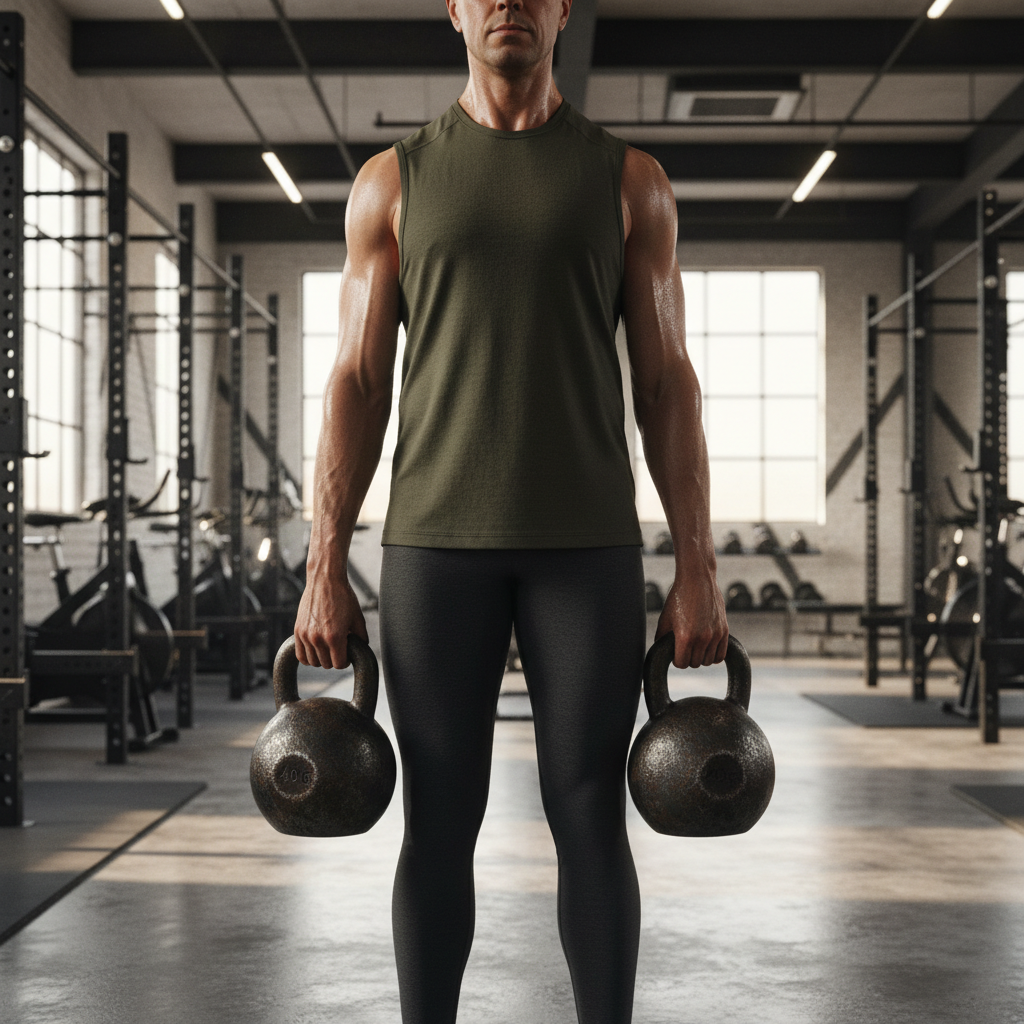
Grip strength isn't just about brawn; it's a powerful predictor of healthspan and longevity. Learn how to integrate targeted training into your routine.
# Mastering Grip Strength: Your Longevity Training Plan for a Longer Life
In the ever-evolving landscape of longevity science, certain biomarkers emerge as surprisingly potent predictors of health and lifespan. While advanced diagnostics like telomere length or epigenetic clocks garner significant attention, one remarkably simple, accessible, and actionable metric stands out: grip strength. Far from being a mere indicator of physical prowess, your ability to squeeze firmly and consistently has been shown to correlate strongly with overall health, cognitive function, and even all-cause mortality.
For years, grip strength was predominantly the domain of athletes and manual labourers. However, a growing body of epidemiological and clinical research has elevated its status to a crucial health marker. Studies consistently demonstrate that individuals with stronger grip tend to live longer, experience fewer chronic diseases, and maintain better functional independence in old age. This isn't a mere correlation; strong grip strength is increasingly understood as an integral component of a robust, resilient physiological system.
This article will delve into the profound significance of grip strength as a longevity biomarker, exploring the mechanisms behind its predictive power. More importantly, we will provide a comprehensive, evidence-based training plan designed to improve your grip strength, thereby enhancing your overall healthspan and contributing to a longer, more vibrant life. This isn't about becoming a competitive powerlifter; it's about integrating strategic, effective exercises into your routine to optimise a fundamental aspect of human function that directly impacts your longevity.
Why Grip Strength Matters for Longevity
The link between grip strength and longevity might seem tenuous at first glance. After all, how can the strength of your hand possibly predict how long you live? The answer lies in what grip strength represents: a holistic indicator of muscular strength, neuromuscular integrity, and overall physiological reserve. It's a proxy for systemic health rather than just a measure of hand muscle power.
Research has consistently shown an inverse relationship between grip strength and all-cause mortality. A meta-analysis published in *The Lancet* analysed data from nearly 500,000 individuals, concluding that a decrease in grip strength was associated with an increased risk of all-cause mortality and cardiovascular disease. This isn't just about the elderly; these associations hold across various age groups, suggesting that maintaining or improving grip strength at any stage of life can confer significant health benefits.
Beyond mortality, grip strength is linked to a multitude of health outcomes:
* **Cardiovascular Health:** Weaker grip strength is associated with higher risks of heart attack and stroke. It's believed to reflect overall vascular health and the integrity of muscle tissue throughout the body. * **Cognitive Function:** Studies have found a correlation between stronger grip and better cognitive function, including memory, processing speed, and executive function. This connection might stem from shared underlying mechanisms, such as vascular health or systemic inflammation. * **Metabolic Health:** Individuals with greater grip strength tend to have a lower prevalence of metabolic syndrome, better insulin sensitivity, and reduced risk of type 2 diabetes. This aligns with the broader benefits of resistance training on metabolic health. * **Bone Density:** Maintaining muscle strength, including grip, is crucial for preserving bone mineral density and reducing the risk of osteoporosis and fractures, particularly in later life. * **Functional Independence:** Perhaps most intuitively, robust grip strength is essential for daily activities – opening jars, carrying groceries, gripping tools. Preserving this capacity directly impacts quality of life and independent living as we age.
Grip strength, therefore, is not an isolated metric but a window into the body's overall physiological robustness. Improving it can reflect and contribute to enhanced health across multiple domains.
Understanding the Anatomy of Grip
To effectively train grip strength, it's essential to understand the musculature involved. Grip is not a monolithic action but a complex interplay of various muscles in the forearm, hand, and even upper arm. We typically categorise grip into three primary types:
* **Crushing Grip:** This is what most people think of – the ability to squeeze objects with your fingers towards your palm. It's crucial for things like shaking hands, crushing cans, or using pliers. Muscles involved include the flexor digitorum profundus and superficialis, flexor pollicis longus, and the intrinsic hand muscles. * **Pinch Grip:** The ability to hold an object between your thumb and fingers, without letting it touch the palm. This is vital for fine motor skills, picking up small items, or holding a heavy plate by the edge. The adductor pollicis, flexor pollicis brevis, and opponens pollicis are key players here. * **Support/Static Grip:** The ability to hang onto an object for an extended period, preventing it from slipping. Think of carrying heavy bags, hanging from a pull-up bar, or deadlifts. This involves significant recruitment of the forearm flexors (e.g., brachioradialis, flexor carpi radialis/ulnaris) and the finger flexors, along with core stability.
An effective grip strength training plan will address all three of these components, ensuring comprehensive development. Neglecting any one aspect can lead to imbalances and limit overall functional strength.
The Foundational Grip Strength Training Plan
This training plan is designed to be integrated into your existing fitness routine, rather than replace it. Aim for 2-3 sessions per week on non-consecutive days, allowing for adequate recovery. Consistency is paramount. As with any exercise programme, listen to your body and adjust intensity as needed. Remember to consult a healthcare professional before starting any new training regimen, especially if you have pre-existing conditions.
**1. Farmer's Carries (Support Grip, Overall Strength)**
* **How to:** Hold a heavy dumbbell or kettlebell in each hand, maintaining an upright posture with shoulders back and down. Walk for a set distance or time. The weight should be challenging enough that you feel your grip fatiguing but not so heavy that your form is compromised. * **Sets & Reps:** 3-4 sets, 30-60 seconds walk or 20-50 metres distance. * **Progression:** Increase weight, distance, or time. Consider using thicker-handled implements for an added challenge.
**2. Plate Pinches (Pinch Grip)**
* **How to:** Take two weight plates (preferably smooth ones for a greater challenge) and pinch them together with your fingers and thumb, facing the smooth sides outwards. Hold for as long as possible without letting them drop. You can also use a dedicated pinch grip block or adjust a barbell with a towel for a thicker pinch. * **Sets & Reps:** 3-4 sets, hold for 15-30 seconds per hand. * **Progression:** Increase plate weight, or try to hold for longer.
**3. Dead Hangs (Support Grip, Shoulder Health)**
* **How to:** Hang from a pull-up bar with an overhand grip, arms fully extended. Keep your shoulders packed down, not shrugging towards your ears. Allow your body to fully relax, letting gravity decompress your spine. This is excellent for both grip endurance and shoulder mobility. * **Sets & Reps:** 3-4 sets, hold for 30-90 seconds (or until grip failure). * **Progression:** Increase hold time. Once you can hold for 90 seconds comfortably, consider adding light weight with a dip belt.
**4. Barbell Holds/Static Rows (Crushing & Support Grip)**
* **How to:** Load a barbell with a challenging weight. Simply pick it up (as you would for a deadlift, but without the full movement) and hold it at arm's length for a set duration. Alternatively, if you're performing resistance training and doing rows, hold the top of the row for 2-3 seconds on each repetition. This recruits the crushing aspect more dynamically. * **Sets & Reps:** 3-4 sets, hold for 15-45 seconds for static holds. For rows, 3-4 sets of 8-12 reps with a 2-second isometric hold at the top. * **Progression:** Increase weight or hold time.
**5. Squeezing a Gripper or Tennis Ball (Crushing Grip)**
* **How to:** Use a hand gripper with adjustable resistance or a simple tennis ball. Squeeze firmly and slowly release. Focus on controlled movements rather than rapid squeezing. * **Sets & Reps:** 3-4 sets of 10-20 repetitions per hand. * **Progression:** Increase gripper resistance or move to a harder object to squeeze.
Advanced Techniques and Considerations
Once you've built a solid foundation, you can incorporate more advanced techniques to continue challenging your grip. Remember, variety is key to sustained progress and preventing plateaus.
* **Fat Gripz / Thick Bar Training:** Attaching Fat Gripz to barbells, dumbbells, or pull-up bars instantly increases the diameter, making every exercise significantly more challenging for your grip. This is a highly effective way to build crushing and support grip simultaneously. You can incorporate these into exercises like deadlifts, rows, pull-ups, and bicep curls. * **Towel Pull-ups/Rows:** Loop two towels over a pull-up bar and grip the ends. This intensely challenges your crushing and support grip due to the unstable nature of the towel. Similarly, you can use towels for rows with a cable machine or resistance bands. * **Rice Bucket Training:** Fill a bucket with rice and perform various hand and wrist exercises by digging your hands in and squeezing, opening, and rotating. This offers a unique form of resistance that targets the smaller intrinsic muscles of the hand and forearm, improving dexterity and endurance. Look for exercises like wrist rotations, hand squeezes, and finger extensions within the rice. * **Negative Only Holds:** For exercises like dead hangs or barbell holds, focus on the eccentric (lowering) phase. If you can't hold a dead hang for long, try to jump up and hold the top position (chin above bar) for as long as possible on the way down. This builds strength rapidly. * **Forearm-Specific Exercises:** While compound movements are excellent, direct forearm work can also be beneficial. Wrist curls (palms up) and reverse wrist curls (palms down) can build size and strength in the forearm flexors and extensors, contributing to overall grip stability.
Remember to prioritise proper form and avoid overtraining, especially in the initial stages. The small muscles of the hands and forearms can be prone to overuse injuries if not allowed adequate recovery. Consider incorporating mobility drills for your wrists and fingers to maintain flexibility and reduce injury risk.
For those exploring other avenues of longevity, consider how systemic improvements can also indirectly support grip strength. For example, maintaining optimal metabolic health through diet and exercise, ensuring adequate protein intake, and even exploring certain supplements like creatine, which is known to enhance muscle power, can all contribute to overall muscular strength, including grip.
Integrating Grip Training into Your Longevity Lifestyle
Optimising grip strength isn't just about adding a few exercises; it's about adopting a mindset that recognises its importance as a health marker. Beyond dedicated training sessions, look for opportunities to engage and strengthen your grip in daily life:
* **Carry groceries in your hands** instead of using a trolley for short distances. * **Open jars yourself** rather than asking for help. * **Hang from a bar** whenever you walk past one, even for short periods. * **Practice mindful gripping** during your regular resistance training – really squeeze the bar on deadlifts, rows, and pull-ups.
Consistency over time is far more effective than sporadic, intense bursts. Think of grip strength training as another facet of your comprehensive longevity strategy, alongside zone 2 cardio, adequate sleep, and a nutrient-dense diet. As you age, maintaining functional strength, including grip, becomes increasingly crucial for maintaining independence and quality of life. The proactive approach taken now will pay dividends for decades to come.
For those interested in exploring further, the National Institute of Health (NIH) provides extensive research on the correlation between grip strength and various health outcomes. A key study in the *Journal of the American Medical Association (JAMA)*, for instance, underscored grip strength as a powerful predictor of health and functional limitations in older adults. Furthermore, the UK Biobank, a large-scale biomedical database, has numerous publications highlighting grip strength's predictive power across a vast cohort: pubmed.ncbi.nlm.nih.gov/30438104/. For a broader perspective on the systemic effects of exercise, including resistance training, explore reviews on platforms like Nature: nature.com/articles/s41591-020-0902-x.
Bottom Line
Grip strength is a simple, yet profound, biomarker for longevity and overall health. Far from being a mere measure of physical power, it reflects systemic physiological robustness, impacting cardiovascular health, cognitive function, and functional independence. By consistently implementing a targeted grip strength training plan, you can significantly enhance your healthspan, reduce the risk of chronic disease, and maintain a higher quality of life as you age.
Integrate farmer's carries, dead hangs, plate pinches, and other grip-focused exercises into your routine, and watch as not only your grip improves but your overall resilience and vitality grow. This accessible and actionable longevity strategy offers a tangible path towards a longer, healthier existence.
*Disclaimer: Always consult with a healthcare professional before starting any new supplement or training regimen. See our full disclaimer at /legal/disclaimer.*