Mastering Grip Strength: Your Longevity
Grip strength is a powerful, yet often overlooked, predictor of healthspan and longevity. Learn how to integrate targeted training to improve yours.
# Mastering Grip Strength: Your Longevity Training Plan
In the ever-evolving landscape of health and longevity, certain biomarkers stand out as powerful predictors of our future healthspan. Among these, grip strength, often considered a mundane measure, has emerged as a surprisingly robust indicator of overall health, functional capacity, and even mortality risk. Far from being a mere feat of brawn, grip strength is a reflection of overall muscle mass, neural drive, bone density, and cardiovascular health. It's a barometer for sarcopenia (age-related muscle loss) and frailty, and a strong predictor of independence in later life.
Indeed, numerous studies have consistently demonstrated a strong inverse relationship between grip strength and all-cause mortality, cardiovascular disease, and disability. The implications are profound: if we can improve and maintain our grip strength, we might be actively enhancing our chances of living a longer, healthier, and more independent life. This article will delve into the science behind grip strength as a longevity biomarker and provide a comprehensive, actionable training plan to help you optimise this crucial metric.
The Unsung Biomarker: Why Grip Strength Matters for Longevity
The hand dynamometer, a simple device, provides a quick and non-invasive measure of a complex physiological trait. But why does the power of your handshake hold such sway over your health destiny? The answer lies in its nature as a 'proxy' marker. Grip strength isn't just about the muscles in your forearm; it's a window into your systemic health. It correlates strongly with:
* **Total Muscle Mass:** A decline in grip strength often mirrors a broader decline in skeletal muscle mass throughout the body, a hallmark of sarcopenia. Maintaining muscle mass is critical for metabolic health, mobility, and preventing falls. [Resistance Training] is a cornerstone of this. * **Bone Mineral Density:** Strong muscles exert tension on bones, stimulating bone remodelling and density. Lower grip strength can be indicative of lower bone density, increasing fracture risk. * **Neuromuscular Function:** Grip strength requires effective communication between your brain and muscles. A strong grip suggests robust neural pathways and motor unit recruitment. * **Cardiovascular Health:** Studies have linked lower grip strength to increased risks of heart attack and stroke, even after accounting for traditional cardiovascular risk factors. The exact mechanisms are still under investigation, but it may reflect overall vascular health and systemic inflammation. * **Inflammation and Oxidative Stress:** Poor grip strength has been associated with higher levels of systemic inflammation and oxidative stress, both drivers of age-related disease. For more on managing inflammation, consider exploring topics like [/supplements/omega-3]. * **Cognitive Function:** Emerging research suggests a correlation between grip strength and cognitive performance, particularly in older adults, though the causality is still being explored.
In essence, a weak grip isn't just a sign of weak hands; it's a red flag for systemic decline. Conversely, a strong grip suggests a body that is resilient, metabolically healthy, and functionally capable.
Assessing Your Grip Strength and Setting Goals
Before embarking on a training plan, it's essential to establish a baseline. The most common and accurate method is using a hand dynamometer. These are readily available online and at many gyms or health clinics. Perform three maximum effort squeezes with each hand, allowing for a short rest between attempts, and record your best score. Remember, consistency in technique is key for accurate comparison over time.
What's a 'good' grip strength? This varies by age, sex, and body size. However, generally accepted ranges for healthy adults are:
* **Men (20-69 years):** Average ranges from 40-55 kg. A score below 26 kg often indicates weakness and increased mortality risk. * **Women (20-69 years):** Average ranges from 25-35 kg. A score below 16 kg often indicates weakness and increased mortality risk.
Your goal isn't necessarily to become a competitive powerlifter, but rather to improve upon your baseline and, if you fall into the 'weak' category, to move firmly into the 'average' or 'strong' ranges for your demographic. Consistency in measurement, perhaps every 3-6 months, will allow you to track progress effectively.
The Longevity-Focused Grip Strength Training Plan: Principles
Improving grip strength for longevity isn't about isolated wrist curls. It's about a holistic approach that integrates various forms of grip work into a broader strength training regimen. The key principles are:
1. **Variety:** The hand and forearm comprise many small muscles with different functions (crushing, pinching, supporting). A varied approach targets all these aspects. 2. **Progressive Overload:** Like any strength training, you need to gradually increase the challenge over time to stimulate adaptation. 3. **Consistency:** Regular training is more effective than sporadic, intense sessions. 4. **Integration:** Incorporate grip work into your existing strength training routine rather than treating it as a completely separate entity. 5. **Recovery:** Allow sufficient rest for muscles to repair and grow.
Your longevity training plan should be built around these pillars, focusing on both direct grip exercises and compound movements that incidentally challenge grip.
Foundational Grip Strength Exercises
These exercises directly target the muscles of the forearm and hand, crucial for developing comprehensive grip strength.
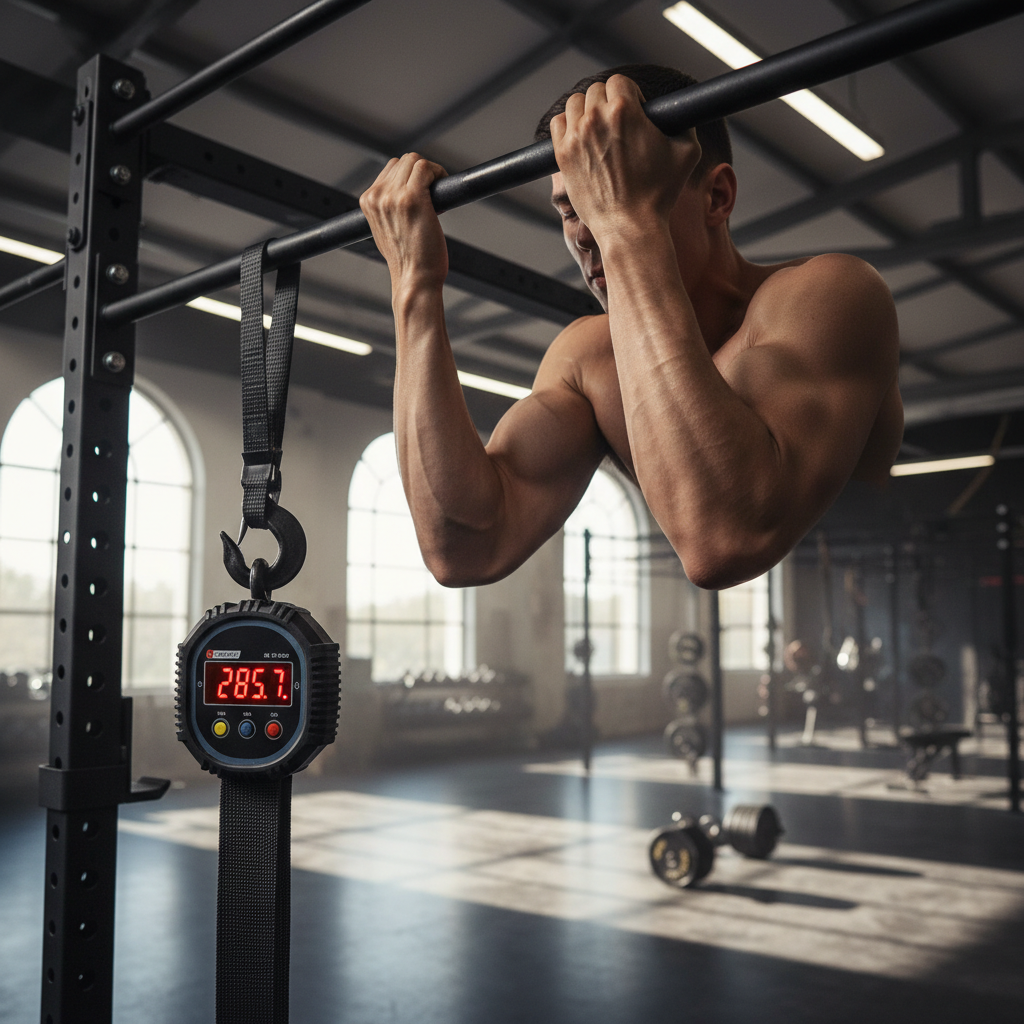
* **Dead Hangs:** Perhaps the simplest yet most effective grip exercise. Hang from a pull-up bar with an overhand grip for as long as possible. Focus on maintaining a full, active hang (shoulders packed down, not shrugging to your ears). Gradually increase hold time. Start with 3 sets of 30-60 seconds, progressing to longer durations or adding weight (e.g., holding a dumbbell between your feet) as you get stronger. * **Farmer's Walks:** An excellent full-body exercise that profoundly taxes your grip. Hold heavy dumbbells or kettlebells in each hand and walk for a set distance or time. Maintain good posture – chest up, shoulders back. Aim for 3-5 sets of 20-50 metres or 30-60 seconds. Progress by increasing weight or distance. * **Plate Pinches:** This targets the pinch grip, often neglected. Hold two weight plates together, smooth sides out, using only your thumb and fingers. Pinch them together and hold for time. Start with lighter plates and progress to heavier ones or more plates. 3 sets of 15-30 seconds. * **Barbell Holds:** Load a barbell with a challenging weight (e.g., 1.5-2x your body weight) and simply hold it off the rack for time, using an overhand grip. This builds crushing strength and endurance. 3 sets of 10-30 seconds. * **Towel Pull-ups/Rows:** Loop two towels over a pull-up bar or through a cable machine handle. Grip the towels and perform pull-ups or rows. The unstable, thick grip of the towel significantly increases the demand on your forearms. Aim for 3 sets of as many reps as possible.
These exercises should be incorporated 2-3 times per week, either at the end of your regular strength workouts or on separate 'grip-focused' days.
Integrating Grip Work into Your Broader Training
To maximise longevity benefits, grip strength should be an integrated component of your overall strength and [Training] regimen. Many compound exercises naturally challenge your grip, and by consciously focusing on it, you can further enhance its development.
* **Deadlifts:** The ultimate full-body exercise is also an unparalleled grip builder. As you lift heavier, your grip will become the limiting factor. Utilise a mixed grip (one hand over, one hand under) or hook grip (thumb tucked under fingers) to manage heavier loads, but also include sets with a double overhand grip to specifically challenge forearm strength. Avoid straps until absolutely necessary for your heaviest sets, and even then, limit their use. * **Pull-ups and Chin-ups:** These bodyweight staples require significant upper body and grip strength. Focus on holding the bar tightly throughout the movement. Vary your grip width and type (overhand, underhand, neutral) to work different hand and forearm muscles. * **Rows (Barbell, Dumbbell, Cable):** Similar to pull-ups, rowing movements engage your grip to hold the weight. Ensure you're squeezing the handle or bar firmly. * **Dumbbell and Kettlebell Carries:** Beyond Farmer's Walks, consider suitcase carries (one heavy weight in one hand) or overhead carries (one or two weights overhead). These challenge grip stability and core strength simultaneously. * **Fat Gripz / Barbell Wraps:** These simple tools can be added to barbells, dumbbells, and pull-up bars to increase the diameter of the implement, making it harder to grip. This forces your hand and forearm muscles to work harder, stimulating greater strength gains. Incorporate them into selected sets of your usual exercises like rows, bicep curls, or even pressing movements.
Remember to prioritise proper form over simply lifting heavier. A controlled, deliberate movement will yield better results and reduce the risk of injury. For specific guidance on building a comprehensive strength programme, refer to our guide on [/protocols/resistance-training].
Optimising Recovery and Preventing Injury
As with any intensive training, recovery is paramount. The small muscles of the forearms can be prone to overuse injuries if not given adequate rest. Ensure you:
* **Listen to Your Body:** If you experience pain, not just muscle fatigue, take a break. Persistent aches might indicate tendinitis or other issues. * **Warm-up Properly:** Before heavy grip work, perform light cardio and dynamic stretches for your wrists and forearms. Gentle wrist rotations, finger stretches, and light squeezing of a stress ball can prepare your hands. * **Cool-down and Stretch:** After training, gently stretch your forearms and wrists. Wrist extensions, flexions, and pronation/supination stretches can help maintain flexibility and reduce tightness. * **Nutrition and Hydration:** Support muscle repair and growth with adequate protein intake and overall balanced nutrition. Stay well-hydrated. * **Sleep:** Quality sleep is crucial for all aspects of recovery and muscle adaptation. Explore strategies for [Sleep Optimization] if you struggle in this area.
While specific supplements aren't directly marketed for grip strength, overall foundational supplements like [/supplements/creatine] can support muscle performance and recovery, which indirectly benefits grip strength development. Always consult with a healthcare professional before starting any new supplement regimen.
Beyond Strength: Lifestyle Factors for Longevity
While grip strength training is a powerful tool, it’s one component of a broader longevity strategy. To truly maximise your healthspan, consider integrating other evidence-based protocols:
* **Cardiovascular Health:** Regular [Zone 2 Cardio] is essential for heart health and systemic well-being. * **Metabolic Health:** Strategies like [/supplements/berberine] and [/protocols/time-restricted-eating] can support blood sugar control and insulin sensitivity, which are vital for healthy ageing. * **Inflammation Management:** Beyond Omega-3s, consider the benefits of [/supplements/spermidine] for cellular renewal and reducing inflammation. * **Bone Health:** Along with resistance training, ensuring adequate Vitamin D and Calcium intake is crucial. * **Stress Management:** Chronic stress can negatively impact nearly every physiological system. Techniques like mindfulness or meditation can be beneficial.
By weaving together these various threads – from targeted grip training to holistic lifestyle choices – you create a robust tapestry of health that supports a longer, more vibrant life. Remember, the goal is not merely to add years to life, but life to years.
Bottom line
Grip strength is far more than a simple measure of hand power; it is a critical, yet often overlooked, biomarker for overall health, functional capacity, and longevity. A strong grip correlates with robust muscle mass, better bone density, superior cardiovascular health, and reduced mortality risk. By implementing a consistent and varied grip strength training plan, incorporating both direct exercises like dead hangs and farmer's walks, and integrating grip challenges into your compound resistance training, you can significantly improve this vital metric.
Embrace the challenge of strengthening your grip not just for practical benefits, but as a proactive step towards a longer, healthier, and more independent life. Remember to prioritise recovery, listen to your body, and integrate this training into a holistic longevity strategy encompassing nutrition, sleep, and broader exercise. Your future self will thank you.
*Please note: The information provided in this article is for educational purposes only and should not be considered medical advice. Always consult with a healthcare professional before starting any new training programme or supplement regimen.* [/legal/disclaimer]