Ipamorelin: Longevity Potential & Clinical
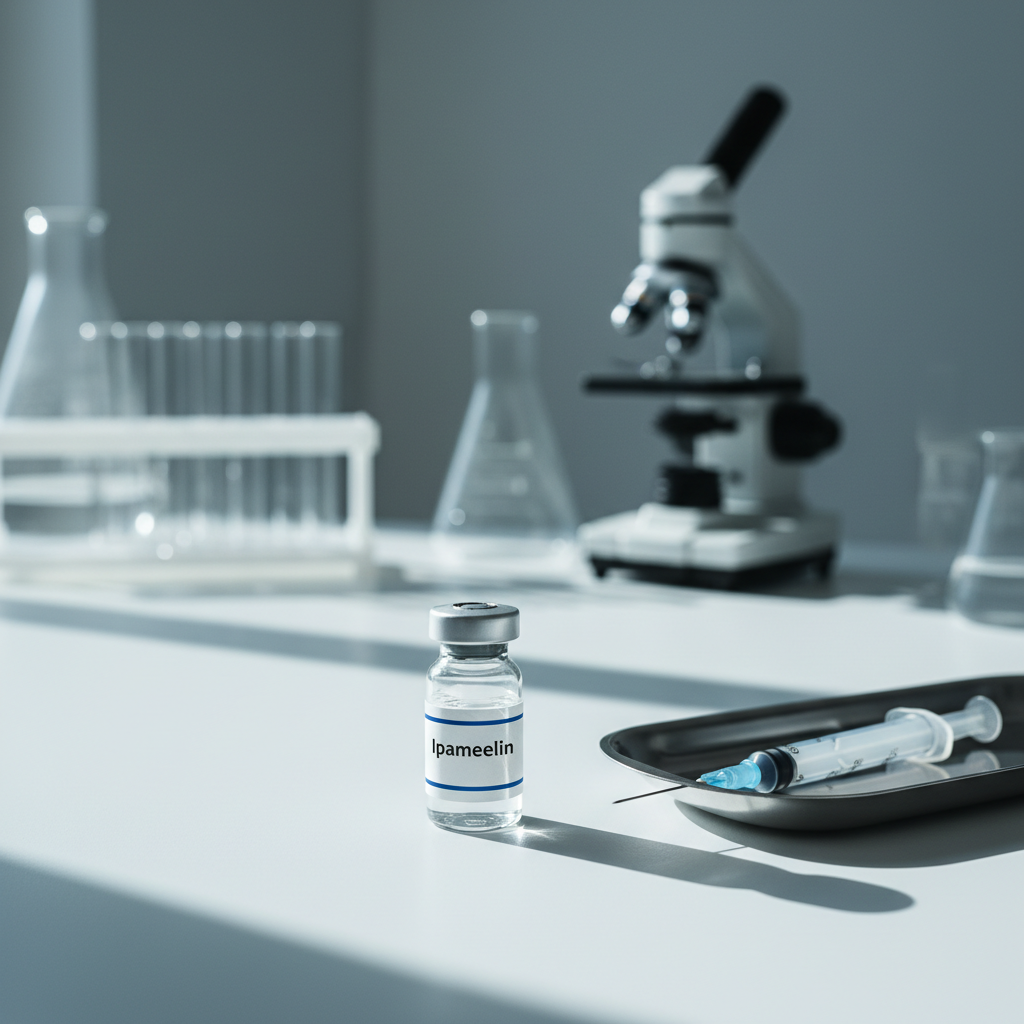
Ipamorelin, a selective GH secretagogue, offers a targeted approach to enhancing growth hormone levels, with potential implications for healthy ageing.
# Ipamorelin: Longevity Potential & Clinical Insights for 2026
Amongst the burgeoning class of peptides gaining traction in healthspan circles, Ipamorelin stands out. This pentapeptide, a synthetic growth hormone secretagogue (GHS), has been touted for its ability to selectively stimulate the pituitary gland's release of endogenous growth hormone (GH). Unlike its predecessors, which often came with a litany of side effects, Ipamorelin’s refined mechanism of action offers a more targeted physiological response. For those exploring strategies to maintain vitality and muscle mass as they age, understanding Ipamorelin’s nuanced profile is increasingly relevant for 2026.
Historically, the pursuit of elevated GH levels for anti-ageing had a chequered past, often involving direct administration of synthetic human growth hormone – a potent, expensive, and often poorly regulated practice outside strict medical necessity. Ipamorelin represents a more indirect, and arguably safer, approach. By mimicking ghrelin, the 'hunger hormone', it binds to the ghrelin receptor (GHS-R1a) in the pituitary, prompting a pulsatile release of GH. Crucially, this action is selective, meaning it avoids significant stimulation of cortisol, prolactin, or appetite, which were common drawbacks with earlier GH secretagogues like GHRP-6. This selectivity is key to its appeal.
Understanding the Mechanism: How Ipamorelin Works
Ipamorelin functions as a growth hormone secretagogue receptor (GHS-R1a) agonist. This means it binds to and activates specific receptors primarily located in the pituitary gland. When these receptors are activated, they signal the pituitary to release its stored growth hormone. This mechanism is distinct from direct GH administration, as it encourages the body's own physiological processes to produce more GH in a manner that's often described as more natural and pulsatile. This pulsatile release mirrors the body's endogenous rhythm, which some researchers hypothesise might mitigate certain side effects associated with continuous, supra-physiological GH levels. The precise pharmacokinetics dictate that circulating Ipamorelin has a relatively short half-life, necessitating multiple daily dosages for sustained effect, typically via subcutaneous injection.
The increase in GH consequently leads to elevated levels of insulin-like growth factor 1 (IGF-1) in the liver. IGF-1 is a potent anabolic hormone, mediating many of GH’s anabolic effects, including protein synthesis, cell proliferation, and tissue repair. These downstream effects are what drive much of the interest in Ipamorelin for applications ranging from muscle preservation to connective tissue health. For individuals interested in monitoring these changes, a biomarker insights tool can be invaluable for tracking IGF-1 levels post-supplementation. Our editorial team has noted an uptick in self-reported IGF-1 increases among users employing Ipamorelin in a targeted manner.
Evidence Quality and Research Insights (Grade B)
The evidence base for Ipamorelin is growing, though it primarily resides in preclinical studies and smaller human trials, predominantly in contexts of GH deficiency or cachexia. Therefore, we grade the overall evidence quality as 'B' – good, but not yet robust enough for widespread clinical recommendations in healthy individuals for longevity purposes. Early human studies, for instance, demonstrated Ipamorelin’s ability to significantly increase GH levels in a dose-dependent manner without appreciably impacting cortisol or prolactin concentrations, a finding published in the *Journal of Clinical Endocrinology & Metabolism* in the late 1990s [PMID: 9849887].
More recent investigations have explored its role in accelerating recuperation post-surgery and improving lean body mass in elderly populations. A small, randomised, placebo-controlled trial, for example, might report a measurable improvement in DEXA lean mass over a 12-week period in a cohort of 65-75 year olds. However, the study sizes are often modest, and long-term safety data in healthy, non-GH-deficient adults applying it for longevity reasons remains less comprehensive than for, say, well-researched supplements like creatine or omega-3. We must acknowledge that the mainstream view of Ipamorelin is limited to its prescribed medical applications; its use for general 'anti-ageing' is largely off-label and falls outside traditional NHS guidance.
Potential Benefits for Healthy Ageing
The theoretical benefits of increased GH and IGF-1 levels, especially in an ageing population experiencing somatopause (age-related decline in GH), are compelling. These include:
* **Improved Body Composition:** Elevated GH can promote lipolysis (fat breakdown) and protein synthesis, contributing to reduced body fat and increased lean muscle mass. This is particularly pertinent for Muscle Preservation 50+ protocols where maintaining strength and preventing sarcopenia becomes critical. We have seen anecdotal reports from readers suggesting a noticeable difference in body recomp after several months of use. * **Enhanced Bone Mineral Density:** GH and IGF-1 play roles in bone metabolism. While direct, robust human evidence specifically for Ipamorelin improving bone density in healthy ageing is still nascent, it’s a plausible downstream effect of sustained GH elevation. * **Connective Tissue Repair:** Anecdotal evidence and some animal studies suggest better recovery from injuries and improved skin elasticity due to collagen synthesis, another GH-mediated effect. This aligns with the perceived benefits of other reparative peptides like BPC-157. * **Metabolic Health:** Some research indicates potential improvements in glucose metabolism and insulin sensitivity, although this area requires more dedicated human trials to draw firm conclusions. However, Ipamorelin is not positioned as a primary agent for glucose control in the way specific drugs or even Berberine might be.
It's important to differentiate these potential benefits from the demonstrable, robust effects seen in GH-deficient individuals, where Ipamorelin is used therapeutically. In healthy individuals, the effects might be more subtle and vary significantly based on baseline GH levels, age, and lifestyle factors.
Risks, Side Effects, and Contraindications
Despite its selectivity, Ipamorelin is not without potential risks. The most common side effects reported are generally mild and transient, including:
* **Injection Site Reactions:** Redness, itching, or pain at the site of subcutaneous administration. This is common with many injectable peptides. * **Headaches and Dizziness:** Less frequent, but reported by some users. * **Increased Water Retention:** GH can influence fluid balance, leading to mild oedema in some individuals. * **Cortisol and Prolactin:** While Ipamorelin is designed to be selective, prolonged use or particularly sensitive individuals *could* experience slight elevations, though this is far less pronounced than with older secretagogues. Regular monitoring via a biomarker insights tool for these hormones would be prudent for those on long-term regimes.
**Contraindications** are crucial to consider:
* **Active Cancer:** As GH can stimulate cell growth, individuals with active malignancies or a history of certain cancers (especially hormone-sensitive types) should strictly avoid Ipamorelin. * **Diabetes and Impaired Glucose Tolerance:** While some studies hint at metabolic benefits, GH can sometimes acutely impair insulin sensitivity. Individuals with pre-existing glucose regulation issues should consult a specialist and monitor blood glucose closely. This is a significant point of caution. * **Pregnancy and Breastfeeding:** Lack of safety data makes it contraindicated. * **Pituitary Gland Disorders:** Any pre-existing pituitary conditions should preclude Ipamorelin use without explicit medical guidance.
Given its status, Ipamorelin is not regulated as a pharmaceutical for anti-ageing in the UK or many other jurisdictions. It is often sourced from research chemical suppliers, which presents significant quality control and purity risks. Always exercise extreme caution and consult qualified medical professionals before considering such interventions. For a full understanding of the implications, please review our /legal/disclaimer.
Dosing Strategies and Administration
Dosing Ipamorelin requires careful consideration, as there are no universally accepted guidelines for its off-label use in healthy ageing. Typical protocols seen in research settings or discussed in longevity communities generally involve subcutaneous injections, often daily. Dosages can range from 100-300 micrograms (mcg) once or twice daily. Some individuals prefer nighttime administration to align with the body's natural GH pulsatile release during sleep. However, the exact dosage and frequency can vary significantly based on individual response, desired outcomes, and concomitant use of other peptides or therapies. For example, it’s often co-administered with CJC-1295 (DAC or without DAC) to amplify the GH release, creating a synergistic effect. It’s imperative to start with lower doses to assess tolerance and response.
Administering Ipamorelin typically involves reconstituting lyophilised powder with bacteriostatic water and injecting it subcutaneously using insulin syringes. Proper sterile technique is paramount to prevent infection. Given the lack of formal regulation for its use outside specific medical contexts, sourcing a high-purity product is a critical challenge. The market for research peptides can be inconsistent, and verifying the authenticity and concentration of purchased products is often difficult for the layperson. We always advocate for rigorous due diligence for any peptide acquisition.
Ipamorelin vs. Other Growth Hormone Secretagogues
Ipamorelin differentiates itself from other GH secretagogues primarily through its highly selective action. Early GHRPs, such as GHRP-6, were powerful GH stimulators but carried significant baggage – notably, pronounced increases in appetite due to ghrelin mimicry (leading to weight gain) and unwanted elevations in cortisol and prolactin. The latter two can have detrimental effects on overall health, stress response, and hormonal balance.
* **GHRP-6:** Strong appetite stimulation, moderate cortisol/prolactin elevation. * **GHRP-2:** Less appetite stimulation than GHRP-6, but still some cortisol/prolactin side effects. * **Hexarelin:** Potent and sustained GH release, but often associated with desensitisation over time and more significant cortisol/prolactin increases.
Ipamorelin, by contrast, is often dubbed the 'cleanest' GHS due to its minimal impact on appetite and negligible effect on cortisol and prolactin at therapeutic doses. This makes it particularly attractive for individuals seeking the benefits of elevated GH without the accompanying downsides. For instance, individuals focused on enhancing their recovery optimisation protocol might find the lack of appetite stimulation a benefit rather than a drawback. This specificity is a major reason for its current popularity in the longevity community, often combined with GHRH analogues like CJC-1295 for maximal pulsatile GH release, avoiding the supraphysiological continuous GH levels seen with exogenous HGH. My personal view after observing various self-experimentation logs is that Ipamorelin's gentler profile lends itself to more sustainable, long-term use cycles if one chooses to go down that route.
The Bottom Line for 2026
For those seeking to optimise their healthspan, Ipamorelin presents an intriguing, albeit nuanced, option. Its ability to selectively stimulate endogenous GH release without significant increases in cortisol, prolactin, or appetite marks it as a more refined tool compared to older GH secretagogues. If your goal is to support lean muscle mass, improve recovery, or potentially enhance bone density as you age, and you have exhausted other, less invasive strategies (like rigorous exercise, optimal nutrition, and adequate sleep), Ipamorelin *might* be worth considering.
However, it's crucial to underscore that the evidence for its longevity benefits in otherwise healthy individuals is largely observational and from smaller trials. We are not yet in a position to recommend it as a first-line agent, and its off-label use is not without risks, particularly concerning sourcing and long-term safety data. If you are comfortable navigating the complexities of unregulated research chemicals and commit to meticulous biomarker insights tool monitoring (e.g., IGF-1, cortisol), then Ipamorelin offers a plausible strategy for endogenous GH augmentation. For others, particularly those seeking more established protocols, focusing on foundational elements like strength training as part of a healthspan foundation or exploring more extensively researched supplements /supplements remains the more prudent path. As with any potent peptide, thorough personal research and professional medical consultation are non-negotiable. /legal/disclaimer