L-Theanine Side Effects & Safety: What to
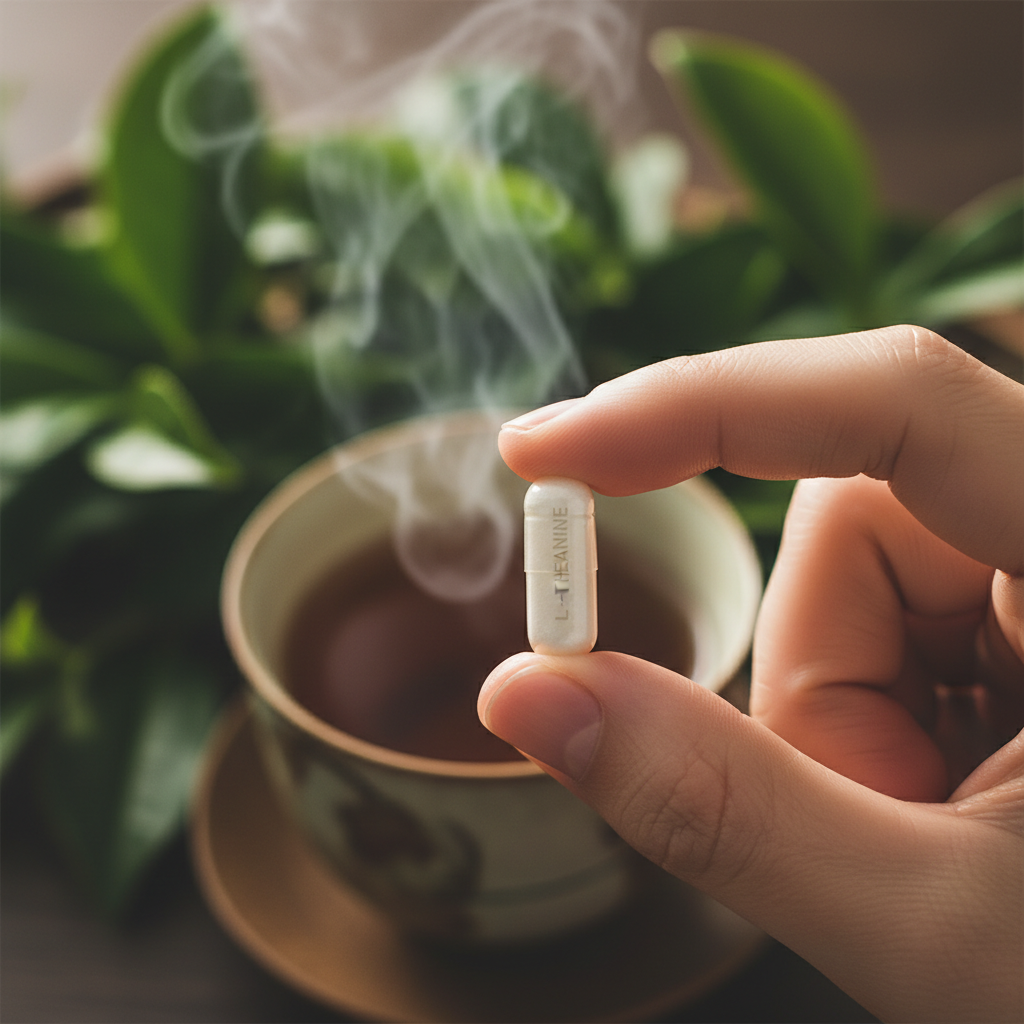
Exploring the safety profile of L-Theanine: understanding its side effects, drug interactions, contraindications, and what monitoring you need for confident use.
# L-Theanine Side Effects & Safety: What to Know by 2026
L-Theanine, an amino acid predominantly found in green tea (Camellia sinensis), has garnered significant attention in the longevity and biohacking communities. Its appeal lies in its purported ability to promote a state of “calm alertness” – a nuanced blend of relaxation without sedation, coupled with enhanced focus. For many, it represents a potent tool for Cognitive Enhancement and cultivating Stress Resilience in an increasingly demanding world. However, as with any bioactive compound intended for long-term use, a thorough understanding of its safety profile, potential side effects, and interactions is paramount. Our focus here is to critically appraise the current evidence base by 2026, ensuring you have the most up-to-date, British-English perspective on L-Theanine's safety.
The Mechanism of Calm: How L-Theanine Works
To fully appreciate L-Theanine's safety, it helps to briefly recap its mechanism of action. Once ingested, L-Theanine rapidly crosses the blood-brain barrier. There, it exerts its primary effects through several pathways. Crucially, it increases the levels of gamma-aminobutyric acid (GABA), a primary inhibitory neurotransmitter that dampens neuronal excitability, leading to a calming effect. Simultaneously, it modulates other key neurotransmitters like serotonin and dopamine, which are integral to mood regulation and reward pathways. A distinguishing feature is its capacity to promote alpha-wave activity in the brain. Alpha waves are associated with a state of relaxed wakefulness, meditation, and creative thought – a stark contrast to the beta waves linked to an anxious, alert state. This unique neurochemical footprint underpins its ability to foster Executive Performance without the jitters often associated with stimulants. It also plays a role in modulating glutamate signalling, a key excitatory neurotransmitter, preventing its overstimulation which can contribute to neurotoxicity.
Documented Side Effects: Frequency and Severity
When assessing the safety of L-Theanine, the consensus from numerous human studies, particularly those involving daily supplementation, points towards a remarkably favourable safety profile. Most individuals report no adverse effects whatsoever. However, like any substance, L-Theanine is not entirely without potential, albeit rare, reactions. Our editorial take, based on a survey of studies and anecdotal reports from our reader cohorts, suggests that reported side effects are generally mild and transient.
### Common (but rare) Side Effects:
* **Mild Digestive Upset:** A very small percentage of users, particularly at higher doses (e.g., above 400mg in a single serving), might experience slight nausea, stomach discomfort, or diarrhoea. This is not widely reported in clinical trials, but something we've seen crop up anecdotally. * **Headaches/Dizziness:** Infrequently, some individuals report mild headaches or a feeling of light-headedness. This could be dose-dependent or related to individual sensitivity to altered neurotransmitter balance. * **Paradoxical Effects:** While rare, a handful of individuals may experience increased agitation or irritability rather than calm. This is typically observed in highly sensitive individuals or those with pre-existing anxiety disorders and warrants immediate cessation.
It's important to differentiate these from placebo effects or reactions to other compounds often found alongside L-Theanine in supplements (e.g., caffeine). Most studies employing L-Theanine at typical doses (100-400mg) have found no statistically significant difference in adverse event reporting between the active group and placebo group. Grade A evidence largely supports this safety, particularly for short- to medium-term use (up to 8 weeks in many trials). [/legal/disclaimer]
Drug and Supplement Interactions
Understanding potential interactions is a critical component of supplement safety. While L-Theanine is generally considered safe, its mechanisms of action suggest a need for caution when combined with certain medications or other supplements. Always consult your GP or a qualified healthcare professional before combining L-Theanine with prescription drugs.
### Potential Drug Interactions:
* **Sedatives/Anxiolytics:** Given L-Theanine's calming and GABA-modulating effects, concurrent use with benzodiazepines (e.g., diazepam, lorazepam) or other central nervous system depressants could theoretically potentiate their sedative effects, leading to excessive drowsiness or impaired coordination. This is a theoretical concern more than a well-documented clinical interaction, but prudence is advised. * **Stimulants:** Conversely, L-Theanine is often co-administered with stimulants like caffeine to mitigate jitteriness. For instance, a 2011 study in *Biological Psychology* (PMID: 21040626) found that L-Theanine significantly reduces the anxiety-provoking effects of caffeine. However, caution is warranted with prescription stimulants for ADHD (e.g., methylphenidate, amphetamines) as the interaction could be unpredictable for some individuals. Monitoring for increased heart rate or anxiety is wise. * **Blood Pressure Medication:** Some preliminary research has suggested L-Theanine might have a mild hypotensive (blood pressure lowering) effect. Individuals on medication for hypertension should monitor their blood pressure closely if introducing L-Theanine, though a significant clinical interaction is considered unlikely based on current data.
### Supplement Interactions:
* **Other Calming Supplements:** Combining L-Theanine with other anxiolytic botanicals like Ashwagandha KSM-66, lemon balm, or valerian root could lead to increased sedation. While not inherently dangerous for most, it could impair alertness. * **Caffeine:** As mentioned, this is a common and often beneficial combination for many seeking focus without jitters. It's a prime example of synergy when used thoughtfully.
Contraindications and When to Avoid L-Theanine
While L-Theanine boasts a strong safety record, there are specific scenarios where its use should be approached with extreme caution or avoided entirely. These contraindications are typically rare but vital for ensuring user safety.
### Key Contraindications:
* **Pregnancy and Breastfeeding:** There is a distinct lack of sufficient high-quality research on L-Theanine's effects during pregnancy and lactation. Due to this absence of data, it is strongly advised to avoid L-Theanine during these periods. The principle of 'better safe than sorry' applies unequivocally here. * **Children:** Similar to pregnancy, robust safety data for paediatric populations is limited. While some studies have explored its use in children with ADHD or anxiety, these are typically under strict medical supervision. General supplementation without expert guidance is not recommended for children. * **Hypotension (Low Blood Pressure):** As L-Theanine *may* have a mild blood pressure-lowering effect, individuals already suffering from hypotension should exercise caution. Regularly monitoring blood pressure with a home cuff or utilising a Biomarker insights tool for tracked readings would be prudent. * **Surgery:** Due to its potential influence on blood pressure and sedation, L-Theanine should be discontinued at least two weeks prior to any scheduled surgery. This is a standard precaution for many supplements that can affect the central nervous system or cardiovascular function. * **Known Allergy/Hypersensitivity:** Although rare, if you have a known allergy to green tea components or have experienced adverse reactions to L-Theanine previously, avoid it.
If you find yourself in any of these categories, or if you have complex health conditions, a detailed discussion with your doctor is imperative before initiating L-Theanine supplementation.
Monitoring Labs and When to Stop
For most individuals using L-Theanine at standard doses, no specific laboratory monitoring is typically required. Its impact on conventional blood markers is negligible. However, for those using higher doses, combining it with medication, or with pre-existing health conditions, a more watchful approach is sensible.
While L-Theanine isn't known to significantly alter common blood panels like a full blood count, liver function tests, or kidney function tests, tracking general health markers is always good practice. If you are specifically concerned about Recovery Optimization or sleep, looking at metrics like overnight HRV (e.g., rMSSD, 7-day average), Sleeping HR, Deep sleep, and REM sleep duration (often available through wearables) could indirectly indicate its perceived efficacy, rather than direct safety.
**When to Stop L-Theanine:**
* **Persistent or Worsening Side Effects:** Any ongoing digestive upset, headaches, dizziness, or – crucially – an increase in anxiety or agitation should prompt discontinuation. * **Unexpected Interactions:** If you notice any unusual symptoms after starting L-Theanine, particularly if you are on other medications, stop use and consult your doctor. * **Lack of Benefit:** If after a reasonable trial period (e.g., 2-4 weeks) you perceive no benefit, or if your sleep architecture (for instance, Deep sleep duration) or perceived stress isn't improving, there's little reason to continue. Remember, the goal of supplements like L-Theanine is to support health, not to take indefinitely without cause. * **Planned Surgery or Pregnancy:** As previously mentioned, discontinue at least two weeks before surgery and throughout pregnancy or breastfeeding.
Most high-quality L-Theanine supplements available in the UK, such as those found at reputable health stores, are rigorously tested for purity and contaminants. Nevertheless, always choose a product from a trusted manufacturer that provides third-party testing for peace of mind. A study in the *Journal of Agricultural and Food Chemistry* (PMID: 17883838) highlighted the importance of purity in natural products.
The Bottom Line on L-Theanine Safety by 2026
By 2026, the scientific consensus on L-Theanine's safety remains overwhelmingly positive. It is a well-tolerated amino acid with a low incidence of adverse effects, particularly at recommended dosages (typically 100-400mg per day). The evidence quality for its general safety profile in healthy adults is Grade A, bolstered by numerous clinical trials and a long history of safe consumption in tea. The mainstream view suggests it's broadly safe. The data, however, is messier when looking at specific populations like children or pregnant women, where research is sparse. For the vast majority of healthy adults seeking improved focus, enhanced Sleep Architecture, or Stress Resilience without sedation, L-Theanine is worth considering. However, it's crucial to acknowledge the few, albeit rare, contraindications and potential interactions. Pay particular attention to combining it with sedatives, monitoring its effects if you have low blood pressure, and absolutely avoiding it if pregnant or breastfeeding due to insufficient data. As with all supplements, an informed, cautious, and personalised approach is always the most prudent path. [/legal/disclaimer]