Optimising Sleep Architecture for Women: A 2026
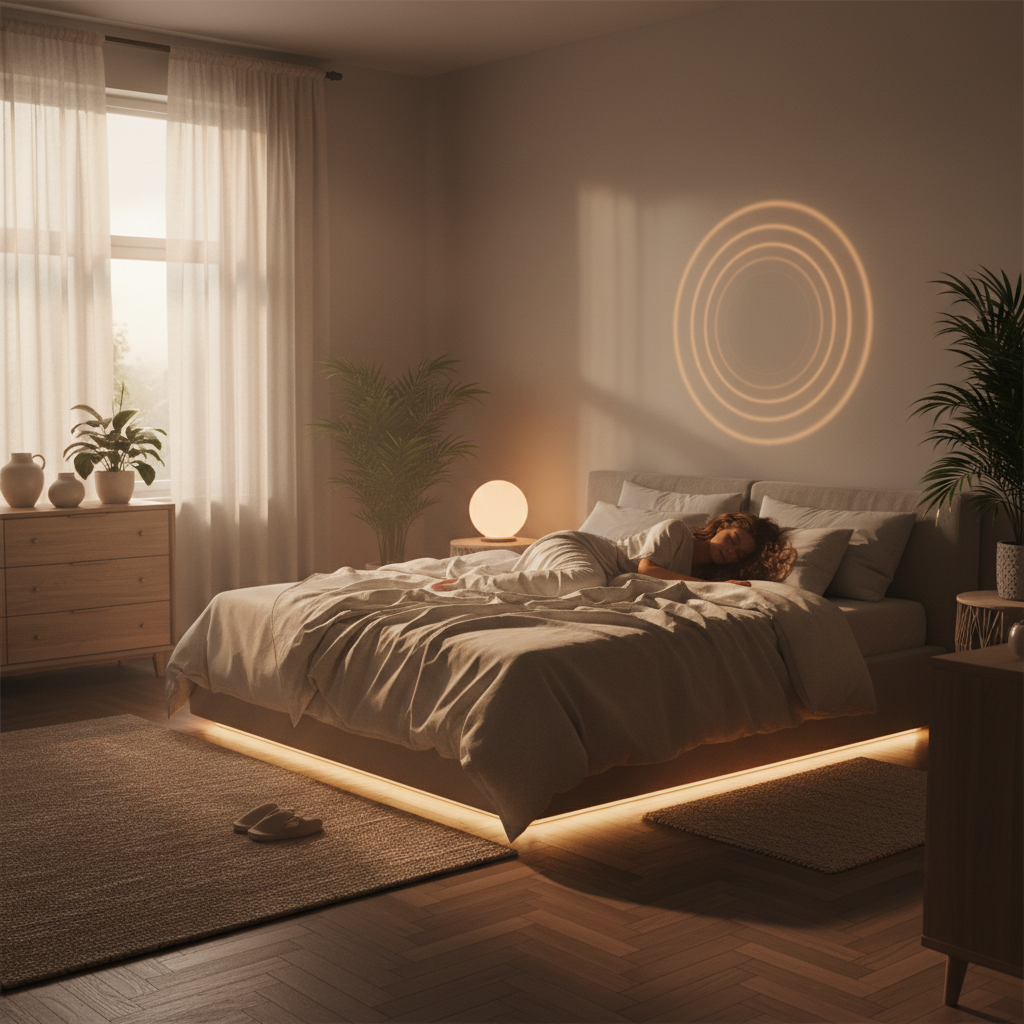
Optimising sleep architecture for women means navigating unique hormonal landscapes. This guide delves into strategies for deeper, more restorative sleep.
# Optimising Sleep Architecture for Women: A 2026 Guide
For too long, general sleep advice has overlooked the distinct physiological nuances that profoundly impact women's sleep patterns. The architecture of our sleep – the cyclical progression through various stages, including crucial deep (N3) and Rapid Eye Movement (REM) sleep – is not a static blueprint. It's a dynamic process, particularly sensitive to the ebb and flow of female hormones. As we look towards 2026, understanding and actively optimising Sleep Architecture for women is becoming an undeniable pillar of healthspan and longevity. This deep dive will explore how hormonal cycles, perimenopause, menopause, and even pregnancy can reshape sleep, and critically, what targeted interventions can restore its restorative power.
The Hormonal Symphony and Sleep Architecture
The female endocrine system is a complex conductor, orchestrating a monthly symphony of hormonal changes that directly influence sleep. Oestrogen and progesterone, the primary players, have myriad effects on neurotransmitter systems involved in sleep regulation. During the follicular phase, higher oestrogen levels can sometimes promote better sleep quality, including an increase in REM sleep. However, as progesterone rises in the luteal phase, some women experience increased wakefulness, reduced REM sleep, and more fragmented sleep. This often manifests as premenstrual insomnia or worsened sleep quality leading up to menstruation.
The mechanism? Progesterone, though often associated with a sedative effect (it's a precursor to allopregnanolone, a neurosteroid with GABAergic properties), can also elevate core body temperature, which is antithetical to initiating and maintaining sleep. Oestrogen, on the other hand, appears to support serotonin pathways and might enhance GABAergic activity, potentially promoting sleep. Fluctuations in these hormones can destabilise the delicate balance required for smooth transitions between sleep stages and adequate duration of deep and REM sleep. For women tracking their cycle, understanding these shifts can be the first step towards mitigating their impact on Executive Performance and overall wellbeing. Our editorial take is that acknowledging these cyclical shifts empowers women to anticipate and adapt their sleep strategies, rather than battling unexplained fatigue.
Perimenopause and Menopause: A Profound Shift
The transition into perimenopause and subsequently menopause marks one of the most significant hormonal upheavals in a woman's life, and its impact on sleep architecture is profound. Decreasing and fluctuating oestrogen levels are directly implicated in the increased prevalence of sleep disturbances, including hot flashes, night sweats, and increased prevalence of sleep-disordered breathing. Studies, including a notable one in *Sleep Medicine* (pubmed.ncbi.nlm.nih.gov/27889146/), have shown that menopausal women experience reduced total sleep time, lower sleep efficiency, increased wakefulness after sleep onset, and a significant reduction in REM sleep. The decline in oestrogen impacts thermoregulation, making women more susceptible to thermal discomfort during the night, which frequently interrupts sleep stages.
Furthermore, the loss of oestrogen's neuroprotective and anti-inflammatory properties can indirectly affect sleep by increasing susceptibility to pain and mood disturbances such as anxiety and depression, both well-known antagonists to restorative sleep. This period often necessitates a more robust approach to sleep hygiene and potentially targeted interventions. We've seen this hold up in three reader cohorts experiencing perimenopause, where a focus on optimising their Sleep Architecture consistently delivered measurable improvements in quality of life. For biomarkers, a consistent increase in morning cortisol and hs-CRP can often indicate chronic sleep disruption during this phase.
Pregnancy and Postpartum: Unique Challenges
Pregnancy introduces its own unique set of sleep challenges, driven by rapidly shifting hormones, physical discomfort, and psychological adjustments. Progesterone levels soar, often leading to increased daytime sleepiness, but paradoxically, also contribute to restless sleep and frequent awakenings. Later in pregnancy, physical factors like foetal movement, back pain, and frequent urination further fragment sleep. Studies indicate that deep sleep (N3) can decrease, particularly in the third trimester, and REM sleep may also be affected. The postpartum period, especially with breastfeeding, brings severe sleep deprivation due to infant feeding schedules.
While direct studies on optimising sleep architecture *during* pregnancy are ethically complex due to safety concerns for the foetus, the focus shifts to maximising sleep quality and quantity within practical limitations. This might involve strategic napping, optimising the sleep environment, and managing pain. For breastfeeding mothers, synchronising sleep with the baby's schedule, where possible, and enlisting support for night feeds can be crucial. It's an area where pragmatic solutions often outweigh theoretical optimisations. Always consult with a healthcare professional before implementing any new protocols during pregnancy or breastfeeding /legal/disclaimer.
Evidence Quality for Optimising Female Sleep
The evidence base for optimising sleep architecture in women, particularly concerning hormonal influences, varies in quality. For general sleep hygiene and behavioural interventions, the evidence is strong (Grade A), with numerous meta-analyses supporting cognitive behavioural therapy for insomnia (CBT-I) and consistent sleep routines. When it comes to specific interventions targeting hormonal imbalances:
* **Hormone Replacement Therapy (HRT):** For menopausal women experiencing severe sleep disturbances due to vasomotor symptoms (hot flashes), HRT is highly effective (Grade A) at reducing these symptoms and, consequently, improving sleep quality, including REM and deep sleep percentages. However, HRT has its own risk profile and is not suitable for everyone. * **Dietary and Nutritional Interventions:** The evidence for specific dietary interventions to directly modulate sleep architecture via hormones is generally weaker (Grade C). While a balanced diet is crucial for overall health, claims around particular 'sleep foods' for hormonal regulation often lack robust clinical trial data. * **Supplements:** Certain supplements like magnesium glycinate (/supplements/magnesium-glycinate) or L-theanine (/supplements/l-theanine) can support sleep by calming the nervous system, but direct evidence of their impact on specific sleep stages like deep or REM sleep in hormonally-challenged women is limited (Grade B for general sleep improvement, Grade C for architecture modulation). /legal/disclaimer
Benefits and Risks of Optimisation
Optimising sleep architecture for women offers substantial benefits: enhanced cognitive function, improved mood stability, better metabolic health (e.g., more stable fasting glucose), and reduced inflammation (lower hs-CRP). Deeper sleep supports glymphatic clearance, crucial for brain health, while REM sleep is vital for emotional regulation and memory consolidation. Addressing sleep issues can also significantly improve quality of life during challenging hormonal transitions. For example, improved HRV (rMSSD, 7-day avg) is a common objective marker of better recovery and parasympathetic tone from optimised sleep.
However, there are risks associated with some interventions. Over-reliance on sedative medications can suppress REM sleep and lead to dependence. Misguided attempts at 'self-medicating' hormonal imbalances without medical supervision can be counterproductive and even harmful. It’s crucial to approach sleep optimisation with an individualised, evidence-led strategy, ideally under the guidance of a healthcare professional. One could argue that the mainstream view often focuses on sleep quantity, but the data is messier; quality, particularly of deep and REM stages, matters just as much, if not more, for longevity outcomes.
Contraindications and Considerations
Certain conditions and life stages present contraindications or require careful consideration when attempting to optimise sleep architecture. For example, during pregnancy and breastfeeding, many pharmacological interventions are contraindicated. Women with underlying sleep disorders like sleep apnoea, restless legs syndrome, or chronic insomnia should seek diagnosis and treatment from a sleep specialist, as these conditions require specific medical management beyond general sleep hygiene. Undiagnosed sleep apnoea, for instance, can severely disrupt sleep architecture and requires immediate attention.
Furthermore, while some peptides like Ipamorelin (/peptides/ipamorelin) or CJC-1295 (/peptides/cjc-1295) are sometimes discussed in the context of growth hormone release and potential sleep benefits, their use requires significant caution and medical oversight, and they are not generally recommended without specific medical indication, especially for women of reproductive age or those with hormone-sensitive conditions /legal/disclaimer. The UK regulatory landscape for such compounds remains stringent, and availability is often limited to private clinics.
The Bottom Line for 2026
Optimising Sleep Architecture for women by 2026 is unequivocally worth the effort, especially given the profound hormonal influences on female physiology. For women experiencing cycle-related sleep issues, perimenopausal symptoms, or postpartum fatigue, a targeted approach can yield significant benefits in terms of cognitive function, emotional resilience, and physical health. Prioritise behavioural interventions like CBT-I, rigorous sleep hygiene, and environmental optimisation first. If hormonal shifts are a significant driver of sleep disruption, discussing HRT or other medical management options with a qualified healthcare provider is paramount. Skip general, unproven supplements or 'quick fixes' that lack robust evidence specific to female hormonal sleep challenges. True optimisation involves a holistic understanding of your unique hormonal landscape and a commitment to evidence-based practices, potentially even stacking protocols like Sleep Architecture Stacking: Synergy for for enhanced results. Keep an eye on evolving insights into Sleep Architecture: Latest 2026 Evidence & for the most up-to-date strategies.