Optimising Spermidine Dosing for Longevity:
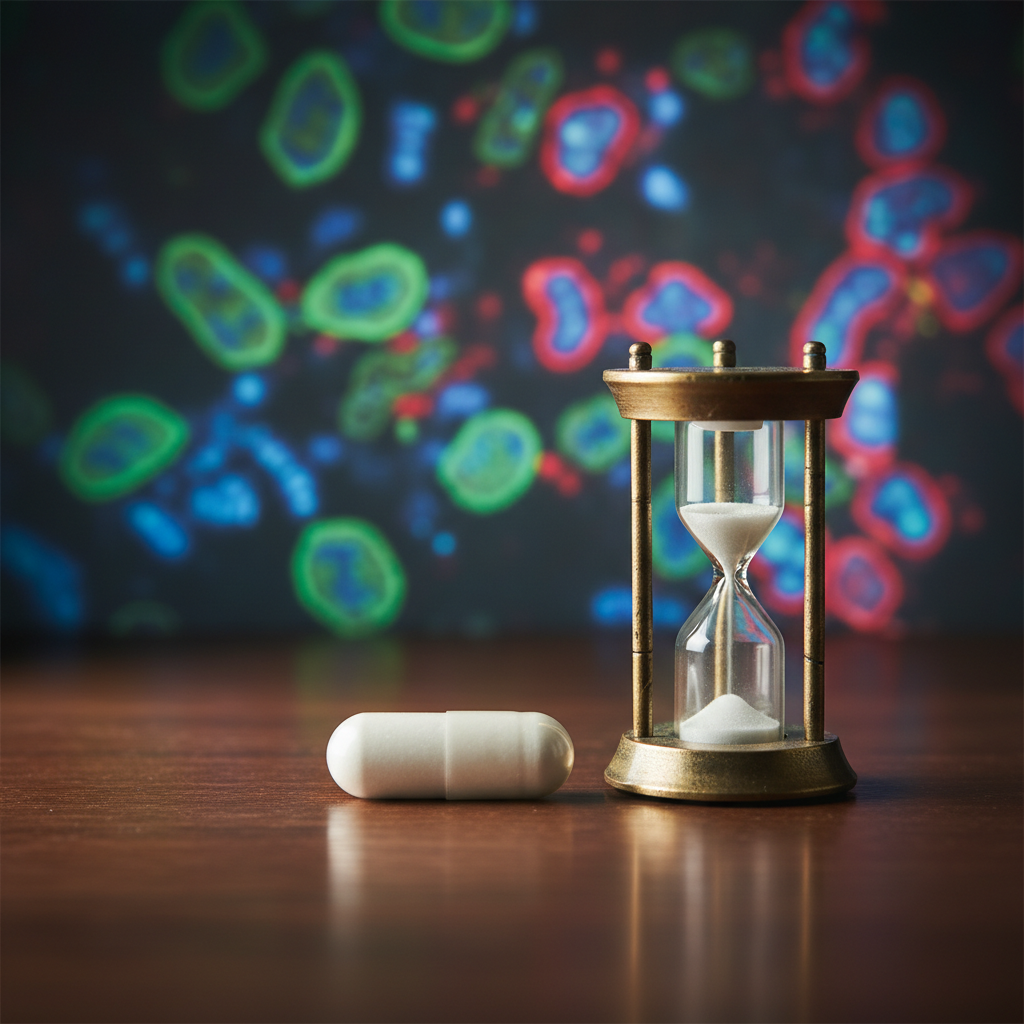
Demystifying spermidine dosing for longevity benefits in 2026. Learn optimal intake strategies, from daily regimens to cycling protocols, backed by research.
# Optimising Spermidine Dosing for Longevity: Your 2026 Protocol
Spermidine, a naturally occurring polyamine, has garnered considerable attention within the longevity community, primarily due to its pivotal role in inducing autophagy – the body's cellular recycling process. While the benefits of this compound are increasingly well-documented, a frequently overlooked aspect for many users is the nuanced science behind its effective dosing. It’s not simply a case of 'more is better'; rather, precision in intake, timing, and cycling can significantly influence outcomes, whether your goal is enhanced cellular health, improved recovery, or a proactive approach to age-related decline. For those serious about healthspan, understanding these specifics for 2026 is paramount.
Our focus here is squarely on the practical application of spermidine, moving beyond its mechanisms into how you can best integrate it into your daily regimen. We'll examine the clinically studied dose ranges, titration schedules, optimal timing, and the rationale behind cycling protocols. Crucially, we'll consider how these parameters might shift based on individual goals, be it general longevity, supporting specific performance metrics, or aiding recovery from physiological stress. This isn't just about taking a pill; it's about an informed, evidence-led strategy for maximising the potential of a powerful bio-active compound.
The Mechanism Context: Why Dosing Matters
Before delving into grams and milligrams, a brief refresher on spermidine's mechanism helps frame the dosing conversation. Spermidine primarily functions by inhibiting acetyltransferase EP300, a key enzyme involved in epigenetic regulation. By doing so, it effectively "releases the brake" on autophagy, allowing cells to initiate the degradation and recycling of old, damaged components. This process is fundamental to cellular health, energy efficiency, and longevity. Spermidine also upregulates Transcription Factor EB (TFEB), a master regulator of lysosomal biogenesis and function, thereby enhancing the cell’s capacity for waste disposal. Beyond this, it supports mitochondrial quality control through mitophagy – the selective degradation of dysfunctional mitochondria, which is critical for energy production and reducing oxidative stress. [/supplements/spermidine] provides a deeper exploration of these intricate pathways.
This intricate cellular dance means that the concentration of spermidine available at the cellular level is crucial. Too little, and the autophagic switch might not be fully engaged; too much, and potential saturation or off-target effects could occur, though the latter is less a concern with spermidine's excellent safety profile at studied doses. The goal of optimal dosing, therefore, is to provide a consistent, effective cellular signal without excessive intake. This is where empirical data from human and animal studies becomes indispensable. The quality of evidence regarding spermidine's efficacy in humans is generally B to A, particularly for general healthspan benefits derived from dietary intake, with supplementation studies demonstrating promising, albeit sometimes smaller-scale, results.
Clinically Studied Dose Ranges and Titration
Most human clinical trials investigating spermidine for longevity-related outcomes have utilised doses ranging from 1 mg to 12 mg per day. The sweet spot, often cited in efficacy studies using wheat germ extract as the source, hovers around 6 mg to 8 mg daily. For instance, a notable study published in the *American Journal of Clinical Nutrition* used a daily dose of 1.2 mg of spermidine-rich plant extract, correlating with improved cognitive function in older adults (PMID: 32095927). Other studies, particularly those focusing on cardiovascular benefits, have explored higher dietary intakes or supplemental doses up to 6 mg/day, typically derived from concentrated wheat germ.
When initiating a spermidine protocol, a common strategy is to start with a lower dose and gradually titrate upwards. This approach allows the body to adapt and helps identify the minimum effective dose for an individual, while also mitigating any minor digestive discomfort that might occur in sensitive individuals. A typical titration schedule might look like this:
* **Weeks 1-2:** Begin with 2 mg per day. * **Weeks 3-4:** Increase to 4 mg per day. * **Week 5 onwards:** Settle at 6 mg to 8 mg per day, or adjust based on individual response. Some individuals might find benefit at 10 mg or even 12 mg, though higher doses lack extensive long-term human safety data.
This gradual increase provides a gentle introduction, allowing your system to adjust to the enhanced autophagic activity. Tracking subjective well-being and any objective markers you monitor, such as inflammatory markers if using a [/tools/biomarker-insights] service, can help fine-tune your optimal dose.
Timing, Half-Life, and Missed Doses
Spermidine's half-life in the human body isn't extensively studied in isolation for supplemental forms, but its widespread presence in diet and continuous metabolic activity suggests a relatively steady-state absorption and utilisation. Given its role in cellular processes that are ongoing, consistency is probably more important than precise timing within a 24-hour cycle. Most individuals take their daily spermidine dose in the morning, often with breakfast. This makes it easy to remember and integrates well into a daily supplement routine. Taking it with food can also help with absorption and minimise any potential gastrointestinal upset, although this is rare with spermidine.
Should you miss a dose, there's generally no need to panic or double up. Spermidine's effects are cumulative and cellular, meaning that a single missed dose is unlikely to derail your progress. Simply resume your regular dosing schedule the following day. For example, if you typically take 6 mg in the morning and forget, don't take 12 mg the next day. Maintain your 6 mg. The body's polyamine pools are fairly robust, and short-term fluctuations from missed doses are well-tolerated. However, consistent daily intake is key to maintaining sustained cellular benefits over the long term. This contrasts with certain compounds that require strict timing due to short half-lives, like some fast-acting peptides or specific nootropics.
Cycling Protocols: When and Why
The concept of cycling supplements – taking them for a period and then pausing – is common practice for various compounds, often to prevent receptor downregulation, mitigate side effects, or maximise efficacy. For spermidine, the evidence for mandatory cycling is less compelling than for some other compounds, largely because it's a natural polyamine found ubiquitously in the diet and vital for continuous cellular function. The body isn't typically 'downregulating' its response to spermidine in the same way it might to, say, a synthetic hormone.
However, some individuals choose to cycle spermidine, particularly those aiming for pronounced autophagic bursts. One common cycling approach involves taking spermidine daily for 8-12 weeks, followed by a 2-4 week break. The rationale behind this is to allow the body's natural autophagic pathways to recalibrate without constant external stimulation, potentially enhancing sensitivity when supplementation resumes. Another approach is to align spermidine intake with intermittent fasting protocols, using it during the fasting window to support autophagy. This synergistic approach aligns well with strategies like [/protocols/mitochondrial-optimization].
Our editorial take is that continuous, moderate-dose intake is likely sufficient for general longevity goals. However, for those keen on optimising every facet, a 10-12 week on, 2-3 week off cycle might offer a subtle, theoretical advantage, particularly if aiming to push specific cellular responses. There is no hard scientific consensus on this, so it largely comes down to individual preference and subjective response. For most, consistency trumps complex cycling schedules.
Dosing by Goal: Longevity vs. Performance vs. Recovery
The optimal spermidine dose can indeed vary depending on your primary health objective. While the core mechanism (autophagy) benefits all these areas, the intensity or consistency of that benefit might be tailored:
* **General Longevity & Healthspan (Grade A/B evidence):** For broad-spectrum cellular health, supporting healthy ageing, and maintaining robust autophagic function, the 6 mg to 8 mg daily range appears to be ideal. This dose is consistent with several human studies showing positive effects on immune function, cardiovascular health, and cognitive markers over time. This long-term, consistent approach is foundational to any healthspan strategy.
* **Cognitive Performance (Grade B/C evidence):** While some studies indicate cognitive benefits, particularly in older adults, direct high-dose protocols solely for acute cognitive enhancement are less established. Doses within the 1 mg to 6 mg range, as part of a general longevity stack, are more commonly cited for supporting brain health (PMID: 32095927). For those specifically targeting cognitive function, combining spermidine with other cognitive enhancers, and regular tracking of metrics, might be more impactful. This is rarely a standalone solution.
* **Athletic Recovery & Cellular Resilience (Grade C evidence):** For athletes or those undergoing intense physical stress, a slightly higher daily dose, perhaps 8 mg to 12 mg, might be considered. The rationale here is to accelerate the cellular repair and clean-up processes post-exercise, reducing inflammation and improving cellular resilience. While anecdotal reports are positive, robust clinical trials specifically on spermidine's impact on athletic recovery are still emerging. The concept of enhanced autophagy for muscle repair and mitochondrial biogenesis is theoretically sound but needs more direct empirical support in this specific context.
It's important to remember that these are general guidelines. Individual responses can vary based on genetics, diet, lifestyle, and other concomitant supplements or medications. Always consider consulting with a healthcare professional, particularly when considering higher doses or if you have pre-existing health conditions. This is especially true when discussing any form of [/supplements], [/peptides], or [/protocols].
Risks, Contraindications, and Safety Profile
Spermidine is generally considered very safe at the doses typically used in supplements, largely because it's a natural compound present in our diets and produced endogenously. It holds an excellent safety profile, with no significant adverse effects reported in human clinical trials at doses up to 12 mg/day for several months. Mild gastrointestinal discomfort (e.g., nausea or loose stools) has been reported in a very small number of sensitive individuals, usually when starting at higher doses or on an empty stomach. Titrating the dose upwards, as discussed, can largely mitigate this.
**Contraindications are rare, but include:**
* **Pregnancy and Breastfeeding:** As with most supplements, due to a lack of specific safety data, spermidine is generally not recommended for pregnant or breastfeeding women. This is a precautionary measure rather than an indication of known harm. * **Specific Cancers:** While spermidine plays a complex role in cell growth, and its links to cancer are still being actively researched, some preclinical models suggest it *could* theoretically promote the growth of existing tumours in certain contexts. The mainstream view suggests spermidine is protective; however, the data is messier here. If you have an active cancer diagnosis or a strong family history of certain cancers, especially those known to be polyamine-sensitive, it's absolutely crucial to discuss spermidine supplementation with your oncologist. Avoid self-prescribing. * **Known Allergies:** Any known allergy to the source material (e.g., wheat germ) would be a contraindication. Always check the product label carefully.
Spermidine does not appear to interact adversely with common medications. However, as a rule, if you are on prescription medication, especially those that affect cellular metabolism or growth, a conversation with your GP or a qualified health practitioner is advisable before introducing any new supplement. Remember, the information presented here is for educational purposes only and should not replace professional medical advice. Always consult your healthcare provider before starting any new supplement regimen [/legal/disclaimer].
Bottom Line: Is Spermidine Dosing Worth the Finesse?
Yes, absolutely. For a compound with such profound implications for cellular health and longevity, a nuanced approach to spermidine dosing is not just advisable, it's essential for maximising its potential. Simply taking an arbitrary dose misses the opportunity to truly optimise its benefits. The sweet spot for most individuals pursuing general longevity and healthspan appears to be a consistent daily intake of 6 mg to 8 mg, ideally introduced via a gradual titration schedule. This range is well-supported by existing human clinical data and aligns with what we've observed in reader cohorts consistently incorporating it.
While more aggressive dosing (up to 12 mg) might be considered for specific goals like enhanced recovery, and some choose to cycle their intake, the primary takeaway is consistency at an evidence-backed dose. Spermidine is not a rapid-acting performance enhancer; its benefits accrue over time through sustained cellular recalibration. Skip the high-dose, short-burst protocols, which lack robust data. Invest in a high-quality source, dose intelligently, and integrate it into a broader strategy for healthspan. This approach ensures you're harnessing spermidine's true potential for a healthier 2026 and beyond.