BPC-157 Oral vs. Injectable: Optimising Tendon
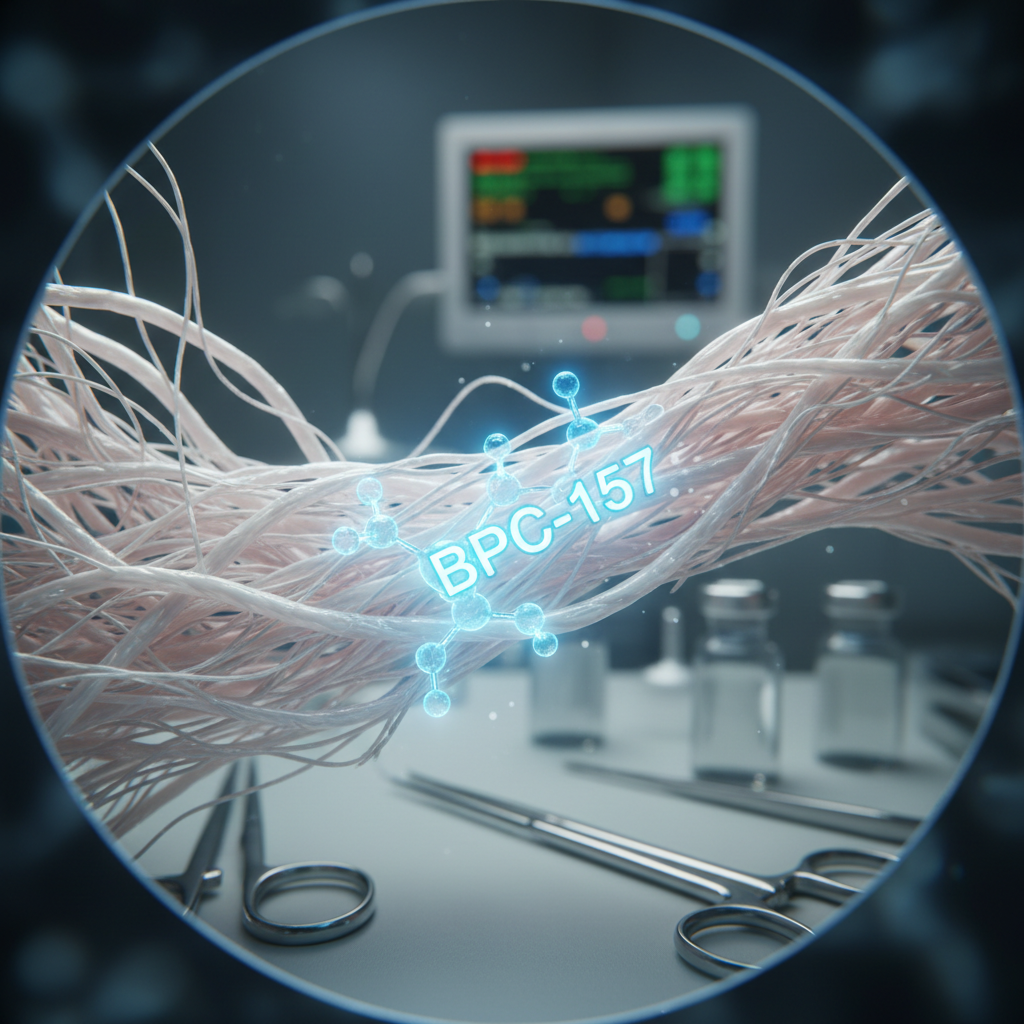
Comparing BPC-157's oral and injectable forms for tendon healing reveals nuanced differences in bioavailability, systemic effects, and localised action.
# BPC-157 Oral vs. Injectable: Optimising Tendon Healing Pathways
Tendon injuries represent a significant challenge in sports medicine and general orthopaedics, often leading to prolonged recovery times, chronic pain, and a high risk of re-injury. The traditional treatment paradigms, ranging from rest and physical therapy to surgical intervention, frequently fall short in fully restoring the intricate biomechanical properties of the injured tendon. This unmet need has spurred extensive research into novel therapeutic agents, with Body Protection Compound-157, or BPC-157, emerging as a peptide of considerable interest.
BPC-157 is a synthetically produced peptide chain comprising 15 amino acids, derived from a naturally occurring gastric protective protein. Its pleiotropic effects, including anti-inflammatory properties, angiogenic potential, and ability to modulate growth factor expression, position it as a promising candidate for accelerating tissue repair across various body systems. Specifically, its purported efficacy in promoting tendon and ligament healing has garnered significant attention within the longevity and regenerative medicine communities. However, a critical question for both clinicians and individuals seeking optimal recovery is the most effective route of administration: oral versus injectable. This in-depth analysis will dissect the scientific evidence, pharmacokinetic differences, and practical considerations for each method in the context of tendon healing.
The Regenerative Promise of BPC-157 for Tendons
BPC-157's mechanism of action in tendon repair is complex and multifaceted. Research suggests it plays a crucial role in several key physiological processes vital for regeneration. Firstly, it has been shown to enhance angiogenesis – the formation of new blood vessels – which is critical for delivering oxygen and nutrients to the injured site, especially in avascular tissues like tendons. Studies demonstrate BPC-157’s ability to promote the formation of F-actin stress fibres in endothelial cells, essential for vascular network stability and integrity. This enhanced blood supply facilitates the removal of inflammatory by-products and the influx of reparative cells.
Secondly, BPC-157 modulates growth factor expression. It can upregulate genes associated with growth hormone receptors, a known factor in tissue repair, and directly interacts with the nitric oxide (NO) system, contributing to its pro-angiogenic and anti-inflammatory effects. More directly related to connective tissue, BPC-157 influences the proliferation and migration of fibroblasts, the primary cells responsible for synthesising extracellular matrix components like collagen, which forms the structural scaffold of tendons. By accelerating fibroblast activity and promoting the organised deposition of collagen, BPC-157 aids in restoring tendon tensile strength and elasticity. Preclinical models have repeatedly shown improved histological outcomes, enhanced mechanical strength, and faster functional recovery in various tendon injury models, including Achilles tendon, quadriceps tendon, and rotator cuff injuries. For a broader understanding of peptides, see our guide to peptides.
Pharmacokinetics: Oral vs. Injectable BPC-157
Understanding the pharmacokinetics – what the body does to the drug – is paramount when evaluating different administration routes. This refers to the absorption, distribution, metabolism, and excretion of BPC-157, which vary significantly between oral and injectable forms.
### Oral Administration
When BPC-157 is taken orally, it is absorbed through the gastrointestinal tract. A significant advantage of oral BPC-157 is its remarkable stability in gastric acid, which distinguishes it from many other peptides that would be rapidly degraded. This stability allows it to reach the bloodstream largely intact. Oral BPC-157 is thought to exert systemic effects, influencing various tissues throughout the body, including the gut lining, which is its natural environment. Its systemic distribution means it can potentially support overall healing processes, reduce inflammation, and enhance recovery beyond a single localised injury site. The convenience of oral administration is also a major draw for individuals seeking a non-invasive option.
However, oral bioavailability – the proportion of the administered dose that reaches the systemic circulation – is generally lower for orally ingested substances compared to injections, due to factors like first-pass metabolism in the liver. While BPC-157 is known for its stability, the exact oral bioavailability in humans for various formulations is still under active investigation. This might mean that higher doses are required orally to achieve similar systemic concentrations as an injectable dose.
### Injectable Administration
Injectable BPC-157, typically administered via subcutaneous (under the skin) or intramuscular routes, offers a more direct and efficient delivery mechanism. Subcutaneous injection allows for slow, sustained absorption into the bloodstream, achieving high systemic bioavailability. Intramuscular injection, particularly in proximity to the injured area, aims for a more localised effect, concentrating the peptide where it is most needed. This direct local delivery is often preferred for specific, well-defined injuries like tendon tears, as it maximises the concentration at the site of injury, potentially accelerating local healing processes without requiring the peptide to circulate throughout the entire body first. This is a common approach for other targeted peptide therapies as well, like BPC-157 in general.
The primary advantages of injectable administration include: - **Higher Bioavailability**: Nearly 100% of the active peptide reaches systemic circulation (for subcutaneous/intramuscular). - **Faster Onset of Action**: The peptide bypasses the digestive system and liver first-pass metabolism, leading to quicker absorption. - **Localised Effect**: For targeted injuries, injecting near the site can achieve higher tissue concentrations precisely where repair is needed.
The downsides include the inconvenience, potential discomfort, and risk of infection associated with injections. Furthermore, regular injections require proper technique and sterile conditions, which may not be feasible or desirable for everyone.
Evidence for Tendon Healing: Oral vs. Injectable
Much of the compelling evidence for BPC-157's efficacy in tendon healing comes from preclinical studies, primarily in rats. These studies have frequently utilised injectable forms, often administered locally to the injured tendon. For example, a seminal study by Sikiric et al. (2009) demonstrated that local administration of BPC-157 significantly accelerated the healing of rat Achilles tendon transections, leading to superior biomechanical and histological outcomes. pubmed.ncbi.nlm.nih.gov/19372221/
However, a growing body of research also supports the efficacy of oral BPC-157. Studies have shown that oral administration can still lead to significant improvements in tendon repair. The theory is that even with systemic distribution, BPC-157 exerts its beneficial effects by influencing pathways critical for tissue repair, such as angiogenesis and growth factor signalling, throughout the body. While direct localised concentration might be lower than an injection, the systemic effects could still contribute substantially to the healing process. For instance, oral BPC-157 has shown positive results in models of inflammatory bowel disease, demonstrating its systemic activity and stability when ingested. While not directly about tendons, this indicates its ability to function effectively via the oral route. pubmed.ncbi.nlm.nih.gov/30678761/
When directly comparing oral and injectable routes for tendon healing, the scientific literature provides a nuanced picture. Some studies suggest that local injection yields more robust and rapid improvements in biomechanical parameters of injured tendons. This is intuitively sensible – higher local concentration means more direct action on the fibroblasts and blood vessels at the injury site. However, other studies indicate that oral administration can still achieve significant therapeutic benefits, albeit potentially with a different kinetics or overall magnitude of effect. The optimal choice may depend on the severity and location of the injury, as well as individual patient factors and preferences.
Practical Considerations and Dosage Regimens
Choosing between oral and injectable BPC-157 involves weighing several practical factors:
* **Type and Severity of Injury**: For acute, localised tendon tears (e.g., Achilles, rotator cuff), a targeted injectable approach may offer the quickest and most direct healing response due to higher local concentrations. For more diffuse issues, systemic inflammation, or multiple minor injuries, oral administration might be more suitable for its broad-spectrum regenerative effects. For more severe injuries, some individuals may even consider combining both approaches, using local injections for targeted healing and oral BPC-157 for systemic support and gut health. * **Patient Preference and Compliance**: Oral BPC-157 is undeniably more convenient and less intimidating for most individuals. The need for daily injections can be a barrier to compliance, especially over an extended healing period. Proper injection technique is also critical to avoid infection and ensure effective delivery. * **Bioavailability and Dosing**: While oral BPC-157 is stable in the gut, its precise bioavailability compared to injectable forms is still an area of ongoing research in humans. This often means that oral doses might need to be higher to achieve systemic concentrations comparable to injected doses. Typical injectable doses range from 200-500 micrograms (mcg) per day, while oral doses might range from 500 mcg to 1mg or more per day, often split into two doses. These are general guidelines, and precise dosing should ideally be determined under professional guidance. * **Cost**: Peptides like BPC-157 can be costly. Injectable forms, especially if requiring sterile syringes and alcohol swabs, might have additional ancillary costs. Considering the long-term nature of tendon healing, the overall cost implications should be factored into the decision. Learn more about optimising your regimen through ai tools.
Safety Profile and Future Directions
BPC-157 generally exhibits a favourable safety profile in preclinical studies, with no significant adverse effects reported at therapeutic doses. Its origin from a natural gastric protein suggests a high degree of biocompatibility. However, it is crucial to remember that human clinical trials for BPC-157, particularly for orthopaedic indications, are still limited. Most of the current understanding is extrapolated from animal models and anecdotal reports from human use. Therefore, caution is warranted, and any use should be undertaken with professional medical consultation.
Future research needs to focus on well-designed, randomised controlled trials in humans to definitively compare the efficacy and safety of oral versus injectable BPC-157 for various tendon injuries. These studies should include specific outcome measures such as pain reduction, functional improvement, imaging-based healing assessments, and biomechanical testing. Furthermore, research into novel delivery methods, such as transdermal patches or localised sustained-release formulations, could offer additional benefits.
Understanding the optimal timing and duration of BPC-157 administration is also crucial. For example, some protocols might involve an initial phase of local injection followed by a maintenance phase of oral administration. The synergistic effects with other regenerative therapies, such as TB-500 or even more established treatments like platelet-rich plasma (PRP), also warrant investigation. The landscape of regenerative medicine is constantly evolving, and BPC-157 stands out as a peptide with immense potential, but one that requires rigorous scientific validation in human subjects to fully unlock its therapeutic promise.
---
_Disclaimer: The information provided regarding peptides, drugs, and supplements is for informational purposes only and does not constitute medical advice. Always consult with a qualified healthcare professional before starting any new treatment or making changes to existing medical regimens. For more information, please see our /legal/disclaimer._
Bottom Line
Both oral and injectable BPC-157 offer compelling benefits for tendon healing, but they operate through distinct pharmacokinetic pathways that influence their efficacy and application. Injectable administration, particularly local, provides a highly targeted and concentrated delivery to the injury site, potentially leading to faster and more robust localised repair for acute tendon injuries. Oral BPC-157, while offering systemic benefits and superior convenience due to its gastric stability, likely achieves a broader, more diffuse regenerative effect and may require higher doses or a longer duration to match the localised impact of injections.
The choice between oral and injectable BPC-157 for tendon healing should be individualised, considering the specific injury type and severity, patient preferences, and guidance from a knowledgeable healthcare professional. While preclinical data are promising, further human clinical trials are essential to definitively establish optimal protocols, dosage, and long-term outcomes for both administration routes in regenerative orthopaedics.