BPC-157 Oral vs. Injectable: Optimising Tendon
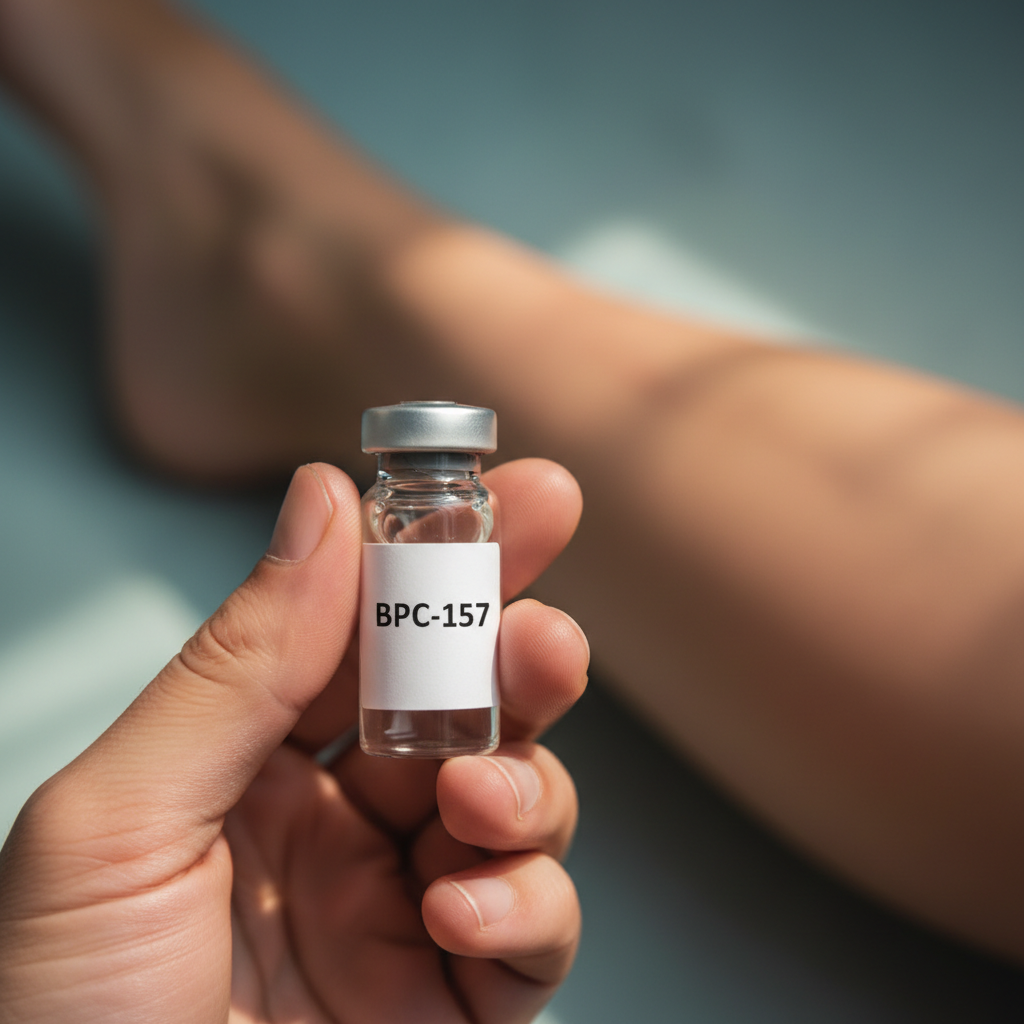
Comparing BPC-157 oral versus injectable routes for tendon healing, this article delves into bioavailability, efficacy, and practical considerations for optimal results.
# BPC-157 Oral vs. Injectable: Optimising Tendon Healing Pathways
In the ever-evolving landscape of regenerative medicine and longevity science, BPC-157 (Body Protection Compound-157) has garnered considerable attention for its multifaceted healing properties, particularly concerning musculoskeletal injuries. Synthesised from a gastric protein, BPC-157 is a pentadecapeptide celebrated for its potent regenerative effects on a variety of tissues, including tendons, ligaments, muscle, and even the gastrointestinal tract. For those navigating chronic pain or acute injury, understanding the optimal administration route – oral versus injectable – is paramount to harnessing its full therapeutic potential, especially when targeting complex structures like tendons.
Tendon injuries, ranging from tendinitis to partial or full tears, are notoriously slow to heal due to their limited blood supply and complex extracellular matrix composition. Traditional treatments often involve rest, physical therapy, and anti-inflammatory medications, with surgical intervention reserved for severe cases. However, these approaches frequently fall short, leading to incomplete recovery, chronic pain, and an elevated risk of re-injury. This is where BPC-157, with its unique pro-angiogenic and anti-inflammatory mechanisms, offers a compelling alternative or adjunct therapy. But the critical question remains: how best to deliver this promising peptide? Is an oral formulation sufficient for systemic benefits and localised healing, or does direct injection offer a superior advantage for targeted tendon repair?
This article will delve into the mechanistic differences, bioavailability, efficacy data, and practical considerations for both oral and injectable BPC-157, providing a comprehensive guide for individuals seeking to optimise their healing protocols. As a peptide, BPC-157 represents a fascinating avenue for enhanced recovery and improved healthspan.
Unpacking BPC-157's Healing Mechanisms
Before comparing administration routes, it's crucial to grasp *how* BPC-157 exerts its therapeutic effects. Its widespread regenerative capacity stems from several key mechanisms:
* **Angiogenesis and Vascularisation:** BPC-157 significantly promotes the formation of new blood vessels, a process known as angiogenesis. This is particularly vital for tendon healing, as tendons are hypovascular and improved blood flow is essential for delivering oxygen and nutrients necessary for repair. It achieves this by modulating growth factors like VEGF (Vascular Endothelial Growth Factor) and activating components of the NO (Nitric Oxide) system. Accelerated angiogenesis translates to faster tissue repair and reduced scar tissue formation. * **Collagen Synthesis and Organisation:** The peptide enhances the production and organisation of type I collagen, the primary structural protein in tendons. By stimulating fibroblast activity, BPC-157 helps lay down a stronger, more organised collagen matrix, essential for restoring tendon strength and elasticity. This also contributes to faster wound closure and tissue remodelling. * **Anti-inflammatory and Cytoprotective Effects:** BPC-157 exhibits potent anti-inflammatory properties, reducing swelling and pain associated with injury. It also has a cytoprotective effect, safeguarding cells from damage induced by oxidative stress and promoting cell survival. This is particularly relevant in the initial stages of tendon injury, where inflammation can hinder healing. * **Growth Hormone Receptor Modulation:** Some research suggests BPC-157 may interact with growth hormone receptors or influence growth hormone signalling pathways, indirectly contributing to tissue repair and regeneration. This could have synergistic effects with other peptides like CJC-1295 Ipamorelin or even natural growth hormone production. * **Modulation of Neurotransmitters:** BPC-157 has demonstrated effects on various neurotransmitter systems, including dopamine and serotonin, which may contribute to its pain-relieving and mood-stabilising properties, indirectly aiding recovery by improving patient comfort and compliance.
These interconnected mechanisms explain BPC-157's broad applicability, from tendon and ligament repair to gut healing and even central nervous system protection. Understanding these fundamental actions is critical to appreciating why administration routes can influence overall efficacy.
Oral BPC-157: Systemic Benefits and Bioavailability
Oral administration of BPC-157 typically involves a capsule or liquid form designed to be absorbed through the gastrointestinal tract. The primary appeal of oral delivery lies in its convenience, non-invasiveness, and the potential for systemic effects. Since BPC-157 is a stable gastric pentadecapeptide, it is remarkably resistant to degradation by digestive enzymes, a characteristic that differentiates it from many other peptides. This stability allows it to survive the harsh environment of the stomach and be absorbed into the bloodstream.
### Advantages of Oral BPC-157:
* **Convenience:** Easy to take, no needles required, making it more appealing for long-term or prophylactic use. * **Systemic Effects:** Oral BPC-157 can exert its healing properties throughout the body, benefiting the gastrointestinal tract, promoting overall cytoprotection, and potentially aiding multiple injured sites simultaneously. This makes it a popular choice for conditions like irritable bowel syndrome (IBS) or leaky gut syndrome, as well as general anti-inflammatory support. * **Lower Risk of Infection:** Eliminates the risk of localised infection associated with injections.
### Limitations of Oral BPC-157:
* **Bioavailability Concerns for Localised Healing:** While BPC-157 is stable, the exact bioavailability when taken orally for specific tissue targeting, such as tendons, is debated. A portion of the peptide will still be metabolised before reaching the systemic circulation and then subsequently distributed throughout the entire body. This means a smaller concentration might reach a specific injured tendon compared to direct injection. * **Dosing Variability:** Achieving consistent therapeutic concentrations at a specific injury site with oral administration can be challenging due to individual variations in gut absorption and metabolism. Doses may need to be higher to achieve effects comparable to injectables.
Research on oral BPC-157 for systemic effects, particularly gut health, is promising. For instance, studies have shown its protective effects on gastric lesions and inflammatory bowel disease models. While it certainly offers broad regenerative benefits, its effectiveness in delivering a high concentration directly to a tendon for *maximal* localised healing might be less pronounced than direct injection. A study published in *Journal of Physiology and Pharmacology* highlighted BPC-157's protective effects on gastric mucosa, demonstrating its oral stability and systemic action post-absorption. PubMed Link
Injectable BPC-157: Targeted Delivery and Efficacy
Injectable BPC-157 typically involves subcutaneous (under the skin) or intramuscular (into the muscle) administration, and in some cases, direct local injection into the injured tendon or surrounding tissue. The primary advantage of injection is the direct and rapid delivery of the peptide to the bloodstream or directly to the site of injury, bypassing the digestive system entirely.
### Advantages of Injectable BPC-157:
* **High Bioavailability and Targeted Delivery:** When injected subcutaneously or intramuscularly, BPC-157 rapidly enters the bloodstream, ensuring a higher percentage of the active peptide reaches systemic circulation compared to oral routes. Local injection directly into or around the injured tendon maximises the concentration of the peptide precisely where it's needed most, leading to potentially faster and more robust healing outcomes. * **Potentially Faster Action:** Direct delivery means the peptide can begin its work without delay, which can be crucial in acute injury scenarios. * **Optimised for Localised Injuries:** For a specific tendon injury, direct injection allows for a much higher local concentration, potentially stimulating a stronger regenerative response at the site of damage. This targeted approach is often preferred by clinicians and researchers when focusing on a single, well-defined injury. * **Precise Dosing:** Dosing can be more accurately controlled for localised effects, leading to more predictable therapeutic outcomes.
### Limitations of Injectable BPC-157:
* **Invasiveness and Discomfort:** Injections, by nature, are invasive and can cause discomfort, bruising, or pain at the injection site. This can be a barrier for some individuals. * **Risk of Infection:** Any breach of the skin carries a small risk of infection, necessitating proper sterile technique. * **Requires Training/Expertise:** While subcutaneous injections can often be self-administered after proper training, local injections into tendons or ligaments often require a healthcare professional to ensure accuracy and minimise complications. * **Cost:** Injectable forms may sometimes be more expensive per dose than oral formulations, especially considering the need for sterile supplies.
Numerous animal studies on BPC-157’s effects on tendon and ligament healing overwhelmingly use injectable routes (subcutaneous or local) to demonstrate efficacy. For example, research published in *Nature Communications* explored its role in accelerating Achilles tendon repair, consistently utilising injectable methods. Nature Link
BPC-157 for Tendon Healing: The Evidence
Research into BPC-157 for tendon repair has primarily been conducted in animal models, showing consistent positive outcomes. These studies often compare BPC-157-treated groups to control groups, demonstrating enhanced healing metrics such as increased tensile strength, improved collagen organisation, and accelerated revascularisation. Crucially, most of these studies employ subcutaneous or direct local injections to achieve these impressive results.
For instance, research on rat Achilles tendon transections showed that BPC-157 accelerated healing and improved biomechanical properties. Similar findings have been reported for quadriceps tendon healing and ligament repair. While human trials are less extensive, anecdotal reports from clinicians and patients, particularly in sports medicine and regenerative health, frequently highlight significant improvements in pain and function with injectable BPC-157 for various tendinopathies. However, it's vital to acknowledge that human clinical evidence is still emerging. The Cleveland Clinic provides an excellent overview of tendinopathy management, underscoring the challenge of current treatment paradigms and the potential for novel therapies like BPC-157 to fill therapeutic gaps. Cleveland Clinic Link
### Oral vs. Injectable: Which is Superior for Tendon Healing?
Given the current body of evidence and understanding of BPC-157's mechanisms, for *specific, localised tendon healing*, **injectable BPC-157 (particularly local or subcutaneous near the injury site) appears to be the superior choice.** This route ensures a higher concentration of the peptide reaches the target tissue, directly stimulating local regenerative processes. The precision of delivery maximises the pro-angiogenic, pro-collagen synthesis, and anti-inflammatory effects exactly where they are most needed.
However, this does not negate the value of oral BPC-157. Oral administration might be considered as:
* **An adjunctive therapy:** Used alongside injectables to provide systemic benefits, enhance overall recovery, and support gut health. * **For diffuse or multiple injuries:** When targeting several areas or seeking general anti-inflammatory and cytoprotective effects across the body. * **For preventative or maintenance protocols:** Where systemic support might be beneficial over time, or for individuals who are needle-averse.
It is plausible that a combination approach, starting with targeted injections for acute or severe tendon injuries followed by oral BPC-157 for maintenance or broader systemic support, could offer the most comprehensive benefits. This hybrid approach leverages the strengths of both delivery methods.
Practical Considerations and Safety
When considering BPC-157, safety and proper administration are paramount. While BPC-157 is generally well-tolerated in animal studies and human anecdotal reports, potential side effects, though rare, can include nausea, dizziness, or fatigue. As with any supplement or peptide, sourcing from reputable suppliers is crucial to ensure purity and potency. For injectable forms, sterile technique is non-negotiable to prevent infection. Always consult with a healthcare professional knowledgeable in peptide therapy before starting any BPC-157 protocol, especially for self-administration of injections.
For those interested in optimising their overall healing and recovery, incorporating other evidence-based strategies can create a synergistic effect. Protocols such as resistance training (once cleared by a professional), adequate magnesium glycinate for muscle function and recovery, and proper sleep optimisation are crucial. Furthermore, maintaining optimal metabolic health through proper nutrition and possibly berberine can significantly impact the body's ability to heal and regenerate. The UK's National Institute for Health and Care Excellence (NICE) provides guidelines for managing musculoskeletal conditions, often highlighting a multidisciplinary approach which BPC-157 could complement.
The Future of BPC-157 in Regenerative Medicine
The ongoing research into BPC-157 continues to expand our understanding of its therapeutic potential. While the focus here has been on tendon healing, its applications span numerous other areas, including brain health, gastrointestinal repair, and even potentially influencing longevity pathways. As more human clinical trials emerge, a clearer picture of optimal dosing, duration, and administration routes for various conditions will undoubtedly be established. For now, the distinction between oral and injectable routes, particularly for targeted tissue repair like tendons, remains a critical consideration for practitioners and individuals seeking advanced healing solutions.
It is important to reiterate that while promising, BPC-157 is still largely considered an investigational compound in many jurisdictions, and its use should be approached with caution and under professional guidance.
Bottom Line
For individuals seeking to maximise tendon healing, the choice between oral and injectable BPC-157 hinges significantly on the desired outcome. Injectable BPC-157, especially local or subcutaneous administration near the injury site, offers superior bioavailability and targeted delivery, making it the preferred route for directly addressing specific tendon injuries. Oral BPC-157, while convenient and beneficial for systemic effects and gut health, may not achieve the same high local concentrations required for optimal, accelerated tendon repair. A combined approach, leveraging the targeted efficacy of injections with the systemic support of oral administration, may represent the most comprehensive strategy for complex cases.
Regardless of the chosen route, BPC-157 represents a powerful tool in the regenerative medicine arsenal. Its impressive ability to promote angiogenesis, collagen synthesis, and exert anti-inflammatory effects positions it as a significant peptide for those battling tendon injuries and striving for enhanced recovery and long-term musculoskeletal health. Always consult with a qualified healthcare professional before considering BPC-157 or any similar compound. See our /legal/disclaimer for more information regarding supplements and peptides.