BPC-157 Oral vs. Injectable: Which is Better
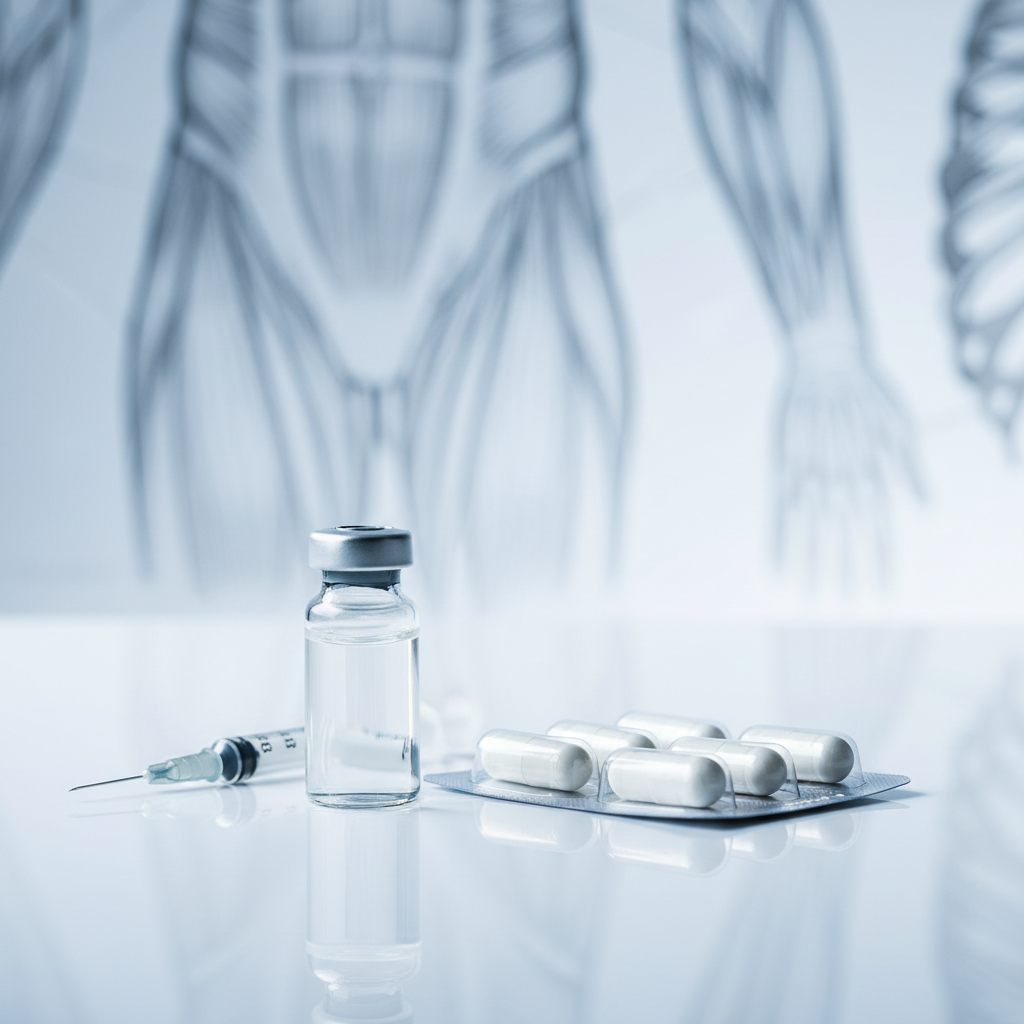
Exploring the critical differences between oral and injectable BPC-157 for tendon healing, guiding you towards the most effective administration route.
# BPC-157 Oral vs. Injectable: Which is Better for Tendon Healing?
As the understanding of regenerative medicine expands, peptides like BPC-157 have garnered significant interest, particularly for their reported capabilities in tissue repair and healing. Among the various applications, its potential for accelerating tendon healing stands out. However, a common dilemma arises when considering its use: should one opt for oral administration or injection? This question is not merely one of convenience but delves into critical aspects of bioavailability, systemic versus localised effects, and overall efficacy. For anyone exploring the therapeutic potential of BPC-157, understanding these nuances is paramount.
BPC-157, or Body Protection Compound-157, is a synthetic peptide comprising 15 amino acids. Derived from a protective protein found in stomach acid, its primary mechanism of action appears to revolve around promoting angiogenesis (the formation of new blood vessels), modulating growth factors, and exhibiting strong anti-inflammatory properties. These attributes make it particularly appealing for injuries to tissues with poor vascularisation, such as tendons and ligaments. Tendons, by their very nature, have a limited blood supply, which often contributes to their slow and challenging recovery after injury. Therefore, any compound capable of enhancing this process is of significant clinical interest.
The Science Behind BPC-157 and Tendon Repair
To appreciate the debate between oral and injectable BPC-157, it's crucial to first grasp *how* BPC-157 aids in tendon healing. Research, predominantly in animal models, suggests a multifaceted approach:
* **Angiogenesis:** BPC-157 is a potent promoter of vascular endothelial growth factor (VEGF) and other growth factors essential for blood vessel formation. Increased blood flow to an injured tendon delivers more oxygen, nutrients, and immune cells, all vital for repair. * **Collagen Synthesis:** It appears to stimulate the proliferation and migration of fibroblasts, the primary cells responsible for producing collagen, the main structural protein of tendons. This leads to faster and potentially stronger tissue remodelling. * **Anti-inflammatory Effects:** BPC-157 has demonstrated significant anti-inflammatory actions, which can reduce swelling and pain at the injury site, thereby preventing further tissue damage and creating a more conducive environment for healing. * **Growth Factor Modulation:** It influences various growth factors, such as basic fibroblast growth factor (bFGF) and nerve growth factor (NGF), which are critical for tissue regeneration and nerve repair. This broad modulation points to a comprehensive healing response.
These mechanisms collectively contribute to improved tendon integrity, accelerated functional recovery, and reduced scar tissue formation. The efficacy has been observed across various tendon injury models, from Achilles tendon ruptures to rotator cuff tears.
Oral BPC-157: Convenience and Systemic Effects
Oral administration of peptides like BPC-157 offers undeniable convenience. It bypasses the need for needles, making it a more accessible option for many individuals. The rationale behind oral BPC-157 lies in its reported stability in gastric acid, a unique characteristic compared to many other peptides that would be degraded before absorption. This stability theoretically allows it to survive the digestive tract and enter the bloodstream, exerting systemic effects.
When taken orally, BPC-157 is absorbed through the gastrointestinal tract. From there, it circulates throughout the body. Proponents argue that this systemic distribution can still benefit localised injuries by optimising the overall physiological healing environment. This might include enhancing the general anti-inflammatory response, improving gut health (which is increasingly linked to systemic inflammation), and subtly upregulating healing pathways throughout the body. For complex injuries or those with multiple affected areas, a systemic approach might seem appealing.
However, the key question for oral administration, especially when targeting a specific injury like a tendon tear, is *bioavailability* and *concentration* at the injury site. While BPC-157 is said to be orally stable, the exact percentage that reaches the bloodstream intact and in an active form is still a subject of ongoing research. Furthermore, even if absorbed, the concentration reaching a distant, poorly vascularised tendon might be significantly lower than what could be achieved via direct injection. The systemic approach may offer general benefits, but its direct impact on a specific, isolated tendon injury might be less pronounced compared to targeted delivery.
Injectable BPC-157: Targeted Delivery and Localised Potency
Injectable BPC-157, typically administered subcutaneously (under the skin) or intramuscularly, offers a distinct advantage: direct, localised delivery. When injected in close proximity to the injured tendon, a higher concentration of the peptide can be achieved precisely where it's needed most. This method aims to maximise the therapeutic effect at the injury site, leveraging BPC-157's mechanisms of action more directly.
Subcutaneous injections are relatively straightforward and can often be performed by individuals themselves after proper training. For deep or complex tendon injuries, an intramuscular injection, or even a direct intra-tendinous injection (though this carries higher risks and should only be performed by a medical professional), might be considered to ensure the peptide reaches the target tissue. The logic here is simple: if the goal is to heal a specific tendon, delivering the healing compound directly to that tendon maximises its local bioavailability and efficacy.
Research on BPC-157 and other regenerative compounds often utilises localised injections to demonstrate maximum therapeutic potential in animal models. This method allows researchers to observe pronounced effects on angiogenesis, fibroblast proliferation, and collagen synthesis directly at the site of injury. The immediate local concentration can trigger a more robust and rapid healing cascade, potentially leading to faster recovery times and stronger tissue repair. This direct impact is often seen as superior for specific, acute injuries.
Bioavailability and Efficacy: The Crux of the Debate
The core of the oral vs. injectable debate for BPC-157 hinges on bioavailability and targeted efficacy. Bioavailability refers to the proportion of a drug or substance that enters the circulation when introduced into the body and is able to have an active effect. For orally administered compounds, factors like gastric degradation, first-pass metabolism in the liver, and intestinal absorption efficiency all play a role in determining how much active compound reaches systemic circulation. While BPC-157 is touted for its oral stability, direct comparative studies on human bioavailability between oral and injectable forms are limited.
For localised tendon injuries, the ability to achieve a high therapeutic concentration at the damaged site is crucial. Injectable routes, particularly subcutaneous injections near the injury, are generally considered to offer superior local bioavailability. A higher local concentration means more BPC-157 molecules are available to bind to receptors, promote growth factor expression, and stimulate cellular repair processes directly where they are needed. This focused approach is often preferred for acute or severe injuries where rapid, robust local healing is paramount.
Oral BPC-157, while providing systemic effects, may struggle to achieve the same localised concentrations. While it might contribute to an overall pro-healing environment, relying solely on oral administration for a specific tendon injury might mean a less potent and potentially slower recovery compared to targeted injections. The choice, therefore, often boils down to the severity and specificity of the injury, as well as individual preference for administration method.
Practical Considerations and Risks
Beyond efficacy, practical aspects significantly influence the choice between oral and injectable BPC-157. Oral administration is non-invasive and easy to incorporate into a daily routine. This convenience can lead to better compliance, which is vital for any therapeutic regimen. There's also no risk of injection-related issues like local pain, bruising, infection, or nerve damage, which, though rare with proper technique, are inherent to any injection.
Injectable BPC-157, on the other hand, requires proper sterile technique, storage, and handling. Patients need to be educated on how to administer injections safely or have a healthcare professional do so. The peptide itself is often supplied as a lyophilised (freeze-dried) powder that needs to be reconstituted with bacteriostatic water. This adds a layer of complexity. However, for those seeking maximised local effect, these additional steps are often deemed worthwhile. It's important to note that while peptides like BPC-157 are generally well-tolerated, potential side effects, though typically mild, can include injection site reactions, nausea, or changes in blood pressure. For any use of peptides, always consult a qualified medical professional.
What the Research Suggests (and Doesn't)
The vast majority of published research on BPC-157's regenerative capabilities, particularly concerning musculoskeletal injuries, has utilised injectable forms in animal models. A study published in *Journal of Physiology* explored BPC-157's effects on tendon-to-bone healing, showing enhanced repair with local administration https://pubmed.ncbi.nlm.nih.gov/17505193/. Another significant paper in *Journal of Orthopaedic Research* demonstrated BPC-157's ability to accelerate healing of transected Achilles tendons, again using local injections https://pubmed.ncbi.nlm.nih.gov/19277024/. These studies consistently point to the effectiveness of targeted delivery.
While anecdotal reports and some preliminary *in vitro* (cell culture) studies suggest oral BPC-157 can be effective, robust, peer-reviewed clinical trials directly comparing oral versus injectable BPC-157 for specific human tendon injuries are scarce. The scientific community generally requires more rigorous human trials to draw definitive conclusions about the optimal administration route and dosage for various conditions. Most of the evidence supporting oral efficacy comes from its reputed stability in the gut and observations of systemic effects. The existing body of evidence, however, leans heavily towards localised injection for maximal efficacy in specific injury repair, particularly in tissues with poor blood supply.
For those considering BPC-157, especially for specific injuries, it's crucial to acknowledge this gap in human comparative research and weigh the existing animal data with practical considerations. For enhancing overall healing and reducing systemic inflammation, oral administration might offer some benefit. However, for a direct, potent effect on a specific tendon injury, the injectable route currently has stronger, albeit preclinical, scientific backing. You can explore more about peptide research and other tools for understanding such compounds.
Synergistic Approaches and Combination Therapies
It's also worth considering that BPC-157 does not operate in a vacuum. Its efficacy can potentially be enhanced when combined with other therapeutic strategies. For instance, combining BPC-157 with TB-500, another peptide known for its regenerative properties, is a popular approach. TB-500, a synthetic version of thymosin beta-4, also promotes cell migration and differentiation, angiogenesis, and tissue repair, often complementing BPC-157's actions. The combination could theoretically offer a more comprehensive healing response, particularly for chronic or severe injuries.
Furthermore, integrating BPC-157 use with structured physical therapy and rehabilitation protocols is essential. No peptide or supplement can fully replace the biomechanical stimulus and controlled loading necessary for proper tendon remodelling and strengthening. Techniques like resistance training are critical for restoring function and preventing re-injury. Similarly, ensuring adequate nutritional intake, including components like collagen, glycine, and vitamin D, provides the building blocks for repair. A holistic approach that integrates peptide therapy with lifestyle and rehabilitation is likely to yield the best outcomes for tendon healing.
Bottom line
When considering BPC-157 for tendon healing, the choice between oral and injectable administration hinges on balancing convenience with targeted efficacy. While oral BPC-157 offers ease of use and potentially systemic anti-inflammatory and healing benefits, the vast majority of compelling research supporting direct tissue repair, particularly in poorly vascularised tissues like tendons, has employed localised injectable routes. Injections allow for a higher concentration of the peptide precisely where it's needed, potentially leading to more robust and faster healing for specific injuries.
For acute, localised tendon injuries where maximal therapeutic effect at the injury site is paramount, injectable BPC-157 currently appears to be the more evidence-backed approach, predominantly from animal studies. Oral administration may be suitable for broader systemic support or as a maintenance strategy. Always consult with a healthcare professional to determine the most appropriate route, dosage, and overall treatment plan for your specific condition. Please note: Peptides, drugs, and supplements are not without risk. Always consult with a qualified medical professional before use. For more information, please see our /legal/disclaimer.