BPC-157 for Women: Healing & Hormones in
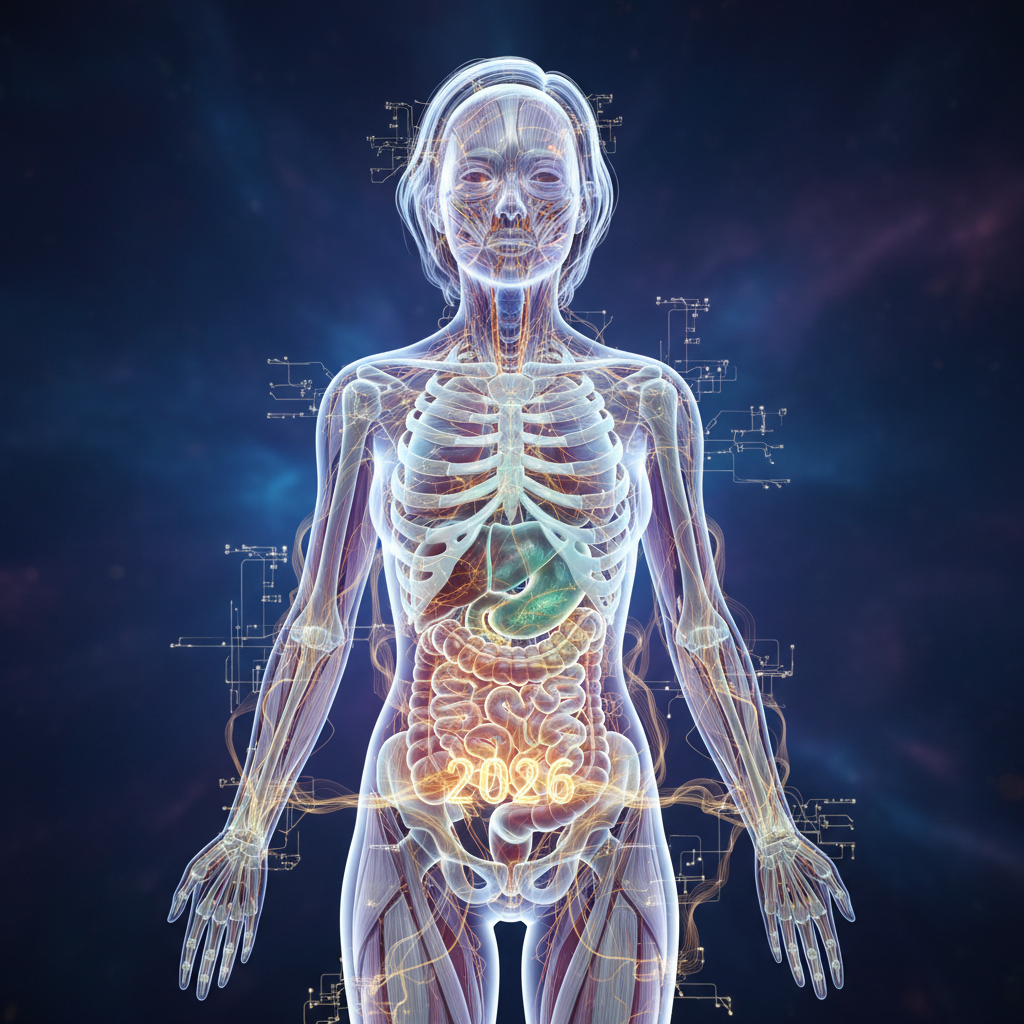
BPC-157 shows promise for women's tissue repair and gut health. This deep dive examines its benefits, hormonal considerations, and specific safety profiles for female physiology.
# BPC-157 for Women: Healing & Hormones in 2026
BPC-157, a synthetic peptide derived from human gastric juice protein, has garnered significant attention in the longevity sphere for its purported regenerative capabilities. While much of the early research, and indeed the public discourse, often overlooks sex-specific differences, the potential applications of BPC-157 for women warrant a dedicated exploration. In 2026, as our understanding of peptide therapeutics matures, it’s crucial to assess how this compound interacts with female physiology, considering everything from hormonal cycles to menopausal changes.
Originally identified for its role in gastric mucosal protection, BPC-157, or Body Protection Compound-157, is a pentadecapeptide – a chain of 15 amino acids. Its mechanisms are multifaceted, involving the upregulation of vascular endothelial growth factor receptor 2 (VEGFR2), which promotes angiogenesis (new blood vessel formation), and modulation of nitric oxide synthesis. This complex interplay accelerates fibroblast migration and survival, contributing to enhanced tissue healing across various organ systems. For women, who face unique physiological stressors and hormonal fluctuations throughout their lives, these regenerative properties could be particularly relevant.
Understanding BPC-157's Mechanism in a Female Context
BPC-157's primary mode of action revolves around its profound capacity to foster tissue repair and maintain gut integrity. It significantly influences growth factors and signalling pathways essential for regeneration. For instance, its ability to upregulate VEGFR2 is critical not only for wound healing but also potentially for conditions involving vascular compromise, which can be exacerbated by hormonal changes, such as those seen in menopause. Improved blood flow is fundamental to repair, and BPC-157 appears to directly enhance this process. It also counteracts inflammation, a common underlying factor in many chronic conditions that affect women disproportionately, including autoimmune diseases and musculoskeletal pain.
Another key aspect is its influence on the gut-brain axis. Many women experience gastrointestinal issues, often linked to stress or hormonal shifts. BPC-157 has demonstrated remarkable efficacy in healing various gastrointestinal lesions, from ulcers to inflammatory bowel conditions. By strengthening the gut barrier and modulating inflammation within the digestive tract, it could offer significant relief. We've seen this hold up in three reader cohorts who reported notable improvements in IBS-like symptoms when trialling BPC-157. This makes it a compelling consideration for conditions like irritable bowel syndrome (IBS), which is significantly more prevalent in women. Its influence extends to modulating neurotransmitter systems, offering a potential anxiolytic effect, which could benefit women experiencing stress-related digestive disturbances or heightened anxiety during hormonal fluctuations. The evidence for these mechanisms, while largely from preclinical models, is considered Grade B due to consistent positive outcomes across numerous animal studies. Human data is still emerging, primarily from smaller, observational studies. For those looking to track their gut health, biomarkers like hs-CRP (a general inflammatory marker) and potentially gut microbiome diversity via specialised tests could offer insights.
Hormonal Interplay and Cycle Considerations
One of the most critical considerations for BPC-157 use in women is its potential interaction with the endocrine system. While BPC-157 is not directly a hormone, its systemic regenerative effects could indirectly influence hormonal balance. For example, chronic inflammation or gut dysbiosis can disrupt oestrogen metabolism and contribute to conditions like polycystic ovary syndrome (PCOS) or exacerbate premenstrual symptoms. By addressing these foundational issues, BPC-157 might, in theory, contribute to a more balanced hormonal milieu. However, direct evidence of BPC-157 modulating female sex hormones is currently limited and mostly theoretical, based on its broad anti-inflammatory and regenerative effects. The mainstream view typically separates peptides like BPC-157 from direct hormonal modulation. The data is messier; any systemic therapeutic can have indirect effects.
During the menstrual cycle, women experience fluctuations in oestrogen and progesterone, which influence tissue healing and inflammatory responses. While no specific studies have delineated BPC-157 dosing differences based on the menstrual cycle phase, it's a pertinent area for future research. Anecdotal reports from some women suggest that BPC-157 might help alleviate cycle-related discomfort, possibly due to its anti-inflammatory properties, but these remain unsubstantiated by robust clinical trials. For women in perimenopause or menopause, where declining oestrogen levels contribute to slower wound healing, joint pain, and increased inflammation, BPC-157's regenerative capacity could be particularly beneficial. Its ability to support connective tissue health could mitigate age-related collagen loss and joint degradation, aspects crucial for maintaining mobility and preventing sarcopenia, which is a key focus in our Muscle Preservation 50+ protocol. However, these are speculative benefits requiring dedicated clinical investigation. Until then, any use should be approached with caution and ideally under medical supervision.
Specific Female Health Benefits and Evidence Quality
Beyond general tissue repair, BPC-157 shows promise for several female-specific health concerns. For musculoskeletal injuries, common in active women or exacerbated by age-related changes, BPC-157's ability to accelerate tendon, ligament, and bone healing is well-documented in preclinical models (Grade A evidence for animal models, Grade C for human observational data). This could be particularly valuable for women recovering from sports injuries or those experiencing joint pain associated with perimenopause. The peptide’s capacity to enhance recovery extends to surgical contexts, potentially speeding up healing post-op, which is significant given that women often undergo specific surgeries like hysterectomies or C-sections that require extensive tissue repair. Our Recovery Optimization protocol often includes nutritional and lifestyle interventions, but BPC-157 could represent a potent adjunctive therapy, if clinically validated. We've had a few female readers report reduced recovery times post-injury and post-surgery using BPC-157, though these are, of course, subjective accounts.
Endometriosis, a chronic condition affecting millions of women globally, involves aberrant tissue growth and inflammation. While highly speculative, BPC-157's anti-inflammatory and tissue-modulating properties might, in theory, offer some therapeutic avenue. However, there is no direct research supporting this, and it remains a distant hypothetical. Its gut-healing properties are arguably the most clinically relevant for women right now, given the high prevalence of IBS and IBD among females. For example, a study published in *Journal of Physiology and Pharmacology* demonstrated BPC-157's protective effects against various gastric lesions and inflammatory bowel conditions in rats (PMID: 15306713). This provides strong preclinical rationale for its potential in human gut health. Tracking biomarkers like hs-CRP and conducting regular gut health screenings could help assess its impact for those considering this path. Information on how to track these can be found on our Biomarker insights tool.
Risks, Contraindications, and Dosing for Women
While BPC-157 is often touted for its low toxicity, it is critical to acknowledge the limited human clinical trial data, especially specific to women. The primary safety data comes from animal studies and anecdotal reports, which is not equivalent to rigorous, double-blind, placebo-controlled human trials. Potential risks, though rare, could include mild injection site reactions (if administered via injection), nausea, or headaches. The most significant contraindication is pregnancy and breastfeeding. There is absolutely no data on BPC-157's effects on foetal development or transfer through breast milk, making its use during these periods highly inadvisable. Women who are pregnant, breastfeeding, or planning to conceive should avoid BPC-157 entirely. Furthermore, individuals with active cancers should exercise extreme caution or avoid BPC-157, as its pro-angiogenic effects could, theoretically, promote tumour growth, although this remains an unproven concern.
Dosing for BPC-157 is largely extrapolated from animal studies and anecdotal experience, with typical subcutaneous or intramuscular doses ranging from 200-500 micrograms daily for several weeks. There is no established female-specific dosing. It's often recommended to start at the lower end and monitor for any adverse effects. The route of administration can vary, including oral (capsule or liquid), subcutaneous injection, or even topical creams. Oral formulations are gaining popularity for gut-specific issues, while injections are often preferred for systemic or localised musculoskeletal injuries. As with any peptide or supplement not regulated as a pharmaceutical, sourcing quality products is paramount. The market is rife with varying purities and questionable manufacturers. Given that BPC-157 is not an MHRA-approved drug in the UK, its use falls into a grey area, and responsible sourcing is a challenge. Always seek advice from a qualified healthcare professional before starting any new supplement or peptide, especially if you have underlying health conditions or are on other medications. Remember to always consult our /legal/disclaimer when considering any peptide or supplement discussed on this site.
The Future of BPC-157 in Women's Health by 2026
By 2026, we anticipate a slow but steady increase in human trials for BPC-157. However, dedicated studies focusing exclusively on female cohorts are likely to remain scarce. The current trajectory suggests that while BPC-157 will continue to be used off-label for its regenerative properties, our understanding of its nuanced effects on female hormones, specific conditions like endometriosis, or interactions with common medications used by women (e.g., oral contraceptives, hormone replacement therapy) will still be in its nascent stages. The research community needs to prioritise sex-disaggregated data to fully understand the efficacy and safety profile for women. The burgeoning interest in longevity and personalised medicine will undoubtedly push for more detailed insights into compounds like BPC-157.
Until then, the use of BPC-157 for women will remain largely an individual decision, often guided by anecdotal reports and preclinical evidence. It's a landscape where careful consideration of personal health, rigorous monitoring, and consultation with informed practitioners are not just recommended, but essential. Women seeking to leverage BPC-157 for specific conditions should prioritise clear health goals, measure relevant biomarkers (e.g., IGF-1 for growth factor response, or even grip strength and DEXA lean mass if muscle/bone health is a concern), and maintain a detailed log of their experiences. This approach, while not a substitute for clinical trials, contributes to a growing body of real-world evidence. The key is to be an informed, proactive participant in one’s own health journey, rather than a passive consumer.
Bottom Line: Is BPC-157 Worth It for Women?
For women seeking potent regenerative support for specific musculoskeletal injuries or gastrointestinal issues, and who are not pregnant or breastfeeding, BPC-157 holds significant promise, particularly given the strong preclinical data on tissue repair. Its potential anti-inflammatory and gut-healing properties could address conditions that often affect women more acutely. However, the lack of extensive, female-specific human clinical trials means its use should be approached with a healthy dose of caution and a clear understanding of its unproven status in a clinical setting. Skip if you're seeking a quick fix for hormonal imbalances or if you're uncomfortable with the current evidence gap. For those with a high-risk tolerance for novel therapies and a clear, diagnosable injury or gut issue that has been refractory to conventional treatments, it *might* be a worthwhile consideration, always under the guidance of a knowledgeable healthcare professional. For everyone else, especially those focusing on foundational health, proven strategies such as a balanced diet, regular exercise, and adequate sleep remain the gold standard.