Mastering CGM Data Interpretation for Healthy Adults: A Guide
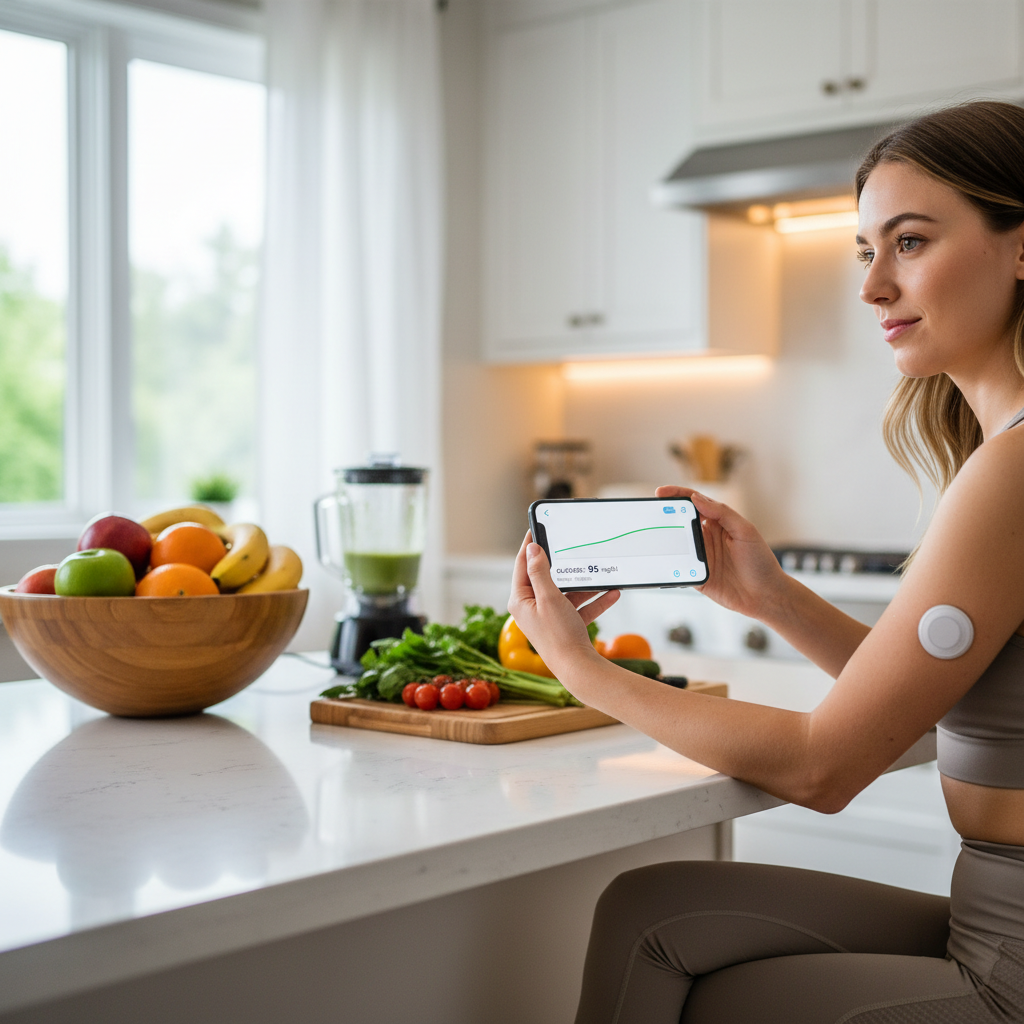
Beyond diabetes, CGM data offers healthy adults insights into metabolic health. Learn to interpret your glucose trends for optimal well-being.
For decades, Continuous Glucose Monitors (CGMs) were synonymous with diabetes management. Their utility in providing real-time glucose readings revolutionised care for those with impaired glucose metabolism. However, in recent years, a paradigm shift has occurred. Healthy adults, driven by a quest for optimal health, enhanced performance, and extended longevity, are increasingly turning to CGMs. But for those without a diagnosed metabolic condition, what does 'good' look like? And how does one translate a continuous stream of data into actionable insights for metabolic mastery?
This comprehensive guide from Longevity Stack aims to demystify CGM data interpretation for the healthy adult. We'll move beyond the basics of blood sugar numbers, exploring how these powerful devices can reveal subtle patterns in your metabolism, inform dietary choices, optimise exercise routines, and ultimately contribute to a longer, healthier life. Understanding your unique glucose response is a cornerstone of personalised health. Let's dive into the science and practical application.
Why Healthy Adults Are Embracing CGMs
The allure of CGMs for healthy individuals stems from the concept of metabolic flexibility – the body's ability to efficiently switch between burning carbohydrates and fats for energy. While traditional fasting glucose tests and HbA1c provide snapshot or average data, a CGM offers a dynamic, 24/7 window into how your body processes fuel. This allows for unparalleled self-experimentation and personalisation. Even seemingly healthy individuals can experience significant post-meal glucose spikes and subsequent crashes, impacting energy levels, mood, and long-term health. These 'glycemic excursions' contribute to insulin resistance over time, a precursor to numerous chronic diseases, including type 2 diabetes, cardiovascular disease, and even neurodegenerative conditions. By identifying and mitigating these spikes, healthy adults can proactively safeguard their metabolic health.
Key reasons for adoption include:
- **Personalised Nutrition:** Understanding individual responses to foods, even 'healthy' ones.
- **Optimising Energy Levels:** Identifying glucose crashes that lead to fatigue and brain fog.
- **Enhancing Exercise Performance:** Timing meals and exercise for stable energy supply.
- **Early Detection & Prevention:** Spotting suboptimal glucose patterns before they become a clinical issue.
- **Longevity Focus:** Stable glucose is linked to reduced inflammation and oxidative stress, critical factors in healthy ageing.
Tools like CGMs are becoming indispensable for those committed to metabolic health and longevity science. They offer a concrete way to measure and manage one of the most fundamental biological processes.
Understanding the Basics: What Normal Looks Like
Before interpreting deviations, it's crucial to establish what constitutes a healthy glucose response for non-diabetic individuals. While absolute values can vary slightly between individuals and laboratories, general guidelines exist:
- **Fasting Glucose:** Typically, healthy individuals should have fasting glucose levels between 3.9 mmol/L (70 mg/dL) and 5.5 mmol/L (99 mg/dL). Some experts advocate for an optimal range closer to 4.4-5.0 mmol/L (80-90 mg/dL).
- **Post-meal Glucose (Postprandial):** After eating, glucose levels will naturally rise. For healthy adults, these peaks generally shouldn't exceed 7.8 mmol/L (140 mg/dL) and should return to near fasting levels within 2-3 hours. Spikes above this, especially sustained ones, warrant attention. Research indicates that frequent, high postprandial excursions, even in non-diabetic individuals, are associated with adverse cardiovascular outcomes (pubmed.ncbi.nlm.nih.gov/27732230/).
- **Glucose Standard Deviation (Variability):** This metric reflects how much your glucose levels fluctuate throughout the day. Lower variability (i.e., flatter, more stable lines on your CGM graph) is generally indicative of better metabolic health. High variability is a risk factor for complications, even if average glucose is within range (pubmed.ncbi.nlm.nih.gov/29849202/). An ideal standard deviation for healthy adults is often considered to be below 1.0-1.5 mmol/L (18-27 mg/dL).
- **Time In Range (TIR):** This refers to the percentage of time your glucose levels spend within your target range, typically 3.9-7.8 mmol/L (70-140 mg/dL). For healthy adults, aiming for 90% or more TIR is an excellent goal. Some propose an even tighter target range for longevity, such as 3.9-6.7 mmol/L (70-120 mg/dL).
Recognising these benchmarks is the first step in effective CGM data interpretation for healthy adults.
Key Metrics and Patterns to Monitor
Beyond simple numbers, CGMs reveal dynamic patterns that offer profound insights. Here's what to focus on:
### 1. Postprandial Glucose Response
This is arguably the most valuable insight for healthy individuals. Observe how different foods, meal combinations, and portion sizes affect your glucose. A rapid, sharp spike followed by an equally rapid crash (often below baseline) is undesirable. Look for:
- **Peak Glucose:** How high does it go? Aim for <7.8 mmol/L (140 mg/dL).
- **Time to Peak:** How quickly does it rise? Slower rises are generally better.
- **Time to Return to Baseline:** How long does it take to normalise? Aim for 2-3 hours.
*Actionable Insight:* Experiment with meal timing, adding fibre, healthy fats, or protein *before* carbohydrates to blunt spikes. For example, eating a salad before pasta often leads to a smoother glucose curve. Pair carbohydrates with resistance training or a brisk walk immediately after eating to improve glucose uptake into muscles.
### 2. Overnight Glucose & Dawn Phenomenon
Your overnight glucose levels should be stable and within the healthy fasting range. The 'dawn phenomenon' is a natural rise in glucose in the early morning (typically between 4 AM and 8 AM) due to hormonal changes (cortisol, growth hormone) preparing the body for the day. While normal, an exaggerated dawn phenomenon can indicate underlying insulin insensitivity.
*Actionable Insight:* Ensure your last meal is not too late or carbohydrate-heavy. Consider a light evening walk. Some find that incorporating supplements like berberine or magnesium glycinate can support nocturnal glucose stability and sleep quality. Monitor for trends, and if your fasting glucose is consistently elevated, consult a healthcare professional.
### 3. Glucose Variability
As mentioned, high variability is undesirable. Look at the 'flatness' of your curve. Large swings indicate your body is working harder to regulate glucose.
*Actionable Insight:* Identify triggers for variability. Are certain meals causing erratic responses? Is stress or poor sleep optimisation a factor? Even minor lifestyle changes, like incorporating regular zone 2 cardio or resistance training, can significantly improve glucose stability.
### 4. Stress and Exercise Response
CGMs can highlight the profound impact of non-dietary factors:
- **Stress:** Emotional or psychological stress can elevate glucose due to cortisol release. You might observe spikes even without eating.
- **Exercise:** Intense exercise (especially strength training or HIIT) can cause a temporary glucose rise as the liver releases glucose to fuel muscles. This is a normal physiological response and typically resolves quickly. Moderate exercise usually lowers glucose.
*Actionable Insight:* Use stress-induced spikes as a prompt for mindfulness or relaxation techniques. Understand that exercise-related spikes are often transient and beneficial, promoting insulin sensitivity. However, if your glucose remains high after exercise, it might indicate overtraining or insufficient recovery.
Practical Strategies for Optimising Glucose
Leveraging your CGM data effectively requires proactive adjustments to your lifestyle. Here are some evidence-based strategies:
- **Meal Timing & Composition:** Prioritise protein and healthy fats at the start of meals. Add fibre. Experiment with time-restricted eating to give your digestive system a break and improve insulin sensitivity. Consider your last meal of the day; aim for a gap before bed.
- **Food Pairings:** Don't eat 'naked' carbs. Always pair them with protein, fat, or fibre. A piece of fruit with nuts is generally better than fruit alone.
- **Vinegar Pre-load:** A tablespoon of apple cider vinegar (diluted in water) 15-20 minutes before a carbohydrate-rich meal has been shown to blunt glucose spikes (nature.com/articles/s41398-024-02872-9).
- **Movement:** A short walk (10-15 minutes) after meals, especially carbohydrate-heavy ones, significantly improves glucose clearance.
- **Hydration:** Adequate water intake supports kidney function and glucose balance.
- **Sleep:** Poor sleep is a major driver of insulin resistance. Aim for 7-9 hours of quality sleep. Your wearables can provide valuable data on sleep quality to correlate with your CGM readings.
- **Stress Management:** Incorporate stress-reduction techniques like meditation, deep breathing, or spending time in nature. Chronic stress elevates cortisol, leading to sustained glucose release.
- **Supplementation:** Certain supplements can support glucose metabolism. Examples include berberine, alpha-lipoic acid, chromium, and magnesium. Always consult a healthcare professional before starting new supplements. For advanced metabolic support, some individuals explore peptides like tirzepatide or retatrutide under medical supervision, strictly for research purposes, if not prescribed.
Using an AI tool for biomarker insights can help you correlate your CGM data with other health metrics, offering a holistic view of your longevity potential. Remember to consult a healthcare professional before making significant dietary or lifestyle changes. [/legal/disclaimer]
Beyond the Numbers: The Longevity Connection
Stable blood glucose is a critical pillar of longevity. Chronic glucose dysregulation contributes to advanced glycation end products (AGEs), which damage tissues and accelerate ageing. It also drives inflammation, oxidative stress, and mitochondrial dysfunction – hallmarks of the ageing process. By actively managing your glucose response with CGM data, you're not just preventing disease; you're actively promoting cellular health and metabolic resilience.
For those deep into longevity science, integrating CGM insights with other data points, such as those derived from biological age estimations or longevity score assessments, offers a powerful, personalised approach. It's about moving from reactive disease management to proactive health optimisation, using data to inform every decision.
Bottom line
Continuous Glucose Monitors represent a powerful tool for healthy adults seeking to optimise their metabolic health and extend their healthspan. By understanding the nuances of your unique glucose response to food, exercise, stress, and sleep, you gain unprecedented control over one of the most fundamental aspects of your physiology. Move beyond the fear of numbers and embrace the insights your CGM provides to inform personalised choices that enhance energy, improve metabolic flexibility, and contribute to a longer, healthier life. Embrace this data-driven approach to proactive wellbeing, transforming raw data into actionable wisdom for longevity.