Mastering CGM Data Interpretation for Healthy Adults' Longevity
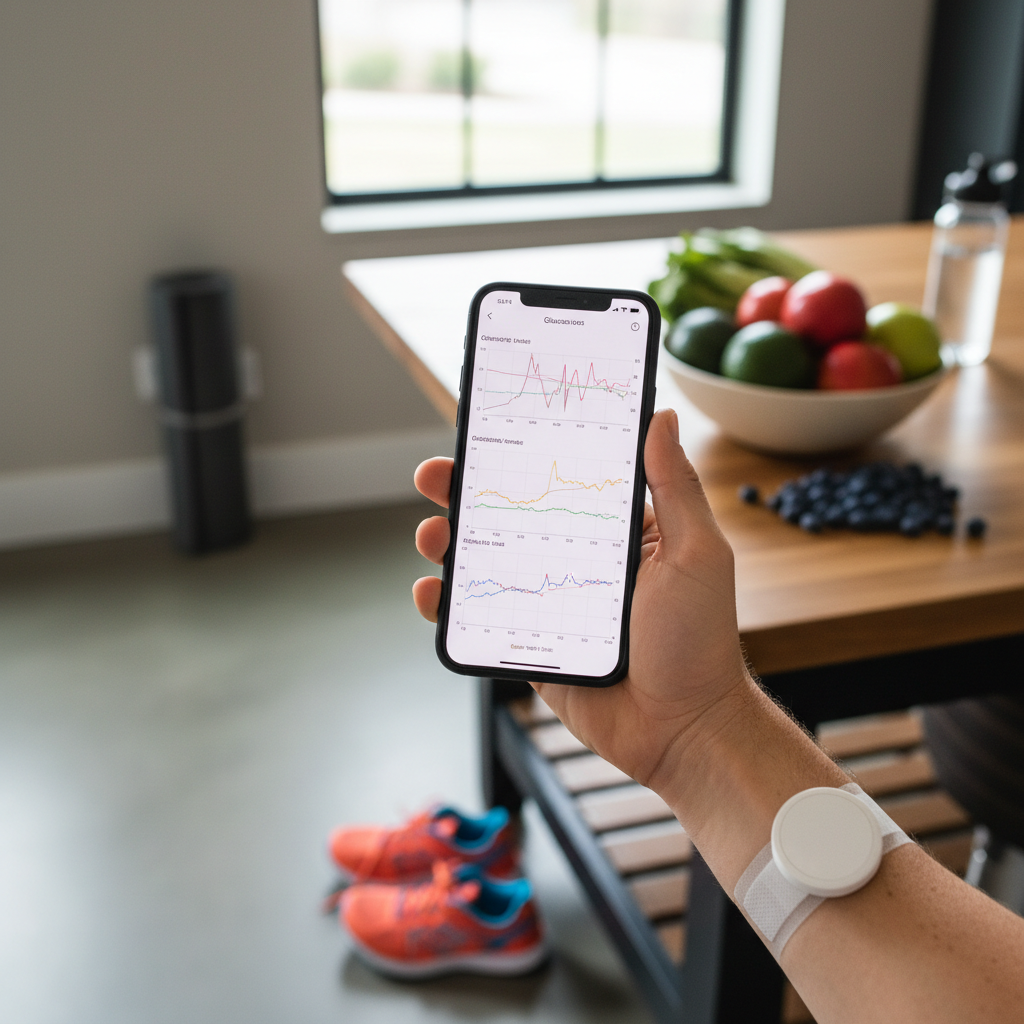
Learn how healthy adults can interpret Continuous Glucose Monitor (CGM) data to optimise metabolic health and support longevity.
# Mastering CGM Data Interpretation for Healthy Adults' Longevity
In the relentless pursuit of extending our healthspan, we're witnessing a paradigm shift from reactive treatment to proactive prevention. One of the most powerful tools to emerge in this movement is the Continuous Glucose Monitor (CGM). Once exclusively the domain of individuals with diabetes, CGMs are now becoming indispensable for healthy adults keen to optimise their metabolic health, understand their unique physiological responses, and, ultimately, extend their longevity. Far from a diagnostic device, for healthy individuals, a CGM acts as a biofeedback instrument, offering real-time insights into how diet, exercise, stress, and sleep influence blood glucose levels.
At Longevity Stack, we champion an evidence-first approach, and the data unlocked by CGMs provides a foundational layer for personalised health strategies. This guide will walk you through the nuances of CGM data interpretation for healthy adults, helping you translate raw numbers into actionable steps towards a longer, healthier life.
Why Healthy Adults Should Care About Glucose Management
For many healthy adults, the idea of monitoring blood glucose might seem unnecessary. After all, if you don't have diabetes, why bother? The truth is, optimal glucose regulation is a cornerstone of metabolic health, irrespective of a diabetes diagnosis. Even in non-diabetic individuals, frequent glucose spikes and subsequent crashes, known as glucose dysregulation, can silently contribute to a cascade of negative health outcomes over time.
Research increasingly links chronic glucose variability and elevated average glucose levels, even within the 'normal' range, to increased risks for cardiovascular disease, neurodegenerative conditions like Alzheimer's, and accelerated cellular ageing. This is because high glucose levels can lead to advanced glycation end-products (AGEs), which damage tissues and promote inflammation. Furthermore, insulin resistance – often a precursor to type 2 diabetes – can develop gradually over years, presenting no overt symptoms until significant metabolic damage has occurred. By using a CGM, healthy adults can detect subtle signs of glucose dysregulation long before they manifest as disease, empowering them to intervene proactively. It’s about moving beyond merely being 'non-diabetic' to striving for 'optimally metabolically healthy.'
Understanding Key CGM Metrics and Optimal Ranges
Interpreting CGM data isn't just about spotting high numbers; it's about understanding patterns and what they signify. For healthy, non-diabetic adults, the 'optimal' ranges are often tighter than those for individuals managing diagnosed conditions.
* **Time in Range (TIR):** This is perhaps the most crucial metric. It represents the percentage of time your glucose levels spend within a target range. For healthy adults, the target range is typically considered 3.9–7.8 mmol/L (70–140 mg/dL). Aim for >90-95% TIR. Some experts advocate for an even tighter range, such as 3.9–6.7 mmol/L (70–120 mg/dL), especially for longevity optimisation. Consistent time above 7.8 mmol/L or below 3.9 mmol/L should be investigated. * **Average Glucose:** While not as granular as TIR, a lower average glucose level within the healthy range is generally better. For healthy adults, an average of 4.4–5.5 mmol/L (80–100 mg/dL) is ideal. High averages, even if still within 'normal' lab ranges, could indicate subtle insulin resistance. * **Glucose Standard Deviation (SD) / Coefficient of Variation (CV):** These metrics quantify glucose variability. Low variability is a hallmark of good metabolic health. A standard deviation below 1.1 mmol/L (20 mg/dL) and a CV below 36% are generally considered excellent. High variability, characterised by frequent spikes and troughs, puts stress on the pancreas and can contribute to endothelial dysfunction. * **Post-meal Glucose Spikes (Postprandial Excursions):** This refers to how high your glucose rises after eating. For healthy adults, a post-meal peak ideally shouldn't exceed 7.8 mmol/L (140 mg/dL) and should return to pre-meal levels within 2-3 hours. Prolonged or excessively high spikes indicate a significant glucose load or poor insulin sensitivity. Regularly exceeding 7.8 mmol/L, even briefly, can have cumulative detrimental effects. * **Fasting Glucose:** Your glucose level after an overnight fast (typically 8-12 hours). For healthy individuals, this should ideally be between 3.9–5.5 mmol/L (70–100 mg/dL). Consistently elevated fasting glucose can be an early indicator of insulin resistance.
Beyond these core metrics, some advanced CGM platforms also provide insights into **Glycaemic Variability Index (GVI)** or **Incremental Area Under the Curve (iAUC)** for meals, offering a more nuanced view of glucose response. Remember, CGMs measure interstitial fluid glucose, which typically lags behind blood glucose by about 5-15 minutes. This lag is usually negligible for trend analysis but important for understanding real-time reactions.
Practical Interpretation: What Your CGM is Telling You
Let's delve into practical scenarios and how to interpret common CGM patterns. The beauty of a CGM is its ability to reveal your *individual* metabolic fingerprint.
### **Scenario 1: High Post-Meal Spikes**
If you consistently see your glucose spike above 7.8 mmol/L (140 mg/dL) after certain meals, it's a clear signal that your body struggled to handle that particular glucose load. What to do?
* **Identify Culprits:** Log your food meticulously. High spikes are usually linked to refined carbohydrates (white bread, pasta, sugary drinks), large portions of starches, or certain fruits. Even 'healthy' options like oatmeal or rice can cause significant spikes in some individuals due to their high carbohydrate content. Learn more about optimising your diet for longevity by exploring resources on /protocols/time-restricted-eating and balanced nutrition. * **Modify Meal Composition:** Pair carbohydrates with protein, healthy fats, and fibre. This slows digestion and glucose absorption. For example, instead of plain toast, opt for whole-grain toast with avocado and eggs. * **Meal Sequencing:** Eating vegetables first, followed by protein/fat, then carbohydrates, can significantly blunt post-meal spikes. This strategy has been shown to reduce postprandial glucose and insulin responses. * **Walk it Off:** A short, brisk walk (10-15 minutes) immediately after a meal can dramatically reduce glucose spikes by increasing glucose uptake by muscles. Consider implementing this into your routine.
### **Scenario 2: Nocturnal Glucose Trends**
Monitoring your glucose overnight can reveal crucial insights into insulin sensitivity and liver glucose production.
* **Stable Overnight Glucose:** Ideally, your glucose should remain stable, or even gently dip, overnight, staying within 3.9–5.5 mmol/L. This indicates good insulin sensitivity and appropriate liver glucose regulation. * **Dawn Phenomenon:** A natural rise in glucose in the early morning hours (typically 3-6 AM) due to a surge in hormones like cortisol and growth hormone. This is normal to a degree, but an excessive rise might indicate suboptimal insulin sensitivity. Exercise earlier in the day or adjusting dinner timing/composition might help. * **Somogyi Effect:** Less common in healthy individuals, this involves a dip in glucose during the night (often due to too much insulin or inadequate evening food), followed by a rebound high. If you experience unexpected nocturnal lows, consult a professional.
### **Scenario 3: Stress and Glucose**
Your CGM can strikingly illustrate the physiological impact of stress. A stressful work meeting, an argument, or even poor sleep can cause glucose levels to rise, even without eating. This is due to the release of stress hormones (cortisol, adrenaline) that signal the liver to release glucose.
* **Acknowledge and Manage:** Recognise stress as a metabolic disruptor. Practices like meditation, deep breathing exercises, or simply stepping away for a few minutes can help. Prioritising quality sleep is paramount for metabolic resilience. Our articles on /protocols/sauna and /protocols/cold-exposure explore how hormetic stressors, when managed, can improve resilience, but chronic psychological stress is detrimental.
Unveiling the Impact of Lifestyle Choices
Your CGM is not just about food; it's a holistic health monitor. It provides invaluable feedback on how different lifestyle interventions influence your metabolic state.
* **Exercise:** Regular physical activity, particularly resistance training and /protocols/zone-2-cardio, significantly improves insulin sensitivity. You'll often see lower baseline glucose levels and reduced post-meal spikes on days you exercise. An intense workout can sometimes temporarily *increase* glucose (due to liver glucose release), but the long-term effect is beneficial. * **Sleep:** Poor sleep is a potent metabolic disruptor. Even a single night of inadequate sleep can impair insulin sensitivity, leading to higher fasting glucose and more pronounced post-meal spikes the following day. Your CGM will clearly show this. Prioritise 7-9 hours of quality sleep nightly. * **Supplements:** Certain supplements can modulate glucose metabolism. For example, some individuals find that berberine or magnesium glycinate can help with glucose regulation. However, these should always be integrated cautiously and based on individual needs and professional advice.
Common Pitfalls and Advanced Optimisation Strategies
While CGMs offer incredible insights, it's easy to misinterpret data or miss nuances.
### **Pitfalls to Avoid:**
* **Over-restriction:** Don't let your CGM lead you to unnecessarily cut out healthy, nutrient-dense foods (e.g., certain fruits or whole grains) if your response is within optimal ranges. Focus on overall patterns, not just isolated spikes. * **Ignoring Context:** A glucose spike after an intense workout or a stressful event is different from a spike after a sugary drink. Always consider the context of the reading. * **Data Overload:** It's easy to get overwhelmed. Focus on 2-3 key metrics initially (e.g., TIR, post-meal spikes) and gradually expand your analysis.
### **Advanced Optimisation:**
* **Personalised Nutrition:** Use your CGM to truly understand your unique 'food fingerprint.' You might find you react differently to foods than your friend or generic dietary advice suggests. This level of personalisation is where true metabolic optimisation for longevity lies. Consider experimenting with specific macronutrient ratios or meal timings based on your data. * **Timing of Meals:** Experiment with /protocols/time-restricted-eating patterns and observe how an earlier dinner or a longer overnight fast impacts your morning fasting glucose and overall stability. For some, even a small snack late at night can disrupt nocturnal glucose stability. * **Hydration:** Dehydration can elevate glucose readings. Ensure you're adequately hydrated throughout the day. * **Fibre Intake:** Increasing soluble and insoluble fibre can significantly improve glucose control by slowing absorption and improving gut health, which in turn influences metabolism.
Monitoring your CGM data over weeks and months allows you to build a comprehensive picture of your metabolic health, identifying trends and understanding the subtle interplay between your body and your environment. The goal isn't perfection, but continuous improvement and sustainable habits that support a long, vibrant healthspan.
Bottom line
Continuous Glucose Monitors represent a powerful, accessible tool for healthy adults committed to proactive health and longevity. By moving beyond a simple diagnostic approach, and instead embracing CGM data as a biofeedback mechanism, you can gain unparalleled insights into your body's unique metabolic responses to diet, exercise, stress, and sleep. Interpreting key metrics like Time in Range, glucose variability, and post-meal spikes allows for highly personalised adjustments, leading to improved insulin sensitivity, reduced inflammation, and a significant step towards optimising your healthspan. This proactive approach to metabolic health is not just about preventing disease; it's about fostering an environment where your body can thrive for decades to come.
*Please note: Any discussion of peptides, drugs, or supplements is for informational purposes only and not medical advice. Consult a healthcare professional before making any changes to your health regimen or using any new substances. Read our full /legal/disclaimer.*