Optimising Your Cold Plunge Protocol for Brown
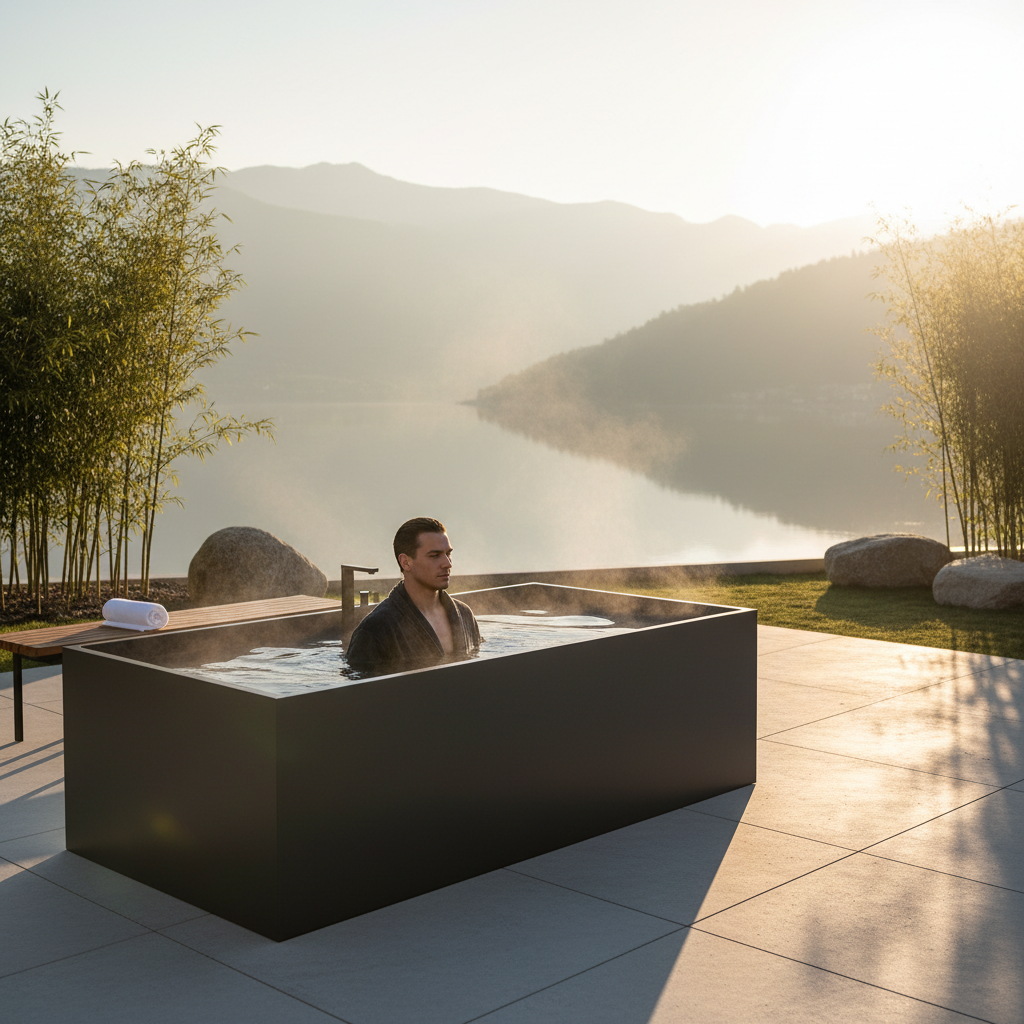
Learn how to effectively implement a cold plunge protocol to activate brown fat, elevate mood, and reap significant longevity benefits.
# Optimising Your Cold Plunge Protocol for Brown Fat and Mood
Cold exposure, particularly via cold water immersion or a "cold plunge", has transcended its niche status among biohackers and athletes to become a mainstream topic in health and longevity circles. Far from being a mere test of mental fortitude, strategic cold exposure offers a compelling suite of physiological benefits, ranging from enhanced metabolic function through brown fat activation to significant improvements in mood regulation. For those seeking to leverage this powerful intervention, understanding the underlying mechanisms and establishing an effective cold plunge protocol is paramount.
The human body, in its remarkable adaptability, responds to cold stress in profound ways. One of the most intriguing responses is the activation and expansion of brown adipose tissue (BAT), commonly known as brown fat. Unlike white fat, which stores energy, brown fat burns calories to generate heat (thermogenesis). This process, known as non-shivering thermogenesis, is a metabolic superpower, capable of increasing energy expenditure and improving glucose and lipid metabolism. Beyond the metabolic advantages, cold exposure also triggers neurochemical changes that can profoundly impact mental well-being, offering a natural antidote to stress and promoting a sense of calm and alertness.
This guide will delve into the science underpinning cold plunge benefits, explore optimal protocols for brown fat activation and mood enhancement, and provide practical advice for integrating this potent tool into your longevity strategy. We will dissect the critical variables – temperature, duration, frequency, and timing – to help you craft a personalised cold plunge regimen that yields tangible results.
The Science of Cold: Brown Fat Activation and Metabolic Health
The discovery of metabolically active brown fat in adult humans revolutionised our understanding of human thermoregulation and energy balance. For decades, it was believed that brown fat was primarily relevant to infants, but imaging techniques confirmed its presence and activity in adults. When exposed to cold, the sympathetic nervous system stimulates brown fat, prompting it to metabolise glucose and fatty acids. This activation is mediated by norepinephrine, which binds to beta-adrenergic receptors on brown adipocytes, initiating a cascade of events leading to uncoupling protein 1 (UCP1) activation and heat production. This process is highly energy-intensive and can significantly increase resting metabolic rate.
Regular, controlled cold exposure has been shown to not only activate existing brown fat but also to induce the 'browning' of white adipose tissue, transforming energy-storing white fat cells into more metabolically active, brown-like adipocytes. This adaptive thermogenesis is a key mechanism through which cold plunges can contribute to improved metabolic health, including enhanced insulin sensitivity and better blood glucose control. A study published in *Nature Medicine* highlighted how even mild cold exposure could increase brown fat activity and glucose uptake in humans, underscoring its therapeutic potential for metabolic disorders. nature.com/articles/nm.3721
The implications for longevity are clear: a more robust metabolic profile reduces the risk of age-related diseases such as type 2 diabetes and cardiovascular disease. By strategically challenging your body with cold, you're essentially training your metabolic machinery to operate more efficiently, contributing to a healthier, more resilient physiological state.
Neurochemical Shifts: Cold Plunges and Mood Enhancement
Beyond its metabolic prowess, cold exposure exerts a profound influence on brain chemistry and mental well-being. The immediate shock of cold water triggers a powerful physiological stress response, activating the sympathetic nervous system and leading to a surge in adrenaline and noradrenaline. While this initial jolt can be intense, it is quickly followed by a parasympathetic rebound, promoting relaxation and a sense of calm.
Crucially, cold exposure has been shown to increase the release of dopamine, a neurotransmitter critical for motivation, focus, and pleasure. Research indicates that cold water immersion can cause a sustained increase in dopamine levels, significantly higher and longer-lasting than many other stimuli. This sustained elevation in dopamine can contribute to improved mood, increased mental alertness, and a greater capacity to handle stress. Furthermore, the deliberate exposure to discomfort and subsequent mastery over it fosters mental resilience and self-efficacy, acting as a form of hormesis for the mind.
Chronic inflammation is increasingly recognised as a driver of mood disorders. Cold exposure has anti-inflammatory effects, reducing systemic inflammation by modulating cytokine production. This reduction in inflammation could indirectly contribute to improved mood and reduced symptoms of depression and anxiety. The combination of neurochemical modulation and anti-inflammatory action makes cold plunges a compelling non-pharmacological intervention for mental health support. For those exploring comprehensive strategies for mental well-being, interventions like glycine and magnesium glycinate also play a role in neurotransmitter balance and stress reduction, complementing the effects of cold exposure.
Crafting Your Optimal Cold Plunge Protocol: Temperature, Duration, and Frequency
Developing an effective cold plunge protocol involves carefully considering several key variables: water temperature, immersion duration, and frequency. There isn't a single universal protocol, as individual tolerance and desired outcomes vary, but evidence-based guidelines can help you get started.
### Temperature For significant brown fat activation, temperatures between **4-15°C (39-59°F)** are generally recommended. Lower temperatures within this range tend to elicit a stronger thermogenic response. However, it's crucial to start conservatively, especially if you're new to cold exposure, gradually decreasing the temperature as your body adapts. Aim for a temperature that induces a noticeable cold stress response without being unbearably painful or unsafe.
### Duration Initial sessions should be brief, typically **30 seconds to 1 minute**. As you acclimatise, you can gradually extend the duration. For optimal brown fat activation and mood benefits, research suggests durations of **2-5 minutes** per session are effective. Prolonged exposure, especially at very low temperatures, increases the risk of hypothermia and offers diminishing returns for most benefits. Listen to your body and never push beyond your limits.
### Frequency Consistency is key. For tangible benefits in brown fat expansion and mood regulation, aim for **3-5 sessions per week**. Daily exposure is not strictly necessary for many benefits and may even lead to overtraining if not managed carefully. Spacing out your sessions allows for adequate recovery and adaptation. Consider integrating your cold plunge into a broader protocols regimen that might include time-restricted eating or resistance training.
Timing and Integration: Maximising Benefits
The timing of your cold plunge can influence its effects, particularly concerning circadian rhythm and post-exercise recovery. While the precise optimal timing is still an area of ongoing research, here are some considerations:
* **Morning Plunge:** Many find a morning cold plunge invigorating. It can serve as an excellent stimulant, boosting alertness and mood, and potentially kick-starting brown fat activity early in the day. The dopamine surge can be particularly beneficial for setting a positive tone for the day. * **Post-Workout:** If you engage in strenuous exercise, the timing needs careful consideration. While cold plunges can aid in reducing muscle soreness and inflammation (especially after intense events), immediately plunging after strength training may blunt some of the hypertrophic signalling. If muscle growth is your primary goal, consider waiting a few hours post-workout or reserving cold plunges for recovery days. However, for general fitness and inflammation management, a post-workout plunge can be highly beneficial. * **Evening Plunge:** While stimulating, some individuals find that a brief cold plunge in the early evening can actually aid sleep by promoting a strong parasympathetic rebound. However, for others, the adrenergic surge might be too activating. Experiment to see how your body responds.
Integrating cold plunges into a holistic longevity strategy means considering other biohacks and interventions. For instance, pairing cold plunges with sauna exposure (contrast therapy) has shown enhanced benefits for cardiovascular health and resilience. Furthermore, supporting your body with essential nutrients like omega-3 fatty acids and vitamin D can bolster overall physiological function, making your body more resilient to stressors like cold.
Practical Tips and Safety Considerations
Embarking on a cold plunge journey requires a thoughtful approach to safety and practical logistics. While the benefits are compelling, respecting the power of cold is crucial.
### Starting Safely If you're new to cold exposure, begin gradually. Start with cold showers before attempting a full plunge. Focus on controlled breathing techniques to manage the initial shock. Inhale deeply through your nose and exhale slowly through your mouth. This helps activate the parasympathetic nervous system and calms the stress response. For those with pre-existing health conditions, particularly cardiovascular issues, consult your doctor before starting any cold exposure regimen. The sudden vasoconstriction can be dangerous for individuals with certain heart conditions.
### Equipment and Environment While a dedicated cold plunge tub offers precision temperature control, you can start with a chest freezer converted into a cold bath or even a regular bathtub filled with cold water and ice. Ensure your environment is safe, especially regarding slipping hazards. Have a warm towel or robe ready immediately after your plunge. Some people prefer to dry off quickly, while others allow themselves to air dry to prolong the cold exposure's thermogenic benefits.
### Listening to Your Body Never ignore signs of extreme discomfort, numbness, or uncontrollable shivering. These are signals to exit the cold water. The goal is controlled hormetic stress, not prolonged suffering or hypothermia. Focus on progressive overload – gradually increasing duration and decreasing temperature as your body adapts.
For those interested in exploring advanced longevity tools, platforms like Longevity Stack offer AI tools that can help track biological age, analyse biomarker insights, and even suggest supplement stacks or peptide research relevant to your goals, creating a truly personalised approach to healthspan optimisation. Remember that while certain supplements or peptides might be discussed in the context of longevity, always exercise caution. Any discussion of specific peptides, drugs or supplements is for informational purposes only and not medical advice. Consult a healthcare professional before making any changes to your health regimen. For more details, see our /legal/disclaimer.
Bottom Line
The cold plunge protocol, when implemented thoughtfully and safely, represents a potent tool in your longevity arsenal. By consciously exposing your body to cold, you activate brown adipose tissue for enhanced metabolic function, boost critical neurotransmitters for improved mood and resilience, and foster a robust physiological response to stress. Consistency, gradual progression, and attention to individual tolerance are the cornerstones of an effective cold plunge regimen.
Embrace the chill, not as an ordeal, but as a deliberate act of self-optimisation. The rewards — a sharper mind, a more efficient metabolism, and a profound sense of well-being — are well worth the initial discomfort. Integrate this powerful practice into your routine and unlock a new dimension of healthspan enhancement.