Creatine Monohydrate UK Availability &
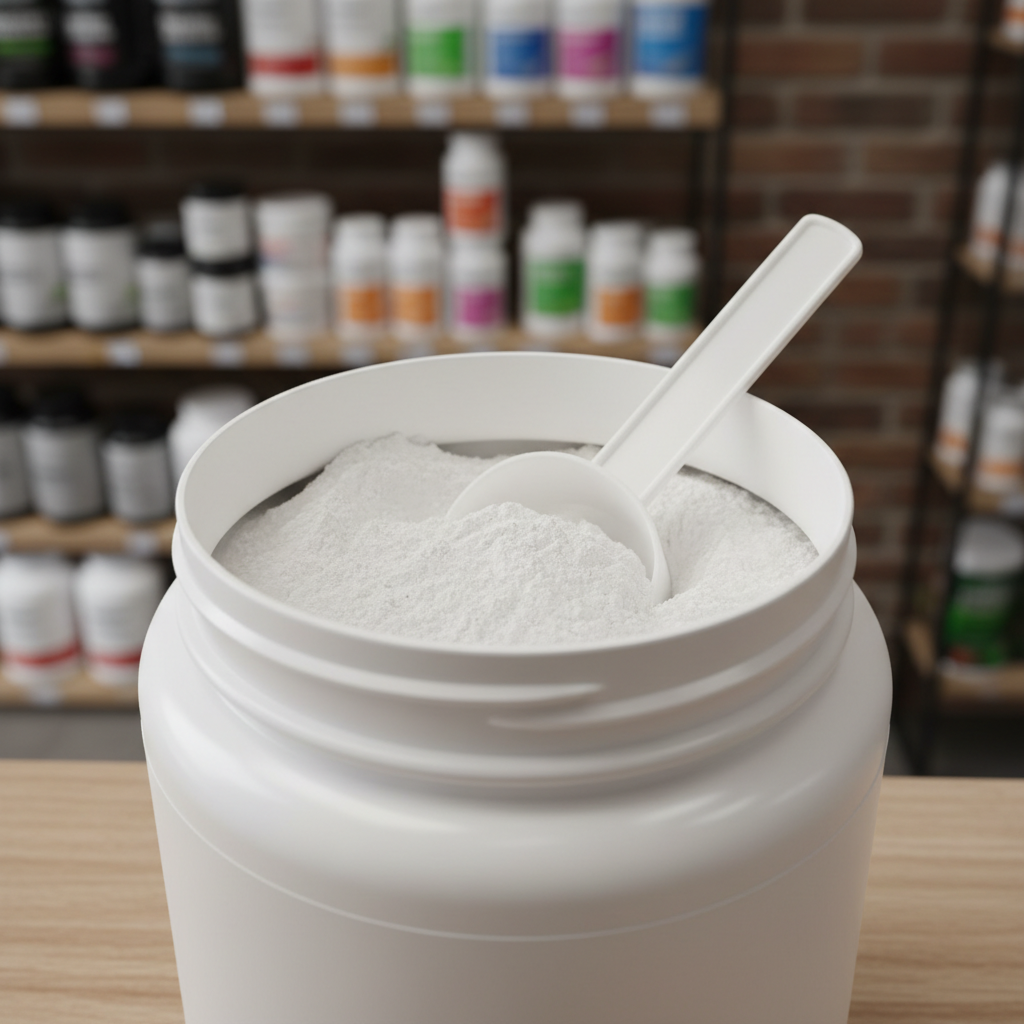
Understand the UK market for creatine monohydrate in 2026. We detail legal status, pricing, and how to source high-quality supplements safely and affordably.
# Creatine Monohydrate UK Availability & Cost: Your 2026 Guide
Creatine monohydrate, a compound extensively studied for its ergogenic and increasingly, cognitive benefits, has firmly cemented its place in the supplement regimes of athletes and increasingly, those focused on healthspan. Its mechanism primarily revolves around increasing phosphocreatine stores within muscle and brain tissue, accelerating ATP regeneration during periods of high-energy demand. This cellular energy boost translates to improved power output during short bursts of intense activity, and more recently, evidence suggests roles in cognitive function and even glucose metabolism. But for consumers in the United Kingdom, navigating the market for this popular supplement – from its legal standing to securing a reliable, cost-effective supply – presents a unique set of considerations. This comprehensive guide will illuminate the landscape of creatine monohydrate in the UK as of 2026, offering insights into its regulation, typical pricing, reputable sourcing, and crucial red flags to avoid.
Regulatory Landscape: MHRA & UK Law
In the UK, creatine monohydrate is categorised as a food supplement, not a medicinal product. This distinction is paramount, as it means creatine is primarily regulated under food safety legislation rather than by the Medicines and Healthcare products Regulatory Agency (MHRA), which governs pharmaceuticals. This is excellent news for accessibility, as it means no prescription is required, and it's readily available over-the-counter and online. The key legislation governing food supplements in the UK is the Food Safety Act 1990, alongside various EU regulations that were retained post-Brexit and continue to apply. These regulations primarily focus on ensuring products are safe for consumption, accurately labelled, and do not make misleading health claims. Unlike some other compounds or peptides, creatine has never been a controlled substance in the UK. This lack of stringent pharmaceutical oversight means that while availability is high, the onus often falls on the consumer to verify the quality and purity of what they're buying. It's a double-edged sword: freedom of access, but also the need for due diligence. When discussing any supplement or compound, particularly those with physiological effects, it's prudent to consult our /legal/disclaimer.
Typical UK Pricing: What to Expect in 2026
As of 2026, the price of creatine monohydrate in the UK remains highly competitive, primarily due to its widespread production and lack of patent restrictions. You'll find significant variation based on brand, retailer, purity claims, and the quantity purchased. For a standard 500g tub of pure creatine monohydrate, which typically provides 100 servings at 5g per serving, prices generally range from £15 to £30. This translates to an incredibly cost-effective daily dose of around 15p to 30p. Larger bulk purchases, such as 1kg or 2.5kg bags, often offer even better value per serving. For instance, a 1kg bag might cost between £25 and £45, reducing the per-serving cost further. Premium brands, or those offering micronised versions (which can improve solubility, though not necessarily efficacy), might sit at the higher end of this scale. Retailers like Boots, Holland & Barrett, and major supermarkets (Tesco, Sainsbury's) typically stock foundational brands, while specialist online retailers offer a broader selection and often more competitive pricing, particularly for larger quantities. Always factor in shipping costs when comparing online prices; sometimes, a slightly higher unit price from a local shop might be cheaper than a 'bargain' online if delivery charges are steep. My personal approach is to calculate the cost per gram – it’s the clearest way to compare like-for-like.
Reputable Sourcing: Where to Buy Quality Creatine
Sourcing high-quality creatine monohydrate is crucial. The market is saturated, and while most products are legitimate, the risk of contamination or under-dosing from unscrupulous sellers, particularly on less regulated marketplaces, is real. In the UK, look for suppliers who can demonstrate third-party testing for purity and contaminants. Reputable brands often make their Certificates of Analysis (CoAs) readily available on their websites. These CoAs should verify the creatine content and confirm the absence of heavy metals, banned substances, and other impurities. Recognised online retailers focusing specifically on sports nutrition or health supplements often have robust supply chains and quality control measures. Established brands that have been in the market for many years are generally a safe bet. Furthermore, consider brands that explicitly state their creatine is Creapure® – a patented form of creatine monohydrate manufactured in Germany, renowned for its exceptional purity (99.9% creatine monohydrate). While often slightly more expensive, Creapure® offers a benchmark for quality and peace of mind. For those looking to support overall healthspan, ensuring product purity aligns with the broader goals of Mitochondrial Optimization and robust cellular function. Always be wary of prices that seem too good to be true, as they often are.
Third-Party Testing & Certifications: The Gold Standard
Third-party testing is non-negotiable for any supplement, especially when purchasing online. Since the MHRA doesn't directly regulate creatine as a drug, independent verification is your best safeguard. Look for certifications from organisations like Informed-Sport, LGC, or similar reputable analytical laboratories. These certifications indicate that the product has been tested for banned substances, making them particularly important for competitive athletes. For the general public, they offer assurance regarding purity and ingredient accuracy. A Certificate of Analysis (CoA) from a third-party lab should ideally be batch-specific and available upon request or directly on the product page. This document should detail the raw material assay (confirming it's 100% creatine monohydrate), heavy metal screening (lead, mercury, cadmium, arsenic), and microbiological testing. Without these assurances, you're essentially taking a punt on what's in the tub. While the health risks of contaminated creatine are typically low, consistent ingestion of unknown substances undermines the very purpose of supplementation. This level of scrutiny also extends to other supplements like NMN and Urolithin A – the principle of verified purity is universal for effective healthspan interventions. The diligence here is not just about avoiding harm, but ensuring you actually receive the promised benefits, whether that's improved strength for Muscle Preservation 50+ or support for Cognitive Enhancement.
Red Flags & Scams: What to Avoid When Buying Online
The convenience of online shopping for creatine comes with its own set of pitfalls. Be acutely aware of several red flags that could indicate a dubious product or seller. Firstly, avoid websites with excessively low prices that are significantly out of sync with the broader market. If a 1kg bag is being sold for under £10, extreme caution is warranted. Secondly, be suspicious of products with vague ingredient lists, generic packaging, or those lacking clear manufacturer information and contact details. A complete absence of third-party testing results or CoAs is a major warning sign. Thirdly, steer clear of sellers that make outlandish, unsubstantiated health claims that go far beyond creatine's established benefits – this often signals a broader pattern of misinformation. Finally, unreliable customer reviews (either too perfect, or overwhelmingly negative without proper resolution) on platforms like Trustpilot or product pages can also be telling. Real customer feedback, especially if it mentions inconsistent product quality or poor customer service, should not be ignored. A good rule of thumb: if a deal feels too good to be true, it probably is. Stick to well-known retailers and brands with a verifiable track record, even if it means paying a few extra quid.
Creatine and Metabolic Health: A Broader UK Context
Beyond its well-known role in muscle energetics, emerging research, some of which we've explored in "Creatine Monohydrate & Metabolic Health: A", suggests creatine may offer benefits for metabolic health. Studies indicate it can improve glucose uptake and insulin sensitivity, potentially supporting better Glucose Control. For individuals in the UK monitoring biomarkers such as Fasting insulin, Fasting glucose, or HbA1c, creatine could be a complementary tool within a broader metabolic optimisation strategy. This is not to say creatine is a magic bullet, but its potential to positively influence these markers, observed in some human trials (e.g., a 2008 study in *Amino Acids* showed creatine supplementation improved glycaemic control in type 2 diabetics after 12 weeks with a 16% reduction in HbA1c, PMID: 17618029), adds another layer to its appeal. Given the rising prevalence of metabolic syndrome in the UK, any accessible supplement that can contribute positively, even modestly, to these parameters warrants attention. Our editorial team have seen anecdotal reports from readers tracking their Fasting glucose who experienced marginal improvements alongside regular creatine intake and resistance training. However, it’s critical to understand that these benefits are supplementary to, not a replacement for, lifestyle interventions like diet and exercise.
The Bottom Line: Worth It for UK Consumers in 2026
For UK consumers in 2026, creatine monohydrate remains an unequivocally worthwhile supplement, offering excellent value for money and a robust evidence base for its benefits. Its legal status as a food supplement ensures easy accessibility, and with a typical daily cost of 15p to 30p, it's one of the most budget-friendly performance and healthspan enhancers available. The key to successful supplementation in the UK lies in diligent sourcing: prioritise reputable brands, demand evidence of third-party testing (like CoAs), and be wary of overly cheap products or sellers lacking transparency. For those seeking improvements in athletic performance, muscle preservation, or even considering its emerging benefits for cognitive and metabolic health, creatine offers a high return on investment. Avoid the temptation of unverified online marketplaces and stick to established channels. This diligence ensures you're not just buying creatine, but buying *quality* creatine, safeguarding both your wallet and your health. Ultimately, for the vast majority of individuals, creatine is a safe, effective, and economical addition to a longevity-focused regimen, provided it's sourced intelligently.