Epithalon for Sleep: Unlocking Circadian Rhythm
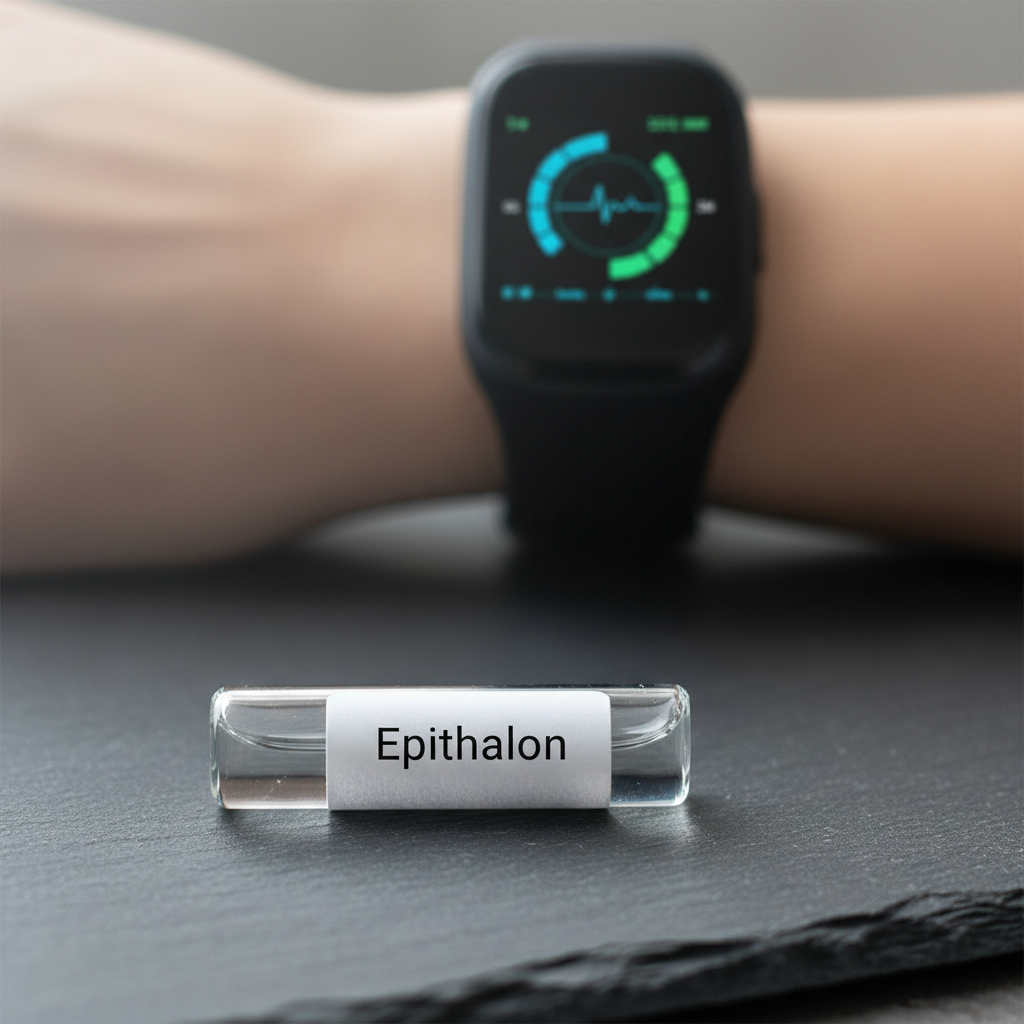
Epithalon, a synthetic tetrapeptide, is gaining traction for its potential role in optimising sleep and regulating circadian rhythms.
# Epithalon for Sleep: Unlocking Circadian Rhythm in 2026
Epithalon, a synthetic tetrapeptide (Ala-Glu-Asp-Gly), has intrigued researchers and biohackers alike for its purported anti-ageing properties, primarily through telomerase activation. However, a less publicised, yet equally fascinating, area of investigation centres on its potential to modulate sleep architecture and harmonise circadian rhythms. With the relentless pace of modern life, optimising sleep has become a holy grail for many seeking enhanced healthspan and cognitive function. Can Epithalon genuinely contribute to this quest by 2026? We delve into the current evidence, separating the promising signals from the speculative noise.
The peptide's journey into the scientific spotlight began in Russia, primarily through the work of Professor Vladimir Khavinson. Early research suggested Epithalon could influence the pineal gland, a small endocrine gland in the brain responsible for producing melatonin, the hormone central to regulating sleep-wake cycles. The proposed mechanism involves normalisation of pineal function, leading to a more robust and rhythmic secretion of melatonin, which in turn could fine-tune the body's internal clock. This isn't just about falling asleep faster; it's about restoring a natural, deeply restorative sleep pattern. Anecdotal reports often cite improved sleep quality, easier onset, and waking feeling more refreshed, but these must be weighed against rigorous scientific scrutiny.
The Pineal Gland Connection and Melatonin Modulation
The pineal gland’s role in regulating our circadian rhythm is undisputed. As we age, its function can decline, often leading to reduced nocturnal melatonin production and fragmented sleep. Epithalon's potential to reverse or mitigate this decline is a cornerstone of its appeal for sleep optimisation. Studies, predominantly in animal models and older human cohorts, have indicated that Epithalon administration can lead to increased melatonin levels, particularly during the night, mimicking a more youthful secretion pattern. This is a critical distinction: it's not simply about exogenous melatonin supplementation, but about stimulating the body's own endogenous production in a physiologically appropriate manner. Improved Sleep Architecture, particularly an increase in slow-wave sleep (deep sleep) and more consistent REM sleep, has been observed in some of these studies, translating to better physical and mental restoration. Tracking key biomarkers like Sleeping HR and HRV overnight via a Biomarker insights tool could provide objective data on these improvements.
However, the quality of evidence supporting these claims, particularly in healthy human populations, is predominantly Grade C – largely relying on small, often non-randomised, or uncontrolled human studies and animal research. While intriguing, robust, large-scale, double-blind, placebo-controlled trials are scarce. This means we should approach the claims with cautious optimism. For example, some early human trials involving elderly patients with sleep disturbances noted subjective improvements in sleep quality and objective changes in EEG patterns indicative of deeper sleep. A study published in "Neuroendocrinology Letters" (PubMed ID: 12695519) examined the effect of Epithalon on circadian rhythms in aged monkeys, observing a restoration of the nocturnal peak of melatonin secretion. While promising, the leap from aged monkeys to healthy humans requires further investigation. The mainstream view typically focuses on behavioural interventions for sleep; the data for peptides is messier, but warrants attention.
Impact on Sleep Stages and Circadian Markers
Beyond just melatonin, Epithalon's influence on the intricate dance of sleep stages is of significant interest. Deep sleep, or slow-wave sleep, is crucial for physical repair, hormone regulation, and memory consolidation. REM sleep, on the other hand, is vital for emotional processing and learning. Disruptions in these stages are common in many sleep disorders and with ageing. Early research suggests Epithalon may help restore a more balanced sleep architecture, potentially increasing the proportion of deep sleep and improving REM sleep quality. This could directly contribute to better daytime functioning, enhanced cognitive performance, and improved Stress Resilience.
Measuring improvements in sleep quality can be subjective, but objective markers like increased Deep sleep percentage, better REM sleep duration, and improved HRV overnight (Heart Rate Variability) provide a more accurate picture. When considering peptide protocols, it’s worth thinking about the synergy with other interventions. For instance, combining Epithalon with strategies focused on Mitochondrial Optimization might amplify benefits, as mitochondrial health is intimately linked with cellular energy and circadian regulation. Anecdotal reports often speak of waking up feeling more energised, which correlates with better sleep metrics. Our editorial take is that while early indicators are positive, particularly for those with age-related sleep disturbances, healthy individuals might see more subtle effects.
Dosing Considerations: Timing, Risks, and Contraindications
When considering Epithalon for sleep, the timing of administration is paramount. Given its purported role in normalising endogenous melatonin production, evening dosing, typically 30-60 minutes before bedtime, seems the most logical approach to support the natural nocturnal rise in melatonin. This could help reinforce the body's natural sleep cues. Typical dosages reported in research settings range from 1 to 10 mg, administered subcutaneously or intranasally, for cycles lasting 10-20 days. However, Epithalon, like other peptides, is not approved for general medical use in the UK. Any use falls outside regulated medical practice, and individuals considering it should be fully aware of the regulatory landscape and the lack of robust clinical trials in healthy populations. See our /legal/disclaimer for more information.
Risks appear minimal in the existing literature, with few adverse effects reported. However, this could be due to the limited scope and duration of studies. As with any novel compound, potential long-term effects are unknown. Contraindications are not well-defined, but pregnant or breastfeeding individuals, those with autoimmune conditions, or individuals on immunosuppressants should exercise extreme caution or avoid use entirely. Anyone considering Epithalon should consult a healthcare professional knowledgeable in advanced longevity protocols, understanding that such use would be off-label and largely experimental. This isn't a Boots or Holland & Barrett supplement; it's a research chemical.
The Landscape of Evidence and Future Prospects for 2026
The current evidence for Epithalon's impact on sleep and circadian rhythms, while promising in certain contexts, remains largely at the preclinical or early-phase human trial stage (Grade B/C). We lack the expansive, multi-centre, placebo-controlled studies that would solidify its position as a mainstream intervention. However, the mechanism of action – direct influence on the pineal gland and telomerase activity – offers a compelling biological rationale. Normalising melatonin production and potentially improving the rhythmic expression of circadian genes could have far-reaching benefits beyond just sleep, touching upon hormone balance (e.g., Morning cortisol), metabolic health, and cellular repair.
Looking towards 2026, the trajectory of peptide research suggests increased sophistication. We anticipate more targeted studies, potentially leveraging advanced wearables and AI tools to objectively measure sleep parameters and circadian markers. Understanding how Epithalon interacts with other established sleep-enhancing supplements or protocols, such as specific magnesium formulations like magnesium glycinate or even exercise timing, will be crucial. The promise is not just in inducing sleep, but in restoring the body's innate ability to regulate its own sleep-wake cycles, leading to more profound and sustainable benefits. The MHRA has not approved Epithalon for therapeutic use in the UK, highlighting the need for caution and adherence to responsible research practices.
Bottom Line
For individuals experiencing age-related disruptions to their sleep and circadian rhythm, Epithalon presents an intriguing, albeit investigational, option with preliminary evidence suggesting a positive impact on pineal function and melatonin production. If you've exhausted conventional avenues and are considering advanced longevity protocols with professional guidance, it might be worth exploring. However, for healthy individuals seeking marginal sleep improvements, the current Grade C evidence doesn't yet support widespread adoption. The lack of extensive human clinical trials means its long-term safety profile is not fully established. My advice for 2026: monitor the research closely; its potential is significant, but verifiable, robust data is still catching up with the hype. Prioritise foundational sleep hygiene first, then consider the advanced tools.