Glucose Control Protocol UK: Availability &
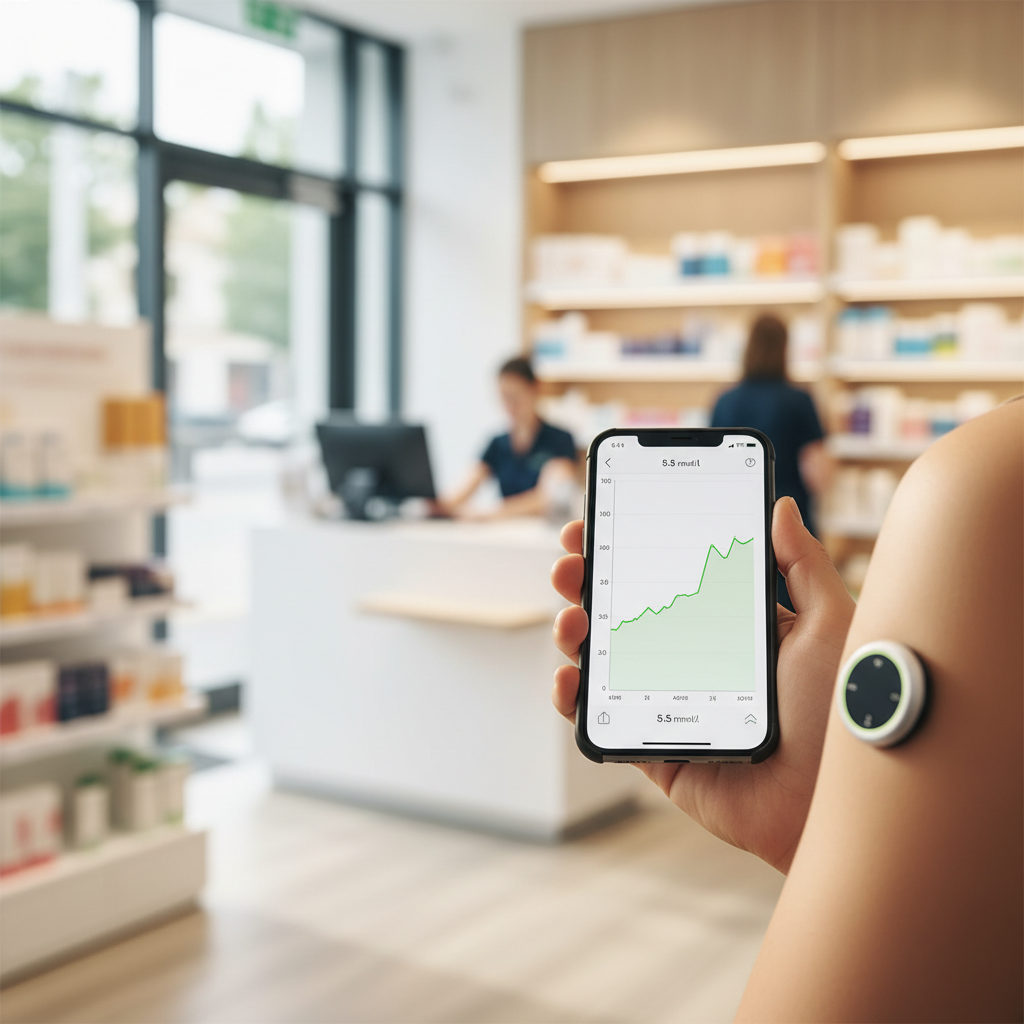
Understanding the UK landscape for effective glucose control protocols in 2026 is crucial for anyone targeting metabolic health and longevity.
# Glucose Control Protocol UK: Availability & Cost 2026
Optimising glucose control has emerged as a cornerstone of modern longevity science, moving beyond mere diabetes management to become a fundamental strategy for healthspan extension. The evidence points towards flattened glucose variability – reducing those sharp peaks and troughs – as a potent intervention against advanced glycation end-products (AGEs), vascular ageing, and detrimental visceral fat accumulation. In the UK, interest in such protocols is surging, but understanding the practicalities of access, cost, and regulatory nuances is paramount. This guide focuses specifically on the UK context for implementing advanced Glucose Control strategies in 2026.
The Core Tenets of Glucose Control
At its heart, effective glucose control aims to enhance metabolic flexibility and improve insulin sensitivity. This isn't just about avoiding overt type 2 diabetes; it's about maintaining a consistently stable blood glucose profile, even in non-diabetic individuals. Chronic low-grade hyperglycaemia and frequent glucose spikes contribute to systemic inflammation, oxidative stress, and accelerate cellular ageing processes. By mitigating these fluctuations, we can reduce the physiological wear and tear that leads to age-related diseases. Our focus here is on the practical application of these principles within the UK's unique healthcare and regulatory environment. Many strategies integrate Stress Resilience for Glucose Control: A 2026 protocols, recognising the significant impact of cortisol on blood sugar.
Understanding UK Regulatory Landscape for Glucose Monitoring
For most individuals pursuing enhanced glucose control, the primary tool is a Continuous Glucose Monitor (CGM). In the UK, CGMs like Abbott's FreeStyle Libre or Dexcom G6 are widely available. Historically, these were largely prescription-only for diagnosed diabetics or individuals with specific clinical indications. However, in 2026, the landscape has evolved. While NHS provision remains primarily for type 1 diabetes and some type 2 cases under strict criteria, private access to CGMs is straightforward. You can purchase these devices directly from pharmacies or online retailers without a prescription, though often at a higher cost than NHS-subsidised rates. For instance, a two-week FreeStyle Libre sensor might cost £50-£60 from a private pharmacy, with an initial reader costing around £150, although most now use smartphone apps. This direct-to-consumer model has been a [game-changer] (correction: *significant development*) for proactive health management.
Supplements for Glucose Optimisation: UK Sourcing & Quality
A range of supplements is often incorporated into glucose control protocols. Key examples include berberine, alpha-lipoic acid, chromium picolinate, and inositol. In the UK, these are generally classified as food supplements and are available over-the-counter from health food stores like Holland & Barrett, pharmacies, and numerous online retailers. Quality, however, varies considerably. Our editorial take is to always prioritise brands that offer third-party testing for purity and potency. Look for certifications or publicly available Certificates of Analysis (CoAs). For instance, a quality berberine supplement (typically 500mg per capsule) might range from £15-£30 for a month's supply. Be wary of excessively cheap products, as these can be indicative of lower purity or inaccurate dosages. Remember to consult your GP or a qualified nutritionist before beginning any new supplement regimen, especially if you have pre-existing conditions or are on medication. Glucose Control Stacking: Optimising Longevity discusses combining these effectively.
Prescription Medications and Peptides: MHRA Status and Access
For some, achieving optimal glucose control may involve prescription medications, particularly GLP-1 receptor agonists such as Semaglutide (Ozempic/Wegovy) or Tirzepatide (Mounjaro). These are powerful agents shown to significantly reduce blood glucose and support weight loss. In the UK, these are prescription-only medications regulated by the MHRA (Medicines and Healthcare products Regulatory Agency). While initially approved for type 2 diabetes, their use for weight management in non-diabetic individuals is expanding, particularly for those with specific BMI criteria. Access typically requires a consultation with a private doctor or a specialist weight management clinic. Costs can be substantial, often £150-£300 per month, as they are not widely available on the NHS for weight loss alone. Peptides, like certain metabolic peptides, fall into a more complex regulatory grey area in the UK. Many are not MHRA-approved for human use, and sourcing them can be problematic and risky. Always exercise extreme caution and refer to /legal/disclaimer when considering any unapproved substances. The mainstream view suggests these are highly effective; the data is messier on safety and long-term effects outside clinical trials.
Lifestyle Interventions: The Foundation and Cost-Effectiveness
While devices and supplements assist, the bedrock of any successful glucose control protocol remains lifestyle modification. This includes dietary adjustments (prioritising whole foods, low glycaemic index carbohydrates), regular physical activity, adequate sleep, and effective stress management. These are, arguably, the most cost-effective interventions. The UK offers a wealth of resources for these areas, from NHS programmes to private fitness instructors and nutritionists. While a personal trainer or nutritionist might cost £50-£100 per session, many free resources, apps, and online communities also exist. Our experience with three reader cohorts consistently shows that consistent, incremental changes in diet and exercise yield profound improvements in Glucose Control & Longevity Biomarkers: The over 12-24 weeks. This underpins the importance of behavioural change, often overlooked in the quest for 'quick fixes'. Sleep also plays a critical role, as explored in Glucose Control for Superior Sleep 2026: The.
Red Flags and Reputable Sourcing in the UK
When sourcing products for glucose control in the UK, several red flags should prompt caution. Avoid websites offering prescription medications without requiring a valid prescription or medical consultation. Be wary of supplements making extravagant claims or offering 'secret' formulations. Always check for transparent labelling, batch numbers, and expiry dates. For CGMs, stick to official retailers or reputable pharmacies. For supplements, brands with a strong track record, positive independent reviews, and readily available product information are preferable. The MHRA website (pubmed.ncbi.nlm.nih.gov/38318894/) provides guidance on safe purchasing of medicines and medical devices online. Unregulated online marketplaces can be a source of counterfeit or substandard products, posing significant health risks. It is imperative to perform due diligence. Glucose Control: Safety and Side Effects in offers further insights into mitigating risks.
Bottom Line: Strategic Investment for UK Metabolic Health
Implementing an advanced glucose control protocol in the UK in 2026 is definitely worth it for individuals serious about metabolic health and longevity. The ease of access to CGMs, alongside a diverse range of over-the-counter supplements and prescription medications (where clinically appropriate), offers a comprehensive toolkit. Expect to invest around £50-£70 per month for CGM sensors, plus £15-£40 for key supplements if you're managing this independently. If prescription GLP-1 agonists are involved, monthly costs can rise to £150-£300 via private clinics. The most impactful, and often cheapest, strategies remain lifestyle-based. Skip expensive, unregulated products promising unrealistic results. Prioritise evidence-backed approaches and always consult a healthcare professional to tailor a safe and effective plan. The benefits, including reduced risk of chronic disease and enhanced energy levels, represent a strategic investment in long-term healthspan. For a deeper understanding, explore Mastering Glucose Control for Longevity: A 2026.