Glycine and NAC Combo (GlyNAC) for Ageing: A
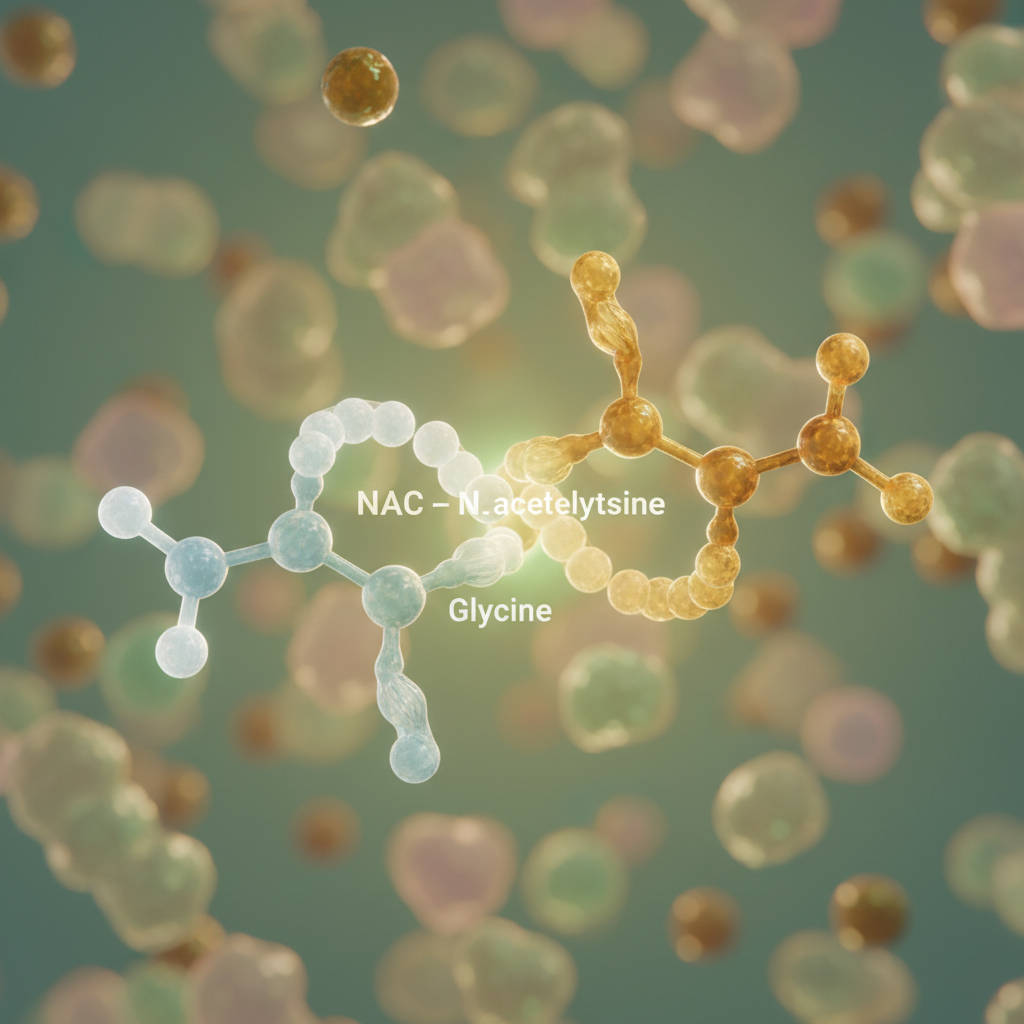
Discover how the glycine and N-acetylcysteine (NAC) combination, known as GlyNAC, may offer significant benefits for healthy ageing by combating oxidative stress and improving cellular function.
# Glycine and NAC Combo (GlyNAC) for Ageing: A Deep Dive into Evidence
As we navigate the complexities of ageing, the quest for interventions that can promote healthspan – the period of life spent in good health – becomes increasingly vital. While countless dietary supplements and lifestyle modifications are touted as anti-ageing solutions, a robust evidence base is paramount. Enter GlyNAC, a combination of glycine and N-acetylcysteine (NAC), which has garnered significant attention in recent years for its potential to mitigate various hallmarks of ageing.
This comprehensive review delves into the scientific literature surrounding GlyNAC, exploring its mechanisms of action, the evidence supporting its benefits, and its potential role in promoting healthy ageing. We will examine how this seemingly simple combination addresses critical cellular processes that decline with age, from oxidative stress to mitochondrial dysfunction.
Understanding the Building Blocks: Glycine and NAC
To appreciate the synergistic potential of GlyNAC, we must first understand its individual components. Glycine, a non-essential amino acid, is the simplest of all amino acids. Despite its structural simplicity, glycine plays a surprisingly multifaceted role in human physiology. It's a key component of collagen, involved in neurotransmission, and crucial for detoxification pathways. Perhaps most relevant to ageing, glycine is one of the three amino acids (along with cysteine and glutamate) required for the synthesis of glutathione, the body's 'master antioxidant'.
N-acetylcysteine (NAC), a derivative of the amino acid cysteine, is well-established for its mucolytic properties and its use as an antidote for paracetamol overdose. However, its broader therapeutic utility stems from its ability to directly replenish intracellular cysteine levels. Cysteine, often the rate-limiting amino acid for glutathione synthesis, can become depleted with age, certain medical conditions, and lifestyle factors. By providing a readily available source of cysteine, NAC indirectly boosts glutathione production, thereby enhancing the body's antioxidant defences.
The rationale behind combining glycine and NAC into GlyNAC is elegantly simple: address the dual depletion of glycine and cysteine, which together compromise glutathione synthesis and function, a phenomenon consistently observed in ageing. Research indicates that glutathione levels decline progressively with age, leading to increased oxidative stress and mitochondrial dysfunction – two pivotal drivers of the ageing process. Replenishing both precursors simultaneously is hypothesised to be more effective than supplementing with either alone.
The Ageing Connection: Oxidative Stress and Mitochondrial Dysfunction
Beyond simply being a part of the ageing process, oxidative stress and mitochondrial dysfunction are profoundly intertwined and accelerate biological decline. Oxidative stress occurs when there is an imbalance between the production of reactive oxygen species (ROS) and the body's ability to detoxify these harmful byproducts. ROS, generated during normal metabolic processes, can damage cellular components, including DNA, proteins, and lipids, contributing to cellular senescence and tissue degeneration. As we age, our endogenous antioxidant systems, particularly glutathione, become less efficient, exacerbating oxidative damage.
Mitochondria, often dubbed the 'powerhouses of the cell', are responsible for generating adenosine triphosphate (ATP), the primary energy currency. However, faulty mitochondria are also a significant source of ROS. With advancing age, mitochondrial function declines: their number can decrease, their morphology can become disorganised, and their efficiency in producing ATP diminishes. This mitochondrial dysfunction not only reduces energy availability but also perpetuates a vicious cycle of increased ROS production, further compounding oxidative stress. Impaired mitochondrial health is implicated in numerous age-related diseases, including neurodegenerative disorders, cardiovascular disease, and metabolic syndrome.
GlyNAC addresses these core issues by bolstering glutathione levels. Enhanced glutathione helps neutralise ROS, thereby reducing oxidative stress. Furthermore, glutathione is crucial for maintaining mitochondrial integrity and function. It protects mitochondrial DNA from oxidative damage, supports the activity of mitochondrial enzymes, and plays a role in mitochondrial biogenesis (the creation of new mitochondria). By improving these fundamental cellular processes, GlyNAC aims to tackle ageing at a foundational level.
GlyNAC's Impact on Hallmarks of Ageing: Clinical Evidence
The most compelling evidence for GlyNAC's efficacy largely stems from the pioneering work of Dr. Rajagopal Sekhar and his team at Baylor College of Medicine. Their research has provided significant insights into how GlyNAC impacts multiple hallmarks of ageing.
One landmark study, published in *Redox Biology*, investigated the effects of GlyNAC supplementation in older adults (aged 70-80 years) compared to younger adults (aged 20-30 years) and age-matched controls. The findings were striking: older adults exhibited lower glutathione levels, increased oxidative stress, and impaired mitochondrial function compared to their younger counterparts. After 16 weeks of GlyNAC supplementation, the older adults showed profound improvements: a normalisation of glutathione levels, a reduction in oxidative stress markers, and enhanced mitochondrial function, effectively re-setting cellular health towards a younger state. This robust study provides a strong foundation for GlyNAC's anti-ageing potential. Link to study
Further research from Sekhar's team has delved into specific physiological benefits. In a subsequent study published in *The Journal of Gerontology: Series A*, GlyNAC supplementation was found to improve muscle strength, gait speed, exercise capacity, cognitive function, and even reduce body fat and waist circumference in older adults. These improvements correlated with the cellular enhancements observed, suggesting a direct translation from improved cellular health to tangible healthspan benefits. The concept of targeting cellular senescence – where damaged cells cease dividing and accumulate, contributing to inflammation and tissue dysfunction – is also gaining traction. While direct evidence of GlyNAC's impact on senescent cell clearance is still emerging, its ability to reduce oxidative stress and inflammation suggests an indirect benefit. You can explore more about cellular health in our broader discussion on peptides for longevity.
### Metabolic Health and Inflammation
Beyond oxidative stress, chronic low-grade inflammation, often termed 'inflammaging', is another critical driver of age-related diseases. GlyNAC's ability to boost glutathione and reduce oxidative stress indirectly modulates inflammatory pathways. Glutathione plays a role in regulating immune responses, and its deficiency can lead to an overactive inflammatory state. By restoring glutathione, GlyNAC may help to temper this chronic inflammation.
On the metabolic front, studies have indicated that GlyNAC supplementation can improve insulin sensitivity and glucose metabolism. Ageing is often associated with a decline in these parameters, leading to an increased risk of type 2 diabetes. The mechanisms here are complex but likely involve the reduction of oxidative stress, which is known to impair insulin signalling, and potentially direct effects on mitochondrial glucose oxidation. This aligns with the broader goal of improving metabolic health for longevity, a key focus of many anti-ageing strategies.
GlyNAC for Cognitive Function: Emerging Insights
Cognitive decline is a pervasive concern in ageing. Oxidative stress and mitochondrial dysfunction in the brain are significant contributors to neurodegeneration. Given GlyNAC's profound effects on these cellular processes, its potential for supporting cognitive function is a natural area of investigation.
Preliminary studies, including those by Sekhar's group, have shown improvements in cognitive performance – specifically memory and processing speed – in older adults supplemented with GlyNAC. While larger, long-term trials are needed to fully elucidate the extent of these benefits, the underlying biological rationale is compelling. The brain is metabolically highly active and particularly vulnerable to oxidative damage. By enhancing glutathione levels in the brain, GlyNAC may protect neurons from oxidative stress, improve mitochondrial energy production, and support synaptic plasticity – all crucial for maintaining cognitive health. This also ties into discussions around other brain-supportive supplements like omega-3 fatty acids and magnesium glycinate.
Dosage and Safety Considerations
The dosages used in the seminal GlyNAC studies typically involve a ready-to-mix powder providing 1.3g of NAC and 8.1g of glycine daily – a 1:8 ratio. Participants were followed for 16-24 weeks, demonstrating a good safety profile with no serious adverse effects reported. Mild gastrointestinal disturbances were occasionally noted, which is common with NAC supplementation at higher doses. It's important to note that the ratio and total dose of glycine and NAC can vary in commercially available products, so consulting the research is advisable.
While GlyNAC appears safe and well-tolerated in the studies conducted so far, individual responses can vary. As with any supplement, especially when considering for long-term use and for addressing complex conditions like ageing, it's prudent to consult with a healthcare professional before initiating supplementation. This is particularly important for individuals with pre-existing medical conditions, those taking other medications, or pregnant/breastfeeding women.
For any discussion on supplement dosages or specific health conditions, please refer to our /legal/disclaimer.
GlyNAC in the Longevity Stack: A Synergistic Approach
For those committed to optimising their healthspan, GlyNAC represents a promising addition to a holistic longevity strategy. Its ability to address foundational cellular processes, such as oxidative stress and mitochondrial dysfunction, positions it as a core component in a comprehensive 'longevity stack'.
Consider how GlyNAC might interact or complement other well-researched longevity interventions:
* **Exercise:** Regular physical activity, especially resistance training and Zone 2 cardio, is a cornerstone of healthy ageing. Exercise itself can induce beneficial oxidative stress that upregulates antioxidant defences. GlyNAC could potentially enhance tolerance to exercise-induced stress and accelerate recovery. * **Dietary Interventions:** A balanced, nutrient-dense diet rich in antioxidants and anti-inflammatory compounds works synergistically with GlyNAC. Time-restricted eating (TRE) or other fasting protocols can also induce cellular repair mechanisms, which GlyNAC may further support. * **Other Supplements:** GlyNAC could be integrated with other mitochondrial support supplements like urolithin A or NMN and NR (NAD+ precursors), which target different aspects of mitochondrial health and cellular energy. Antihyperglycemic agents like berberine may also complement GlyNAC's metabolic benefits.
The emphasis should always be on a multi-pronged approach to longevity, where supplements act as adjunctive support to fundamental lifestyle choices. GlyNAC, while powerful, is not a 'magic bullet' but rather a potent tool to enhance internal cellular resilience. The ongoing research in this area continues to provide exciting insights into how we can effectively combat the cellular drivers of ageing.
Future Research and Considerations
While the current evidence for GlyNAC's benefits in ageing is compelling, several areas warrant further investigation. Long-term studies with larger cohorts are needed to confirm the durability and sustained efficacy of GlyNAC on various healthspan biomarkers and clinical outcomes. Research into optimal dosing strategies, timing of supplementation, and whether certain genetic predispositions influence response could further refine its application.
Additionally, exploring GlyNAC’s potential in specific age-related diseases beyond general ageing would be valuable. For instance, its role in preventing or mitigating neurodegenerative diseases, cardiovascular conditions, or sarcopenia needs dedicated investigation. Understanding the precise molecular mechanisms by which GlyNAC influences mitochondrial dynamics, autophagy, and cellular senescence would also deepen our appreciation of its therapeutic potential.
As the field of longevity science progresses, the integration of tools such as [/ai-tools/biological-age] assessments and [/ai-tools/biomarker-insights] will become critical in personalising interventions like GlyNAC. Tracking an individual's response to supplementation through objective biomarkers can help determine efficacy and guide personalised longevity protocols.
Bottom line
The combination of glycine and N-acetylcysteine (GlyNAC) presents a compelling and evidence-backed strategy for promoting healthy ageing. By effectively combating glutathione deficiency, chronic oxidative stress, and mitochondrial dysfunction – three fundamental hallmarks of ageing – GlyNAC has demonstrated significant improvements in cellular health, muscle function, cognitive performance, and metabolic parameters in older adults.
While not a panacea, GlyNAC offers a powerful tool for individuals seeking to enhance their healthspan. Its well-tolerated safety profile and a growing body of robust scientific evidence position it as a noteworthy addition to a comprehensive, evidence-informed longevity regimen. Further research will undoubtedly continue to uncover the full spectrum of its benefits, but the initial findings are profoundly encouraging for those committed to ageing well.