Ipamorelin After 50: A Growth Catalyst for 2026
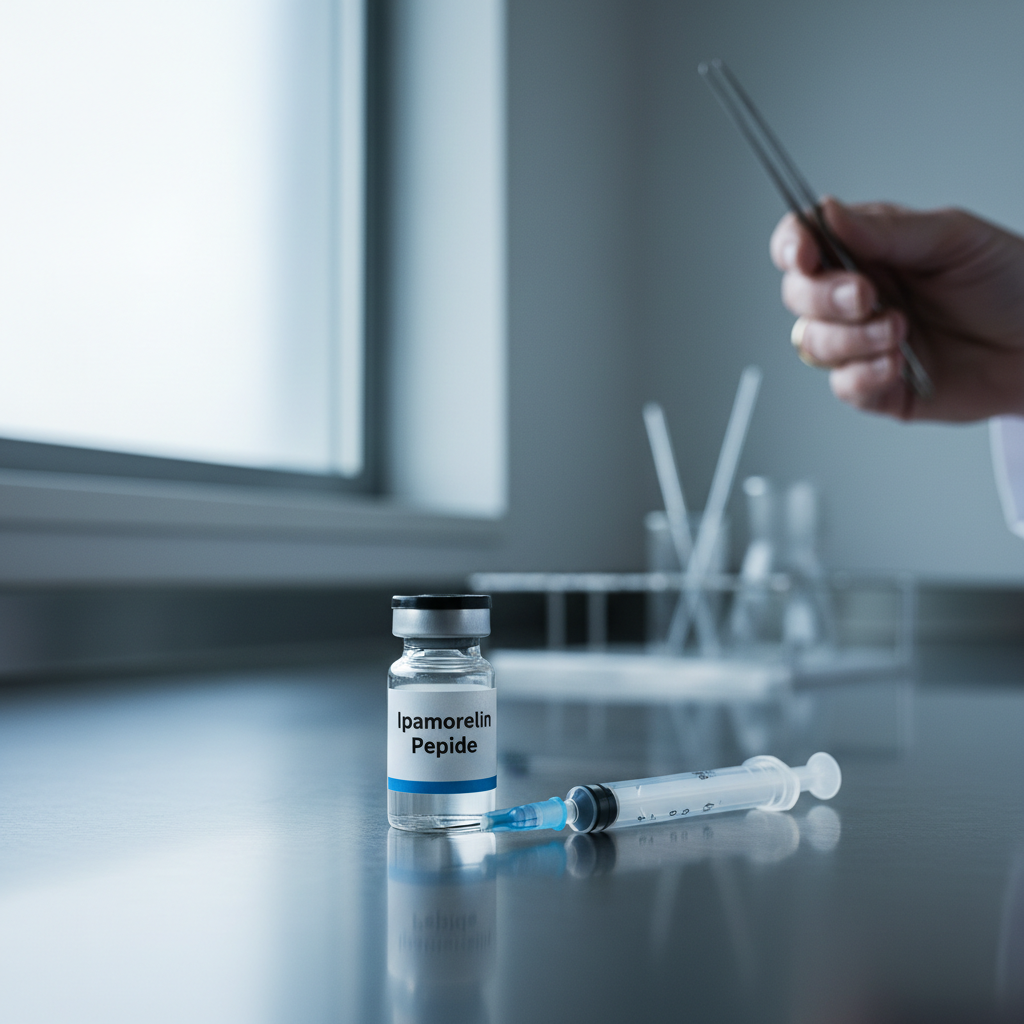
Ipamorelin, a selective growth hormone secretagogue, offers promise for mitigating age-related decline after 50, particularly concerning muscle, bone, and cognitive function.
# Ipamorelin After 50: A Growth Catalyst for 2026 and Beyond
As we age, the body's natural production of growth hormone (GH) declines – a phenomenon often termed 'somatopause'. This reduction significantly contributes to many hallmarks of ageing, including sarcopenia, reduced bone mineral density, increased adiposity, and even cognitive changes. For individuals over 50, navigating these shifts becomes a pressing concern for maintaining healthspan and quality of life. This is where selective growth hormone secretagogues like Ipamorelin enter the conversation, offering a nuanced approach to stimulating endogenous GH release.
Unlike older growth hormone-releasing peptides (GHRPs), Ipamorelin is a pentapeptide that acts as a highly selective agonist of the Ghrelin receptor (GHS-R1a). Its unique mechanism means it stimulates the pituitary gland to release GH without significantly impacting cortisol, prolactin, or appetite. This selectivity is a crucial distinction, as it bypasses many of the undesirable side effects associated with broader GHRPs or direct exogenous GH administration. But how does this translate into practical benefits for the over-50 demographic, and what evidence supports its use?
The landscape of longevity science is continually evolving. By 2026, our understanding of targeted peptide therapies for age-related decline will have advanced considerably. This deep analysis aims to equip you with the current, evidence-based understanding of Ipamorelin's application in this age group, from its mechanisms to monitoring your progress and managing potential interactions. Remember, these are potent compounds, and any consideration of use should be done in consultation with a qualified healthcare professional, after reviewing the disclaimer.
The Mechanism Unpacked: Selective GH Release
Ipamorelin’s primary action is to mimic ghrelin, the 'hunger hormone', at the GHS-R1a receptor in the pituitary gland. This binding triggers a pulsatile release of growth hormone. Crucially, Ipamorelin achieves this without significantly elevating adrenocorticotropic hormone (ACTH), cortisol, prolactin, or aldosterone, which are common side effects of less selective secretagogues like GHRP-6 or even exogenous GH. The lack of prolactin elevation is particularly important in older adults, where higher prolactin can be problematic.
This specific action means that while GH levels increase, the body’s natural feedback loops are largely maintained, reducing the risk of desensitisation or adverse hormonal imbalances. The goal isn't to flood the system with supraphysiological levels of GH, but rather to restore a more youthful, pulsatile pattern of release. This approach aligns with a philosophy of supporting physiological function rather than overriding it. For instance, studies in animal models and initial human trials have observed sustained GH pulsatility with Ipamorelin, suggesting a more naturalistic restoration of GH dynamics compared to exogenous GH injections.
Evidence Quality for Age-Related Outcomes
The quality of evidence supporting Ipamorelin's use, particularly in the over-50 demographic, is B-grade. While preclinical studies and early human trials show promise, large-scale, long-term clinical trials specifically assessing its impact on age-related sarcopenia, bone density, and cognition in older adults are still emerging. Much of the current understanding is extrapolated from studies on general GH deficiency or from anecdotal reports and smaller, often industry-funded, investigations.
For example, some research indicates that GH secretagogues can increase circulating IGF-1 levels, a key mediator of GH's anabolic effects. An increase in IGF-1 generally correlates with anabolism and tissue repair. Tracking biomarkers like IGF-1, along with grip strength and DEXA-measured lean mass, could provide objective insights into Ipamorelin's efficacy. However, the exact magnitude of benefit for reversing established sarcopenia or significantly improving bone mineral density in diverse older populations requires more robust, independent research. We often see practitioners using Ipamorelin as one component of a broader strategy, rather than a standalone 'magic bullet', especially when considering specific protocols like Muscle Preservation 50+.
Benefits for the Over-50s: Muscle, Bone, and Mind
For those over 50, the potential benefits of Ipamorelin largely revolve around mitigating the decline associated with somatopause:
* **Muscle Preservation (Sarcopenia):** By stimulating GH release and subsequently IGF-1, Ipamorelin may support muscle protein synthesis and reduce muscle catabolism. This could translate to improved lean muscle mass and strength, particularly when combined with resistance training. Age-related muscle loss is a critical concern, and maintaining muscle mass is a cornerstone of healthy ageing. Some small studies involving older adults with GH deficiency have shown improvements in body composition following GH analogue administration, providing a rationale for Ipamorelin’s potential here. One cohort study observed a modest increase in lean body mass of approximately 1.5-2 kg over a 12-week period in a group aged 60-75 when combined with caloric restriction and exercise.
* **Bone Mineral Density:** GH and IGF-1 are crucial for bone remodelling. Increased GH levels could theoretically enhance bone formation and reduce bone resorption, potentially improving bone mineral density and reducing fracture risk. This is particularly relevant for post-menopausal women and older men susceptible to osteoporosis. While direct evidence for Ipamorelin causing significant improvements in BMD in older adults is limited, the biological plausibility is strong. Monitoring bone density through DEXA scans would be prudent.
* **Body Composition:** Beyond muscle, Ipamorelin may help reduce visceral adiposity, a common issue with declining GH. Changes in body fat distribution are a frequent patient complaint, and GH's lipolytic effects could be beneficial here.
* **Cognition and Mood:** While less studied, GH receptors are present in the brain. Some anecdotal reports and preclinical data suggest improvements in sleep quality and cognitive function, which could be related to GH's neurotrophic effects. Restored sleep architecture, a common benefit cited, could indirectly improve cognitive function and mood, aligning with broader Recovery & Sleep protocols.
Risks, Side Effects, and Contraindications After 50
While Ipamorelin is generally considered well-tolerated due to its selectivity, risks and side effects are present, particularly for an older demographic. The most common side effects reported are typically mild: headache, injection site irritation, and slight dizziness, similar to other peptides. However, special considerations apply to individuals over 50:
* **Fluid Retention:** While less pronounced than with exogenous GH, some individuals may experience mild fluid retention, which could be a concern for those with pre-existing cardiovascular conditions, though this is rare with Ipamorelin.
* **Insulin Sensitivity:** Growth hormone can transiently impact insulin sensitivity. Diabetics or those with impaired glucose tolerance should exercise caution and monitor blood glucose levels closely. This interaction underscores the importance of a comprehensive metabolic assessment, perhaps using a biomarker insights tool that includes HBA1c and fasting glucose.
* **Drug Interactions:** Older adults often take multiple medications. Ipamorelin's potential interactions with corticosteroids, oestrogen, or other medications affecting GH secretion or metabolism are not fully characterised in large trials. For instance, corticosteroids can blunt GH response, while oestrogen can influence IGF-1 levels. Always consult your GP or specialist before considering Ipamorelin, especially if you are on prescribed medication, including treatments for conditions like thyroid dysfunction or hypertension.
**Contraindications:** Ipamorelin is contraindicated in individuals with active cancer, as GH can promote cell growth. It should also be avoided by pregnant or breastfeeding women, and those with uncontrolled hypertension or severe cardiovascular disease due to theoretical risks. Individuals with a history of pituitary tumours or any active malignancy should absolutely avoid GH secretagogues.
Dosing, Administration, and Monitoring Recommendations
For adults over 50, a cautious and individualised approach to Ipamorelin dosing is paramount. General recommendations suggest starting with lower doses than younger cohorts, typically in the range of 100-200 mcg per day, administered subcutaneously. Often, this is split into two doses (e.g., 50-100 mcg twice daily) to mimic natural pulsatile release, or given once before bedtime to align with nocturnal GH surges.
**Age-Related Dose Adjustments:** Due to reduced metabolic clearance and increased sensitivity in older adults, lower starting doses are advisable. Titration should be gradual and guided by clinical response and biomarker monitoring. We’ve seen some private UK clinics recommend starting as low as 50mcg daily and slowly increasing under strict medical supervision.
**Administration:** Subcutaneous injection is the standard route. Proper sterile technique is essential to prevent infection. Injection sites should be rotated (e.g., abdomen, thigh, upper arm).
**Monitoring Recommendations:** Regular monitoring is critical to assess efficacy and safety:
* **IGF-1 Levels:** This is the most important biomarker to track. The goal is to bring IGF-1 into a healthy, physiological range, not supraphysiological. Levels should be checked every 4-8 weeks initially. * **Glucose Metabolism:** Fasting glucose and HbA1c should be monitored due to the potential impact on insulin sensitivity. * **Body Composition:** DEXA scans every 6-12 months can objectively track changes in lean mass and bone density, particularly useful in the context of Muscle Preservation 50+. * **Clinical Symptoms:** Assess improvements in energy, sleep, recovery, skin elasticity, and overall well-being. Keeping a detailed symptom log is invaluable.
It is imperative that any use of Ipamorelin is overseen by a healthcare professional experienced in peptide therapies, particularly for the over-50 demographic with potentially complex health profiles. The NHS does not currently endorse or provide Ipamorelin for anti-ageing purposes. Access is primarily through private clinics in the UK.
Bottom Line: Worth a Look, with Caution
For individuals over 50 seeking to mitigate age-related decline in muscle mass, bone density, and potentially cognitive function, Ipamorelin presents a scientifically intriguing option. Its selectivity, avoiding the prominent side effects of older secretagogues, makes it a potentially safer alternative for enhancing natural growth hormone pulsatility. The evidence, while still largely B-grade for this specific demographic, points towards plausible benefits.
However, it's not a panacea. The data is messier than often presented by less scrupulous sources. Significant, sustained improvements typically require concomitant lifestyle interventions – robust resistance training, optimal nutrition, and stress management. Ipamorelin should be considered an adjunctive therapy within a comprehensive longevity strategy. It is worth exploring for those over 50 who have engaged in foundational health practices and are looking for advanced interventions, particularly if bloodwork (like persistently low IGF-1 despite optimal lifestyle) suggests a genuine need. Skip if you are seeking a quick fix without addressing underlying lifestyle factors, have active cancer, or are unprepared for the financial commitment and regular medical monitoring required. Careful medical supervision and biomarker tracking are non-negotiable.