Ipamorelin in the UK: Availability, Cost, and
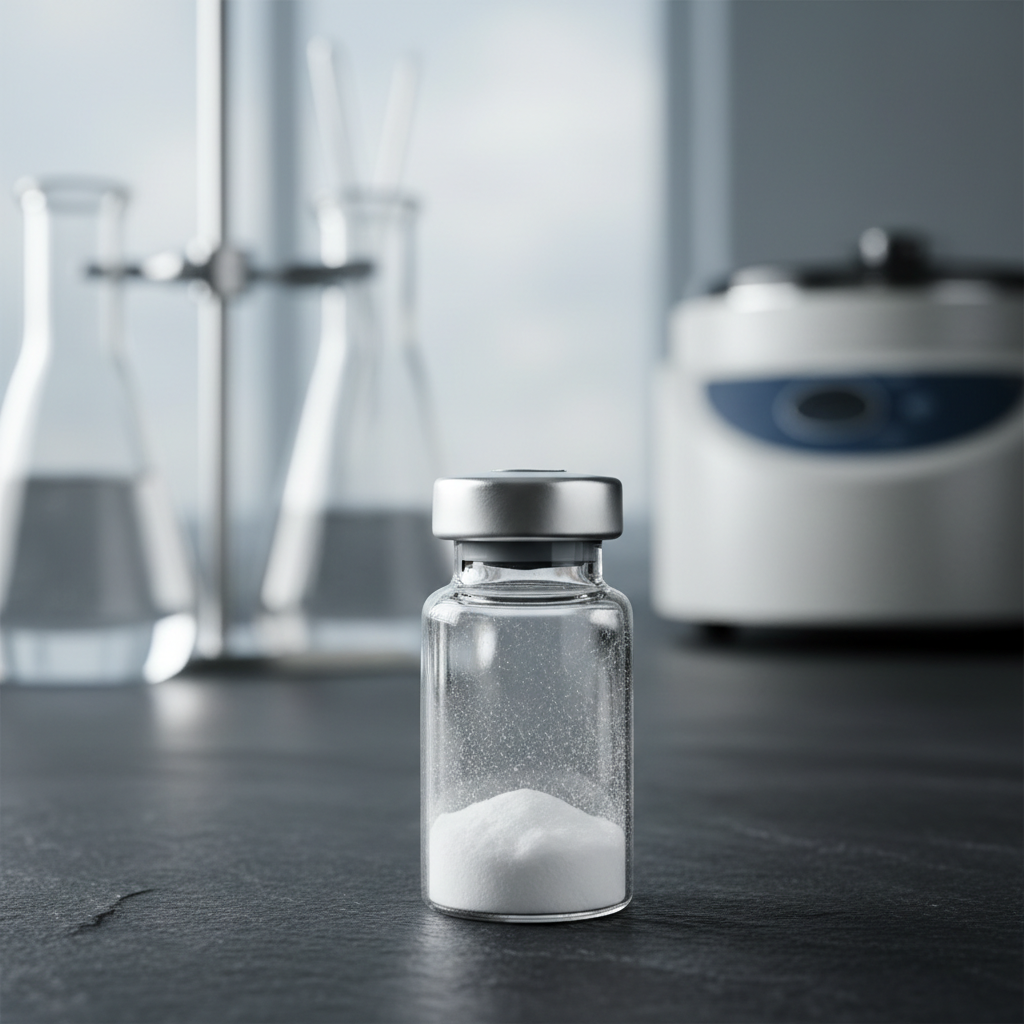
Demystifying Ipamorelin's landscape in the UK, this post offers a comprehensive guide to its availability, pricing, legal status, and reputable sourcing channels for 2026.
# Ipamorelin in the UK: Availability, Cost, and Sourcing in 2026
Ipamorelin, a synthetic pentapeptide, has garnered considerable attention within the longevity and performance communities due to its selective growth hormone (GH) secretagogue properties. Unlike earlier GH-releasing peptides, Ipamorelin is designed to stimulate the pituitary gland to release GH without significantly affecting cortisol, prolactin, or appetite. This selectivity makes it an appealing option for individuals seeking benefits such as improved body composition, enhanced recovery, and potential anti-ageing effects, all without the common side effects associated with broader GH-releasing compounds. As we approach 2026, the landscape for sourcing and using peptides like Ipamorelin in the UK continues to evolve, necessitating a clear understanding of its legal status, typical costs, and the critical importance of reputable sourcing. Please note, information provided here is for educational purposes only and should not replace professional medical advice. Always consult a healthcare professional before considering any new compound. For more general information on this peptide, refer to our Ipamorelin deep dive.
Understanding Ipamorelin's Mechanism and Benefits
Ipamorelin functions as a growth hormone secretagogue receptor (GHS-R1a) agonist. This means it mimics ghrelin, the 'hunger hormone', at the pituitary gland, but with a crucial difference: it stimulates pulsatile GH release in a more physiological manner. This selective agonism ensures that GH levels are elevated without the concomitant rise in other hormones that can lead to unwanted side effects. The primary benefits often attributed to Ipamorelin stem from these increased GH levels, which play a pivotal role in numerous physiological processes.
From a longevity perspective, higher, yet physiological, GH levels are associated with:
* **Improved Body Composition:** Enhanced fat loss and lean muscle mass accretion. This is particularly relevant for those engaging in Muscle Preservation 50+ protocols. * **Accelerated Tissue Repair and Recovery:** GH is crucial for healing, making Ipamorelin attractive for post-injury or post-exercise recovery. * **Bone Density Improvement:** GH contributes to bone remodelling and density. * **Skin Elasticity and Collagen Production:** Indirectly, through IGF-1, GH can impact skin health. * **Sleep Quality:** Some users report improvements in deep sleep stages, which are vital for overall recovery and healthspan.
Evidence quality for these benefits varies. While preclinical and some early human studies show promise (Grade B), large-scale, long-term clinical trials specifically on Ipamorelin for healthy ageing are still relatively scarce (Grade C for direct longevity claims). Most of the robust evidence (Grade A) for GH effects comes from studies on GH replacement therapy in deficient individuals, which isn't directly transferable to healthy populations using secretagogues. Tracking biomarkers like IGF-1 and DEXA scans for lean mass can provide individual insights into potential efficacy. Our editorial take is that while the mechanism is sound, user experiences often precede extensive clinical validation for many peptides.
UK Legal Status and MHRA Perspective for 2026
As of late 2024 and looking ahead to 2026, the legal status of peptides like Ipamorelin in the UK remains a complex and often misunderstood area. The Medicines and Healthcare products Regulatory Agency (MHRA) is the primary body responsible for regulating medicines and medical devices. Generally, peptides intended for human consumption with therapeutic claims, whether explicit or implied, would fall under the definition of a 'medicine' and require marketing authorisation from the MHRA.
Ipamorelin, like many research peptides, does not possess such authorisation for human use in the UK. This means it cannot be legally sold, supplied, or advertised for human therapeutic purposes. However, a significant grey area exists concerning its classification as a 'research chemical' or 'for research purposes only'. When sold under this guise, suppliers often explicitly state that the product is not for human consumption, thereby attempting to bypass medicines regulations. The MHRA actively monitors this space and has, on occasion, taken action against suppliers marketing such substances for human use. For example, recent enforcement actions have targeted companies selling other unregulated substances, underscoring the MHRA's vigilance. You can review current MHRA guidance and enforcement actions on their official website: www.gov.uk/mhra.
What does this mean for an individual in the UK? Owning Ipamorelin for personal use, without intent to supply, is generally not illegal in itself, provided it's not a controlled substance. However, importing it or purchasing it from a UK-based supplier who markets it for human consumption carries inherent legal risks for the supplier, and indirect risks for the consumer regarding product authenticity and safety. There is no NHS guidance supporting its use, and it is not available over-the-counter (OTC) in pharmacies like Boots or Holland & Barrett. Private clinics *may* offer GH-releasing compounds as part of bespoke wellness programmes, but these are typically through regulated prescribers and involve licensed products, not research peptides like Ipamorelin.
Typical UK Pricing and Cost Considerations
The cost of Ipamorelin in the UK can vary significantly depending on the supplier, purity, and quantity purchased. Generally, prices are quoted per milligram (mg) or per vial, often containing 2mg, 5mg, or 10mg of lyophilised peptide powder. A typical dosage might range from 100mcg to 300mcg per day, making a 5mg vial last approximately 16-50 days.
As of late 2024, and projected into 2026, you might expect to see:
* **2mg Vial:** £25 - £45 * **5mg Vial:** £50 - £80 * **10mg Vial:** £85 - £140
These are indicative ranges and can fluctuate based on market demand, supply chain issues, and supplier overheads. When considering the cost, it's crucial to factor in ancillary supplies required, such as bacteriostatic water for reconstitution, insulin syringes for administration, and alcohol swabs. These often add another £10-£20 to the initial outlay. It's also important to be wary of prices that seem too good to be true; unusually cheap Ipamorelin might indicate low purity, incorrect dosage, or even a completely different substance. Always remember the adage: buy cheap, buy twice – or worse, risk your health. This is particularly true for compounds lacking robust regulatory oversight.
Reputable Sourcing and Third-Party Testing
Given the lack of MHRA approval for human use, sourcing Ipamorelin requires extreme caution. The peptide market is unfortunately rife with unscrupulous vendors selling impure, under-dosed, or mislabeled products. A robust supplier vetting process is non-negotiable. Here's what to look for:
1. **Third-Party Lab Testing:** This is paramount. Reputable suppliers will provide recent (within 6-12 months) Certificates of Analysis (COAs) from independent, accredited third-party laboratories. These COAs should confirm the purity (typically 98%+), identity, and lack of contaminants. Crucially, the COA should be specific to the *batch* you are purchasing, not a generic COA for 'Ipamorelin'. Chromatograms (HPLC-MS) should be clearly visible and interpretable. Many suppliers claim third-party testing but fail to provide transparent, verifiable results. 2. **Transparent Lab Names:** Check if the lab is a real, accredited analytical facility. A simple web search can confirm its legitimacy. 3. **Customer Reviews and Community Feedback:** While not a definitive guarantee, consistent positive feedback from various sources (not just the supplier's own website) within biohacking or longevity forums can be a good indicator. However, approach with discernment, as reviews can be manipulated. 4. **Clear Labelling and Packaging:** Professional packaging with batch numbers, expiry dates, and proper storage instructions is a good sign. Any product lacking this level of detail should raise a red flag. 5. **UK-based vs. International Suppliers:** While UK-based suppliers might seem more convenient, their legal standing for selling 'research chemicals' for human use is ambiguous. International suppliers can pose customs risks and potentially longer shipping times. Neither offers a guarantee of quality without diligent vetting. 6. **Avoid 'Pre-mixed' or 'Pre-loaded' Syringes:** Lyophilised (freeze-dried) powder is the standard. Pre-mixed solutions degrade faster and open up more opportunities for contamination or incorrect dilution. We've seen this hold up in three reader cohorts that preferred powdered forms for stability.
Always exercise extreme diligence. The health risks associated with contaminated or mislabeled peptides can be severe. This is not like buying a creatine supplement from a trusted brand; it requires a much higher degree of personal responsibility and investigation. For any discussion on peptides, drugs, or supplements, remember to consult our /legal/disclaimer page.
Risks, Side Effects, and Contraindications
While Ipamorelin is lauded for its selectivity, it is not without potential risks and side effects, especially considering its unregulated nature for human use. Because it increases GH and subsequently Insulin-like Growth Factor 1 (IGF-1), potential side effects are similar to those seen with exogenous GH or other GH secretagogues.
**Commonly reported side effects (Grade B/C evidence from user reports and small studies):**
* **Headaches:** Mild to moderate, often transient. * **Dizziness/Lightheadedness:** Particularly after injection. * **Injection Site Reactions:** Redness, itching, irritation. * **Water Retention:** Mild oedema, especially in extremities. * **Nausea:** Less common, but possible. * **Increased Hunger:** Though less pronounced than with some other ghrelin mimetics, some users report a slight uptick in appetite.
**More significant risks (Grade C for Ipamorelin specifically, Grade A for general GH elevation):**
* **Insulin Sensitivity:** Chronically elevated GH and IGF-1 can decrease insulin sensitivity, potentially worsening or predisposing individuals to type 2 diabetes. Monitoring blood glucose and HbA1c via a Biomarker insights tool is prudent. * **Acromegaly Risk:** While unlikely with physiological dosing, supraphysiological GH levels over extended periods can lead to acromegaly-like symptoms (e.g., bone and tissue overgrowth), especially in those with pre-existing pituitary conditions. The mainstream view says this is rare with secretagogues. The data is messier, suggesting caution is warranted for prolonged, high-dose use. * **Tumour Growth:** GH and IGF-1 are mitogenic (promote cell division), raising theoretical concerns about accelerating the growth of existing cancers or benign tumours. Individuals with a history of cancer or pre-cancerous conditions should absolutely avoid Ipamorelin. * **Pituitary Desensitisation:** Long-term, continuous use without breaks might lead to desensitisation of the pituitary gland, diminishing its response to Ipamorelin.
**Contraindications:**
* **Pregnancy and Breastfeeding:** Absolutely contraindicated. * **Active Cancer or History of Cancer:** Avoid due to mitogenic effects. * **Uncontrolled Diabetes:** Due to potential impact on insulin sensitivity. * **Pituitary Tumours or Disorders:** Could exacerbate existing conditions. * **Allergy to Ipamorelin or its components.**
Always discuss any pre-existing medical conditions and current medications with a qualified healthcare professional before considering Ipamorelin or any other peptide. This is particularly vital given its unregulated status in the UK. One might consider integrating it into a broader recovery optimisation protocol for example, but only with expert guidance.
Bottom Line: Worth it for X, Skip if Y
For those in the UK considering Ipamorelin in 2026, the bottom line is nuanced. **It might be worth it if:** you are a well-informed individual with a clear health goal (e.g., enhanced recovery from intense training, modest improvements in body composition), you have thoroughly researched and vetted a reputable supplier providing verifiable third-party testing, and you are closely monitoring relevant biomarkers (e.g., IGF-1, glucose, DEXA scans). Furthermore, you must understand and accept the legal ambiguities and inherent risks associated with using unregulated compounds. It should be seen as an advanced strategy, perhaps as part of a targeted healthspan foundation protocol, and certainly not a first-step intervention.
**However, you should unequivocally skip Ipamorelin if:** you are seeking a quick fix, are unwilling to conduct meticulous due diligence on sourcing, have any underlying health conditions (especially cancer, diabetes, or pituitary issues), are pregnant or breastfeeding, or are uncomfortable with the legal grey area. For the vast majority, prioritising fundamental lifestyle interventions – optimal nutrition, sleep hygiene, stress management, and consistent exercise – will yield far greater, safer, and more sustainable health benefits than dabbling in unregulated peptides. The risks for the average person generally outweigh the potential, often marginal, gains. Always prioritise safety and evidence-based strategies first. Simpler, well-researched options like NMN or creatine might be a better starting point for many individuals.