Lithium Orotate Microdosing: A New Frontier for
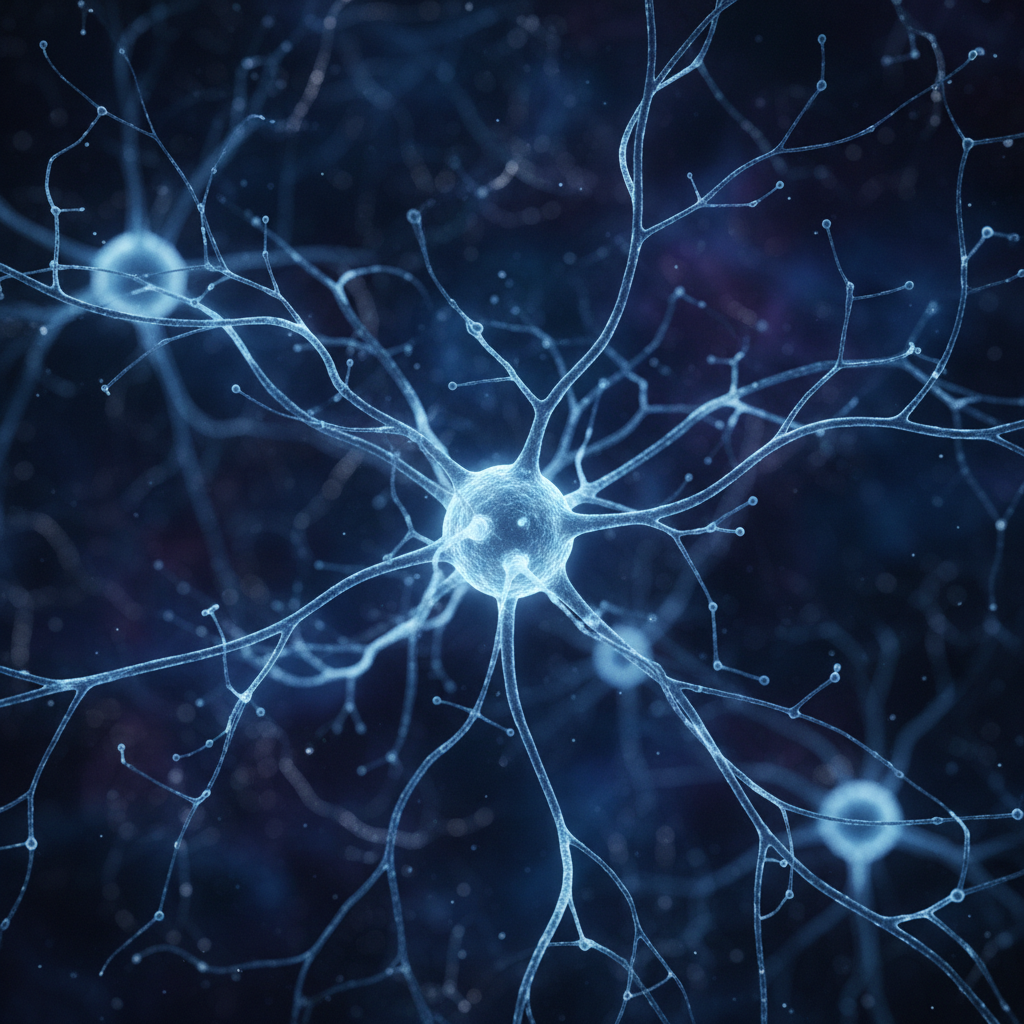
Could microdosing lithium orotate be a novel strategy for combating brain ageing and cognitive decline? We examine the current research and mechanisms.
# Lithium Orotate Microdosing: A New Frontier for Brain Ageing?
As we navigate the complexities of ageing, the quest for interventions that preserve cognitive function and mitigate neurodegenerative processes becomes increasingly vital. While pharmaceutical avenues are well-trodden, the spotlight is gradually turning towards compounds previously considered niche or overlooked. Among these, lithium, particularly in its orotate salt form and at microdoses, is garnering significant attention for its potential role in safeguarding brain health against the ravages of time. But is this emerging enthusiasm rooted in robust science, or is it another fleeting trend in the ever-expanding landscape of longevity? This comprehensive analysis delves into the evidence, exploring the mechanisms, potential benefits, and current understanding of lithium orotate microdosing for brain ageing.
The Unsung Hero: Lithium's Neuroprotective Legacy
Lithium has a long and established history in medicine, primarily as a mood stabiliser for bipolar disorder. However, its therapeutic range in this context is narrow, requiring careful monitoring due to potential toxicity at higher doses. Beyond its psychiatric applications, a growing body of research suggests lithium possesses remarkable neuroprotective and neurogenerative properties, even at sub-therapeutic concentrations. This is where the concept of microdosing becomes particularly compelling.
Lithium's beneficial effects on the brain are multifaceted. It has been shown to modulate several key pathways implicated in neural health and longevity:
* **Glycogen Synthase Kinase-3 Beta (GSK-3β) Inhibition:** Lithium is a potent inhibitor of GSK-3β, an enzyme involved in numerous cellular processes, including neuronal plasticity, cell survival, and inflammation. Dysregulation of GSK-3β is a hallmark of neurodegenerative diseases like Alzheimer's. By inhibiting GSK-3β, lithium may reduce amyloid-beta plaque formation and tau hyperphosphorylation, two central pathologies in Alzheimer's disease. Nature Medicine published a significant review on this mechanism. * **Brain-Derived Neurotrophic Factor (BDNF) Enhancement:** BDNF is a crucial neurotrophin that supports the survival of existing neurons and encourages the growth and differentiation of new neurons and synapses. Lithium has been shown to increase BDNF levels, which can promote neurogenesis and synaptic plasticity, potentially enhancing cognitive function and resilience against neuronal damage. * **Autophagy Promotion:** Autophagy is the cell's natural process of recycling damaged components. Impaired autophagy is linked to the accumulation of toxic protein aggregates in neurodegenerative conditions. Lithium appears to stimulate autophagy, helping clear cellular debris and maintain neuronal health. * **Anti-inflammatory Effects:** Chronic neuroinflammation is a significant contributor to brain ageing and neurodegeneration. Lithium exhibits anti-inflammatory properties, potentially dampening the inflammatory cascade within the brain. * **Mitochondrial Function:** Some research indicates that lithium may support mitochondrial health, improving energy production and reducing oxidative stress within neurons. Optimal mitochondrial function is critical for overall cellular longevity and is a common target for longevity supplements.
These mechanisms, observed in both preclinical and human studies (though primarily at higher, pharmaceutical doses), form the theoretical basis for exploring lithium's potential at microdoses for preventing or slowing brain ageing.
Lithium Orotate: The Delivery Mechanism
While lithium carbonate is the standard pharmaceutical formulation, lithium orotate presents an alternative that has garnered interest in the supplement world. Orotate is a naturally occurring compound involved in pyrimidine synthesis. The hypothesis behind lithium orotate's purported advantages centres on its bioavailability and cellular uptake. Proponents suggest that lithium, when bound to orotate, can cross the blood-brain barrier more efficiently and reach intracellular targets at lower doses compared to other lithium salts. This could theoretically allow for lower overall doses, thereby reducing the risk of systemic side effects typically associated with pharmaceutical lithium.
However, it's crucial to acknowledge that robust, large-scale comparative studies directly demonstrating superior brain-specific bioavailability of lithium orotate over lithium carbonate in humans at microdoses are still relatively limited. Much of the evidence for enhanced efficacy at lower doses is anecdotal or based on extrapolation from animal models. This is a critical area requiring further rigorous investigation.
The Microdosing Paradigm: Less is More for Brain Ageing?
Microdosing, in the context of lithium, typically refers to daily doses ranging from 0.3 mg to 20 mg of elemental lithium. This is significantly lower than the 600-1800 mg/day elemental lithium often prescribed for bipolar disorder. The rationale for microdosing revolves around achieving the neuroprotective benefits of lithium without the systemic side effects such as kidney dysfunction, thyroid issues, or tremors associated with higher therapeutic levels.
Several epidemiological studies have provided intriguing clues. For instance, populations living in areas with naturally higher trace levels of lithium in their drinking water have shown lower rates of suicide, dementia, and even reduced crime rates. While these are correlational and not causal, they hint at the potential benefits of chronic, low-dose lithium exposure on mental and neurological health. A notable study published in *JAMA Psychiatry* examined lithium levels in drinking water and dementia incidence, finding an inverse association. JAMA Psychiatry. This kind of population-level data provides a foundation for exploring targeted microdosing strategies.
Beyond population studies, preclinical research has consistently shown neuroprotective effects of lithium at concentrations achievable with microdoses. These studies often highlight improved cognitive performance, reduced neuronal damage, and attenuated pathology in animal models of Alzheimer's and other neurodegenerative conditions. While promising, translating these findings directly to humans requires careful consideration.
Clinical Evidence: Early Days but Promising Signals
Human clinical trials specifically on lithium orotate microdosing for brain ageing are still in their infancy. However, existing research on low-dose lithium carbonate provides some positive indications. For example, some studies in individuals with mild cognitive impairment (MCI) or early Alzheimer's have shown that low-dose lithium can slow cognitive decline. A review published in the *New England Journal of Medicine* discusses the potential of disease-modifying therapies for Alzheimer's, with lithium often mentioned due to its GSK-3β inhibitory properties. NEJM.
Key areas where microdosing lithium orotate *might* confer benefits for brain ageing include:
* **Cognitive Preservation:** By supporting neurogenesis, synaptic plasticity, and reducing neuroinflammation, microdosed lithium could potentially help maintain cognitive speed, memory, and executive function as we age. * **Neuroprotection against Damage:** Its ability to inhibit GSK-3β and promote autophagy suggests a protective role against the accumulation of pathological proteins like amyloid-beta and tau, which are central to Alzheimer's disease. * **Mood and Well-being:** Even at low doses, some individuals report subtle improvements in mood stability and resilience to stress, which are crucial components of overall brain health.
It's important to differentiate between treating established neurodegenerative diseases and proactively supporting brain health. The goal of microdosing for brain ageing is generally preventative or aimed at slowing decline, rather than reversing severe damage.
Safety Profile and Considerations for Microdosing
One of the primary attractions of lithium orotate microdosing is its perceived safety profile compared to pharmaceutical lithium. At the very low doses typically used (e.g., 5-20 mg elemental lithium per day), the risk of severe side effects like nephrotoxicity, hypothyroidism, or cardiac arrhythmias is significantly reduced, if not virtually eliminated. However, 'safe' does not mean entirely without consideration.
Even at microdoses, some individuals might experience mild gastrointestinal upset, lethargy, or a fine tremor, although these are uncommon. It's crucial to understand that lithium, regardless of the salt form, is a trace mineral that influences various physiological pathways. Individuals with pre-existing kidney disease, thyroid dysfunction, or those taking other medications that affect kidney function (e.g., NSAIDs, ACE inhibitors, diuretics) should exercise extreme caution and always consult a healthcare professional before considering any form of lithium supplementation. It's also important to note that regular monitoring of blood lithium levels, while essential for pharmaceutical doses, is generally not practical or clinically necessary for microdosing, making a reliance on subjective experience and professional guidance paramount.
For those considering this approach, starting with the lowest possible dose and gradually increasing while monitoring for any adverse effects is a prudent strategy. As with any supplement, quality control and purity are critical, especially when purchasing from less regulated markets. For general safety information regarding supplements, please refer to our /legal/disclaimer.
The Future of Lithium in Longevity
The trajectory of lithium in longevity science is undoubtedly upward. As research continues to unravel the intricate mechanisms of brain ageing, lithium's multifaceted actions—from GSK-3β inhibition to BDNF upregulation—position it as a strong candidate for further investigation. Future research will likely focus on:
* **Well-designed Clinical Trials:** Large-scale, placebo-controlled human trials are needed to definitively establish the efficacy and safety of lithium orotate microdosing for specific brain ageing outcomes. * **Optimal Dosing and Duration:** Determining the ideal microdose and duration of treatment for different age groups and risk profiles will be crucial. * **Biomarker Identification:** Identifying reliable biomarkers that can track lithium's effects on brain health (e.g., changes in inflammatory markers, BDNF levels, cognitive scores, or even advanced neuroimaging) will help validate its utility. * **Combination Therapies:** Exploring lithium's synergistic effects with other neuroprotective compounds or longevity protocols, such as spermidine or resistance training, could unlock even greater benefits.
While the current evidence base for microdosing lithium orotate specifically for brain ageing is still developing, the foundational science on lithium's neuroprotective properties is robust. Its potential to modulate key pathways involved in neurodegeneration makes it an exciting prospect for enhancing cognitive health and resilience across the lifespan. Individuals interested in optimising their brain health may also explore other avenues like nootropics and comprehensive supplement stacks.
Bottom Line
Lithium orotate microdosing for brain ageing is a fascinating and evolving area within longevity science. While the long-established neuroprotective benefits of lithium are undeniable, the specific efficacy of microdosed orotate for preventing or reversing age-related cognitive decline in healthy individuals requires more dedicated clinical research. Early signals from epidemiological studies and low-dose lithium carbonate trials are encouraging, suggesting a potential role for maintaining cognitive function and offering a degree of neuroprotection.
For now, lithium orotate microdosing remains an intriguing experimental strategy. Individuals considering this approach should proceed with caution, understanding the limitations of current evidence, and always prioritise consultation with a healthcare professional to ensure safety and appropriateness for their individual health profile. As the science matures, lithium orotate microdosing may well find its place as a valuable tool in the comprehensive strategy for healthy brain ageing. Remember, this article discusses supplements and is not medical advice. Always consult a healthcare professional. For general information on supplements, see our /legal/disclaimer.