Lithium Orotate Microdosing: A New Frontier for
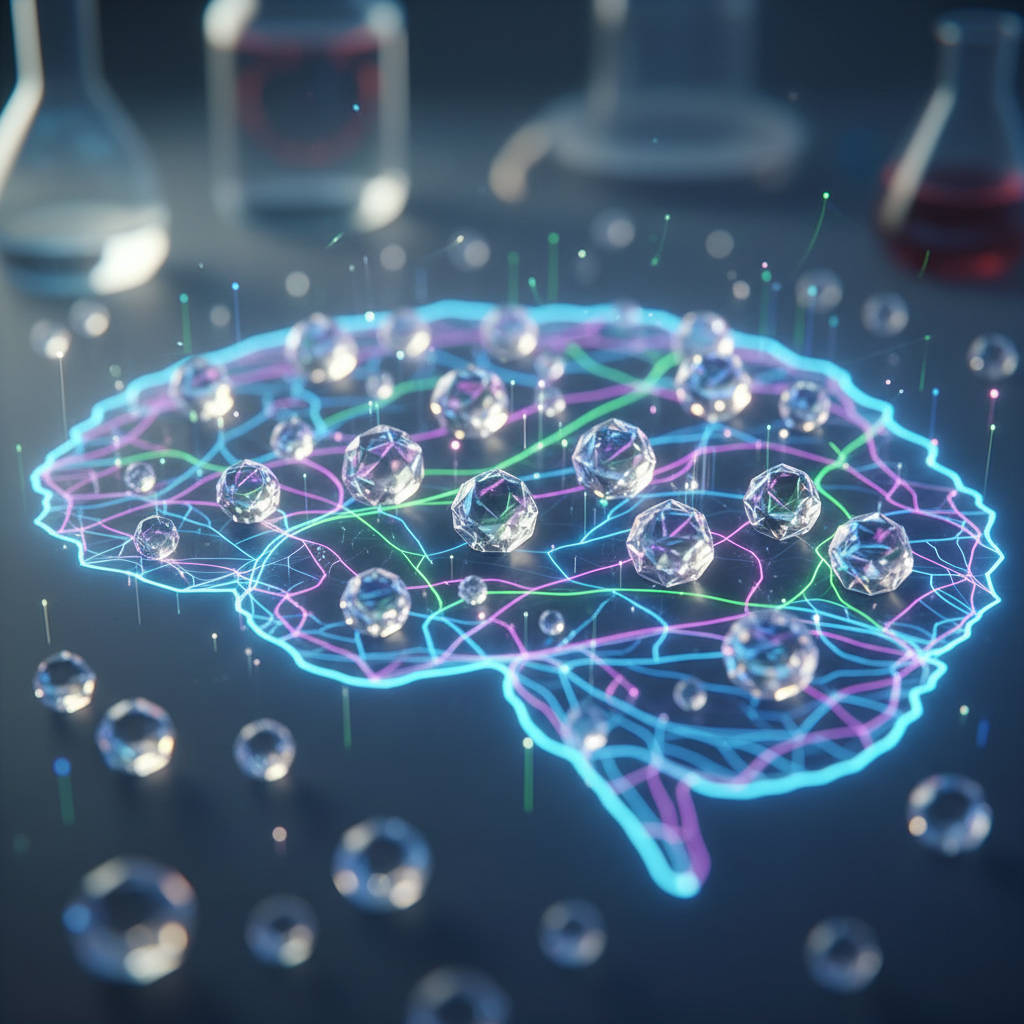
Could microdosing lithium orotate be a groundbreaking strategy against brain ageing? We delve into the science, mechanisms, and potential benefits.
# Lithium Orotate Microdosing: A New Frontier for Brain Ageing?
As the global population ages, the quest for effective strategies to maintain cognitive function and prevent neurodegenerative diseases becomes increasingly urgent. Amongst the myriad of potential interventions, the trace element lithium has garnered significant attention, particularly in its low-dose, or microdosing, applications. While high-dose lithium has a well-established role in psychiatry for mood stabilisation, the interest in lithium orotate microdosing for brain ageing is relatively new, driven by fascinating preclinical and emerging clinical data suggesting neuroprotective and cognitive-enhancing properties.
Lithium is an alkali metal found naturally in the environment, including in drinking water. Epidemiological studies have indicated a potential inverse correlation between naturally occurring lithium levels in water supplies and the prevalence of neurodegenerative disorders and suicide rates. This observation has fuelled research into how even minute quantities of lithium might exert beneficial effects on brain health without the significant side effects associated with pharmacological doses. Lithium orotate, a salt of lithium and orotic acid, is often preferred for microdosing due to its purported enhanced bioavailability and ability to cross the blood-brain barrier more efficiently than other lithium salts, though robust comparative human studies are still limited. Our exploration will delve into the mechanisms by which microdosed lithium might combat brain ageing, assess the current scientific evidence, and discuss its potential as a longevity intervention.
The Mechanisms of Microdosed Lithium in Brain Health
The neurobiological mechanisms through which lithium exerts its therapeutic effects are complex and multifaceted, even at microdosing levels. While the exact pathways are still being fully elucidated, several key mechanisms have been identified that could contribute to its anti-ageing effects on the brain:
* **Neurogenesis and Synaptic Plasticity:** Lithium has been shown to promote neurogenesis, the birth of new neurons, particularly in the hippocampus – a brain region critical for learning and memory. It also enhances synaptic plasticity, the ability of synapses to strengthen or weaken over time, which is fundamental for cognitive function. This involves upregulating brain-derived neurotrophic factor (BDNF), a key molecule for neuronal survival and growth. This could contribute significantly to preserving cognitive function as we age.
* **Inhibition of Glycogen Synthase Kinase-3 Beta (GSK-3β):** One of the most well-established mechanisms of lithium is its ability to inhibit GSK-3β. This enzyme plays a crucial role in various cellular processes, including neuronal development, plasticity, and cell survival. Dysregulation of GSK-3β is implicated in the pathogenesis of Alzheimer's disease, particularly in the hyperphosphorylation of tau protein, leading to neurofibrillary tangles. By inhibiting GSK-3β, lithium may reduce tau pathology and protect neurons from degeneration.
* **Autophagy Promotion:** Autophagy is the body's natural cellular recycling process, where damaged organelles and misfolded proteins are cleared. As we age, autophagic efficiency declines, leading to the accumulation of cellular debris, a hallmark of neurodegenerative diseases. Lithium has been shown to enhance autophagic flux, thereby aiding in the clearance of toxic protein aggregates, such as amyloid-beta and hyperphosphorylated tau, that contribute to brain ageing and neurodegeneration.
* **Anti-inflammatory and Antioxidant Effects:** Chronic low-grade inflammation and oxidative stress are significant drivers of brain ageing. Lithium exhibits both anti-inflammatory and antioxidant properties. It can modulate inflammatory pathways, reducing the production of pro-inflammatory cytokines, and enhance endogenous antioxidant defences, thereby protecting neurons from oxidative damage. These effects are crucial for maintaining a healthy brain microenvironment.
* **Mitochondrial Function Enhancement:** Healthy mitochondrial function is vital for neuronal energy production and overall brain health. Dysfunction of mitochondria is a common feature in aged brains and neurodegenerative conditions. Emerging evidence suggests that lithium can improve mitochondrial bioenergetics and protect mitochondria from stress, potentially contributing to neuronal resilience.
These intricate mechanisms collectively point towards lithium's potential as a multifaceted agent against brain ageing, even at very low doses. The distinction between the pharmacological effects of high-dose lithium and the subtle, modulatory effects of microdosing is critical, with the latter aiming for neuroprotective benefits without significant systemic side effects.
The Promise of Microdosing: Evidence and Studies
The concept of microdosing lithium for brain ageing hinges on the idea that even trace amounts can confer significant health benefits, often by subtly shifting cellular pathways rather than inducing drastic pharmacological changes. The evidence, while still in its nascent stages for lithium orotate specifically in ageing, is compelling and growing.
Epidemiological studies have provided some of the earliest clues. A landmark study published in JAMA Psychiatry (2018) found that higher levels of naturally occurring lithium in drinking water were associated with a lower incidence of dementia in a large Danish cohort pubmed.ncbi.nlm.nih.gov/29872886/. While correlation does not imply causation, such population-level observations warrant further investigation into the precise mechanisms and optimal dosing strategies.
Preclinical research has extensively explored lithium's neuroprotective properties. Studies in animal models of Alzheimer's and Parkinson's diseases have demonstrated that low-dose lithium can: reduce amyloid plaque burden, decrease tau hyperphosphorylation, attenuate neuronal loss, and improve cognitive function. For instance, a study in *Nature Communications* (2017) highlighted lithium's role in activating autophagy to clear amyloid-beta, pointing to a potential therapeutic strategy nature.com/articles/s41467-017-00918-4.
When considering lithium orotate, proponents argue for its superior pharmacokinetic profile compared to lithium carbonate, suggesting it requires lower doses for similar brain penetration. Orotic acid, the carrier molecule, is theorised to facilitate lithium's transport across cell membranes. However, direct comparative human studies unequivocally proving this enhanced efficacy or reduced toxicity at equivalent therapeutic doses are still somewhat limited. Most research on lithium orotate's specific impact on brain ageing is currently observational or mechanistic, with rigorous, large-scale randomised controlled trials (RCTs) specifically for microdosing and cognitive longevity being the next crucial step. We often highlight the importance of supplements being rigorously tested, and lithium orotate is no exception.
Navigating Dosing and Safety Considerations
Unlike the much higher doses of lithium carbonate used to treat bipolar disorder (typically 600-1800 mg/day, yielding serum lithium levels of 0.6-1.2 mEq/L), microdosing of lithium orotate typically involves doses in the range of 1-20 mg of elemental lithium per day. This dramatically lower dosage is intended to leverage lithium's neurotrophic and neuroprotective effects without reaching systemic levels that necessitate routine blood monitoring for toxicity. For comparison, a common lithium orotate supplement might contain 5 mg of elemental lithium.
**Key considerations for microdosing include:**
* **Elemental Lithium Content:** It's crucial to distinguish between the total weight of the lithium orotate salt and the elemental lithium content. A 120 mg lithium orotate capsule, for example, typically contains approximately 5 mg of elemental lithium. * **Individual Variability:** Response to lithium, even at low doses, can vary significantly between individuals due to genetic factors, kidney function, and other health conditions. What constitutes a 'microdose' for one person might be more potent for another. * **Potential Side Effects:** While microdosing aims to minimise side effects, some individuals might still experience mild symptoms, such as nausea, lethargy, or a metallic taste, particularly when first starting. These are generally rare and transient at these low doses. For high-dose lithium, serious side effects include kidney and thyroid dysfunction, but these are not typically associated with microdoses. Nevertheless, individuals with pre-existing kidney disease or thyroid issues should exercise extreme caution. * **Interactions:** Lithium can interact with certain medications, including diuretics, NSAIDs, ACE inhibitors, and some antidepressants. Even at microdoses, consulting a healthcare professional is paramount, especially if you are on other medications or have underlying health conditions. This diligence applies to all supplements, not just lithium.
Given that the benefits of microdosing lithium orotate for brain ageing are still undergoing robust scientific validation, a cautious and informed approach is essential. Self-medication with lithium, even at low doses, without professional guidance is not recommended. If considering this intervention, discuss it thoroughly with a doctor who is knowledgeable about both supplements and the nuances of brain health. The goal is to harness potential neuroprotective benefits safely and effectively.
Broader Implications for Cognitive Longevity
The potential of microdosed lithium orotate extends beyond merely slowing cognitive decline; it suggests a proactive strategy for enhancing cognitive longevity and overall brain resilience. A healthy brain is the cornerstone of a fulfilling and independent life, especially as we advance in years. By influencing pathways critical for neurogenesis, synaptic plasticity, and cellular clean-up, lithium aligns with a holistic approach to maintaining brain health.
Consider how this fits into a broader longevity toolkit. Strategies like time-restricted eating, regular resistance training, and specific supplements such as NMN or urolithin A are all aimed at supporting cellular health and metabolic efficiency. Lithium, by influencing processes like autophagy and mitochondrial function, complements these efforts, contributing to a more robust cellular environment capable of withstanding the insults of ageing.
Furthermore, the psychological dimension of brain ageing cannot be overlooked. While not a treatment for mood disorders at microdoses, the potential neurotrophic effects could indirectly support mood stability and mental well-being, which are intrinsically linked to cognitive performance. Reduced inflammation and improved neurogenesis could create a more resilient brain, better equipped to handle stress and maintain emotional balance – crucial aspects of healthy ageing.
As research continues, understanding the optimal synergy between microdosed lithium and other longevity interventions will be key. For example, combining it with practices known to boost BDNF, such as regular exercise or certain dietary patterns, might amplify its benefits. The goal is not just to add years to life, but life to years, ensuring that our cognitive faculties remain sharp and responsive throughout our lifespan. This holistic perspective underscores the importance of integrating various evidence-backed strategies for comprehensive longevity. The journey towards optimal brain health in ageing is multi-faceted, and microdosed lithium orotate could be an important piece of that complex puzzle.
Future Research and Clinical Translation
The current enthusiasm for lithium orotate microdosing for brain ageing is largely driven by promising mechanistic insights and observational data. However, translating these findings into robust clinical recommendations requires further rigorous scientific investigation. The trajectory of future research will likely focus on several critical areas:
* **Randomised Controlled Trials (RCTs):** The gold standard for establishing efficacy and safety, large-scale, long-term RCTs are urgently needed. These trials should investigate various microdosing regimens of lithium orotate in diverse populations, including healthy individuals concerned about cognitive decline and those with early-stage neurodegenerative conditions. Outcome measures should include objective cognitive assessments, neuroimaging biomarkers (e.g., amyloid and tau PET scans, fMRI), and quality of life metrics.
* **Optimal Dosing and Bioavailability:** Research into the precise pharmacokinetics and pharmacodynamics of lithium orotate at microdoses is essential. This includes understanding its absorption, distribution, metabolism, and excretion, as well as definitively comparing its bioavailability and brain penetration to other lithium salts in humans. What constitutes the 'ideal' microdose for neuroprotection versus mood stabilisation remains an open question.
* **Biomarker Identification:** Developing and validating specific biomarkers that predict response to microdosed lithium would be invaluable. This could include genetic markers, inflammatory markers, or even specific changes in CSF or blood-based neurofilament light chain (NfL) levels. Such biomarkers would enable a more personalised approach to treatment.
* **Combination Therapies:** Investigating how microdosed lithium interacts with other known neuroprotective agents or longevity interventions is another important avenue. For instance, exploring its synergistic effects with compounds like creatine or spermidine, or lifestyle interventions such as Zone 2 cardio, could lead to more potent and comprehensive strategies against brain ageing.
* **Long-term Safety Profile:** While microdoses are generally considered safe, long-term studies are needed to confirm the absence of subtle cumulative adverse effects, particularly on kidney and thyroid function, in vulnerable populations over decades. This is crucial for any intervention aimed at healthy ageing.
The journey from promising preclinical data to widespread clinical application is often long and arduous. However, the existing evidence for lithium's profound influence on fundamental cellular processes critical for brain health positions microdosed lithium orotate as a candidate of significant interest in the longevity field. As our understanding deepens, it may well become a valuable tool in our arsenal against cognitive decline. Always remember that any discussion of supplements like lithium orotate should be read in conjunction with our /legal/disclaimer.
Bottom line
Microdosing lithium orotate presents a compelling, albeit still developing, area of interest in the pursuit of cognitive longevity and brain health. Its proposed mechanisms, including neurogenesis, GSK-3β inhibition, autophagy promotion, and anti-inflammatory effects, offer a scientifically plausible foundation for its potential benefits against brain ageing. While epidemiological and preclinical data are encouraging, large-scale, human-centric randomised controlled trials are crucial to definitively establish its efficacy and long-term safety profile for these applications.
For those considering this approach, a cautious and informed perspective is paramount. Always consult with a healthcare professional to discuss individual health status, potential interactions, and appropriate dosing. As research evolves, microdosed lithium orotate may emerge as a significant tool in our comprehensive strategy for maintaining cognitive vitality throughout the lifespan, but for now, it remains a promising area deserving of continued scientific exploration.