Lithium Orotate Microdosing for Brain Ageing: A
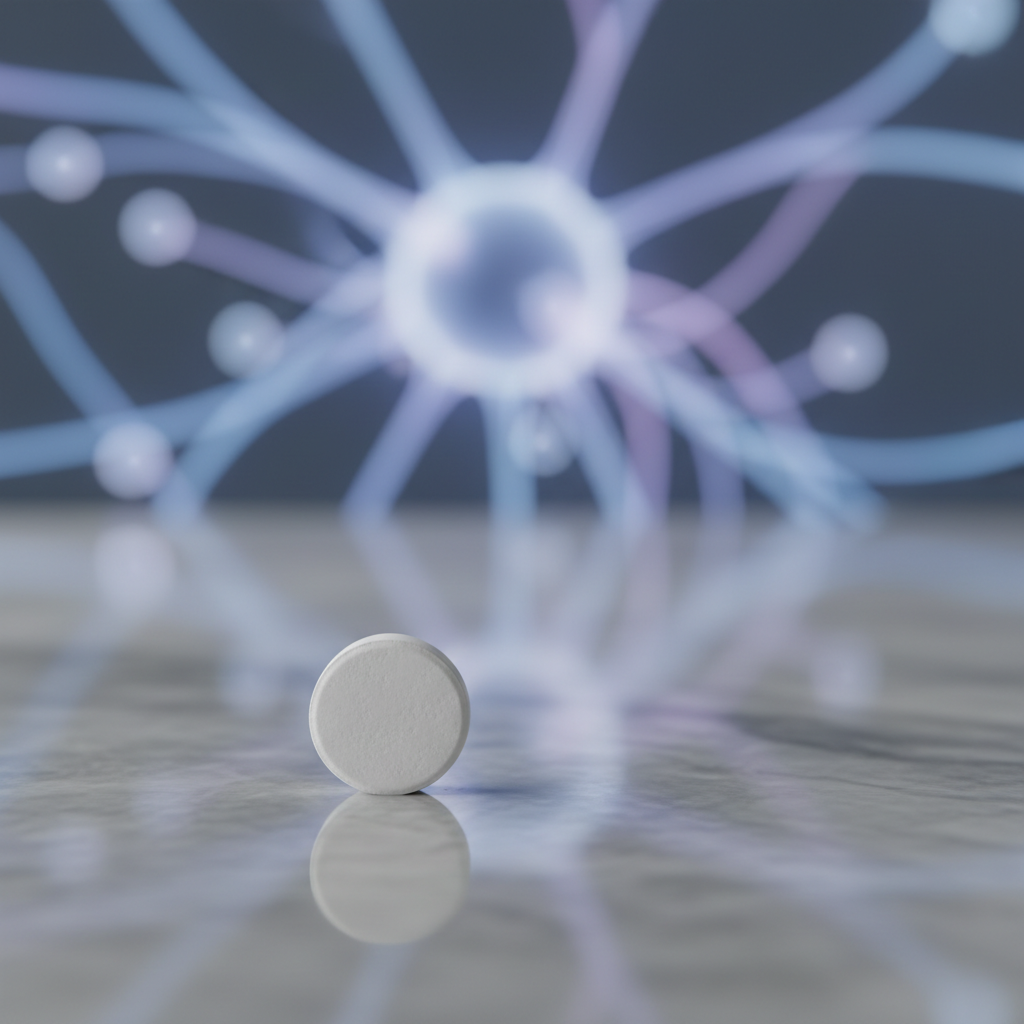
Could microdosing lithium orotate be a novel strategy for brain ageing? We delve into the research on its neuroprotective and cognitive benefits.
# Lithium Orotate Microdosing for Brain Ageing: A Comprehensive Review
As the global population ages, the preservation of cognitive function and brain health has become a paramount concern. While grand narratives often focus on disease states like Alzheimer's and Parkinson's, the subtler, insidious decline of cognitive abilities with normal ageing profoundly impacts quality of life. This has spurred intense research into novel interventions, with certain trace elements garnering increasing attention. Among these, lithium, particularly in its orotate salt form and at microdoses, has emerged as a fascinating candidate for mitigating brain ageing.
Lithium's role in psychiatric medicine, specifically in treating bipolar disorder, is well-established. However, the high doses used for therapeutic purposes often come with a spectrum of side effects, necessitating careful medical supervision. The concept of "microdosing" lithium orotate for brain ageing, distinct from its pharmacological application, posits that much lower, sub-clinical doses might offer neuroprotective and cognitive benefits without the associated risks. This review will delve into the scientific underpinnings, available evidence, and future prospects of lithium orotate microdosing in the context of brain ageing.
Understanding Lithium's Neurobiological Impact
Lithium, an alkali metal, exerts a wide array of effects on the central nervous system. Its mechanisms are complex and multifactorial, impacting various signalling pathways crucial for neuronal health and plasticity. At the cellular level, lithium is known to modulate several key enzymes and proteins:
* **Glycogen Synthase Kinase-3 Beta (GSK-3β) Inhibition:** This is perhaps one of lithium's most well-studied actions. GSK-3β is a critical enzyme involved in numerous cellular processes, including neuronal plasticity, gene expression, and apoptosis. Hyperactivity of GSK-3β has been implicated in neurodegenerative diseases like Alzheimer's. By inhibiting GSK-3β, lithium can promote neurogenesis (the birth of new neurons), synaptogenesis (the formation of new synapses), and reduce tau hyperphosphorylation, a hallmark of Alzheimer's pathology. A significant body of research points to this pathway as central to lithium's neuroprotective effects. For instance, a review in *Nature Reviews Neuroscience* details the extensive role of GSK-3β in neurological disorders and lithium's modulation of it nature.com/articles/nrn2478. * **Brain-Derived Neurotrophic Factor (BDNF) Upregulation:** BDNF is a crucial neurotrophin that supports the survival of existing neurons and encourages the growth and differentiation of new neurons and synapses. Lithium has been shown to increase BDNF levels, particularly in the hippocampus, a brain region vital for memory and learning. This upregulation contributes to enhanced neuronal resilience and repair mechanisms. * **Autophagy Promotion:** Autophagy is the body's natural process of cleaning out damaged cells to regenerate newer, healthier cells. This cellular house-keeping mechanism is essential for maintaining neuronal health. Impaired autophagy is linked to the accumulation of toxic protein aggregates seen in neurodegenerative conditions. Lithium has been demonstrated to induce autophagy, thereby aiding in the clearance of cellular debris and dysfunctional proteins. * **Anti-inflammatory and Antioxidant Effects:** Chronic low-grade inflammation and oxidative stress are significant contributors to brain ageing and neurodegeneration. Lithium possesses anti-inflammatory properties, reducing the production of pro-inflammatory cytokines, and exhibits antioxidant capabilities, protecting cells from damage caused by reactive oxygen species.
These diverse mechanisms paint a picture of lithium as a multifaceted agent with the potential to bolster neuronal health and resilience against the ravages of time. The form of lithium, particularly lithium orotate, is often highlighted for its purported superior bioavailability and ability to cross the blood-brain barrier more effectively than other salts like lithium carbonate, although direct comparative human studies at microdoses are limited.
The Promise of Microdosing: Evidence and Hypotheses
The idea of microdosing lithium for brain ageing hinges on the premise that the neuroprotective benefits observed at therapeutic doses might also manifest at significantly lower, sub-clinical concentrations, without the associated toxicity. Several lines of evidence and hypotheses support this concept:
* **Epidemiological Studies:** Intriguing epidemiological data has emerged from regions with naturally higher levels of lithium in their drinking water. Studies have shown an inverse correlation between environmental lithium levels and the incidence of dementia, Alzheimer's disease, and even suicide rates. For example, a study published in JAMA Psychiatry found that higher lithium levels in drinking water were associated with a lower incidence of dementia pubmed.ncbi.nlm.nih.gov/28538171/. While these are associational studies and do not prove causation, they provide compelling population-level evidence for a potential protective role of lithium at low concentrations. * **Animal Models of Ageing and Neurodegeneration:** Preclinical research in animal models has frequently demonstrated lithium's ability to ameliorate age-related cognitive decline and reduce neuropathological markers. Low-dose lithium treatment in aged rodents has been shown to improve learning and memory, reduce amyloid-beta plaque formation, and decrease tau pathology. These studies often employ doses far lower than those used for psychiatric indications, providing a mechanistic basis for the microdosing concept. * **Human Intervention Studies (Low-Dose):** While large-scale, placebo-controlled trials specifically on microdosed lithium orotate for brain ageing are still somewhat limited, some smaller studies and open-label trials have explored low-dose lithium. A notable study in individuals with mild cognitive impairment showed that low-dose lithium (0.3 mg daily) prevented cognitive decline over 15 months, suggesting a potential benefit even at very low levels. Further rigorous clinical trials are needed to confirm these findings and establish optimal microdosing protocols. It is important to distinguish these from higher-dose lithium studies for psychiatric conditions.
When considering supplements like lithium orotate, it's crucial to understand that the regulatory landscape differs significantly from prescription medications. Always consult with a healthcare professional before starting any new supplement regimen, especially when addressing complex conditions like brain ageing. For a general overview of supplement considerations, see our supplements page.
Lithium Orotate vs. Other Lithium Salts
Lithium is available in various salt forms, primarily lithium carbonate (prescription) and lithium orotate (available as a supplement). The distinction between these forms is often a point of discussion in the microdosing context:
* **Lithium Carbonate:** This is the pharmaceutical standard, used for bipolar disorder. It's an inorganic salt, and high doses are required, leading to higher blood plasma levels and a narrow therapeutic window, necessitating blood monitoring due to potential toxicity to kidneys and thyroid. The orotate form, by contrast, is often suggested to have different pharmacokinetic properties. * **Lithium Orotate:** An organic salt of lithium, where lithium is bound to orotic acid (a natural substance found in dairy products). Proponents suggest that the orotate carrier enhances lithium's cellular uptake and improves its ability to cross the blood-brain barrier, thereby requiring much lower doses to achieve desired intracellular concentrations and effects. This would, theoretically, minimise systemic exposure and reduce side effects. However, robust comparative human pharmacokinetic studies demonstrating superior brain bioavailability of lithium orotate over carbonate at comparable elemental lithium doses are somewhat lacking in high-quality, independent research. Much of the evidence for its superior efficacy or safety profile at microdoses comes from anecdotal reports and proponents rather than large-scale clinical trials. Nevertheless, it remains a popular choice for those exploring microdosing due to its perceived safety and efficacy at lower doses.
Practical Considerations for Microdosing
If one considers microdosing lithium orotate, several practical points need careful attention:
* **Dosage:** "Microdosing" typically refers to elemental lithium doses in the range of 0.3 mg to 5 mg per day. This is vastly different from the 900-1800 mg/day of lithium carbonate (containing 169-338 mg elemental lithium) used in psychiatric settings. The specific elemental lithium content varies by product, so always check the label carefully. Start with the lowest possible dose and observe any effects. * **Side Effects:** While microdosing is generally considered safer than therapeutic dosing, some individuals might experience mild side effects, such as nausea, fatigue, or increased urination, even at low doses. These are typically transient. Discontinue use if adverse reactions occur. * **Interactions:** Lithium, even at low doses, can interact with other medications, particularly diuretics, NSAIDs, and certain antidepressants. It's crucial to discuss any supplements, including lithium orotate, with your doctor, especially if you are taking prescription medications or have pre-existing health conditions like kidney or thyroid issues. * **Monitoring:** While blood monitoring for lithium levels is not typically recommended or necessary for microdosing (as the levels would be too low to be therapeutically significant or accurately measured by standard assays), regular check-ups with a healthcare provider are always advisable to assess overall health and kidney/thyroid function. For more information on health monitoring, our wearables page discusses tools that can aid in tracking various health metrics.
Future Directions and Research Gaps
Despite the promising data, particularly from epidemiological and preclinical studies, several significant research gaps need to be addressed before lithium orotate microdosing can be definitively recommended for brain ageing:
* **Large-Scale Clinical Trials:** The most pressing need is for robust, double-blind, placebo-controlled clinical trials in human populations specifically investigating the long-term effects of microdosed lithium orotate on cognitive function, biomarkers of brain ageing, and incidence of neurodegenerative diseases. These studies need to establish optimal dosing, duration of treatment, and identify specific subgroups that might benefit most. * **Mechanism Elucidation at Microdoses:** While lithium's mechanisms at higher doses are relatively well understood, the precise mechanisms through which microdoses exert their neuroprotective effects require further investigation. Are the same pathways engaged, or are there distinct low-dose-specific effects? * **Comparative Studies:** Direct comparisons between lithium orotate and other lithium salts at equivalent elemental lithium microdoses are needed to definitively assess claims of superior bioavailability or efficacy for brain health. * **Biomarkers of Response:** Identifying reliable biomarkers (e.g., changes in specific proteins, brain imaging findings) that predict response to microdosed lithium would be invaluable for personalising interventions and monitoring efficacy. Tools like those discussed on our AI tools page, particularly biomarker insights, could play a role here.
Considering the current state of research, lithium orotate microdosing for brain ageing remains a fascinating but largely investigational area. While the theoretical basis and preliminary evidence are compelling, more definitive human clinical data is needed. The pursuit of cognitive longevity also involves fundamental lifestyle interventions, such as those discussed on our protocols page, which includes aspects like resistance training and zone 2 cardio.
Bottom Line
Lithium, particularly in its orotate form at microdoses, presents an intriguing avenue for supporting brain health and potentially mitigating age-related cognitive decline. Its multifaceted neurobiological actions, including GSK-3β inhibition, BDNF upregulation, autophagy promotion, and anti-inflammatory effects, provide a strong theoretical basis for its neuroprotective potential. Epidemiological data and preclinical studies offer encouraging signals, yet large-scale, human clinical trials specifically on microdosed lithium orotate for brain ageing are still largely absent.
Individuals considering lithium orotate microdosing should proceed with caution, consult a healthcare professional, and understand that it is not a proven intervention for preventing or treating brain ageing. The scientific community eagerly awaits more definitive research to fully elucidate its role and safety in the quest for cognitive longevity.
_Disclaimer: This article is for informational purposes only and does not constitute medical advice. Always consult a qualified healthcare professional before making any decisions about your health or treatment. For our full disclaimer, please visit /legal/disclaimer._