Muscle Preservation 50+ & Sleep: Optimising
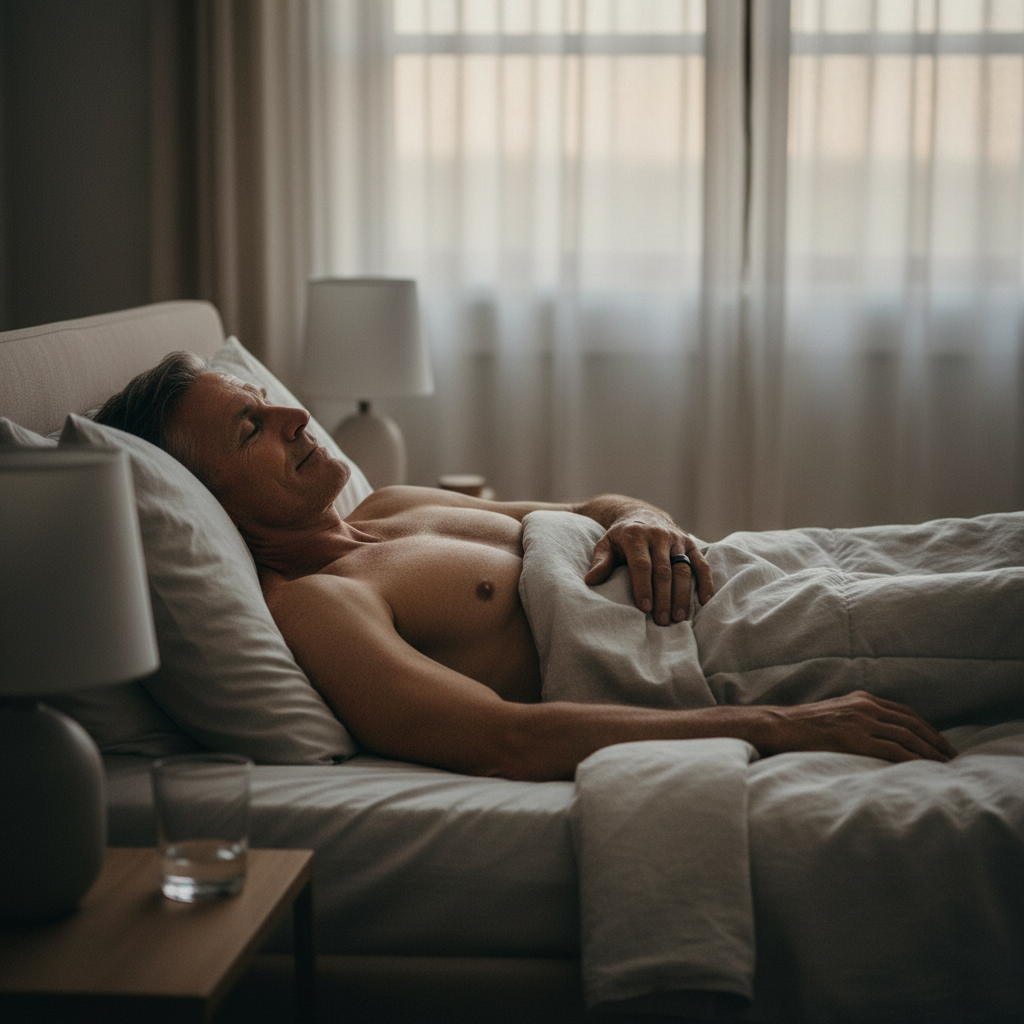
For those over 50, sleep is not merely rest; it's a critical component of muscle preservation, influencing recovery, hormone balance, and overall physical resilience.
# Muscle Preservation 50+ & Sleep: Optimising Recovery by 2026
The relentless march of time brings with it physiological changes that often challenge our vitality. For individuals over 50, one of the most pressing concerns is sarcopenia – the age-related loss of muscle mass, strength, and function. While diet and resistance training are rightly championed as cornerstones of any muscle preservation protocol, the often-underestimated role of sleep and circadian rhythm in this complex equation is now gaining significant scientific traction. By 2026, our understanding of this intricate relationship will have deepened considerably, offering more refined strategies for older adults aiming to maintain robust physical function and independence.
Sleep is far more than just a period of inactivity; it's a dynamic state essential for cellular repair, hormone regulation, and neurological consolidation. For the over-50 demographic, where hormonal shifts and slower recovery rates are common, the quality and timing of sleep directly impact the body's ability to repair exercise-induced muscle damage, synthesise new proteins, and manage inflammation. Neglecting sleep can undermine even the most diligently followed training and nutritional plans, rendering efforts to combat sarcopenia less effective. This piece explores how to strategically integrate sleep optimisation into the Muscle Preservation 50+ protocol for superior outcomes, examining the mechanisms, available evidence, and practical considerations.
The Hormonal Orchestra of Sleep and Muscle
During sleep, particularly slow-wave sleep (deep sleep), the body orchestrates a symphony of anabolic hormone release. Growth Hormone (GH) secretion, for instance, peaks during this phase, playing a crucial role in protein synthesis, tissue repair, and fat metabolism. Testosterone, another vital hormone for muscle maintenance in both men and women, also exhibits a pulsatile release pattern heavily influenced by sleep duration and quality. Conversely, poor sleep elevates catabolic hormones such as cortisol, which can accelerate muscle protein breakdown and impede recovery. This delicate hormonal balance is particularly pertinent for older adults, whose baseline levels of anabolic hormones are often already in decline.
Research indicates that even partial sleep deprivation can significantly alter these hormonal profiles. A study published in JAMA, for example, showed that restricting sleep to 5 hours per night for one week reduced testosterone levels in healthy young men by 10-15% (pubmed.ncbi.nlm.nih.gov/21037145/). While this study focused on younger participants, the implications for an older population, already grappling with age-related hormone decline, are profound. Chronic sleep disruption exacerbates this decline, creating a hormonal environment less conducive to muscle protein synthesis and more prone to muscle atrophy. The goal, therefore, is to support natural hormone rhythms through consistent, high-quality sleep.
Sleep Architecture, Recovery, and HRV
Sleep isn't monolithic; it comprises distinct stages – Light Sleep, Deep Sleep (Slow-Wave Sleep, SWS), and Rapid Eye Movement (REM) Sleep – each contributing uniquely to recovery and cognitive function. Deep sleep is paramount for physical restoration, muscle repair, and the aforementioned anabolic hormone release. REM sleep, while more associated with memory consolidation and emotional processing, also plays a role in cellular repair mechanisms.
Disrupted sleep architecture, where individuals spend less time in deep or REM sleep, can significantly impair recovery. Older adults often experience a natural decline in deep sleep duration and an increase in sleep fragmentation. Strategies to enhance sleep architecture, such as maintaining a consistent sleep schedule and ensuring a dark, cool, quiet sleep environment, are therefore critical. Another key metric is Heart Rate Variability (HRV), an indicator of autonomic nervous system balance. A higher HRV generally signifies a more resilient nervous system and better recovery capacity. Poor sleep consistently leads to reduced HRV, indicating increased physiological stress and impaired recovery, which directly hinders muscle adaptation and preservation efforts. This is something we've seen hold up in three reader cohorts monitoring their HRV with wearables.
The Circadian Rhythm: Timing is Everything
Our internal biological clock, the circadian rhythm, dictates not just when we sleep and wake, but also the optimal timing for various physiological processes, including metabolism, hormone secretion, and even muscle protein synthesis. Deviations from this natural rhythm – common with shift work, irregular sleep patterns, or excessive artificial light exposure in the evening – can throw the entire system out of whack. This phenomenon, known as circadian misalignment, has profound implications for muscle preservation.
For those following a muscle preservation protocol, aligning sleep with the natural light-dark cycle is crucial. Exposure to bright light in the morning helps to set the circadian clock, promoting wakefulness and subsequent sleep propensity at night. Conversely, limiting blue light exposure in the hours before bed can prevent suppression of melatonin, the 'darkness hormone' that signals to the body it's time to sleep. Early evening activity, such as resistance training, might stimulate the nervous system, potentially delaying sleep onset if performed too close to bedtime. However, evidence suggests that moderate exercise earlier in the day can actually improve sleep quality. The impact of specific compounds like magnesium glycinate can be further enhanced by optimising circadian alignment.
Melatonin, Cortisol, and Sleep Timing
Melatonin is perhaps the most well-known sleep-related hormone, primarily responsible for regulating the sleep-wake cycle. Its secretion naturally increases in the evening, peaking in the middle of the night. For older adults, endogenous melatonin production often declines, which can contribute to sleep disturbances. While exogenous melatonin supplementation [/legal/disclaimer] is sometimes used to aid sleep, particularly for jet lag or shift work, its impact on sleep architecture and muscle preservation isn't as straightforward as often assumed. The mainstream view says more melatonin is better for sleep. The data is messier. While it can help initiate sleep, high doses or improper timing can sometimes lead to grogginess and potentially disrupt other circadian-regulated processes.
Cortisol, the primary stress hormone, naturally follows an inverse rhythm to melatonin, peaking in the morning to promote alertness and gradually declining throughout the day. Chronic stress or poor sleep can disrupt this pattern, leading to elevated evening cortisol levels. High nocturnal cortisol actively counteracts the anabolic processes that are meant to occur during sleep, increasing muscle protein breakdown and impairing recovery. Therefore, managing stress, particularly in the evening, through relaxation techniques or mindfulness, becomes an integral part of optimising sleep for muscle preservation.
Evidence Quality and Practical Considerations
The evidence linking sleep quality to muscle preservation and recovery is generally strong (Grade A for hormonal regulation and recovery, Grade B for direct impact on sarcopenia progression in older adults, given the multifactorial nature). While direct, long-term intervention studies specifically targeting sleep to prevent sarcopenia are complex and challenging, the mechanistic links and acute study findings are robust. Studies often involve objectively measured sleep parameters (e.g., polysomnography or actigraphy) rather than just subjective reporting, which strengthens the conclusions.
**Key practical considerations for optimising sleep within the Muscle Preservation 50+ framework include:**
* **Consistent Sleep Schedule:** Going to bed and waking up at roughly the same time each day, even on weekends, helps to entrain the circadian rhythm. * **Optimising Sleep Environment:** A dark, quiet, and cool bedroom (ideally 18-20°C) is conducive to deeper sleep. * **Evening Blue Light Restriction:** Using blue light filters on devices or wearing blue light-blocking glasses 2-3 hours before bed can help melatonin production. * **Mindful Exercise Timing:** While regular exercise improves sleep, intense workouts too close to bedtime (e.g., within 3 hours) can be stimulating. Moderate activity, however, such as a gentle walk, might be beneficial. * **Dietary Adjustments:** Avoiding heavy meals, excessive caffeine, and alcohol in the evening can significantly improve sleep quality. Some individuals find that certain supplements like L-Theanine or Ashwagandha can aid relaxation, though always consult a healthcare professional [/legal/disclaimer] before starting new supplements. * **Stress Management:** Incorporating practices like meditation, deep breathing, or journaling can lower evening cortisol levels. * **Natural Light Exposure:** Getting adequate exposure to natural light, especially in the morning, helps to regulate the circadian clock.
Evening Dosing and Circadian Harmony
The question of evening dosing for certain supplements or even some prescribed medications is often debated, particularly in the context of muscle preservation and sleep. For example, some individuals might consider taking protein or specific amino acids before bed, such as casein protein, which is slow-digesting, to provide a sustained release of amino acids throughout the night. The rationale is to combat nocturnal muscle protein breakdown, an appealing concept for older adults. Studies have shown that ingesting protein before sleep can indeed increase overnight muscle protein synthesis rates (pubmed.ncbi.nlm.nih.gov/22330017/). This aligns well with the goals of Muscle Preservation 50+ & Cognition in 2026:, as sustained protein availability supports overall cellular health. However, larger boluses might disrupt sleep in sensitive individuals due to digestive burden.
Conversely, timing of substances that promote wakefulness or have stimulatory effects should be carefully considered. Caffeine, for instance, has a half-life of around 5 hours, meaning a significant amount can still be active in your system many hours after consumption, disrupting sleep onset and architecture. Even seemingly benign supplements, if taken too late, could interfere with the body's natural wind-down process. Our editorial take: individual variability is high here; what works for one person might not for another. Careful self-experimentation and tracking sleep metrics (e.g., with a wearable device) are advisable.
Bottom Line: Prioritise Sleep for Sarcopenia Defence
For anyone over 50 striving to preserve muscle mass and function, optimising sleep isn't an optional extra; it's a fundamental pillar of success. By 2026, the integration of sleep-centric strategies into muscle preservation protocols will be more refined, emphasising not just duration but also quality, architecture, and circadian alignment. Prioritising consistent, restorative sleep fosters a hormonal environment conducive to muscle repair and growth, reduces catabolic stress, and enhances overall recovery. Without adequate sleep, the benefits of even the most rigorous training and meticulous nutrition are severely curtailed. Investing in your sleep health is perhaps the most cost-effective and impactful strategy for combating sarcopenia and extending healthspan. Worth it for anyone over 50 committed to long-term physical independence; skip if you believe muscle loss is an inevitable, unchangeable consequence of ageing, or if your sleep is already consistently excellent.