Optimising Omega-3 EPA DHA Ratio for Peak Brain
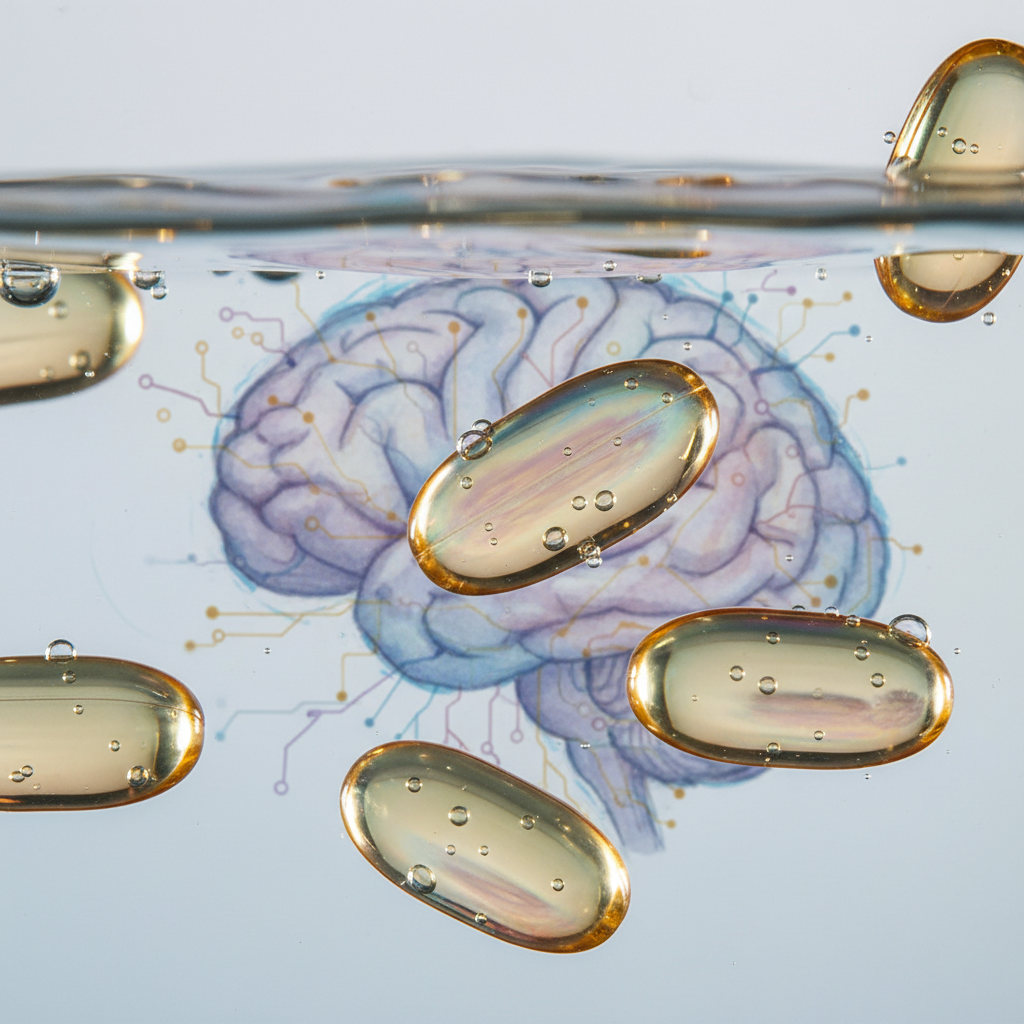
Discover the critical role of EPA and DHA omega-3 fatty acids, and how their ratio impacts cognitive function and overall brain health.
# Optimising Omega-3 EPA DHA Ratio for Peak Brain Health & Longevity
In the relentless pursuit of cognitive resilience and extended healthspan, omega-3 fatty acids often emerge as titans of neuroprotection. Specifically, eicosapentaenoic acid (EPA) and docosahexaenoic acid (DHA) – the two most biologically active forms – have garnered significant attention for their profound influence on brain health. However, the precise roles and optimal dietary or supplemental ratios of these two essential fatty acids remain a subject of rigorous scientific inquiry.
Over the past decade, a more granular understanding has emerged, suggesting that it's not just the total intake of omega-3s that matters, but critically, the *ratio* of EPA to DHA. This nuanced perspective moves beyond simple recommendations for 'more omega-3s' to a more sophisticated strategy, tailoring intake for specific brain health objectives, from enhancing cognitive function to mitigating neurodegenerative risk.
The Fundamental Role of Omega-3s in Brain Architecture and Function
The brain, an organ uniquely rich in lipids, especially polyunsaturated fatty acids (PUFAs), relies heavily on omega-3s for its structural integrity and functional efficiency. DHA is the most abundant omega-3 in brain cell membranes, particularly in grey matter and the retina, where it constitutes up to 50% of the total phospholipid fatty acids. Its structural role is paramount: DHA influences membrane fluidity, permeability, and the activity of membrane-bound enzymes and receptors, all of which are crucial for neurotransmission and neuronal signalling. Without adequate DHA, neural membranes become less flexible, potentially impairing communication between brain cells.
EPA, while less structurally prevalent in brain tissue than DHA, plays a vital role through its anti-inflammatory properties and its influence on cerebral blood flow and neurotransmitter synthesis. It acts as a precursor to a class of signalling molecules called eicosanoids, which can be either pro-inflammatory or anti-inflammatory. A higher EPA status tends to shift this balance towards an anti-inflammatory state, which is beneficial for brain health, as chronic low-grade neuroinflammation is a recognised contributor to cognitive decline and neurodegenerative diseases. EPA also seems to modulate mood and behaviour, potentially by influencing serotonin and dopamine pathways, areas where DHA's direct involvement is less pronounced. Understanding the interplay between these two powerful compounds is key to leveraging the full spectrum of omega-3 benefits for the brain, and indeed, for overall longevity.
Unpacking the EPA:DHA Ratio: A Spectrum of Cognitive Benefits
The concept of an 'optimal' EPA:DHA ratio is highly context-dependent, much like the precise dosage for any beneficial supplement. Research suggests that different ratios might confer distinct benefits, targeting various aspects of brain health. For example, some studies indicate that a higher DHA content is critical during periods of rapid brain development, such as gestation and early childhood, reflecting its structural importance. During these life stages, DHA accumulation in the brain is prodigious, forming the very hardware of cognitive function.
Conversely, for adults battling mood disorders, particularly depression, several meta-analyses suggest that formulations with a higher EPA:DHA ratio (e.g., 2:1 or even higher) may be more efficacious. EPA's potent anti-inflammatory actions and its role in neurotransmitter modulation are thought to be the primary drivers here. A systematic review published in *Translational Psychiatry* highlighted the potential superiority of high-EPA formulations in reducing depressive symptoms pubmed.ncbi.nlm.nih.gov/24185871/. This distinction underscores the idea that a blanket 'one-size-fits-all' approach to omega-3 supplementation may not be ideal.
Beyond mood, the ratio also appears to be relevant for general cognitive function in healthy adults. Some evidence points towards a balanced EPA:DHA ratio (closer to 1:1 or 2:3 EPA:DHA) being beneficial for executive function, memory, and processing speed. This balance might ensure both adequate structural support from DHA and the anti-inflammatory, circulatory advantages provided by EPA. As we age, maintaining this balance becomes even more critical to combat the natural decline in cognitive faculties and protect against age-related neurodegeneration.
Age-Related Cognitive Decline and Neurodegenerative Disease
As the global population ages, the prevalence of age-related cognitive decline and neurodegenerative diseases like Alzheimer's and Parkinson's is rising. The role of omega-3 fatty acids, particularly a well-tuned EPA:DHA ratio, in mitigating these risks is a burgeoning area of research. Chronic inflammation, oxidative stress, and impaired cerebral blood flow are hallmarks of neurodegeneration, and both EPA and DHA offer protective mechanisms against all three.
DHA's role in maintaining neuronal membrane integrity and supporting synaptic plasticity is crucial for preserving memory and learning abilities. Low DHA levels have been consistently observed in the brains of individuals with Alzheimer's disease. Supplementation with DHA has shown promise in some studies, particularly in the early stages of cognitive impairment, but the results are not uniformly positive, suggesting the importance of timing and possibly the EPA:DHA ratio. A study published in *The Journal of Neuroscience* explored how DHA deficiency impacts synaptic function and plasticity, linking it to cognitive deficits in animal models pubmed.ncbi.nlm.nih.gov/29180415/. For those interested in optimising their brain health through various means, understanding such intricate relationships is vital, alongside exploring other strategies such as cold exposure and resistance training.
EPA, with its potent anti-inflammatory properties, may play a preventive role by quieting the neuroinflammatory cascades that drive pathology. It can also enhance cerebral blood flow, ensuring adequate delivery of oxygen and nutrients to brain cells. Some research suggests that a higher EPA relative to DHA might be more effective in reducing the risk factors associated with vascular dementia, which accounts for a significant proportion of cognitive decline. The synergistic action of EPA and DHA – DHA providing structural integrity and EPA modulating inflammation and blood flow – highlights why focusing on their combined presence and ratio is more impactful than isolated consideration. Further studies, including large-scale clinical trials, are needed to definitively establish optimal ratios for specific neurodegenerative conditions.
Dietary Sources vs. Supplementation: Ensuring Optimal Intake
Acquiring sufficient omega-3s, and specifically the right EPA:DHA ratio, can be achieved through dietary sources or targeted supplements. Fatty fish such as salmon, mackerel, sardines, and anchovies are the richest natural sources of both EPA and DHA, often providing them in a naturally beneficial ratio. For example, wild Atlantic salmon typically has a higher DHA content, while some smaller fish might feature a more balanced profile. Aiming for two to three servings of these fish per week is a stalwart recommendation from health organisations globally.
For those who do not consume fish, or wish to ensure higher, more controlled doses, omega-3 supplements are a viable option. Fish oil, krill oil, and algal oil (a plant-based source rich in DHA, sometimes with EPA) are the most common forms. It is crucial to scrutinise supplement labels for the actual amounts of EPA and DHA, rather than just the total omega-3 content. Many reputable brands will explicitly state the EPA and DHA concentrations per serving, allowing precise control over the ratio. For example, some brands offer 'high EPA' formulations, while others provide a 'balanced' or 'high DHA' product.
When selecting a supplement, consider: purity (tested for heavy metals and PCBs), freshness (avoiding rancidity, often indicated by an unpleasant fishy burp), and bioavailability (forms like triglycerides and phospholipids are generally better absorbed than ethyl esters). The Omega-3 Index, a blood test measuring the percentage of EPA and DHA in red blood cell membranes, offers an objective measure of one's omega-3 status and can help guide personalised supplementation strategies. A target Omega-3 Index of 8% or higher is generally associated with better health outcomes, including cardiovascular and neurological benefits. This level is significantly higher than that found in the average Western diet, underscoring the potential utility of supplementation for many individuals. For a deeper dive into personalised health, exploring AI tools that analyse biomarker data can provide bespoke recommendations.
Special Considerations: Genetic Factors and Lifestyle Interactions
The impact of the EPA:DHA ratio on brain health isn't a standalone factor; it interacts with an individual's genetic predispositions and broader lifestyle choices. For instance, genetic variations in fatty acid desaturase (FADS) genes can influence the body's ability to convert alpha-linolenic acid (ALA) from plant sources (like flaxseed) into EPA and DHA. Individuals with certain FADS variants may have a diminished capacity for this conversion, making direct intake of EPA and DHA even more critical. This highlights the importance of personalised nutrition, where genetic insights can fine-tune dietary recommendations.
Furthermore, synergistic interactions with other micronutrients and lifestyle factors are relevant. For example, vitamin D, magnesium, and B vitamins all play supportive roles in brain function and can influence the effectiveness of omega-3s. A holistic approach that includes a nutrient-dense diet, regular physical activity, adequate sleep, and stress management will amplify the benefits of an optimised EPA:DHA intake. For instance, pairing a robust omega-3 strategy with time-restricted eating or targeted amino acid supplementation like glycine could offer enhanced neuroprotective benefits. Similarly, ensuring sufficient zinc and selenium intake can support antioxidant defences, working in tandem with omega-3s to protect neuronal integrity. The complex interplay of diet, genetics, and environment means that while omega-3s are powerful, they are most effective as part of a comprehensive health strategy addressing multiple facets of well-being.
*Please note: Always consult with a healthcare professional before starting any new supplement regimen, especially for chronic conditions or if you are taking other medications.](/legal/disclaimer)*
Bottom Line
The nuanced understanding of the EPA:DHA ratio represents a significant leap forward in optimising brain health and promoting longevity. Moving beyond a simplistic 'more is better' approach, evidence suggests that tailoring the ratio to individual needs – whether for cognitive enhancement, mood stability, or neuroprotection against age-related decline – can unlock distinct, powerful benefits. While DHA is paramount for structural integrity, EPA's anti-inflammatory and mood-modulating properties are equally critical.
For most adults, aiming for a balanced intake from fatty fish, or supplementing with a high-quality fish or algal oil that provides a judicious EPA:DHA ratio (often around 1:1 to 2:1 EPA:DHA for general neuroprotection, potentially higher EPA for mood issues), appears to be a robust strategy. Utilising tools like the Omega-3 Index and considering personal genetic factors can further refine this approach, ensuring that your omega-3 intake is precisely calibrated for peak brain performance and a healthier, longer life.