Pinealon Side Effects & Safety: What to
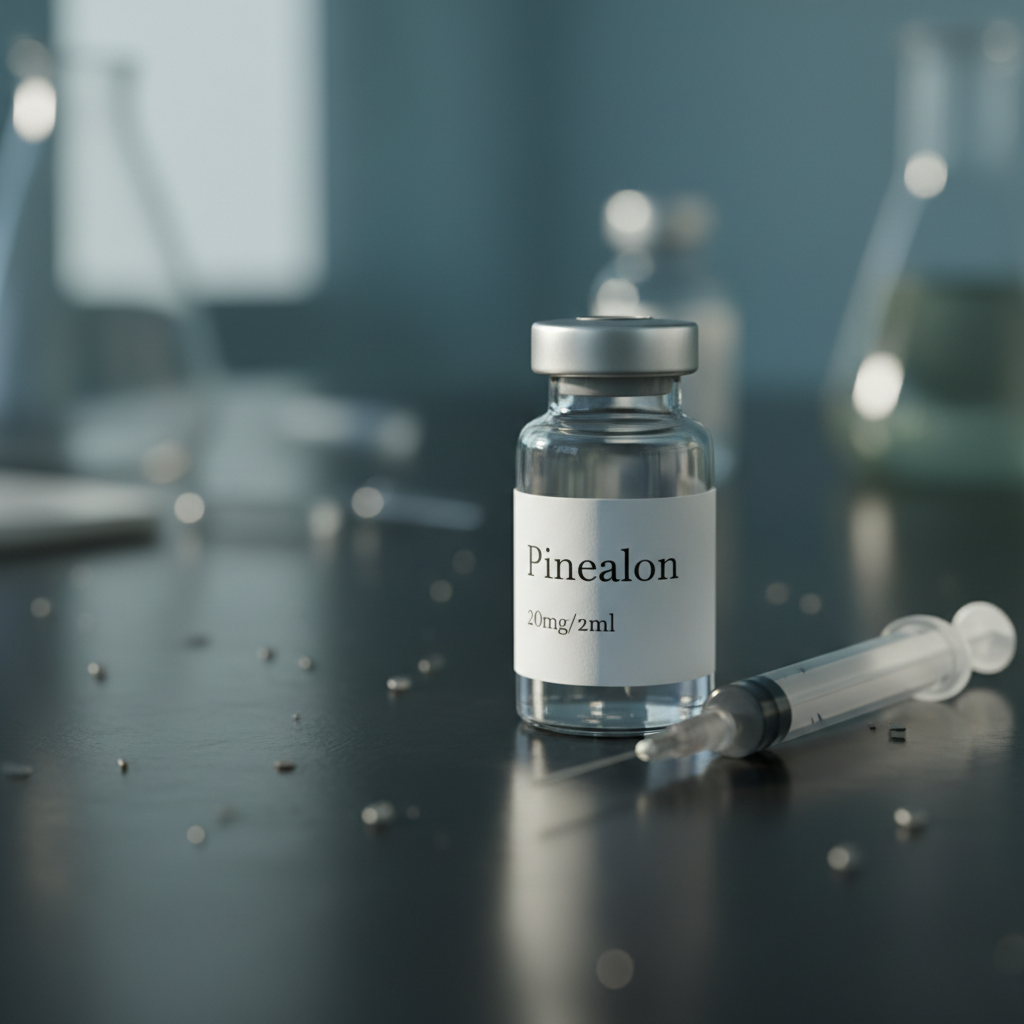
A deep dive into the safety and potential side effects of Pinealon, examining available evidence, contraindications, and crucial considerations for its use.
# Pinealon Side Effects & Safety: What to Know by 2026
Pinealon, a synthetic tripeptide (Glu-Asp-Arg) developed within the extensive Russian bioregulator research programme, has garnered increasing interest for its purported neuroprotective and cognitive-enhancing properties. While its potential to modulate gene expression, bolster antioxidant defences, and mitigate apoptosis within the central nervous system presents an exciting avenue for healthspan extension, a thorough understanding of its safety profile, potential side effects, and contraindications is paramount. As we approach 2026, the longevity community demands rigorous scrutiny of any compound, and Pinealon is no exception. This detailed analysis aims to cut through the anecdotal claims and examine the evidence concerning Pinealon’s safety for prospective users.
Understanding Pinealon's Mechanism and Safety Context
Pinealon is hypothesised to exert its effects by influencing neuronal function and resilience, particularly in the face of age-related decline or neurological stress. Its structure as a short peptide is thought to facilitate blood–brain barrier penetration, allowing direct action on brain tissues. Within the broader context of bioregulator peptides like Epithalon, these compounds are generally posited to restore physiological function rather than induce pharmacological shifts. This 'restorative' mechanism often suggests a lower propensity for severe adverse events compared to synthetic drugs that force biological pathways into overdrive. However, 'natural' or 'restorative' doesn't equate to entirely risk-free, and careful consideration is always warranted, especially given the limited human data outside of Eastern European studies. Our editorial take is that while the mechanism sounds benign, the lack of Western-standard large-scale clinical trials means we must proceed with caution.
Documented Side Effects: A Closer Look
Information regarding Pinealon's side effects, particularly in Western literature, remains relatively sparse. The bulk of safety data originates from Russian studies, many of which are not published in easily accessible, peer-reviewed English-language journals with robust methodologies. What data we do have points to a generally favourable safety profile at typical research doses. Common side effects, if reported, are often mild and transient, mirroring those seen with other short peptides. These might include:
* **Injection site reactions:** For subcutaneous or intramuscular administration, minor discomfort, redness, or swelling at the injection site is not uncommon. This is a general issue with injectables, not specific to Pinealon. Ensure sterile technique and proper rotation of injection sites. * **Mild gastrointestinal upset:** Nausea or stomach discomfort has been anecdotally reported, though rarely with high frequency or severity. * **Headache:** Infrequent, usually mild, and self-limiting.
The frequency of these events is not well-quantified, but existing literature suggests they are uncommon. Severe adverse events have not been widely reported in the public domain, but this absence of evidence is not evidence of absence, especially given the limitations of the available research. Compared to some other peptides like BPC-157 or TB-500 which have a wider base of anecdotal user reports, Pinealon's user base in the West is smaller, which might skew perception of its safety profile.
Evidence Quality and Nuances in Reporting
The quality of evidence for Pinealon's safety, particularly concerning side effects, can be classified as **Grade C**. This means it is largely based on small-scale human studies, animal research, and expert opinion from non-Western contexts. While these studies suggest good tolerability, they often lack the rigorous blinding, randomisation, large participant numbers, and comprehensive adverse event reporting expected from Grade A or B evidence (e.g., large, multi-centre, placebo-controlled clinical trials). The mainstream view says these peptides are inherently safe. The data is messier; while they appear safe, the depth of safety data just isn't there in a way that allows definitive statements on rare, long-term, or idiosyncratic adverse events. This makes drawing firm conclusions challenging and underscores the need for extreme caution and personal vigilance if considering use.
When discussing peptides or supplements, it is crucial to remember the disclaimer: /legal/disclaimer.
Potential Drug and Supplement Interactions
Currently, there is no robust scientific literature detailing specific drug or supplement interactions with Pinealon. Given its proposed mechanism of action – modulating gene expression rather than directly interacting with drug metabolising enzymes – the risk of significant pharmacokinetic interactions might be lower than with many pharmaceuticals. However, this is largely theoretical. Users taking central nervous system depressants, stimulants, or other cognitive-modulating agents should exercise extreme caution. Any compound affecting neurological function could theoretically have additive or synergistic effects, or conversely, antagonistic ones, even if not directly metabolised through the same pathways.
Individuals on prescription medications, especially those for neurological or psychiatric conditions, or anyone taking potent supplements like Rhodiola Rosea or Lion's Mane for cognitive enhancement, should consult a qualified healthcare professional before considering Pinealon. The lack of data means *any* co-administration carries an unknown risk. As a rule, introduce one new compound at a time to isolate potential effects and track any changes diligently. This applies across the spectrum of longevity interventions, from common supplements like Magnesium Glycinate to more advanced Mitochondrial Optimization protocols.
Contraindications and 'When to Stop' Criteria
While explicit contraindications for Pinealon are not extensively documented, certain situations warrant avoidance or immediate cessation:
* **Pregnancy and Breastfeeding:** As with almost all research compounds, Pinealon should be avoided due to insufficient safety data for foetal or infant development. * **Known Hypersensitivity:** Any individual with a history of allergic reactions to peptides or excipients in the formulation should not use Pinealon. * **Serious Neurological Conditions:** Patients with active seizures, severe neurodegenerative diseases (e.g., advanced Parkinson's, Alzheimer's), or recent stroke should avoid Pinealon unless under strict medical supervision within a research context. The potential for interaction with disease pathology or medication is unknown. * **Active Cancers:** Given its purported influence on gene expression and cellular processes, individuals with active cancer or a strong history of certain cancers might be advised against its use, though no direct link has been established.
**When to Stop:** Discontinue Pinealon immediately if you experience any unexpected or severe side effects, including but not limited to severe headaches, persistent gastrointestinal distress, significant mood changes, or any signs of an allergic reaction (rash, difficulty breathing, swelling). If you feel unwell or observe any concerning symptoms that began after starting Pinealon, cease use and seek medical advice. Keeping a detailed log of your subjective experience and any changes can be invaluable for identifying patterns.
Monitoring and Biomarkers
Given the neurocentric focus of Pinealon, monitoring cognitive function and general well-being is key. While there are no specific blood tests universally recommended to monitor Pinealon's direct impact, indirect measures and subjective assessments are useful:
* **Subjective Focus (1–10):** Regularly rate your ability to concentrate, sustain attention, and avoid distractions. Any significant decline could be a signal. * **Cognitive Performance Metrics:** Utilise cognitive testing apps or online tools to track reaction time, memory recall, and executive function. Consistent, objective tracking is part of effective Cognitive Enhancement. * **Sleep Architecture:** Pinealon is not primarily a sleep aid, but neurological health impacts sleep. Tracking metrics like Deep sleep, REM sleep, Sleeping HR, and HRV overnight via a wearable can provide insights into overall systemic stress and recovery. Changes in these metrics could signal either benefit or perturbation. Our Sleep Architecture protocol stresses the importance of continuous monitoring. * **General Health Markers:** Routine blood work (full blood count, liver and kidney function, inflammatory markers) can help rule out systemic issues, though it’s unlikely to directly reflect Pinealon’s effects. A Biomarker insights tool can help interpret these results.
Remember, the goal is not just to detect adverse effects but also to ensure the compound is delivering intended benefits, justifying its use. If after a reasonable trial period (e.g., 8-12 weeks) you perceive no positive changes and/or experience minor but persistent issues, reconsider its place in your regimen.
Bottom Line
Pinealon appears to possess a relatively benign short-term safety profile based on the limited, predominantly Eastern European, research available. Serious adverse events are rare in reported literature. However, the paucity of high-quality, large-scale, placebo-controlled human trials (Grade A evidence) means that our understanding of its long-term safety, potential for rare idiosyncratic reactions, and interactions with other medications remains incomplete. For individuals prioritising maximum safety and rigorously established evidence, Pinealon might not yet meet the threshold for routine use. It is a research chemical, not a licensed medicine, and should be treated with the utmost respect for its unknown properties. It's potentially worth considering for those deeply engaged in biohacking and personal longevity research, who understand and accept the inherent risks of working with compounds with limited human safety data. For anyone else, particularly those with underlying health conditions or on multiple medications, it is wise to skip it until more definitive safety data emerges from robust Western clinical trials. Always operate under the guidance of a qualified healthcare professional and exercise significant personal responsibility, remembering the /legal/disclaimer at all times. Our understanding of Stress Resilience also teaches us to avoid adding unnecessary variables if we're already managing complex health situations.