Boosting Bone Density After 40: The Power of
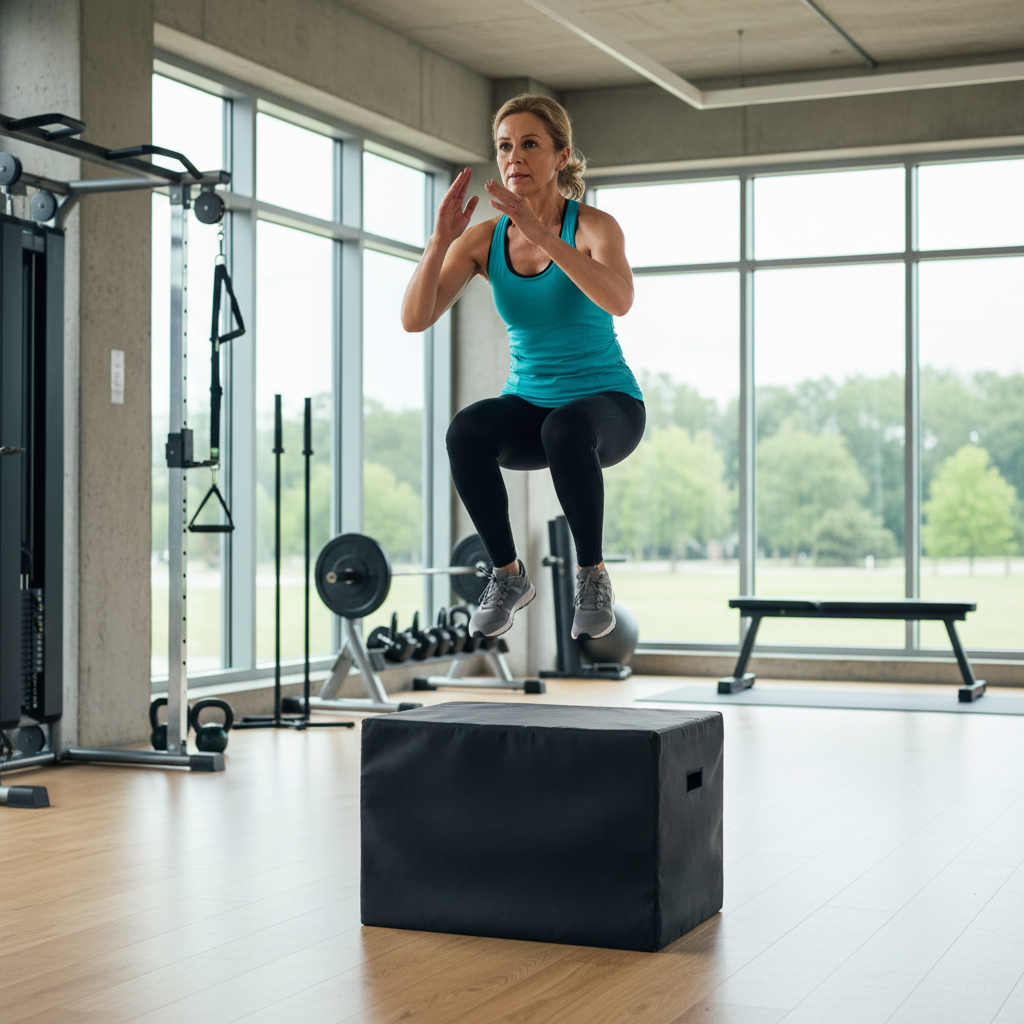
Discover how plyometric training, when safely and correctly implemented, can be a game-changer for improving bone density after 40, reducing fracture risk.
# Boosting Bone Density After 40: The Power of Plyometrics
As we age, particularly after the fourth decade, our bones undergo a gradual yet significant transformation. Bone mineral density (BMD) naturally declines, a process that can accelerate in women post-menopause due to hormonal shifts. This reduction in bone strength can lead to osteopenia and, eventually, osteoporosis, dramatically increasing the risk of fragility fractures – breaks that occur from minor falls or even everyday movements. While calcium and vitamin D are foundational for bone health, they are not the sole arbiters of skeletal integrity. Mechanical loading, the physical stress placed upon bones, is a potent stimulus for bone remodelling and strengthening. And when it comes to effective mechanical loading, plyometrics, often associated with athletic performance, emerges as a surprisingly powerful tool for enhancing bone density after 40.
Historically, impact loading exercises have been recognised for their osteogenic (bone-forming) potential. However, the specific type and intensity of impact matter. Plyometric training, characterised by rapid, powerful movements that involve a quick eccentric (muscle lengthening) contraction followed immediately by a concentric (muscle shortening) contraction, generates higher ground reaction forces than many conventional exercises. These higher-magnitude, dynamic loads are precisely what stimulate osteoblasts (bone-building cells) more effectively. For individuals over 40, the key lies in understanding how to harness these benefits safely and progressively, transitioning from gentler impacts to more demanding movements without undue risk.
Understanding Bone Remodelling and the Role of Plyometrics
Our bones are not inert structures; they are dynamic, living tissues constantly undergoing a process called remodelling. Old bone is reabsorbed by osteoclasts, and new bone is laid down by osteoblasts. This intricate balance is influenced by numerous factors, including genetics, diet, hormones, and, crucially, mechanical stress. When bones are subjected to appropriate mechanical loads, particularly high-magnitude, brief, and varied forces, osteoblast activity is stimulated, leading to increased bone formation and improved density. This phenomenon is often described by Wolff's Law, which states that bone adapts to the loads it is placed under.
Traditional weight-bearing exercises like walking or cycling provide some mechanical stress, but the impact forces are often insufficient to maximally stimulate bone growth, especially for those with already declining BMD. This is where plyometrics excel. By incorporating jumping, hopping, and bounding, plyometrics generate significant peak forces that exceed those of walking or jogging. These forces create micro-strains within the bone, signalling to osteoblasts that the bone needs to become stronger to withstand future stresses. The rapid stretch-shortening cycle inherent in plyometric movements not only enhances muscle power but also transmits these powerful forces directly to the skeletal system, prompting adaptive responses.
For adults over 40, particularly those new to such training, the focus must be on progressive overload and proper technique. Starting with low-impact plyometrics, such as skipping or box steps, allows the body to adapt gradually. As strength and coordination improve, exercises can progress to include shallow jumps, hops, and eventually, more dynamic bounding movements. The goal is to provide novel, challenging mechanical stimuli without overwhelming the musculoskeletal system. This tailored approach ensures that the benefits of enhanced bone density are achieved safely and sustainably.
Safe Implementation of Plyometrics for Older Adults
While the osteogenic benefits of plyometrics are clear, safety is paramount, especially for individuals over 40. Pre-existing conditions, current fitness levels, and injury history must all be carefully considered. It is highly advisable to consult with a healthcare professional or a qualified exercise physiologist before embarking on any new plyometric programme. A thorough assessment can identify potential contraindications, such as severe osteoporosis, joint instability, or cardiovascular issues.
Key principles for safe plyometric implementation include:
- **Gradual Progression:** Begin with low-intensity, low-impact exercises. Think two-foot hops, stair climbing, or skipping before progressing to box jumps or hurdle hops. The body needs time to adapt to new stresses, both muscular and skeletal.
- **Proper Warm-up:** A dynamic warm-up is crucial to prepare muscles, tendons, and joints for the demands of plyometric activity. This might include light cardio, dynamic stretches, and mobility drills. A well-structured warm-up can also be found within a comprehensive resistance training routine.
- **Focus on Landing Mechanics:** Proper landing technique is vital to absorb impact forces effectively and prevent injury. Land softly on the balls of your feet, allowing your knees and hips to bend to dissipate the force. Avoid stiff-legged landings. This principle is often overlooked but is as important as the jump itself.
- **Adequate Recovery:** Plyometrics are demanding. Allow sufficient rest between sessions – typically 48-72 hours for the same muscle groups – to facilitate repair and adaptation. Over-training can lead to injury and hinder progress.
- **Listen to Your Body:** Any sharp pain, especially in joints, should be a signal to stop. Discomfort is part of training, but pain indicates a potential problem. Adjust intensity or take a rest day.
Incorporating plyometrics into an existing fitness routine should be strategic. It complements resistance training by providing a different type of loading stimulus. For example, a session might include 10-20 minutes of plyometric drills integrated with strength work, perhaps after a thorough warm-up. This integrated approach not only targets bone density but also improves muscle power, balance, and coordination – all crucial components of healthy ageing. Further insights into overall fitness approaches can be found by exploring general protocols.
Effective Plyometric Exercises for Bone Density After 40
The selection of plyometric exercises should be tailored to individual capabilities and progressively scaled. Here are some examples, starting from lower-impact options:
* **Calf Raises (Explosive):** Stand with feet hip-width apart. Rise onto the balls of your feet as high as possible, then lower with control. To add a plyometric element, make the ascent and descent faster, almost like a small spring. Can be done on flat ground or off a step for greater range. * **Skipping:** A classic, low-impact plyometric exercise. Focus on light, quick steps, getting a little air with each stride. It’s an excellent way to introduce dynamic loading. * **Stair Climbing/Descending (Controlled):** While ascending stairs provides impact, controlled descending, especially with a slightly faster pace, can generate greater bone-stimulating forces. Ensure handrails are available for balance. * **Box Steps/Step-Ups (Explosive):** Step onto a low box (6-12 inches) with one foot, driving up explosively through the heel, then step back down. Alternate legs. Focus on quick transitions. This can be progressed to Box Jumps as proficiency improves. * **Low-Level Hops (Two-footed and Single-footed):** Begin with two-footed hops, focusing on soft landings. Progress to single-footed hops once balance and strength allow. The emphasis is on quick ground contact and upward propulsion rather than height. * **Jump Squats (Shallow):** Perform a squat, then explode upwards a few inches off the ground. Land softly back into a squat position. Start with very shallow jumps and gradually increase height as comfort and form improve. Avoid deep squats if knee issues are present. * **Broad Jumps (Short Distance):** From a standing start, jump forward as far as comfortable, landing softly. Focus on control and landing mechanics. Gradually increase distance.
The volume and intensity of plyometric training should be conservative initially. Start with 2-3 sets of 5-10 repetitions for 2-3 exercises, 2-3 times per week, with ample rest between sessions. As bone and muscle adapt, you can gradually increase repetitions, sets, or introduce more challenging exercises. The key is consistency and progressive overload, ensuring that the body is continuously challenged without being overstressed. This approach aligns well with general longevity strategies, which often emphasise consistent, moderate, and varied physical activity throughout the lifespan. For additional physical training considerations, explore cold exposure and sauna protocols, which can complement recovery and overall health.
Nutritional Support and Synergistic Strategies
While plyometrics directly stimulate bone remodelling, their effectiveness is significantly amplified by adequate nutritional support. Bones require a steady supply of building blocks to respond to mechanical stress. Calcium, magnesium, vitamin D, and vitamin K2 are particularly critical.
- **Calcium:** Essential for bone structure. Dietary sources include dairy products, leafy greens, fortified plant milks, and certain fish. PubMed ID: 34167385 highlights the importance of calcium in bone health.
- **Vitamin D:** Crucial for calcium absorption and bone mineralisation. Sunlight exposure is a primary source, along with fortified foods and supplements. Maintaining optimal vitamin D levels is strongly linked to reducing fracture risk.
- **Magnesium:** Plays a role in bone mineral density and activates vitamin D. Found in nuts, seeds, leafy greens, and whole grains. Supplementation with magnesium glycinate can be particularly beneficial due to its high bioavailability.
- **Vitamin K2:** Directs calcium to the bones and away from arteries. Rich sources include fermented foods (like natto), hard cheeses, and egg yolks.
Beyond these foundational nutrients, consider protein intake. Protein constitutes about 50% of bone volume and a third of its mass. Adequate protein is essential for bone matrix formation. Moreover, other supplements and compounds are gaining attention for their potential bone-protective effects. For instance, Urolithin A is being researched for its role in mitochondrial health, which indirectly supports tissue repair and regeneration, including bone. Similarly, compounds like creatine can enhance muscle strength and power, indirectly supporting higher-intensity plyometric training, thus benefiting bone density.
Furthermore, maintaining overall metabolic health is paramount. Conditions like insulin resistance and chronic inflammation can negatively impact bone remodelling. Strategies such as time-restricted eating and consuming a diet rich in whole, unprocessed foods can contribute to a healthier metabolic profile, thereby indirectly supporting bone integrity. For those seeking comprehensive insights into their biological age and health, tools such as biological age calculators and biomarker insights can offer personalised data to guide lifestyle choices.
Monitoring Progress and Long-Term Commitment
To effectively assess the impact of plyometric training on bone density, regular monitoring is advisable. The gold standard for measuring BMD is a Dual-energy X-ray Absorptiometry (DXA) scan. These scans provide precise measurements of bone density in various areas, such as the spine and hip, allowing you to track changes over time. Discuss with your doctor the appropriate frequency for DXA scans, typically every 1-2 years, depending on your baseline and risk factors.
Beyond DXA scans, subjective and objective markers of progress can also be tracked:
- **Improved Balance and Coordination:** Noticeable improvements in stability during everyday activities or more complex movements.
- **Enhanced Muscle Power:** Ability to perform movements with greater force and speed, directly benefiting plyometric performance.
- **Reduced Fear of Falling:** A common concern for older adults, which often diminishes as strength and confidence in movement improve.
- **Fitness Tracking:** Utilising wearables can provide data on activity levels, sleep quality, and even some indirect markers of recovery, helping to optimise training schedules.
Long-term commitment is essential for bone health. Bone remodelling is a slow process, and significant changes in BMD take time – often 6-12 months or more – to manifest. Therefore, consistency in both plyometric training and nutritional strategies is crucial. Viewing plyometrics as an integral part of a holistic longevity strategy, alongside a balanced diet, adequate rest, and other forms of exercise like Zone 2 cardio, will yield the most profound and lasting benefits. Remember that peptides such as BPC-157 or TB-500 are sometimes explored for tissue repair, but their use for bone density should be discussed with a medical professional and adheres to the regulatory landscape. For a deeper understanding of various peptides, refer to our comprehensive guide on peptides.
Bottom line
Plyometrics offer a powerful and evidence-backed strategy for individuals over 40 to enhance bone mineral density and significantly reduce the risk of osteoporosis and fragility fractures. By generating higher-magnitude, dynamic mechanical loads, these exercises effectively stimulate bone-building processes. Crucially, safe and progressive implementation, guided by professional advice, is paramount to harness these benefits without injury.
Coupled with optimal nutrition – focusing on calcium, vitamin D, magnesium, and vitamin K2 – and a commitment to long-term physical activity, plyometric training becomes a cornerstone of a robust longevity plan. Embracing this dynamic approach can empower you to build stronger bones, maintain functional independence, and enjoy a higher quality of life well into your later years.
_Please note: Discussions of supplements, drugs, or peptides are for informational purposes only and do not constitute medical advice. Always consult a qualified healthcare professional before starting any new supplement, drug, or exercise regimen, especially if you have pre-existing health conditions or are taking medication. For further details, please refer to our full /legal/disclaimer._