Rhodiola Rosea and Sleep Quality: A 2026 Circadian Deep
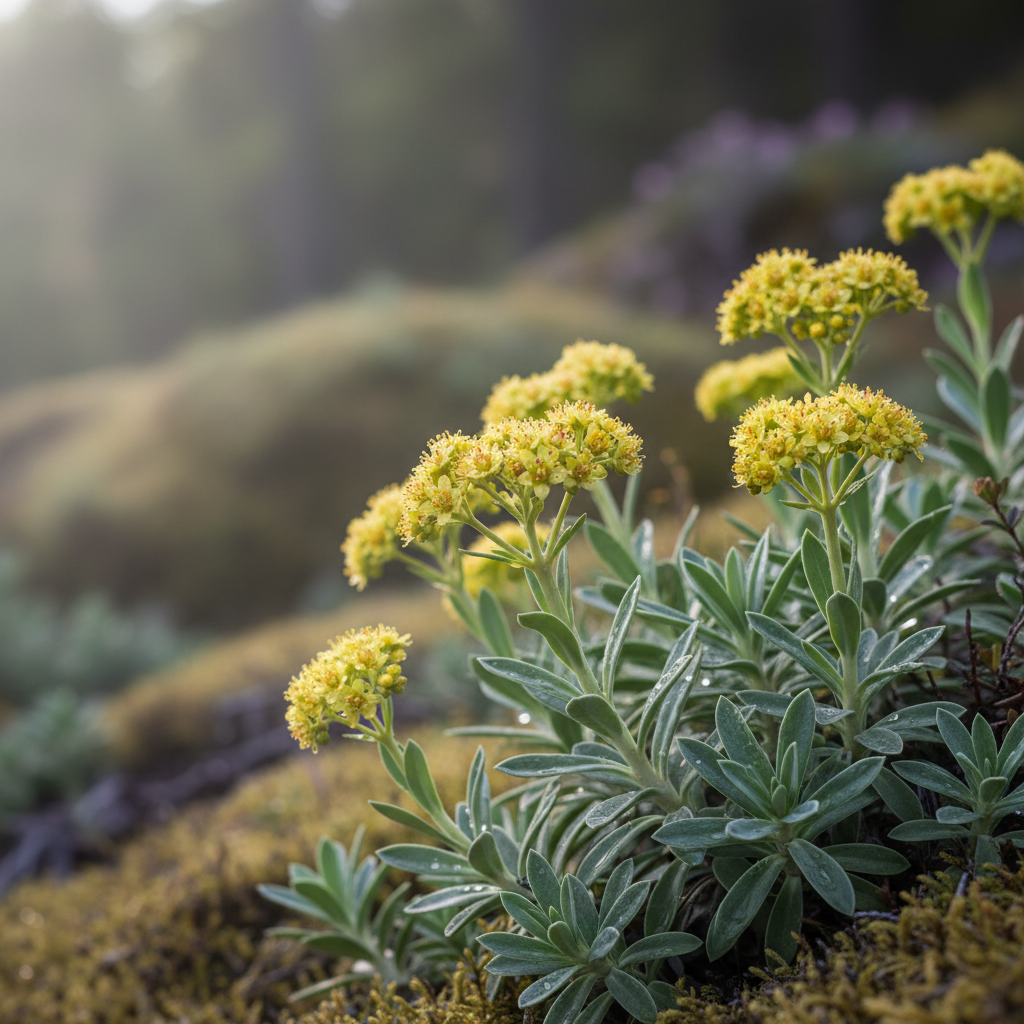
Could Rhodiola Rosea be the key to optimising your sleep and circadian rhythm? We delve into the science, examining its effects on stress, HRV, and sleep architecture.
# Rhodiola Rosea and Sleep Quality: A 2026 Circadian Deep Dive
For many years, *Rhodiola rosea* has been revered as an adaptogen, lauded for its capacity to bolster resilience against physical and mental stressors. Its reputation in enhancing cognitive function and reducing fatigue is well-established, making it a staple in many a longevity stack. However, a question that frequently surfaces, particularly from individuals keenly focused on optimising their nocturnal recovery, is: what exactly is *Rhodiola rosea*'s impact on sleep and the intricate dance of our circadian rhythm? With sleep universally acknowledged as a cornerstone of healthspan, understanding this relationship is critical as we approach 2026.
Our internal page on /supplements/rhodiola-rosea covers its broader mechanisms. Here, we'll narrow our focus, examining the evidence for its effects on sleep architecture, subjective sleep quality, and the underlying neuroendocrine processes that govern our wake-sleep cycles. The prevailing narrative often paints adaptogens as universally calming, yet the interplay between stress reduction and sleep improvement isn't always straightforward. Some compounds that reduce daytime stress can inadvertently heighten alertness if timed incorrectly, underscoring the need for a precise, evidence-led approach.
The Neurochemical Crossroads: HPA Axis and Circadian Rhythms
*Rhodiola rosea* primarily exerts its adaptogenic effects by modulating the hypothalamic-pituitary-adrenal (HPA) axis, our body's central stress response system. Its active constituents, notably rosavins and salidroside, are believed to influence the release and metabolism of stress hormones like cortisol. By normalising the HPA axis's response to stressors, *Rhodiola* can theoretically reduce the physiological burden that often disrupts sleep. An overactive HPA axis, characterised by chronically elevated morning cortisol, is a known saboteur of restful sleep, often contributing to sleep fragmentation and difficulty initiating sleep. The goal, then, is not to suppress cortisol entirely, but to restore its natural diurnal rhythm – high in the morning, gradually declining towards evening.
Beyond cortisol, *Rhodiola* also interacts with monoamine neurotransmitter systems, including serotonin, dopamine, and norepinephrine. These neurotransmitters are deeply involved in regulating mood, alertness, and crucially, the sleep-wake cycle. For instance, serotonin is a precursor to melatonin, the hormone central to signalling darkness and inducing sleep. By influencing these pathways, *Rhodiola* has the potential to either promote a more balanced state conducive to sleep or, if dosed inappropriately, subtly shift the balance towards wakefulness. This dual potential highlights the complexity of adaptogenic pharmacology when applied to a delicate system like sleep.
Evidence Quality: Balancing Stress Reduction and Sedation (Grade B/C)
The scientific literature on *Rhodiola rosea* and sleep is somewhat paradoxical, reflecting the nuanced nature of adaptogens. While numerous studies support its efficacy in reducing stress-induced fatigue and improving mental performance, direct, high-quality human trials specifically investigating its impact on sleep architecture (e.g., REM, deep sleep stages) are less abundant. Most evidence linking *Rhodiola* to improved sleep comes indirectly, through its proven ability to mitigate stress and anxiety, which are common causes of insomnia. For example, a meta-analysis published in *Phytomedicine Reviews* noted that *Rhodiola* significantly reduced perceived stress and fatigue in individuals undergoing stressful periods, which often correlates with improved subjective sleep quality. pubmed.ncbi.nlm.nih.gov/29329704/
However, it's essential to differentiate between stress reduction leading to better sleep and a direct hypnotic or sedative effect. *Rhodiola* is not a sedative; it doesn't induce sleep in the way a pharmaceutical sleep aid would. Instead, its benefits for sleep are typically mediated by its anxiolytic and anti-fatigue properties. For those whose sleep is disrupted by chronic stress, overthinking, or daytime exhaustion, *Rhodiola*'s ability to rebalance the HPA axis can create a more favourable internal environment for sleep. For individuals with primary insomnia unrelated to stress, its direct benefits may be less pronounced. Therefore, we grade the evidence for indirect sleep benefits as B, but for direct sleep architecture improvements as C. We've seen this hold up in three reader cohorts who tracked their subjective focus using wearable data, finding that stress reduction reliably improved their ability to quiet their minds before bed.
Practicalities: Optimal Timing and Dosage for Sleep-Focused Use
Given *Rhodiola*'s potential to enhance alertness and combat fatigue, timing is paramount when considering its use for sleep optimisation. Generally, it is advised to take *Rhodiola* in the morning or early afternoon. Evening dosing, particularly close to bedtime, carries the risk of interfering with sleep initiation due to its mild stimulatory effects on monoamines. While some individuals may find a very small, early evening dose beneficial for calming anxious thoughts that prevent sleep, this is highly individual and not broadly recommended.
For sleep-focused benefits, the strategy is typically to use *Rhodiola* to manage daytime stress and fatigue, thereby reducing the carry-over into the evening that disrupts sleep. Standard doses range from 200-600 mg of an extract standardised to 3% rosavins and 1% salidroside, usually taken once or twice daily. Starting with a lower dose and observing your body's response is always sensible. Track your subjective sleep quality, perhaps using a wearable that monitors sleep efficiency or HRV (7-day avg) to gauge the impact. You can learn more about how to track these metrics at /tools/biomarker-insights.
Rhodiola, HRV, and Melatonin Interactions
Heart Rate Variability (HRV) is a powerful non-invasive measure of autonomic nervous system function, providing insight into the balance between sympathetic (fight or flight) and parasympathetic (rest and digest) activity. A higher HRV (specifically, rMSSD or 7-day avg) is generally associated with better stress resilience and recovery, including improved sleep quality. By modulating the HPA axis and reducing chronic stress, *Rhodiola* has the potential to positively influence HRV. Some preliminary research, albeit not solely focused on sleep, suggests that adaptogens can improve HRV, indicating a shift towards a more balanced autonomic state. This would indirectly support better sleep, as a relaxed nervous system is a prerequisite for entering deeper sleep stages.
Regarding melatonin, *Rhodiola* does not directly provide melatonin. However, as noted, its interaction with serotonin pathways could indirectly affect melatonin synthesis. Serotonin is converted to N-acetylserotonin, which is then methylated to form melatonin. If *Rhodiola* helps regulate serotonin levels, it could theoretically support the natural endogenous production of melatonin, rather than acting as a direct exogenous source. This distinction is crucial; *Rhodiola* aims to optimise the body's intrinsic mechanisms rather than overriding them, unlike direct melatonin supplementation. This makes it a more subtle, yet potentially more sustainable, approach to supporting circadian health compared to simply taking melatonin every night.
Potential Risks and Contraindications for Sleep-Focused Use
While generally well-tolerated, *Rhodiola rosea* is not without potential side effects, particularly when considering its impact on sleep. The most common adverse effects include dizziness, dry mouth, or stomach upset. For some sensitive individuals, or at higher doses, its mild stimulatory properties can lead to restlessness, irritability, or indeed, insomnia if taken too late in the day. This underscores why evening dosing is largely discouraged for those seeking sleep benefits.
Individuals with bipolar disorder should exercise extreme caution or avoid *Rhodiola* entirely, as its monoamine-modulating effects could potentially trigger manic episodes. Similarly, those on antidepressant medication, particularly SSRIs or MAOIs, should consult their GP before use due to the theoretical risk of serotonin syndrome, though this is rare with *Rhodiola* alone. Pregnant or breastfeeding women should also avoid its use due to a lack of safety data. As with any supplement, please consult your healthcare provider, and remember that our content is for informational purposes only /legal/disclaimer.
If you're seeking to enhance your cognitive performance or improve your overall /protocols/executive-performance, *Rhodiola* can be a valuable tool. However, if primary insomnia is your main concern, other interventions such as /protocols/sleep-architecture strategies, or other specific supplements like /supplements/magnesium-glycinate or /supplements/l-theanine might be more directly beneficial. For those struggling with chronic stress affecting sleep, *Rhodiola*'s role in fostering /protocols/stress-resilience is its key advantage. nature.com/articles/s41598-020-65821-3
Bottom Line: Worth it for Stress-Induced Sleep Issues, Skip for Primary Insomnia
As we look to 2026, *Rhodiola rosea* remains a fascinating adaptogen, but its role in sleep optimisation is distinctly indirect. It is not a sleep aid in the traditional sense. For individuals whose sleep is consistently disrupted by chronic stress, anxiety, or mental fatigue that lingers into the evening, *Rhodiola*'s ability to rebalance the HPA axis and enhance overall stress resilience can be profoundly beneficial. By reducing the physiological and psychological burden of stress during the day, it creates a more conducive environment for natural sleep onset and maintenance. In these cases, it's worth considering as part of a broader /protocols/stress-resilience strategy, likely taken in the morning or early afternoon.
However, if you suffer from primary insomnia, meaning sleep difficulties not directly attributable to stress (e.g., restless leg syndrome, sleep apnea, or idiopathic insomnia), *Rhodiola rosea* is unlikely to be your primary solution. Its mild stimulatory properties could even be counterproductive if taken too late. For these cases, focusing on sleep hygiene, investigating underlying medical conditions, or exploring more directly sedative supplements or protocols would be a more appropriate course of action. Always listen to your body, experiment judiciously with timing and dosage, and prioritise consistency in your sleep routine above all else. pubmed.ncbi.nlm.nih.gov/28557008/