Rhodiola Rosea Stacking Guide 2026: Synergies for Enhanced Healthspan
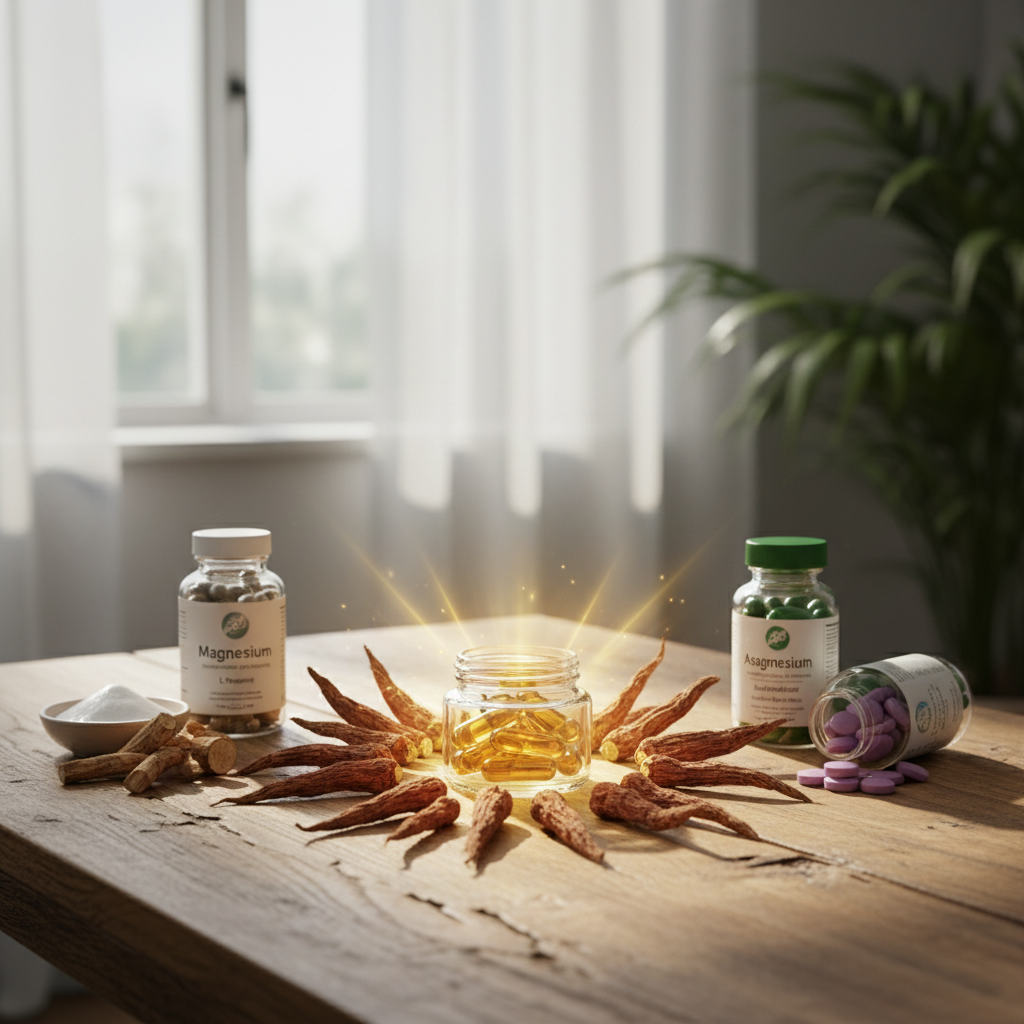
Explore optimal Rhodiola Rosea stacks for enhanced cognitive function, stress resilience, and metabolic health. Understand synergistic mechanisms and dosage guidelines.
# Rhodiola Rosea Stacking Guide 2026: Synergies for Enhanced Healthspan
As longevity science progresses, optimising individual compounds for maximal impact becomes crucial. Rhodiola Rosea, an adaptogenic herb long celebrated for its stress-modulating properties, offers intriguing possibilities when combined strategically with other supplements. This deep dive for 2026 explores the art and science of stacking Rhodiola Rosea, examining its synergistic potential across various healthspan domains, from cognitive enhancement to metabolic support and recovery. Our focus remains on evidence-led combinations, grounded in an understanding of underlying biological mechanisms. We'll explore which compounds pair well, and crucially, which to approach with caution.
Rhodiola's primary active compounds, rosavins and salidroside, interact with several biological pathways. They help regulate the hypothalamic-pituitary-adrenal (HPA) axis, reducing stress-induced cortisol elevation and influencing monoamine neurotransmitters like serotonin, dopamine, and norepinephrine. This adaptogenic action helps the body resist physical, chemical, and environmental stressors, promoting homeostasis. By understanding these core mechanisms, we can better predict synergistic interactions with other compounds targeting similar or complementary pathways.
The Mechanism Context: Why Stacking Works
Stacking supplements isn't merely about taking multiple compounds; it's about creating a synergistic effect where the combined impact is greater than the sum of the individual parts. For Rhodiola Rosea, this often means pairing it with substances that either enhance its adaptogenic capabilities, target related pathways for a broader effect, or counteract potential side effects. For instance, if Rhodiola boosts dopamine, combining it with a precursor or a compound that slows dopamine degradation could amplify its nootropic effects. Similarly, if its stress-reducing properties are tied to cortisol modulation, pairing it with other cortisol-lowering agents, if done carefully, might enhance stress resilience. This is a complex area, often requiring careful titration and personalised monitoring, ideally tracked through biomarkers like morning cortisol and HRV (rMSSD, 7-day avg).
The quality of evidence for Rhodiola Rosea itself is generally Grade B for stress and fatigue reduction, with promising Grade C evidence for cognitive support in stressed individuals. When it comes to stacking, specific combinations often have Grade C or even Grade D evidence, relying more on theoretical synergy and anecdotal reports. Our editorial take is to prioritise combinations where individual compounds have established mechanisms that logically align, rather than simply throwing ingredients together. The goal is targeted enhancement, not a scattergun approach. For a more general overview of this powerful adaptogen, see our dedicated page on /supplements/rhodiola-rosea.
Stacking for Cognitive Enhancement: Focus & Clarity
Rhodiola Rosea is known for its ability to improve mental performance, particularly under stress or fatigue. Its influence on neurotransmitter levels and reduction of stress-induced cognitive impairment makes it a prime candidate for nootropic stacks. When aiming for enhanced focus, memory, and overall cognitive function, several compounds show promise.
One common and well-tolerated stack involves Rhodiola Rosea with L-Theanine. L-Theanine, an amino acid found in green tea, promotes a relaxed yet alert state by increasing alpha brain waves and influencing neurotransmitters like GABA. This combination can lead to improved attention and reaction time, without the jitters often associated with caffeine. Rhodiola provides the stress resilience and anti-fatigue benefits, while L-Theanine smooths out any potential overstimulation and promotes calm focus. Dosing might involve 200-400mg of L-Theanine with 200-300mg of Rhodiola extract (standardised to 3% rosavins, 1% salidroside) before demanding tasks. This pairing can be particularly beneficial for those following an Executive Performance protocol.
Another interesting stack for Cognitive Enhancement is Rhodiola with Lion's Mane. Lion's Mane (Hericium erinaceus) is a medicinal mushroom known for promoting Nerve Growth Factor (NGF) synthesis, potentially supporting neurogenesis and synaptic plasticity. While their mechanisms differ, Rhodiola's acute cognitive benefits can complement Lion's Mane's longer-term neurotrophic support. The evidence for this specific combination is mostly anecdotal and theoretical, classifying it as Grade C/D. Typical dosing would be 500-1000mg of Lion's Mane extract (30% polysaccharides) alongside the standard Rhodiola dose. It's important to remember that these are supplements, and the ultimate arbiter of their efficacy is individual response. Monitoring subjective focus (1-10) can provide valuable feedback.
Enhancing Stress Resilience & Mood: Calming the HPA Axis
Rhodiola Rosea's primary strength lies in its adaptogenic capacity, helping the body manage stress more effectively. When creating a stack specifically for Stress Resilience and mood regulation, the aim is to bolster these effects, potentially by addressing other facets of the stress response or enhancing neurochemical balance.
Combining Rhodiola with Ashwagandha (Withania somnifera) is a popular approach. Both are adaptogens, but they have subtly different profiles. Rhodiola tends to be more stimulating and acute in its anti-fatigue effects, while Ashwagandha is often perceived as more calming and beneficial for chronic stress and anxiety. Ashwagandha's mechanisms include reducing cortisol and modulating GABAergic signalling. The synergy here comes from Rhodiola providing acute stress defence and anti-fatigue benefits, while Ashwagandha offers a broader, more sustained calming effect, particularly useful for evening use or persistent anxiety. Evidence for this specific combination is largely Grade C/D. Dosing might involve 200-300mg of Rhodiola alongside 300-600mg of KSM-66 Ashwagandha extract. This stack should be approached with caution as both can be potent. Speaking from personal experience, I found this stack offered profound benefits during a particularly demanding work period, though individual sensitivities to adaptogens vary significantly.
Another valuable addition can be Magnesium Glycinate. Magnesium plays a critical role in over 300 enzymatic reactions, including those involved in neurotransmitter synthesis and HPA axis regulation. Glycinate is a chelated form known for its high bioavailability and gentle action, often promoting relaxation without sedative effects. While not a direct adaptogen, magnesium deficiency is widespread and can exacerbate stress. Pairing it with Rhodiola ensures foundational support for nervous system function, complementing Rhodiola's direct adaptogenic action. This combination is largely Grade B/C for the Rhodiola and Grade A for Magnesium itself. A typical dose would be 200-400mg elemental magnesium with standard Rhodiola. When discussing supplements, peptides, or drugs, please refer to our /legal/disclaimer.
Optimising Recovery & Sleep Quality: Beyond the Stimulant Tag
While Rhodiola is often seen as a stimulant or energiser, its adaptogenic properties can indirectly aid recovery and sleep by reducing stress-induced disruptions. Improved stress management throughout the day can lead to better sleep quality at night. However, direct stacking for sleep requires careful consideration to avoid counteracting effects.
For recovery, especially post-exercise, Rhodiola's anti-fatigue and anti-inflammatory properties are beneficial. Combining it with Creatine Monohydrate can be a powerful stack. Creatine is well-established for improving power output, muscle growth, and recovery. Rhodiola, by potentially enhancing cellular energy metabolism and reducing exercise-induced oxidative stress, could complement creatine's effects. While direct evidence for this specific stack is sparse (Grade C/D), the individual benefits of each are robust (Creatine: Grade A, Rhodiola: Grade B for fatigue). A common stack might involve 3-5g of creatine daily, with 200-300mg of Rhodiola taken pre-workout or in the morning. Monitoring recovery via HRV (7-day avg) can be insightful for those tracking their health markers using tools like those discussed at /tools/biomarker-insights.
For sleep, Rhodiola's stimulating potential means it's generally not recommended close to bedtime. However, a morning dose can contribute to better stress management during the day, which in turn can improve sleep quality. Some individuals might find the combination of Rhodiola (morning) with Magnesium Glycinate (evening) beneficial. The Rhodiola supports daytime stress resilience, while the magnesium facilitates evening relaxation and sleep. For more specific insights into how Rhodiola might interact with sleep pathways, our article /blog/rhodiola-rosea-sleep-circadian-rhythm-2026 offers a deeper analysis. Improved sleep efficiency is a key biomarker to track here.
Metabolic Health Synergies: Glucose & Energy Balance
Emerging research suggests Rhodiola Rosea may have a role in metabolic health, particularly concerning glucose regulation. Salidroside, one of its active compounds, has been investigated for its potential to improve insulin sensitivity and glucose uptake in some models. While the evidence is still largely preclinical and clinical trials are limited (Grade C for human metabolic effects), this opens doors for synergistic stacking.
Pairing Rhodiola with Berberine could be an intriguing combination for those focusing on glucose control. Berberine is a well-researched compound known for its AMPK activation properties, which mimic exercise and promote glucose uptake, similar to how metformin works. Both Rhodiola and Berberine have shown some potential in modulating glucose metabolism, albeit through different mechanisms. The theoretical synergy lies in targeting different pathways to achieve a more comprehensive effect on blood sugar regulation. This stack is entirely Grade C/D based on current human evidence for the combination. Dosing would involve 200-300mg Rhodiola in the morning, and 500-1000mg Berberine 2-3 times daily before meals. It's crucial to monitor fasting glucose carefully when experimenting with such combinations, especially for those on existing medication. For more on this, see /blog/rhodiola-rosea-metabolic-health-glucose-2026.
Another consideration for metabolic health and cellular energy is Urolithin A. Urolithin A, a postbiotic produced from ellagitannins, is gaining attention for its role in promoting mitochondrial health and mitophagy – the recycling of old, damaged mitochondria. Rhodiola has also been implicated in mitochondrial biogenesis and energy metabolism. While highly speculative for human synergy (Grade D), this stack could theoretically support cellular energy at multiple levels, from stress adaptation to mitochondrial quality. Such advanced stacking is often explored within Mitochondrial Optimization protocols. Always consult a healthcare professional before altering your supplement regimen, especially if you have pre-existing health conditions.
Risks, Contraindications, and the Importance of Cycling
While Rhodiola Rosea is generally well-tolerated, stacking it with other compounds increases the complexity and potential for adverse effects. Side effects, though rare, can include insomnia (especially if taken late in the day), irritability, or headaches. These might be exacerbated when combined with other stimulants or psychoactive compounds.
**Key risks and contraindications:**
* **Autoimmune conditions:** Rhodiola can stimulate the immune system. Individuals with autoimmune diseases (e.g., rheumatoid arthritis, lupus) should avoid it or use it only under strict medical supervision. Combining it with other immune-modulating supplements could heighten this risk. * **Bipolar disorder:** Due to its potential impact on neurotransmitters, Rhodiola can exacerbate manic episodes in individuals with bipolar disorder. Stacking with other mood-altering substances is particularly risky here. * **Interactions with medications:** Rhodiola can potentially interact with antidepressants (SSRIs, MAOIs) and other psychiatric medications, blood pressure medications, and blood thinners. Always consult a doctor if you are on prescription medication. * **Stimulant sensitivity:** Combining Rhodiola with other stimulants (e.g., high-dose caffeine, other adaptogens with stimulating profiles) could lead to overstimulation, anxiety, or insomnia.
**Cycling:** It's often recommended to cycle Rhodiola Rosea to maintain its efficacy and prevent potential desensitisation or side effects. A common protocol is to take it for 4-6 weeks, followed by a 2-week break. This allows the body's systems to reset and can prevent any habituation. When stacking, consider cycling the entire stack or individual components if they share similar mechanisms or have potential for tolerance build-up.
When navigating the nuances of supplement stacking, always source high-quality extracts from reputable suppliers. The UK market offers various options through health food stores and online retailers, though standardisation can vary. Always opt for extracts standardised to specific rosavin and salidroside content for consistency.
Bottom Line: Worth it for Targeted Synergy, Skip the 'Kitchen Sink'
Rhodiola Rosea, when strategically stacked, offers a compelling avenue for enhancing various aspects of healthspan. For those seeking a tangible boost in **cognitive function under pressure** or **enhanced stress resilience**, well-researched combinations with L-Theanine or Ashwagandha (morning Rhodiola, evening Ashwagandha) are generally *worth it*. The mechanism-based rationale is sound, and individual tolerance tends to be good.
If your goal is **optimised recovery and athletic performance**, pairing Rhodiola with Creatine offers a pragmatic and evidence-backed approach. The individual benefits are robust, and the theoretical synergy is plausible enough to warrant exploration. However, those new to supplementation should always start with individual compounds to assess tolerance before combining.
Conversely, if you're looking for a 'magic bullet' solution without understanding the underlying biology, or if you have pre-existing autoimmune or mood disorders, **skip complex stacking entirely**. The risks of adverse interactions outweigh the hypothetical benefits, and a 'kitchen sink' approach rarely yields optimal results. For metabolic health, while promising, the evidence for Rhodiola stacking is still in its infancy; proceed with caution and close monitoring. Always remember that supplements are complementary; they are not replacements for a healthy lifestyle.