Optimising Sleep Architecture After 50 for
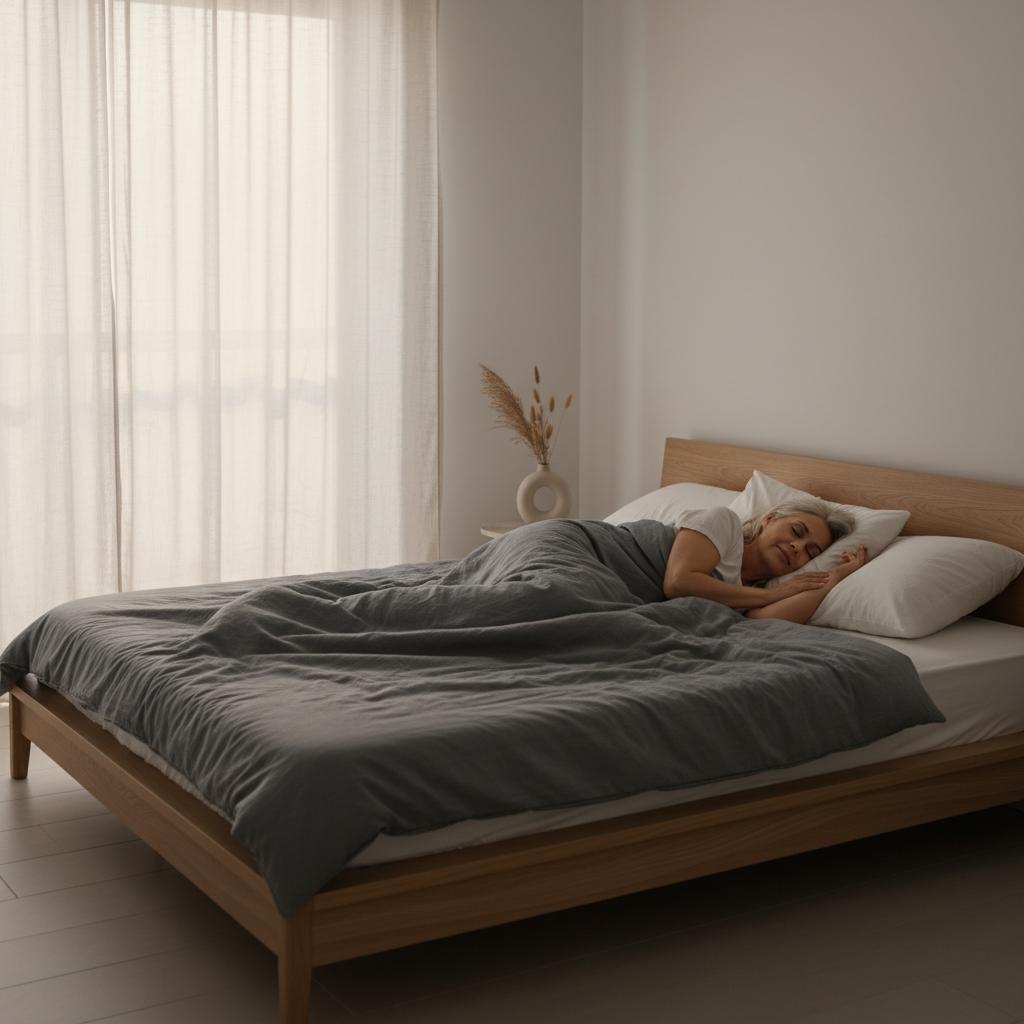
For those over 50, sleep architecture optimisation is crucial for healthspan. Explore mechanisms, benefits, and tailored strategies to enhance deep and REM sleep.
# Optimising Sleep Architecture After 50 for Longevity: 2026 Insights
As we navigate the second half of life, the pursuit of optimal healthspan becomes increasingly central. While exercise and nutrition rightly receive significant attention, the foundational role of sleep often remains underappreciated, particularly its intricate structure: sleep architecture. For adults over 50, maintaining robust sleep architecture—the delicate balance of REM and non-REM (NREM) stages—is not merely about feeling rested; it is a critical longevity lever influencing everything from cognitive function and immune resilience to muscle mass and metabolic health. By 2026, our understanding of these age-related changes and targeted interventions has sharpened considerably.
Our deep and REM sleep stages are not simply 'off-time' for the brain and body; they are periods of intense restorative activity. Deep sleep, or slow-wave sleep (SWS), is paramount for cellular repair, growth hormone release, and the crucial glymphatic clearance of metabolic waste products, including amyloid-beta proteins implicated in neurodegenerative diseases. REM sleep, conversely, is vital for memory consolidation, emotional regulation, and learning. Unfortunately, the ageing process inherently disrupts this delicate balance. Studies consistently show a progressive decline in SWS duration and intensity from middle age onwards, coupled with increased sleep fragmentation and reduced REM latency. This isn't just an inconvenience; it represents a significant challenge to healthy ageing. Our focus here is on evidence-based strategies to mitigate this decline, specifically tailored for the physiological landscape of those aged 50 and above.
The Ageing Sleep Landscape: Mechanisms and Consequences
The age-related deterioration in sleep architecture is multifactorial. Central to this is the decline in the brain's ability to generate slow waves, driven by changes in neuronal integrity and neurotransmitter systems. Melatonin production, which regulates the sleep-wake cycle, typically diminishes with age, leading to alterations in circadian rhythm. Furthermore, the suprachiasmatic nucleus (SCN), the brain’s master clock, becomes less responsive to light cues. Hormonal shifts, particularly decreased growth hormone (GH) secretion, also play a significant role, given GH’s linkage to SWS generation and tissue repair. We also see an increase in sleep-disordered breathing, restless legs syndrome, and nocturia, all of which fragment sleep and reduce its restorative capacity.
From a mechanistic perspective, this altered architecture has profound consequences. Reduced SWS impairs glymphatic clearance, potentially accelerating the accumulation of neurotoxic proteins. This directly impacts cognitive function, manifesting as slower processing speed, reduced executive function, and an increased risk of dementia. Compromised REM sleep can affect emotional resilience and long-term memory. Systemically, poor sleep architecture exacerbates chronic inflammation (measurable via hs-CRP), impairs glucose regulation (affecting fasting glucose levels), and contributes to sarcopenia—the age-related loss of muscle mass and strength. Lower SWS means less GH release, which is crucial for muscle protein synthesis and repair. For those concerned with muscle preservation after 50, optimising sleep is as vital as resistance training.
Evidence Quality for Sleep Interventions After 50 (Grade B/C)
While the detrimental effects of poor sleep architecture are well-established (Grade A evidence), the efficacy of specific interventions *directly* improving SWS or REM in older adults—beyond general sleep hygiene—often falls into Grade B or C. This means we have strong observational data and some well-designed clinical trials, but often with smaller sample sizes or surrogate endpoints rather than hard clinical outcomes like dementia incidence. Our editorial take is that the multifactorial nature of sleep decline means a holistic, personalised approach is most effective. There isn't a single silver bullet, but rather a stacking of synergistic strategies. This isn't just about longer sleep, but *better* sleep.
For instance, while certain medications can induce sleep, many can suppress SWS or REM, leading to a poorer quality of sleep despite increased duration. Benzodiazepines, for example, increase total sleep time but significantly reduce SWS and REM, and carry risks of cognitive impairment and dependence in older populations. Non-pharmacological approaches, therefore, generally hold higher favour for long-term optimisation. When considering supplements, always ensure you are using high-quality sources and discuss them with a healthcare professional, especially given potential drug interactions, which are more common in this age group. Remember to review our /legal/disclaimer for all health-related advice.
Core Strategies for Optimising Sleep Architecture (50+)
### 1. Chronotherapy and Circadian Alignment
Re-establishing a robust circadian rhythm is foundational. This involves consistent bedtimes and wake-up times, even at weekends. Exposure to bright light early in the morning (e.g., 30 minutes of natural sunlight) helps suppress melatonin and signal wakefulness, while dimming lights in the evening promotes its release. Limiting screen time before bed, particularly blue light, is crucial as it interferes with melatonin production. For some, a low-dose melatonin supplement (e.g., 0.5-1mg sustained-release) taken 1-2 hours before bed can help re-entrain circadian rhythms, especially for those with delayed sleep phase syndrome or where endogenous production is significantly reduced. This approach is generally safe for short-term use, but long-term effects on endogenous melatonin production are less clear.
### 2. Targeted Exercise and Nutrition
Regular, moderate-intensity exercise, particularly aerobic activity, has been consistently linked to improved sleep quality and increased SWS. The timing is important: avoid vigorous exercise too close to bedtime. Resistance training is also highly beneficial, as muscle mass is metabolically active and supports hormonal balance, indirectly benefiting sleep. Diet plays a role too. A balanced diet rich in whole foods, avoiding excessive sugar and refined carbohydrates, supports stable blood glucose levels, which can prevent nocturnal awakenings caused by hypoglycaemia. Magnesium intake, often deficient in older adults, is important for muscle relaxation and neurotransmitter function conducive to sleep. Consider magnesium glycinate for its high bioavailability and calming properties. Our editorial view is that optimal nutrition and activity are inextricably linked to recovery optimisation.
### 3. Cognitive Behavioural Therapy for Insomnia (CBT-I)
CBT-I is considered the gold standard non-pharmacological treatment for chronic insomnia and sleep disturbances. It addresses maladaptive thoughts and behaviours related to sleep. For older adults, CBT-I has demonstrated significant improvements in sleep latency, wakefulness after sleep onset, and overall sleep efficiency. Its long-term effectiveness often surpasses that of sleep medications without the associated side effects or dependence. Components include sleep restriction (initially reducing time in bed to match actual sleep time to build sleep drive), stimulus control (associating the bed solely with sleep), and cognitive restructuring (challenging unhelpful beliefs about sleep).
Advanced Modalities and Monitoring Recommendations for 2026
Beyond these core strategies, newer modalities show promise. Targeted auditory stimulation, delivering pink noise or specific frequencies during SWS, has been shown in some studies to enhance slow-wave activity, leading to improvements in memory consolidation in older adults. Wearable technology (e.g., Oura Ring, Whoop) has made significant strides by 2026, offering detailed insights into sleep stages, heart rate variability (HRV), and overnight breathing patterns. Tracking your 7-day average rMSSD for HRV can be a useful, non-invasive biomarker for recovery status and autonomic balance. Morning cortisol levels can also provide insight into stress and circadian alignment. We often recommend clients track these biomarkers via platforms like /tools/biomarker-insights to gain actionable data.
Another area of growing interest is the strategic use of specific supplements beyond melatonin. L-theanine, found in green tea, can promote relaxation without sedation and has shown promise in improving sleep quality. Glycine has also been studied for its ability to reduce core body temperature and facilitate sleep onset. However, always exercise caution with supplementation in older adults due to potential interactions with prescription medications. For instance, some supplements can affect blood thinning medications or blood pressure drugs, requiring careful consideration.
Risks, Contraindications, and Drug Interactions After 50
When optimising sleep after 50, special consideration must be given to potential risks. Polypharmacy (the use of multiple medications) is common, increasing the likelihood of adverse drug interactions. Many common medications, such as beta-blockers, diuretics, antidepressants, and even over-the-counter cold remedies, can impact sleep. It's crucial to review all current medications with a GP or pharmacist before initiating any new supplement or major lifestyle change. For example, some sedating antihistamines can reduce REM sleep and cause next-day drowsiness, increasing fall risk in older adults.
Conditions like sleep apnea, restless legs syndrome, and nocturia (frequent night-time urination) are more prevalent in older adults and must be diagnosed and managed appropriately, as they significantly impair sleep architecture. For instance, untreated sleep apnea causes repeated awakenings and oxygen desaturation, severely disrupting SWS and REM. Diagnosis often requires a sleep study. Ignoring these underlying medical conditions in favour of generic sleep aids is counterproductive and potentially harmful. Similarly, the use of alcohol as a sleep aid is particularly problematic in older adults; while it may induce sleep onset, it severely fragments sleep later in the night and suppresses REM sleep.
Bottom Line: Worth it for Enhanced Healthspan, Skip if Unaddressed Medical Issues Remain
For adults over 50, investing in sleep architecture optimisation is unequivocally *worth it* if you are committed to improving long-term healthspan, cognitive resilience, and physical vitality. The benefits extend far beyond simply feeling less tired, impacting critical areas like brain health, muscle maintenance, and metabolic regulation. The age-related decline in deep and REM sleep is a modifiable risk factor for numerous age-related conditions.
However, it is vital to *skip* attempting advanced optimisation until underlying medical conditions, such as sleep apnea, restless legs syndrome, or significant polypharmacy issues, have been properly diagnosed and addressed by a healthcare professional. A comprehensive strategy integrating circadian rhythm management, personalised exercise and nutrition, and behavioural therapies like CBT-I offers the most robust path forward. Monitoring key biomarkers and making data-driven adjustments, perhaps with the guidance of a longevity specialist, ensures a tailored and effective approach to making 2026 and beyond your best sleeping years yet. The pursuit of optimal sleep architecture is the longevity lever nobody optimises hard enough, especially after 50.