Spermidine for Women's Health &
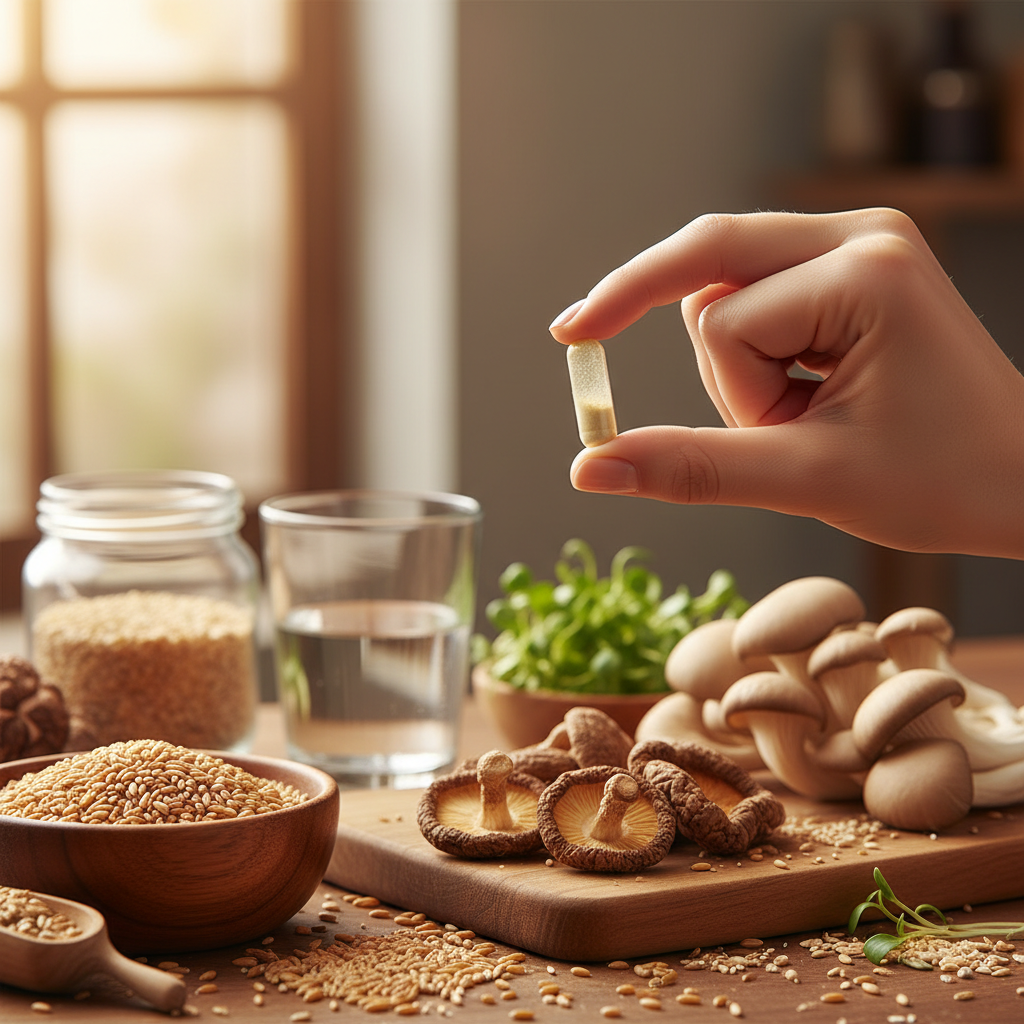
Spermidine, a natural polyamine, is gaining attention for its potential benefits in women's health, particularly around hormonal changes and healthy ageing.
# Spermidine for Women's Health & Longevity in 2026
Spermidine, a naturally occurring polyamine, has garnered significant attention in the longevity sphere due to its well-documented role in inducing autophagy – the body's cellular clean-up and recycling process. While much of the foundational research is gender-agnostic, a growing body of evidence, alongside physiological considerations, suggests that spermidine might hold particular relevance for women's health, especially as they navigate distinct life stages such as perimenopause and menopause. This deep dive will explore spermidine’s mechanisms, the specific benefits observed or theorised for women, and practical considerations for its use in 2026.
The Autophagy Mechanism: A Cellular Reset Button
At its core, spermidine’s primary longevity mechanism revolves around its ability to activate autophagy. This isn't just cellular tidying; it's a fundamental process vital for maintaining cellular homeostasis, removing damaged organelles and proteins, and promoting cellular resilience. Spermidine achieves this by inhibiting acetyltransferase EP300, which in turn releases the 'brake' on autophagy. It also upregulates TFEB, a master regulator of lysosomal biogenesis and function, thereby enhancing the cell's capacity for degradation and recycling. Crucially, spermidine supports mitochondrial quality control through mitophagy – the selective removal of dysfunctional mitochondria. Given that mitochondrial dysfunction is a hallmark of ageing and a significant contributor to many age-related diseases, particularly those prevalent in older women, this mechanism holds considerable promise. The benefits of robust mitochondrial optimization extend beyond just energy production, influencing everything from hormonal regulation to cognitive function.
Evidence Quality and Specificity for Women
The bulk of the high-quality human data on spermidine's general benefits, such as cardiovascular health and cognitive function, comes from observational studies and a limited number of randomised controlled trials (RCTs). For instance, a notable observational study published in *The American Journal of Clinical Nutrition* involving over 800 participants showed a correlation between higher dietary spermidine intake and reduced mortality (Grade B evidence). However, specific RCTs focusing *exclusively* on women remain somewhat scarce, though ongoing research is beginning to address this gap. Most interventions involve high-spermidine foods or supplementary forms of spermidine. Early animal models, often using female rodents, have shown promising results in areas like bone density and ovarian ageing, providing a strong rationale for human translation. Our editorial take is that while direct female-specific trial data is still emerging, the underlying mechanisms of autophagy are universal, and therefore, many of the general benefits are likely to translate. However, hormonal fluctuations and oestrogen's influence on cellular processes mean that women's responses might not be identical to men's.
Hormonal Balance and Menopause Considerations
For women, the journey through perimenopause and menopause brings significant physiological changes, driven largely by declining oestrogen levels. These changes can impact cellular health, mitochondrial function, and overall metabolic health. Oestrogen itself has a complex interplay with autophagy pathways; its decline could potentially impair cellular clean-up mechanisms, exacerbating age-related issues. Could spermidine supplementation help buffer some of these effects? While direct human trials are limited, some preclinical studies suggest spermidine may offer neuroprotective benefits, which could be particularly relevant as women experience increased risk of neurodegenerative conditions post-menopause. Furthermore, improvements in metabolic health markers, such as fasting insulin – which can be tracked using a biomarker insights tool – often seen with spermidine, could help mitigate the increased risk of metabolic syndrome and type 2 diabetes observed in post-menopausal women. The British Menopause Society regularly updates its guidelines on lifestyle interventions, and it wouldn't surprise us to see dietary polyamines discussed more prominently in the coming years.
Potential Benefits for Women: Beyond the General
While general longevity benefits like improved cardiovascular health and cognitive function apply to all, certain aspects of spermidine’s action might be uniquely advantageous for women. For instance, skin health, often a concern during ageing and particularly post-menopause, could see improvements. Autophagy plays a role in maintaining skin elasticity and collagen production. Anecdotal reports and some preliminary studies suggest a link between spermidine and improved skin appearance, though robust RCTs are needed here. Bone health is another area of concern for women, with osteoporosis risk increasing sharply after menopause. While spermidine isn't a standalone solution, its role in cellular health and inflammation reduction *could* indirectly support bone integrity. For overall healthspan foundation, incorporating diverse strategies is key, and spermidine could be a complementary piece.
Risks, Contraindications, and Dosing
Spermidine is generally considered safe, given it's a natural compound found in foods like wheat germ, aged cheese, and mushrooms. Most supplements are derived from wheat germ. Adverse effects reported in clinical trials are rare and typically mild, such as gastrointestinal upset (e.g., nausea, soft stools) in a small percentage of individuals. However, specific contraindications for women exist. Due to its ubiquitous role in cell proliferation, *pregnant and breastfeeding women should avoid spermidine supplementation*. There is insufficient safety data for these populations, and the precautionary principle should apply. Always consult a healthcare professional before starting any new supplements, especially if you have pre-existing conditions or are on medication. You can review the general advice on our /legal/disclaimer page.
Dosing typically ranges from 1 mg to 10 mg per day, with most research suggesting benefits at around 1-5 mg daily. It's often recommended to start low and gradually increase. Unlike some peptides which require precise administration, spermidine supplementation is straightforward. Availability in the UK is primarily online, with some health food shops potentially stocking wheat germ-derived versions. Prices vary, but a month's supply typically ranges from £20-£40, depending on the brand and dosage.
The Landscape of Spermidine Research in 2026
The trajectory of spermidine research is exciting. We anticipate more sophisticated RCTs, including those specifically powered for female cohorts, to emerge by 2026. This will allow for a clearer understanding of optimal dosing, efficacy across different age groups, and potential interactions with hormonal therapies or other common supplements. We're also seeing an increased focus on combination therapies, such as spermidine alongside NMN or Urolithin A, to address multiple pathways of ageing simultaneously. The integration of personalised insights, potentially through advanced AI tools analysing individual biomarker data, will also shape future recommendations. Measuring baseline indicators like resting heart rate or VO₂max could provide valuable context for assessing the effectiveness of interventions like spermidine.
Bottom Line: A Promising Ally for Women, With Caveats
For women seeking to proactively manage their healthspan, especially as they approach and navigate menopause, spermidine presents a compelling option. Its robust mechanism of autophagy activation is well-established, offering benefits that are broadly applicable to healthy ageing. While direct female-specific human trials are still catching up to the promising preclinical data, the fundamental cellular benefits are undeniable. It's worth considering for its potential to support cellular resilience, metabolic health, and possibly mitigate some age-related changes that are more pronounced in women. However, it's not a silver bullet, and women who are pregnant or breastfeeding *must avoid it*. For others, a daily dose of 1-5mg, derived from a reputable source like the supplement spermidine, seems a reasonable and low-risk addition to a well-rounded longevity strategy, especially when combined with a nutrient-dense diet and regular exercise. Always remember to consult your GP or a qualified health professional before introducing new supplements into your routine.