TB-500 Dosing Protocols: Optimising Healthspan
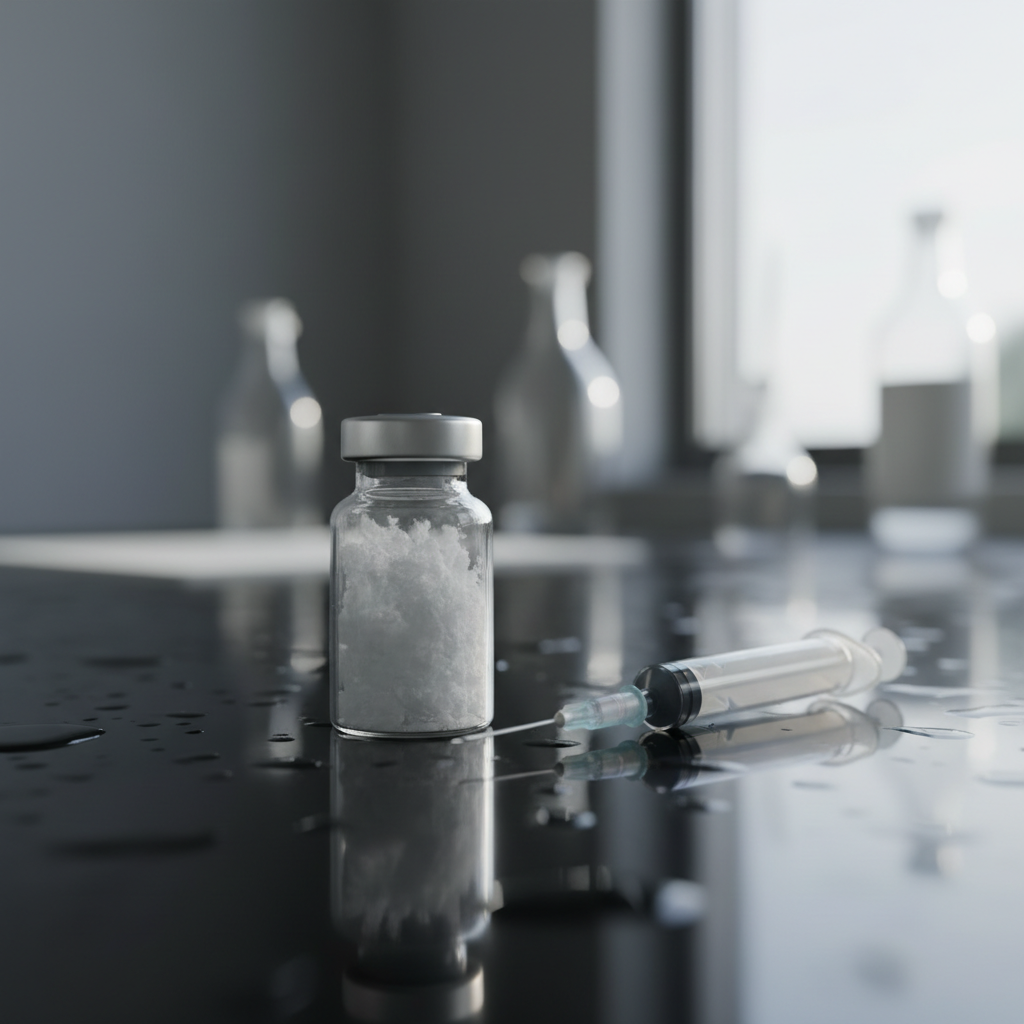
This guide delves into the optimal TB-500 dosing protocols, covering clinically studied ranges, titration, cycling, and tailoring use for longevity and recovery.
# TB-500 Dosing Protocols: Optimising Healthspan by 2026
TB-500, a synthetic peptide fragment derived from the naturally occurring protein Thymosin Beta-4, has garnered significant attention within the longevity and performance communities. Its potential lies in its capacity for tissue repair and regeneration, wound healing, and anti-inflammatory effects. As we look towards 2026, understanding the nuanced application of such compounds becomes ever more critical for those pursuing enhanced healthspan.
Unlike many pharmaceutical drugs with well-defined, regulator-approved dosing schedules, peptides like TB-500 often exist in a more experimental landscape, particularly for longevity applications outside of clinical trials. The landscape is largely informed by preclinical data, anecdotal reports, and extrapolations from veterinary medicine. This article will dissect the available information, offering a British English perspective on clinically relevant dosing ranges, titration strategies, cycling, and considerations for different goals, all while underscoring the importance of informed, cautious application. Please note, information on peptides is for educational and research purposes only and not medical advice. Always consult a healthcare professional before considering any new intervention /legal/disclaimer.
The Mechanism Behind TB-500: A Brief Context
Before discussing *how much* TB-500 to use, it's essential to grasp *how* it works. TB-500 is specifically the N-terminal acetylated fragment of Thymosin Beta-4 (amino acids 17–23), although often the full 43-amino acid sequence is referred to simply as Thymosin Beta-4. The synthetic fragment TB-500 largely mimics the regenerative properties of the parent protein. It's a fundamental actin-sequestering protein, meaning it binds to G-actin, regulating actin polymerisation and cytoskeletal dynamics. This interaction is key to its biological effects.
Its primary mechanisms of action include: * **Promotion of cell migration:** Encourages the movement of various cell types, including endothelial cells, keratinocytes, and fibroblasts, which are crucial for tissue repair. * **Angiogenesis:** Stimulates the formation of new blood vessels, improving blood flow and nutrient delivery to injured tissues. * **Inflammation modulation:** Exhibits anti-inflammatory properties, reducing swelling and tissue damage. * **Stem cell recruitment:** Attracts stem and progenitor cells to sites of injury, aiding in regeneration.
These multifaceted actions make TB-500 a compelling candidate for a range of applications, from injury recovery to maintaining tissue health as we age. For those focused on recovery optimisation, its role in accelerating repair processes is particularly attractive. The challenge lies in translating these observed benefits into safe and effective human dosing protocols.
Clinically Studied Dose Ranges and Initial Human Data
Direct human clinical trials on TB-500 specifically (the synthetic fragment) are fewer and further between than those for the full-length Thymosin Beta-4 (Tβ4). However, Tβ4 itself has been studied in human trials, primarily for corneal repair, wound healing, and cardiac repair following myocardial infarction. These studies provide a foundation for understanding potential therapeutic windows.
For example, clinical trials investigating Tβ4 for dry eye syndrome have used topical applications, while systemic administration for cardiac repair has involved intravenous doses ranging from 420mg to 1260mg over several days or weeks (NCT00813735). It's crucial to understand that these are full-length protein doses and aren't directly translatable to the synthetic TB-500 peptide in terms of molar equivalence or bioavailability without further research. Nevertheless, they highlight that the body can tolerate relatively high doses of the parent compound.
When considering TB-500 itself, the dosing landscape is largely extrapolated from preclinical animal models and anecdotal human use, which often involves subcutaneous injections. There is no MHRA or FDA-approved dosing schedule for TB-500 as a therapeutic agent in humans. The *grade C* evidence here means we rely heavily on non-peer-reviewed sources and observations, which necessitates extreme caution.
Dosing Strategies: Loading, Maintenance, and Cycling
Typically, TB-500 protocols involve a loading phase followed by a maintenance phase. The rationale behind a loading phase is to rapidly saturate tissues with the peptide, initiating its regenerative effects more quickly. This is common in various peptide and supplement protocols, such as with creatine.
### Loading Phase * **Typical Range:** 2mg to 5mg, administered twice weekly for 4-6 weeks. * **Frequency Rationale:** TB-500 has a relatively short half-life *in vivo* (estimated at 2-3 hours for the parent Tβ4, though specific kinetics for TB-500 are less well-defined, it's thought to be similar or slightly longer due to its smaller size and stability), but its biological effects can persist for several days due to receptor binding and cellular signalling cascades. Administering it every 3-4 days helps maintain consistent levels of biological activity without excessive accumulation.
### Maintenance Phase * **Typical Range:** 2mg to 4mg, administered once or twice weekly. * **Duration:** Often continued for several weeks or months, depending on the individual's goals and response. For chronic conditions or longevity aims, some individuals may cycle off and on, or use it intermittently.
### Cycling Protocols Many users advocate for cycling peptides to prevent potential desensitisation of receptors or to allow the body to return to a baseline. For TB-500: * **Option 1:** 4-6 weeks loading, followed by 4-8 weeks maintenance, then a break of 4-8 weeks. Repeat as necessary. * **Option 2:** Continuous low-dose maintenance (e.g., 2mg once weekly) for extended periods, perhaps with periodic breaks every 3-4 months.
Our editorial take is that while cycling *feels* intuitive, direct evidence demonstrating receptor desensitisation for TB-500 in humans is sparse. However, it's a prudent approach given the lack of long-term safety data. For chronic conditions, some might find prolonged maintenance more effective, but monitoring subjective outcomes and key biomarkers is key.
Adjusting Dosing for Specific Goals
The dosage and protocol for TB-500 can be tailored based on the primary objective:
### 1. Acute Injury Recovery (Performance Focus) * **Goal:** Rapid healing of specific soft tissue injuries (e.g., muscle strains, tendonitis, ligament sprains). * **Protocol:** Higher end of the loading dose (e.g., 5mg twice weekly) for the initial 4 weeks, followed by 2-4mg twice weekly for another 4-8 weeks. The focus is on aggressive, short-term intervention. * **Tracking:** Monitor injury symptoms, pain levels, and functional recovery. Improvements in grip strength for hand/wrist injuries or reduced hs-CRP might be indicative.
### 2. Chronic Pain/Inflammation (Healthspan Focus) * **Goal:** Managing persistent discomfort, promoting healing of long-standing issues, or mitigating age-related tissue degradation. * **Protocol:** A more moderate approach may be warranted. Start with 2-3mg twice weekly for 4-6 weeks, then drop to 2mg once weekly for an extended period. This slower titration allows for a gentler introduction and sustained benefits. * **Tracking:** Subjective pain scores, mobility improvements, and potentially inflammatory markers like hs-CRP can be useful indicators. This might integrate well with a broader muscle preservation 50+ strategy.
### 3. Longevity & General Tissue Health * **Goal:** Proactive tissue maintenance, supporting vascular health, and potentially mitigating age-related decline in regenerative capacity. * **Protocol:** This is the most speculative area. Lower doses, such as 2mg once every 7-10 days, or even less frequently, could be considered. The idea is a sustained, low-level therapeutic presence rather than an acute intervention. * **Tracking:** This requires a more holistic approach, monitoring general wellbeing, energy levels, and broader health markers. DEXA scans to track lean mass and overall body composition might offer insights over longer periods.
Missed Doses and Titration Considerations
### Missed Doses Given the relatively infrequent dosing schedule (typically twice weekly), a missed dose is generally not a significant concern. If you miss a dose, simply take it as soon as you remember, provided it's not close to your next scheduled dose. Maintain your regular schedule thereafter. Do not double your dose to compensate. Consistency over time is more important than perfect adherence to a rigid schedule.
### Titration Starting at the lower end of the recommended ranges and gradually increasing the dose (titrating up) is a sensible approach. This allows you to assess individual tolerance and efficacy. For example, begin with 2mg twice weekly for 2-4 weeks. If well-tolerated and results are suboptimal, increase to 3mg twice weekly. Conversely, if side effects occur, reduce the dose or discontinue use. Using a biomarker insights tool to track relevant markers can assist in gauging efficacy and guiding titration decisions.
Potential Risks, Contraindications, and Evidence Quality
While TB-500 is generally considered well-tolerated based on anecdotal reports and preclinical data, it's not without potential risks. The lack of extensive human clinical trials specifically for TB-500 means long-term safety data is limited. The evidence quality for its human application in specific longevity protocols remains *grade C*, necessitating caution.
### Potential Risks: * **Injection site reactions:** Redness, swelling, or pain at the injection site are common with subcutaneous injections. * **Fatigue or lethargy:** Some users report feeling tired after administration. * **Headache:** Infrequent, but possible. * **Interaction with cancer:** Thymosin Beta-4 has been shown to promote tumour growth and metastasis in some cancer types in preclinical models, potentially by encouraging angiogenesis. This is a significant concern and a critical contraindication.
### Contraindications: * **Active Cancer or History of Cancer:** This is the most absolute contraindication. Anyone with a current cancer diagnosis or a history of cancer should absolutely avoid TB-500 due to its potential to promote angiogenesis and cell proliferation, which could exacerbate tumour growth. * **Pregnancy and Breastfeeding:** Due to insufficient safety data, TB-500 should be avoided. * **Autoimmune Conditions:** Caution is advised, as peptides can sometimes modulate immune responses. Consultation with a specialist is crucial. * **Allergies:** Known hypersensitivity to thymosin beta-4 or any components of the peptide formulation.
It's important to remember that these are not exhaustive lists. Any individual considering TB-500 should engage in a comprehensive discussion with a qualified healthcare provider, particularly those at UK private clinics familiar with novel compounds.
Bottom Line: Is TB-500 Dosing Worth It by 2026?
By 2026, the discussion around compounds like TB-500 will undoubtedly continue to evolve. For individuals grappling with chronic soft tissue injuries or those seeking to accelerate recovery from significant physical demands, TB-500, when used judiciously and under professional guidance, holds promise. The clinically studied ranges for the parent Tβ4 suggest a reasonable safety profile for short-term use, and anecdotal reports for TB-500 are largely positive regarding recovery.
However, the lack of robust, long-term human safety and efficacy data for *TB-500* specifically means a definitive 'yes' for broad longevity application is premature. The mainstream view often cautions against unapproved compounds. The data is messier here; while preclinical data is compelling, direct human evidence for longevity benefits or long-term safety is insufficient. My personal view is that it's worth considering for targeted, acute injury recovery or severe chronic inflammatory conditions where conventional treatments have failed, provided there's no cancer risk and proper medical oversight. It is not, at this juncture, a foundational longevity compound in the same vein as NMN or spermidine.
If you have a history of cancer, are at high risk, or are simply looking for general healthspan enhancement without specific injury, *skip TB-500*. Its potential to interact with neoplastic processes makes it a high-risk proposition in those scenarios. For others, a conservative dosing strategy, close monitoring, and regular physician consultation are absolutely paramount. Always prioritise foundational health practices before exploring experimental interventions. For further reading, researchers can explore the role of Thymosin Beta-4 in various biological processes via PubMed (PMID: 25150993, PMID: 18456108).