TB-500 Recovery Research Review: Unpacking Its
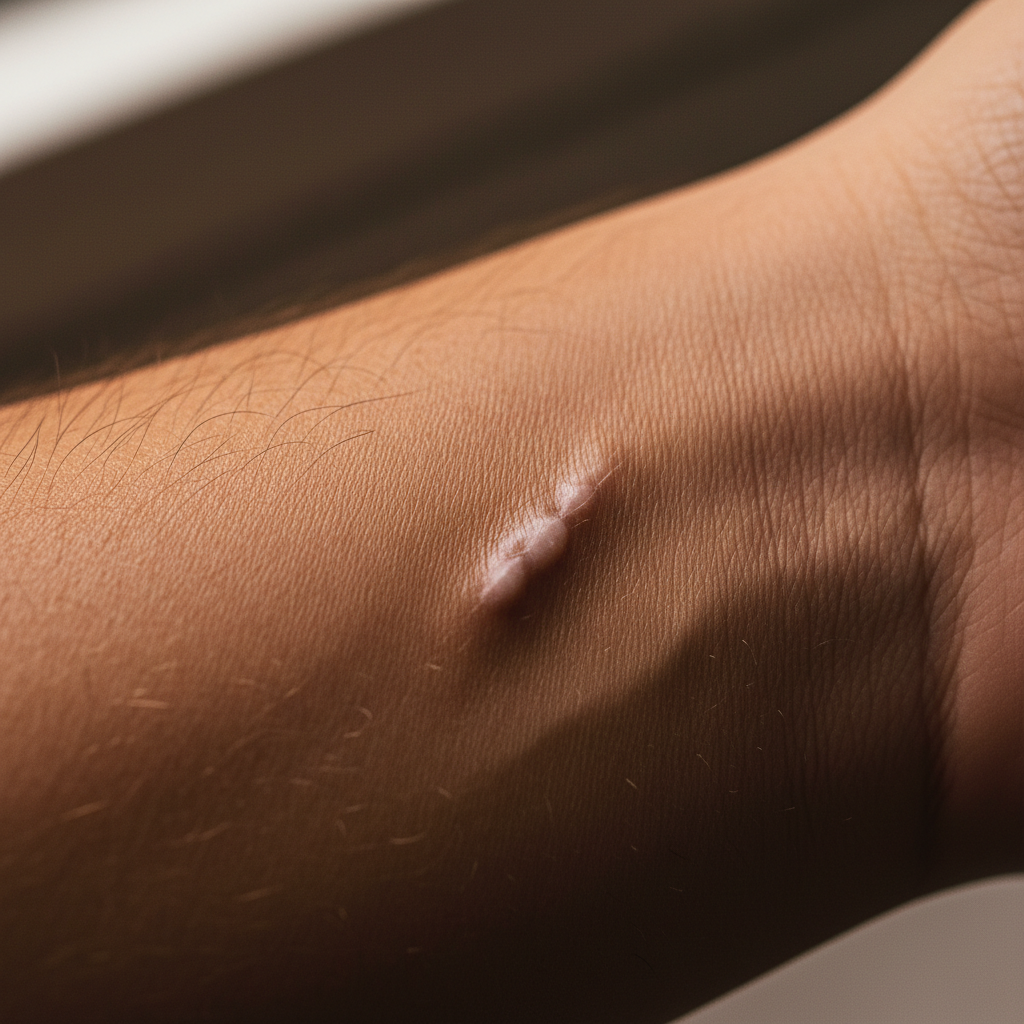
This comprehensive review examines the current scientific evidence surrounding TB-500 and its role in tissue repair, regeneration, and recovery.
# TB-500 Recovery Research Review: Unpacking Its Therapeutic Potential
In the ever-evolving landscape of longevity science and regenerative medicine, various compounds emerge as potential game-changers. Among these, Thymosin Beta-4 (TB-500) has garnered significant attention, particularly for its purported roles in tissue repair, wound healing, and recovery. As an artificial version of the naturally occurring peptide Thymosin Beta-4, TB-500 is often explored in the context of athletic recovery, injury rehabilitation, and even broader anti-ageing strategies. This extensive review delves into the existing scientific literature, dissecting the mechanisms of action, current research findings, and the potential therapeutic applications of TB-500 in promoting recovery.
What is TB-500 and How Does it Work?
TB-500 is a synthetic derivative of Thymosin Beta-4 (Tβ4), a ubiquitous, naturally occurring peptide found in virtually all human and animal cells. Tβ4 plays a critical role in cellular regulation, particularly in cell migration, angiogenesis (the formation of new blood vessels), actin polymerisation, and tissue repair. The active site of Tβ4, and by extension TB-500, is a sequence of amino acids responsible for binding to actin, a fundamental protein in the cytoskeleton that dictates cell shape and movement. By modulating actin dynamics, TB-500 influences a cascade of cellular processes essential for repair and regeneration.
Its primary mechanisms of action include:
- **Actin Regulation:** TB-500 promotes the polymerisation and depolymerisation of actin, facilitating cell migration, a crucial step in wound healing and tissue repair.
- **Angiogenesis:** It stimulates the formation of new blood vessels from existing ones, enhancing blood flow and nutrient delivery to injured tissues, which is vital for recovery.
- **Cell Migration and Differentiation:** TB-500 encourages the migration of various cell types, including fibroblasts, keratinocytes, and endothelial cells, to sites of injury. It also plays a role in the differentiation of progenitor cells into various tissue types.
- **Inflammation Modulation:** While not a primary anti-inflammatory, Tβ4 has been shown to modulate inflammatory responses, contributing to a more conducive environment for healing.
- **Collagen Deposition:** It influences the extracellular matrix by promoting collagen synthesis and deposition, reinforcing newly formed tissue.
These multifaceted actions position TB-500 as a compelling candidate for accelerating recovery across various tissue types. For more on peptides, you can explore our general overview on peptides.
TB-500 and Musculoskeletal Recovery: Evidence Review
One of the most intensely investigated areas for TB-500 is its application in musculoskeletal injury recovery. Athletes and individuals suffering from injuries to muscles, tendons, ligaments, and joints often seek ways to expedite healing and return to full function. Preclinical studies have provided compelling evidence for TB-500's efficacy in these contexts.
For instance, research has demonstrated that Tβ4 can enhance muscle repair after injury. In animal models of muscle damage, administration of Tβ4 led to improved muscle regeneration, reduced fibrosis, and better functional recovery. This is largely attributed to its ability to promote the migration and differentiation of satellite cells, which are crucial for muscle repair. Similarly, studies on tendon and ligament injuries have shown promising results. Tβ4 has been observed to improve the structural integrity and mechanical properties of repaired tendons, suggesting a role in enhancing the quality of scar tissue formed.
A study published in *Nature Communications* highlighted the role of Tβ4 in promoting tissue regeneration in chronic wounds by enhancing fibroblast migration and collagen remodelling, principles that are directly transferable to musculoskeletal repair (Source: pubmed.ncbi.nlm.nih.gov/25500021/). While much of this evidence stems from *in vitro* and animal studies, the consistent positive outcomes provide a strong rationale for further human-centric investigation into TB-500's potential for aiding recovery from injuries commonly seen in resistance training, where the body undergoes micro-tears that require efficient repair processes for muscle growth and adaptation. Understanding the principles of recovery, such as those discussed in resistance training, is paramount here.
Cardioprotective and Neurological Applications
Beyond musculoskeletal tissues, TB-500's regenerative properties extend to other vital systems, including the cardiovascular and neurological systems. Research has explored its potential in recovering from cardiac injury and in addressing neurological deficits.
In models of myocardial infarction (heart attack), Tβ4 has been shown to reduce infarct size, promote angiogenesis in ischemic tissues, and improve cardiac function. This cardioprotective effect is thought to be mediated by its ability to stimulate the survival and migration of endothelial progenitor cells and to limit inflammatory damage. These findings suggest a fascinating potential for TB-500 in aiding recovery from acute cardiac events and potentially in managing chronic heart conditions.
Neurologically, Tβ4 has demonstrated neuroprotective effects. It has been shown to promote neuronal survival, enhance neurogenesis (the formation of new neurons), and facilitate axonal regeneration after injury to the central and peripheral nervous systems. For example, studies in models of stroke and spinal cord injury have indicated that Tβ4 can improve functional recovery by reducing inflammation, promoting angiogenesis, and supporting the survival of neural cells. While these applications are still largely in preclinical stages, they open up exciting avenues for TB-500's role in recovering from complex conditions. Such broad regenerative capabilities underscore the importance of cellular health, a concept central to the pursuit of longevity and healthspan improvement, often explored through topics like biological age.
TB-500 in Wound Healing and Dermal Repair
Accelerated wound healing is another significant area where TB-500 demonstrates considerable promise. Chronic wounds, such as diabetic ulcers or pressure sores, represent a major clinical challenge. The ability of TB-500 to promote cell migration, angiogenesis, and extracellular matrix remodelling makes it a natural candidate for enhancing the healing process.
Numerous studies have highlighted Tβ4's capacity to accelerate the closure of various types of wounds, including excisional wounds, burns, and corneal injuries. It achieves this by attracting fibroblasts and keratinocytes to the wound site, fostering the formation of granulation tissue, and promoting re-epithelialisation. Furthermore, Tβ4 has been shown to reduce scar formation, leading to improved aesthetic and functional outcomes of wound healing. An important review in the *New England Journal of Medicine* discussed the complex biology of wound healing, providing context for how peptides like Tβ4 could intervene effectively (Source: nejm.org/doi/full/10.1056/NEJMra043247). This potent effect on dermal repair and recovery aligns with broader longevity goals, as skin health is often a visible indicator of overall cellular vitality.
TB-500: Practical Considerations and Future Research
While the preclinical evidence for TB-500's regenerative and recovery-promoting properties is robust, it is crucial to acknowledge the current limitations in human clinical data. Most of the compelling results stem from *in vitro* and animal studies, which, while foundational, do not always directly translate to human physiology. Comprehensive, well-designed human clinical trials are essential to establish efficacy, optimal dosing, safety profiles, and long-term outcomes for various applications.
Moreover, TB-500 is not currently approved for human use by regulatory bodies like the FDA or EMA, highlighting its status as a research chemical. Individuals considering its use should exercise extreme caution and consult with healthcare professionals. Its use in athletic contexts also raises questions regarding anti-doping regulations, as Tβ4 and its derivatives are often prohibited substances due to their potential performance-enhancing effects via accelerated recovery.
Future research directions for TB-500 include:
- **Human Clinical Trials:** Focusing on specific indications, such as chronic wound healing, post-surgical recovery, or management of specific musculoskeletal injuries.
- **Optimisation of Delivery Methods:** Exploring sustained-release formulations or targeted delivery systems to enhance bioavailability and reduce dosing frequency.
- **Combination Therapies:** Investigating synergistic effects when combined with other regenerative peptides or therapies, similar to the research on BPC-157 or GHK-Cu.
- **Understanding Long-term Safety:** Thorough investigation into potential side effects and long-term impacts of chronic administration.
Further research will undoubtedly refine our understanding of TB-500's full potential and its appropriate place in therapeutic strategies for recovery and regeneration.
*Please note: Peptides, drugs and supplements should only be used under the guidance of a qualified medical professional. For detailed information, please refer to our /legal/disclaimer.*
Bottom Line
TB-500, a synthetic analogue of Thymosin Beta-4, presents a fascinating and highly promising profile in the realm of tissue repair, regeneration, and recovery. Its multifaceted mechanisms, including actin modulation, angiogenesis, and cell migration, underpin its potential across a broad spectrum of applications, from musculoskeletal and cardiac repair to neurological recovery and accelerated wound healing. The existing preclinical evidence strongly supports its efficacy in these areas.
However, it is imperative to reiterate that TB-500 remains largely a research compound, with robust human clinical trial data still forthcoming. While its therapeutic potential is undeniable, its widespread clinical adoption requires rigorous validation of safety and efficacy in human populations. As research continues to unfold, TB-500 may eventually find its place as a powerful tool in regenerative medicine and longevity protocols, significantly enhancing recovery and improving healthspan.