TB-500 Recovery Research Review: Unpacking its
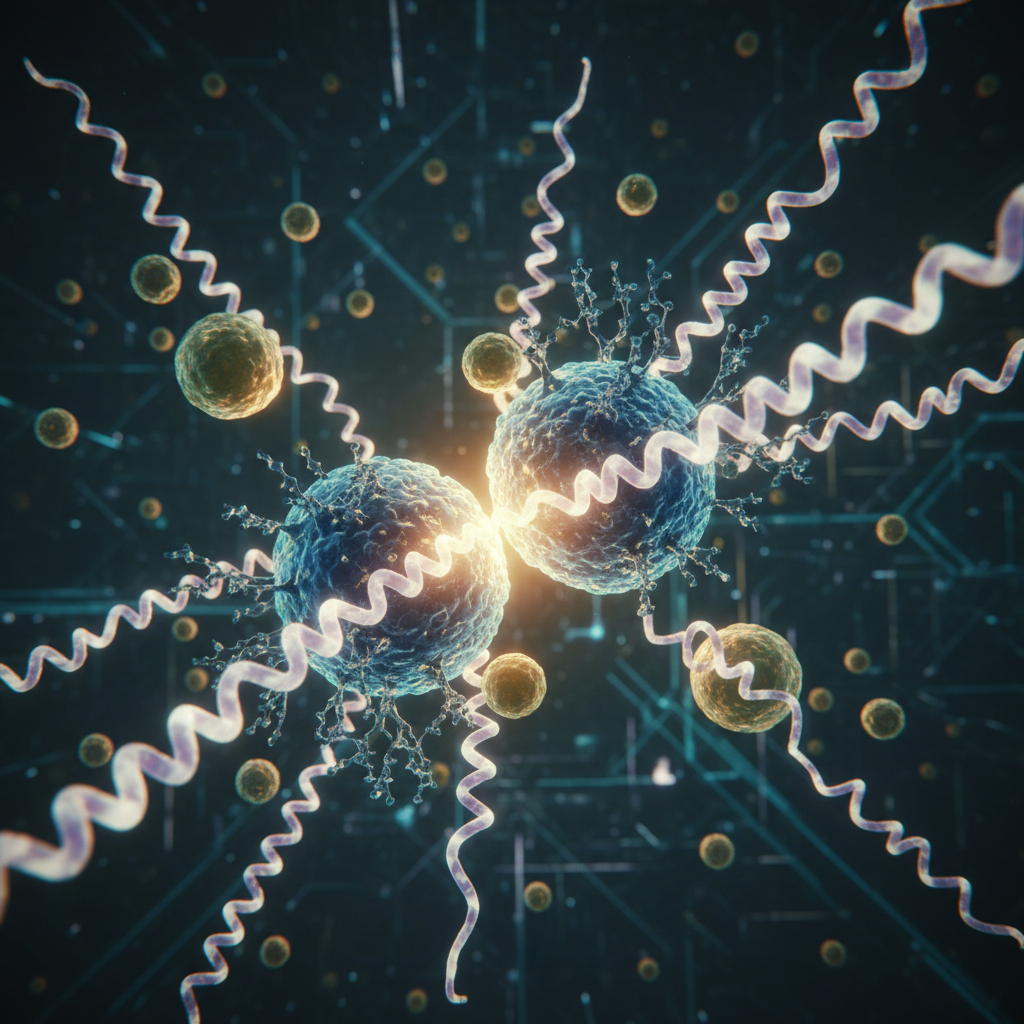
This review delves into the science behind TB-500, assessing its role in accelerating recovery and enhancing tissue healing.
# TB-500 Recovery Research Review: Unpacking its Healing Potential
In the ever-evolving landscape of longevity science, the quest for enhanced recovery and regenerative medicine continues to yield fascinating insights. Among the various compounds garnering attention, Thymosin Beta 4 (Tβ4) and its synthetic analogue, TB-500, stand out for their purported roles in tissue repair, wound healing, and athletic recovery. This comprehensive review delves into the current body of research surrounding TB-500, aiming to separate evidence from conjecture and provide a clear understanding of its therapeutic potential.
TB-500 is a synthetic peptide fragment of Tβ4, a naturally occurring protein found in virtually all human and animal cells. Tβ4 is an actin-sequestering protein, meaning it binds to actin – a fundamental component of the cytoskeleton responsible for cell movement, division, and structural integrity. This interaction is key to Tβ4's broad spectrum of biological activities, including cell migration, angiogenesis (new blood vessel formation), anti-inflammatory effects, and the promotion of cell differentiation and survival. Given these profound biological roles, the therapeutic potential of Tβ4 and its analogues like TB-500 has been a subject of intense investigation, particularly in areas requiring accelerated healing and tissue regeneration.
While Tβ4 is a larger, naturally occurring protein, TB-500 is specifically designed to harness its most potent regenerative properties. The peptide sequence of TB-500 (Ac-LKKTETQ) corresponds to the active site of Tβ4 responsible for actin binding. This targeted approach allows for a potentially more concentrated effect on the desired cellular pathways. The primary interest in TB-500 stems from its capacity to mimic Tβ4's ability to regulate actin dynamics, which is crucial for cellular motility and the reorganisation of tissues during repair processes. Understanding these foundational mechanisms is paramount to appreciating its potential applications in various injuries and degenerative conditions.
The Mechanisms Behind TB-500's Healing Prowess
The therapeutic actions of TB-500 are multifaceted, primarily stemming from its ability to modulate actin dynamics within cells. Actin is not merely a structural protein; it's a dynamic scaffold that dictates cell shape, movement, and interaction with the extracellular matrix. By binding to actin, TB-500 facilitates its depolymerisation, leading to a pool of G-actin monomers that can be rapidly assembled into new F-actin filaments where needed. This process is critical for several biological functions relevant to recovery:
- **Cell Migration and Angiogenesis:** Enhanced cell migration is essential for wound healing, as it allows fibroblasts, endothelial cells, and immune cells to rapidly converge at the site of injury. TB-500 promotes the migration of these cells, accelerating the closure of wounds. Furthermore, by stimulating endothelial cell migration and proliferation, it contributes to angiogenesis, the formation of new blood vessels, which is vital for delivering oxygen and nutrients to damaged tissues and removing waste products. This vascularisation is a cornerstone of effective tissue repair.
- **Inflammation Modulation:** While acute inflammation is a necessary part of the healing process, chronic or excessive inflammation can impede recovery and lead to tissue damage. Research suggests that Tβ4 (and by extension, TB-500) possesses anti-inflammatory properties, potentially by downregulating pro-inflammatory cytokines and promoting the resolution of inflammation. This creates a more conducive environment for healing and reduces collateral tissue damage.
- **Stem Cell Activation and Differentiation:** There is evidence to suggest that TB-500 may play a role in activating resident stem cells and promoting their differentiation into various tissue-specific cell types. This is particularly relevant for the repair of complex tissues like muscle, cartilage, and even the heart. By fostering the recruitment and differentiation of progenitor cells, TB-500 could contribute to more robust and complete tissue regeneration.
These intricate mechanisms highlight why TB-500 has garnered significant interest as a regenerative agent. Its broad biological impact on cellular processes distinguishes it from compounds with more narrow modes of action. While the full extent of its molecular interactions is still under investigation, the current understanding points to a powerful modulator of cellular repair systems. For a broader understanding of peptides, delve into our general overview of peptides.
TB-500 in Wound Healing and Tissue Repair
One of the most extensively researched applications of TB-500 and Tβ4 is in wound healing. Numerous preclinical studies have demonstrated its efficacy across various tissue types. For instance, in models of skin wounds, Tβ4 has been shown to accelerate re-epithelialisation and enhance collagen deposition, leading to stronger, faster healing. This is largely attributed to its ability to promote keratinocyte and fibroblast migration, crucial for closing open wounds and rebuilding the dermal layer.
Beyond superficial wounds, TB-500 has shown promise in the repair of deeper tissues. In musculoskeletal injuries, such as tendon and ligament damage, Tβ4 has been observed to improve structural integrity and reduce fibrosis. A study published in *Nature Communications* highlighted the role of Tβ4 in promoting repair after myocardial infarction, reducing scar tissue formation and improving cardiac function [nature.com/articles/s41467-018-05999-7]. This cardiac application is particularly significant given the limited regenerative capacity of heart tissue.
Furthermore, research indicates potential benefits in corneal repair and neurological injuries. Tβ4 has been shown to accelerate corneal epithelial wound healing and reduce inflammation in ocular surface diseases. In the context of the central nervous system, some studies suggest Tβ4's neuroprotective and neuroregenerative properties, which could have implications for conditions like stroke or traumatic brain injury. The ability of TB-500 to promote angiogenesis is also crucial in these contexts, ensuring adequate blood supply to damaged areas, which is often a limiting factor in healing. While TB-500 is distinct from BPC-157, another peptide known for its regenerative properties, both share the common goal of enhancing tissue repair through different mechanisms.
Athletic Recovery and Injury Rehabilitation
For athletes and individuals engaged in intense physical activity, recovery is paramount. Muscle strains, ligament sprains, and joint pain are common occurrences that can significantly impede performance and training progression. This is where the potential of TB-500 for accelerating athletic recovery and injury rehabilitation becomes particularly interesting. Its known effects on cell migration, angiogenesis, and anti-inflammatory processes are directly relevant to repairing the micro-traumas and larger injuries associated with exercise.
While human clinical trials specifically on TB-500 for athletic recovery are limited, the underlying biological mechanisms support its potential utility. Enhanced blood flow to injured areas, facilitated by TB-500's angiogenic properties, means faster delivery of repair materials and quicker removal of metabolic waste. The peptide's ability to promote cell migration aids in the rapid recruitment of reparative cells to damaged muscle fibres or connective tissues. Moreover, by modulating inflammation, TB-500 could help to mitigate delayed onset muscle soreness (DOMS) and chronic inflammatory states that hinder recovery and increase injury risk.
Anecdotal reports from within the athletic and bodybuilding communities often laud TB-500 for its ability to reduce recovery times and improve overall resilience to training stress. However, it is crucial to emphasise that such reports, while common, do not substitute for rigorous scientific evidence. The potential for improved recovery from intensive training, leading to faster adaptations and reduced downtime, is a significant area of interest, mirroring the broader field of recovery & sleep optimization in longevity science. Comparing its purported benefits to other peptides like GHK-Cu, which also has regenerative properties, could shed further light on optimal peptide stacking strategies.
TB-500 and Its Place in Longevity Medicine
Beyond acute injury and athletic performance, the regenerative and anti-inflammatory properties of TB-500 hold intriguing implications for longevity medicine. As we age, our body's inherent capacity for repair and regeneration declines. Chronic inflammation, often termed 'inflammaging', contributes to the progression of many age-related diseases. If TB-500 can effectively modulate inflammation and enhance cellular repair processes, it could potentially play a role in maintaining tissue integrity and function as we age.
Consider the age-related degeneration of joints, muscles, and even organ systems. If TB-500 can support the repair of cartilage, muscle fibres, or improve vascular health, it could contribute to maintaining physical function and reducing the incidence of age-related disabilities. Its potential to activate stem cells, as hinted by some research, also aligns with a key strategy in regenerative longevity – bolstering the body's intrinsic repair mechanisms. This ties into broader discussions about maintaining a high longevity score.
However, it's important to note that the application of TB-500 specifically for longevity purposes is still largely theoretical and requires substantial long-term research. The focus of current scientific inquiry has primarily been on acute injury and disease states. Nevertheless, the fundamental biological roles of Tβ4 in maintaining tissue homeostasis and promoting repair make TB-500 a compound of interest for future investigations into healthy aging interventions. Similar to the broader field of peptide research, understanding its long-term effects and safety profile is paramount.
Safety, Efficacy, and Regulatory Status
When discussing any therapeutic agent, especially one like TB-500 that is not widely approved for human use, questions of safety and efficacy are paramount. The vast majority of published research on TB-500 and Tβ4 has been conducted in preclinical animal models or *in vitro* studies. While these studies provide a strong basis for understanding its mechanisms and potential, they do not directly translate to human clinical outcomes.
In human clinical trials, Tβ4 (often under the name RGN-350) has been investigated for conditions like decubitus ulcers, corneal injury, and myocardial infarction. These trials have generally reported a favourable safety profile, with side effects being mild and infrequent. However, it's crucial to distinguish between Tβ4 as a pharmaceutical agent undergoing rigorous clinical development and TB-500, which is often sourced from unregulated laboratories and used off-label. The purity, dosage, and quality control of TB-500 purchased outside of pharmaceutical channels can be highly variable, posing significant risks.
Regulatory bodies worldwide generally do not approve TB-500 for human use due to insufficient clinical data to support its efficacy and long-term safety in human populations. It is often classified as a research chemical. This status means that its sale and use are not subject to the same stringent oversight as approved medications. Individuals considering the use of TB-500 should be acutely aware of these regulatory limitations and the inherent risks associated with using unapproved substances. Always consult with a healthcare professional before considering any new supplement or peptide. Further information on peptide safety and disclaimers can be found at [/legal/disclaimer].
### Bottom Line
TB-500, a synthetic analogue of Thymosin Beta 4, exhibits compelling biological properties that underscore its potential in tissue repair, wound healing, and recovery. Research, predominantly from preclinical studies, highlights its roles in promoting cell migration, angiogenesis, modulating inflammation, and potentially activating stem cells. These mechanisms point towards significant therapeutic promise for a range of injuries, from superficial wounds to complex musculoskeletal and cardiac damage.
However, it is vital to temper enthusiasm with a clear understanding of its current status. While the science behind Tβ4 is robust, direct clinical evidence for TB-500 in human applications, particularly for general recovery or longevity, remains limited. Its unapproved regulatory status and the risks associated with unregulated sourcing necessitate extreme caution. For those interested in optimising health and longevity, a focus on evidence-based strategies, such as resistance training, zone 2 cardio, and a balanced supplement regimen including compounds like creatine and collagen, currently offers a more established path to improved recovery and long-term health.