TB-500 Recovery Research Review: Unpacking its
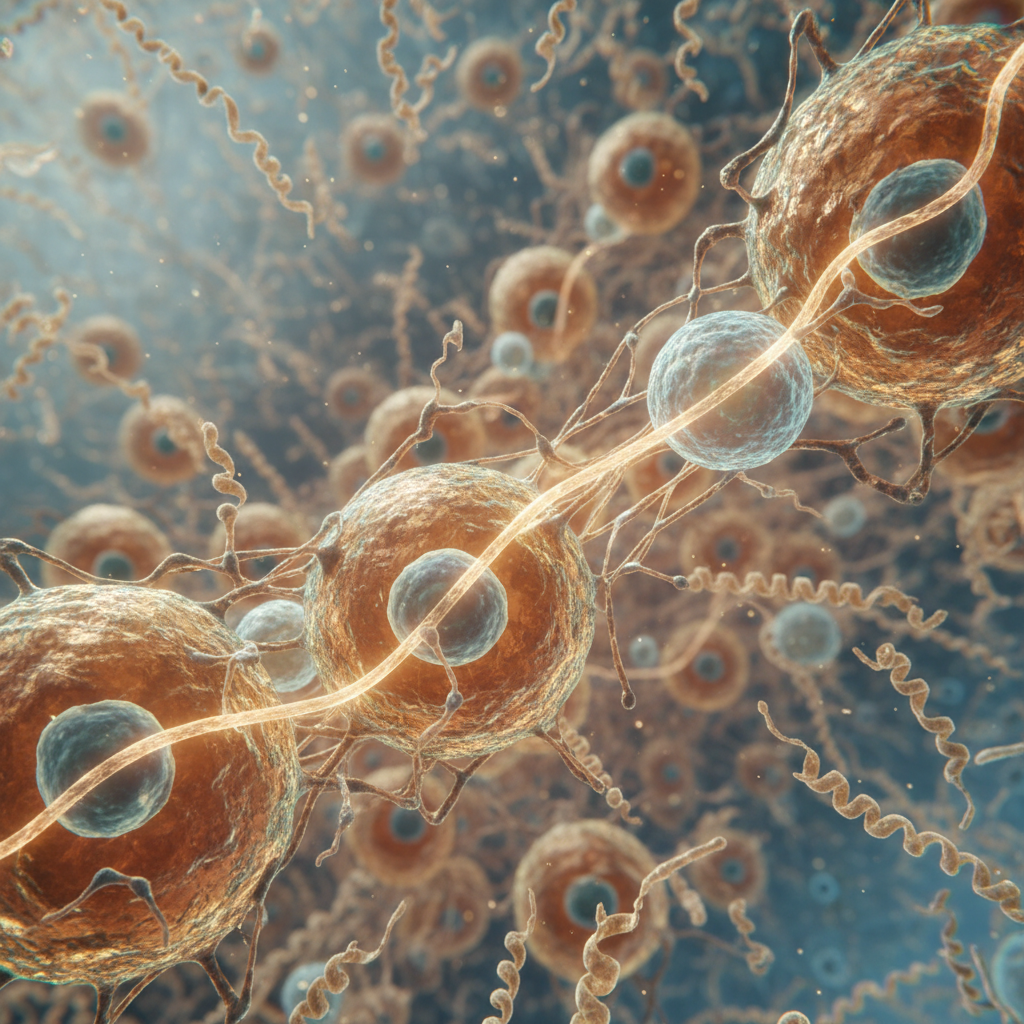
This comprehensive review delves into TB-500 recovery research, examining its mechanisms and therapeutic potential for tissue repair and regeneration.
# TB-500 Recovery Research Review: Unpacking its Healing Potential
In the ever-evolving landscape of longevity science, the pursuit of enhanced recovery and tissue regeneration remains a cornerstone. Among the myriad of compounds being investigated, Thymosin Beta 4 (TB-4) and its synthetic analogue, TB-500, have garnered significant attention for their purported roles in healing and repair. This deep dive into the available TB-500 recovery research aims to dissect the scientific evidence, separating promising findings from anecdotal claims, and provide a clear understanding of its potential applications.
TB-500 is a synthetic version of the naturally occurring peptide Thymosin Beta 4, which is found in virtually all human and animal cells. TB-4 is a crucial actin-regulating protein, playing a pivotal role in cell migration, differentiation, and tissue remodelling. Its ubiquitous presence and involvement in fundamental cellular processes hint at its broad physiological significance. The synthetic analogue, TB-500, essentially mimics these actions, offering a more stable and potentially more bioavailable form for therapeutic exploration.
The primary appeal of TB-500 lies in its multifaceted mechanism of action, which extends beyond simple wound healing. It's believed to promote angiogenesis (the formation of new blood vessels), reduce inflammation, protect cells from apoptosis (programmed cell death), and enhance cell migration, particularly of progenitor cells critical for tissue regeneration. This intricate interplay of cellular processes underscores its potential for accelerating recovery across various tissue types, from muscle and connective tissue to skin and even neural structures. Understanding these fundamental mechanisms is crucial for appreciating the scope of TB-500's therapeutic promise, which continues to be explored in both preclinical and, to a lesser extent, clinical settings.
Unravelling the Mechanisms: How TB-500 Works
At its core, the therapeutic efficacy of TB-500 is attributed to its role as a synthetic mimic of Thymosin Beta 4 (Tβ4). Tβ4 is a small, ubiquitous protein that is highly conserved across species and expressed in a wide range of tissues. Its key function revolves around actin regulation – the primary component of the cytoskeleton, responsible for cell shape, motility, and intracellular transport. Tβ4 sequesters G-actin monomers, preventing their polymerisation into F-actin. This dynamic regulation of actin is critical for various cellular activities, including cell migration, tissue remodelling, and wound healing.
Specifically, TB-500's mechanisms include:
* **Angiogenesis:** TB-500 has been shown to promote the formation of new blood vessels, a critical process for supplying oxygen and nutrients to damaged tissues and facilitating repair. This pro-angiogenic effect is mediated by upregulating various growth factors and signalling pathways, including those involving vascular endothelial growth factor (VEGF). * **Cell Migration and Proliferation:** By regulating actin dynamics, TB-500 enhances the migration of various cell types, including endothelial cells, keratinocytes, and fibroblasts, to injury sites. This accelerated cell movement is essential for wound closure and tissue regeneration. It also promotes the proliferation of these crucial cells. * **Anti-inflammatory Effects:** Research indicates that TB-500 can modulate inflammatory responses, reducing pro-inflammatory cytokines and promoting an environment conducive to healing rather than chronic inflammation, which can impede recovery. This modulation helps to minimise tissue damage post-injury. * **Cell Survival:** TB-500 has demonstrated anti-apoptotic properties, protecting cells from programmed cell death in ischaemic conditions and injury settings. This cellular protective effect contributes to the preservation of tissue integrity and function during the healing process. * **Stem Cell Activation:** Some studies suggest TB-500 may play a role in the mobilisation and differentiation of various progenitor cells, including mesenchymal stem cells, thereby contributing to tissue regeneration and repair. This is a particularly exciting area for future peptide research.
These interconnected mechanisms highlight TB-500's ability to orchestrate a complex healing response, making it a compelling candidate for a range of therapeutic applications. Further, its systemic effects, as opposed to localised ones, suggest it could support recovery across multiple bodily systems simultaneously.
TB-500 in Musculoskeletal Injury and Repair
One of the most frequently discussed applications of TB-500, particularly within athletic and rehabilitative circles, is its potential role in the recovery from musculoskeletal injuries. These include muscle tears, tendon damage, ligament sprains, and joint issues. The theoretical basis for its efficacy here is strong, given its aforementioned actions in promoting cell migration, angiogenesis, and reducing inflammation.
Preclinical studies, primarily in animal models, have provided encouraging results. For instance, research has shown that Tβ4 (the parent peptide) can accelerate muscle regeneration after injury, reduce scar tissue formation, and improve functional recovery. In tendon repair models, Tβ4 has been observed to enhance the mechanical properties of repaired tendons and promote more organised collagen fibre alignment, which is crucial for restoring tendon strength and function. Similarly, its application in studies involving ligament injuries has demonstrated improved healing outcomes and reduced recovery times.
Despite these promising preclinical findings, direct, large-scale human clinical trials specifically investigating TB-500 for musculoskeletal injury recovery remain limited. The majority of human data available often comes from small pilot studies or anecdotal reports, particularly from its off-label use in sports medicine. While these reports can be compelling, they lack the rigorous controls and statistical power of well-designed clinical trials. The challenge lies in translating the robust effects observed in animal models into consistent and reproducible outcomes in humans, with appropriate dosing and administration protocols. For comparison, other peptides like BPC-157 have seen more extensive, albeit still limited, human research in this area.
Broader Therapeutic Avenues: Skin, Heart, and Brain
The therapeutic potential of TB-500 extends beyond the musculoskeletal system, owing to the ubiquitous nature of its parent peptide, Tβ4, and its fundamental cellular actions. This broad applicability is one of the most exciting aspects of TB-500 recovery research.
* **Wound Healing and Dermal Repair:** TB-500 has shown significant promise in accelerating wound healing, particularly in chronic and non-healing wounds. Studies have indicated that Tβ4 can enhance re-epithelialisation, promote collagen deposition, and reduce inflammation in skin injuries. This makes it a potential candidate for treating conditions like diabetic ulcers or pressure sores, where conventional healing is often compromised. Its ability to stimulate keratinocyte migration and angiogenesis is particularly beneficial in these contexts, leading to faster wound closure and improved cosmetic outcomes. You can learn more about peptides that promote skin health, like GHK-Cu, on our dedicated page.
* **Cardiovascular Repair and Protection:** Research has explored Tβ4's role in cardiac repair following ischaemic injury, such as a heart attack. Studies have demonstrated its ability to protect cardiomyocytes from cell death, reduce infarct size, and promote angiogenesis in damaged heart tissue. It may also play a role in preventing adverse cardiac remodelling, helping to preserve heart function. This area of research holds significant promise for improving outcomes in patients with cardiovascular disease, though extensive human trials are still required. External link: Nature article on Tβ4 and heart repair
* **Neuroprotection and Neurological Recovery:** Emerging research suggests Tβ4 may have neuroprotective effects and could aid in recovery from neurological injuries, such as stroke or traumatic brain injury. It has been shown to reduce neuronal apoptosis, modulate neuroinflammation, and promote neurogenesis (the formation of new neurons) and angiogenesis in the brain. These actions could potentially mitigate neurological damage and facilitate functional recovery, representing a frontier for future investigation. External link: PubMed review on Tβ4 in CNS injury
These diverse applications highlight TB-500's capacity to influence healing and recovery across various physiological systems, underscoring its broad therapeutic appeal and the need for continued rigorous investigation.
Safety Profile and Future Research Directions
Considering the compelling preclinical data and the anecdotal reports from individuals using TB-500 for recovery, the safety profile and potential side effects are paramount considerations. In animal studies, Tβ4 and its analogues, including TB-500, have generally shown a favourable safety profile with no significant toxicity reported at therapeutic doses. However, human data, particularly from large-scale, placebo-controlled clinical trials, are still limited. The most commonly reported side effects in human anecdotal reports tend to be mild, such as injection site reactions (pain, redness, swelling) or transient fatigue, consistent with many injectable peptide treatments. Some individuals also report flushing or headaches. Long-term safety data in humans is largely absent, which is a critical gap that needs to be addressed through formal research.
The regulatory status of TB-500 is also a key factor. In many countries, including the UK and the US, TB-500 is not approved for human use as a therapeutic drug. It is typically classified as a research chemical, making its purchase and use for non-research purposes an unregulated area. This lack of regulatory oversight means that product quality, purity, and concentration can vary significantly between suppliers, posing potential risks to users.
Future research efforts must focus on well-designed, randomised controlled trials in humans to unequivocally establish efficacy, optimal dosing regimens, and long-term safety across various indications. Key areas for further investigation include:
* **Specific Musculoskeletal Injuries:** More targeted studies on conditions like rotator cuff tears, Achilles tendonitis, or chronic back pain are needed to determine if TB-500 offers superior benefits over existing therapies. * **Neurological Applications:** Expanding research into neurodegenerative diseases and acute neurological injuries, building on the promising preclinical findings. * **Formulation and Delivery:** Exploring alternative delivery methods beyond subcutaneous injection to improve patient compliance and convenience, such as transdermal patches or oral formulations, if bioavailability can be maintained. We discuss other peptides and their delivery methods in more detail. * **Synergistic Approaches:** Investigating the potential for TB-500 to work in conjunction with other regenerative therapies, such as stem cell treatments or other peptides, like the combination of CJC-1295 and Ipamorelin for growth hormone release, or even Thymalin for immune modulation, to enhance overall recovery outcomes.
The scientific community's continued commitment to rigorous research will be essential to fully harness the therapeutic potential of TB-500 and ensure its safe and effective application. For those interested in deeper dives into related compounds and their scientific backing, exploring articles on other supplements and protocols can provide a broader context on evidence-based health interventions.
Bottom Line
TB-500 recovery research, predominantly in preclinical models, consistently points towards its significant potential in accelerating tissue repair, reducing inflammation, and promoting angiogenesis across a variety of tissues including muscle, tendon, skin, heart, and neural tissue. Its mechanism of action, mimicking the ubiquitous Thymosin Beta 4, positions it as a powerful modulator of cellular processes critical for regeneration and wound healing. While the preclinical evidence is compelling, direct, large-scale human clinical trials are currently limited, meaning much of its current use is off-label and not supported by extensive human safety or efficacy data.
Individuals considering the use of TB-500 should be aware of its status as a research chemical and the inherent risks associated with unregulated compounds. Always consult with a qualified healthcare professional before considering any new peptide, drug or supplement regimen. This material is for informational purposes only and does not constitute medical advice. Please refer to our /legal/disclaimer for full details.