Thymalin and Thymosin Alpha-1: Key Peptides for
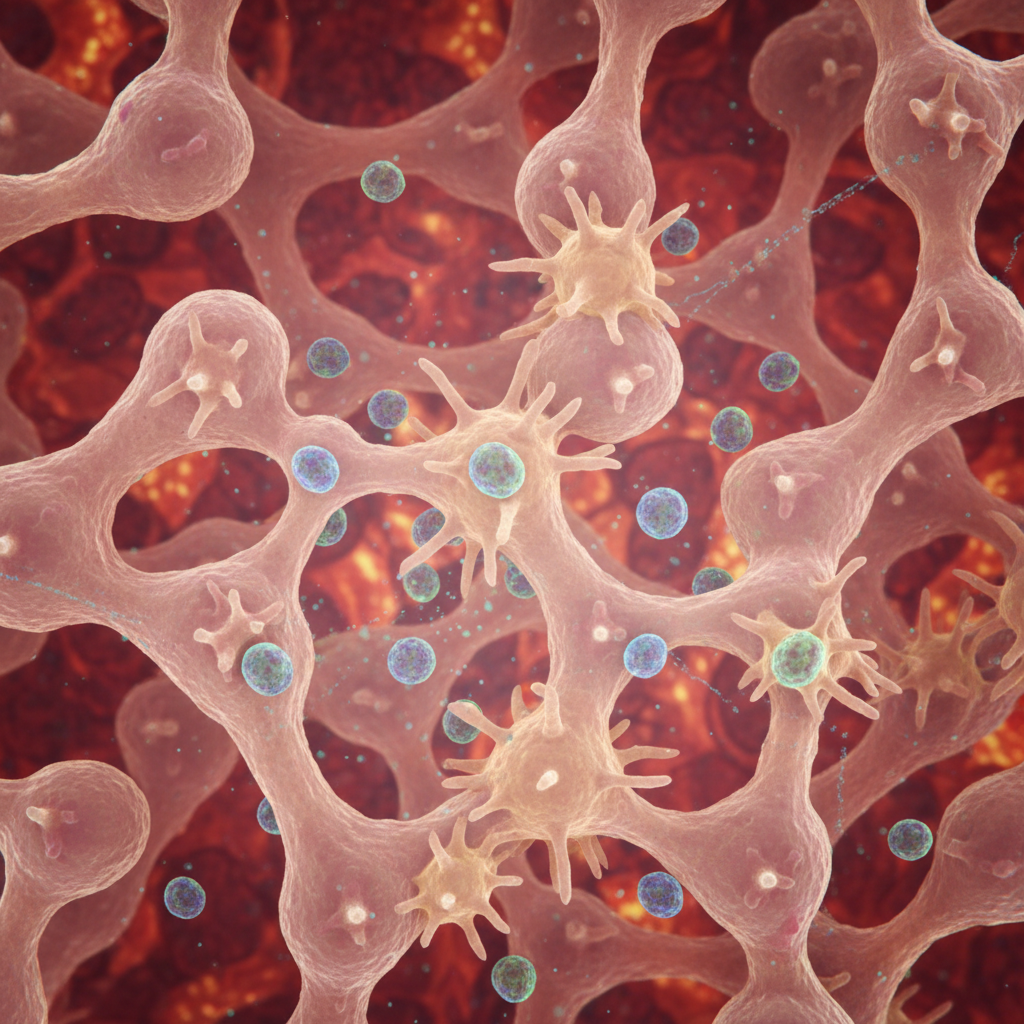
Thymalin and Thymosin Alpha-1 are pivotal peptides in the fight against immune ageing, offering a promising avenue for immune system rejuvenation.
# Thymalin and Thymosin Alpha-1: Key Peptides for Combating Immune Ageing
The immune system, our body's intricate defence network, undergoes profound changes with age, a phenomenon known as immunosenescence. This decline in immune function contributes significantly to increased susceptibility to infections, reduced vaccine efficacy, heightened cancer risk, and chronic inflammatory conditions – hallmarks of an ageing population. Among the burgeoning landscape of longevity interventions, thymic peptides, particularly Thymalin and Thymosin Alpha-1, have garnered substantial interest for their potential to mitigate these age-related immune declines. This in-depth analysis will delve into the mechanisms, evidence, and practical implications of these fascinating molecules in the context of immune ageing.
Understanding Immunosenescence and the Role of the Thymus
Immunosenescence is characterised by a multifaceted deterioration of both innate and adaptive immunity. Key features include a reduction in naive T-cell output, an accumulation of exhausted memory T-cells, decreased B-cell diversity, impaired neutrophil and macrophage function, and chronic low-grade inflammation, often termed 'inflammaging'. The thymus, a primary lymphoid organ situated in the chest, is central to T-cell development and maturation. Unfortunately, the thymus undergoes age-related atrophy, a process known as thymic involution, which begins in early adulthood and significantly accelerates after puberty. This involution leads to a drastic reduction in new T-cell production, severely compromising the adaptive immune system's ability to respond to novel pathogens and maintain immune surveillance.
Thymic peptides are naturally occurring signalling molecules derived from the thymus gland. They play crucial roles in regulating immune cell development, differentiation, and function. By supplementing or enhancing the activity of these endogenous peptides, researchers aim to restore youthful immune capabilities and combat the detrimental effects of immunosenescence. The goal is not merely to boost the immune system indiscriminately, but to rebalance and optimise its function, ensuring robust defences without exacerbating autoimmunity or chronic inflammation. This targeted approach is vital in the complex interplay of immune regulation, particularly in an ageing population where systemic dysregulation is common.
Thymalin: A Russian Peptide with a Rich History
Thymalin, a polypeptide extract derived from the calf thymus, has been extensively studied in Eastern Europe and Russia since the 1970s. Its primary mechanism of action involves stimulating T-cell differentiation and maturation, particularly affecting naive T-lymphocytes. By promoting the development of functionally competent T-cells, Thymalin helps to counteract the decline in T-cell output associated with thymic involution. This peptide has been shown to:
- **Enhance T-cell proliferation and differentiation:** Thymalin aids in the maturation of T-lymphocytes from precursor cells, improving the diversity and quantity of circulating T-cells.
- **Modulate cytokine production:** It can help normalise the balance of pro-inflammatory and anti-inflammatory cytokines, reducing chronic inflammation associated with ageing.
- **Restore immune homeostasis:** By improving T-cell function, Thymalin can help re-establish a more balanced immune response, enhancing defence against infections while potentially mitigating autoimmune tendencies.
- **Improve vaccine response:** Studies suggest that Thymalin can improve the immune response to vaccinations in older adults, a key challenge in geriatric medicine.
Clinical applications of Thymalin have included its use in immunocompromised patients, those undergoing chemotherapy or radiation, and individuals suffering from chronic infections or autoimmune conditions. Its long history of use and extensive research in specific regions lend it a degree of credibility, albeit often with a different research paradigm than that typically favoured in Western medicine. For a deeper dive into the broader class of compounds, exploring peptides can provide additional context.
Thymosin Alpha-1 (TA-1): A Potent Immunomodulator
Thymosin Alpha-1 (TA-1), commercially known as Zadaxin, is a synthetic peptide consisting of 28 amino acids, originally isolated from fraction 5 of calf thymic extracts. Unlike the broader extract Thymalin, TA-1 is a single, well-defined molecule, which allows for more precise study and standardisation. TA-1 is a remarkably versatile immunomodulatory peptide, known for its ability to enhance both innate and adaptive immune responses. Its mechanisms of action are multifaceted:
- **T-cell maturation and differentiation:** Similar to Thymalin, TA-1 promotes the maturation of T-lymphocytes, particularly CD4+ (helper) and CD8+ (cytotoxic) T-cells, which are critical for effective immune responses.
- **Dendritic cell activation:** TA-1 can stimulate dendritic cells, which are crucial antigen-presenting cells that initiate T-cell responses.
- **Cytokine modulation:** It upregulates the production of beneficial cytokines (e.g., IL-2, IFN-γ) and downregulates pro-inflammatory cytokines, helping to resolve inflammation and improve immune signalling.
- **Antiviral and antibacterial effects:** TA-1 has demonstrated direct antiviral and antibacterial properties in various *in vitro* and *in vivo* models, making it a valuable tool in fighting infections.
- **Enhanced vaccine efficacy:** Numerous studies have shown TA-1's ability to boost immune responses to vaccines in immunocompromised individuals and the elderly, mirroring findings with Thymalin. A study published in *Nature Communications* highlighted its role in augmenting T-cell responses during viral infections nature.com/articles/s41467-020-18451-w.
TA-1 has received regulatory approval in many countries for conditions such as chronic hepatitis B and C, certain cancers, and as an immune enhancer in immunocompromised patients. Its precise mechanism and well-characterised structure make it a particularly attractive peptide for further longevity research. The potential to restore optimal immune function in an ageing population positions TA-1 as a leading candidate in the fight against immunosenescence.
Clinical Evidence and Research Directions for Immune Ageing
Research into both Thymalin and Thymosin Alpha-1 consistently points towards their efficacy in modulating and rejuvenating the immune system. For Thymalin, numerous studies, predominantly from Eastern Europe, have shown improvements in various immune parameters in elderly individuals, leading to a reduction in incidence of acute respiratory infections and improved quality of life. For instance, a meta-analysis published in *Therapeutics and Clinical Risk Management* found Thymalin to be effective in various immune-deficient conditions, though further rigorous Western-standard trials are often called for to strengthen the evidence base pubmed.ncbi.nlm.nih.gov/22026511/.
Thymosin Alpha-1, with its more extensive global clinical trials, has demonstrated significant benefits. Its role in conditions like sepsis, where immune dysregulation is rampant, and in enhancing immunity in cancer patients undergoing chemotherapy, showcases its broad utility. For the ageing population, a key focus is on its ability to enhance T-cell immunity, which is crucial for fighting infections and preventing cancer. The peptide’s ability to improve vaccine responses is particularly relevant given the reduced efficacy of standard vaccinations in older adults. Furthermore, the capacity of TA-1 to modulate inflammation is vital in combating 'inflammaging', a chronic low-grade inflammatory state that contributes to numerous age-related diseases. Researchers are also exploring its synergy with other longevity interventions, such as specific supplements or protocols.
Safety Profile and Administration Considerations
Both Thymalin and Thymosin Alpha-1 generally exhibit favourable safety profiles. Side effects are typically mild and transient, often limited to local injection site reactions. As with any peptide or therapeutic agent, it is crucial to consult with a qualified healthcare professional before considering use, especially given the complexities of individual health status and potential interactions with other medications. The appropriate dosage and duration of administration can vary significantly depending on the individual's condition and the specific therapeutic goal.
Thymalin is typically administered via intramuscular or subcutaneous injection, often in short courses or cyclical regimens. Thymosin Alpha-1 is also administered subcutaneously. The purity and source of peptides are paramount. Obtaining pharmaceutical-grade peptides from reputable suppliers is essential to ensure safety and efficacy. Individuals considering these peptides should be aware that, while promising, the regulatory status and availability can vary significantly by country. In the UK, for instance, these peptides are not routinely available as prescription medications for general immune enhancement in healthy individuals, and their use typically falls within research or off-label contexts under medical supervision. Always consult a healthcare professional regarding any supplements or peptides, and refer to /legal/disclaimer.
The Broader Context of Immune Rejuvenation in Longevity
Targeting immune ageing extends beyond just thymic peptides. A holistic approach to immune rejuvenation often incorporates various strategies. Lifestyle interventions such as a balanced diet, regular exercise (including resistance training), adequate sleep (for which sleep optimization tools can be useful), and stress management are foundational. Nutritional supplementation, including agents like Vitamin D, Omega-3 fatty acids, and zinc, are also known to support immune function. Specific longevity-focused supplements like spermidine or urolithin A are also being investigated for their roles in cellular health and immune regulation. Furthermore, emerging research into senolytics and other anti-ageing compounds offers complementary pathways to improve immune health.
Thymic peptides like Thymalin and Thymosin Alpha-1 represent a more direct and potent intervention to address the root cause of T-cell decline. Their ability to stimulate thymic output and improve T-cell function positions them as valuable tools in an integrated longevity strategy. As our understanding of immunosenescence deepens, the combination of these targeted peptide therapies with foundational lifestyle and nutritional interventions promises a powerful approach to extending healthspan and reducing the burden of age-related diseases. Future research will likely focus on optimising dosing regimens, exploring combination therapies, and conducting larger, long-term clinical trials to solidify their role in preventative and therapeutic medicine for the elderly.
Bottom Line
Thymalin and Thymosin Alpha-1 stand out as critical peptides in the effort to combat immune ageing. By enhancing thymic output and improving T-cell function, these molecules offer a scientific pathway to rejuvenate the immune system, making it more robust against infections, cancer, and chronic inflammation. While Thymalin has a strong foundation in Eastern European research, Thymosin Alpha-1 benefits from more extensive global clinical validation, particularly for its precise immunomodulatory effects.
For those seeking to optimise their immune health as they age, understanding these peptides is crucial. While not readily available for general use in all regions, their research points towards a future where targeting thymic function could significantly extend our healthspan. Always prioritise consulting with a healthcare professional to discuss individual circumstances and the suitability of any such interventions. Remember to thoroughly research sources for any peptides to ensure purity and safety.
Always consult a healthcare professional regarding any supplements or peptides, and refer to /legal/disclaimer.