Thymalin and Thymosin Alpha-1: Key Peptides in
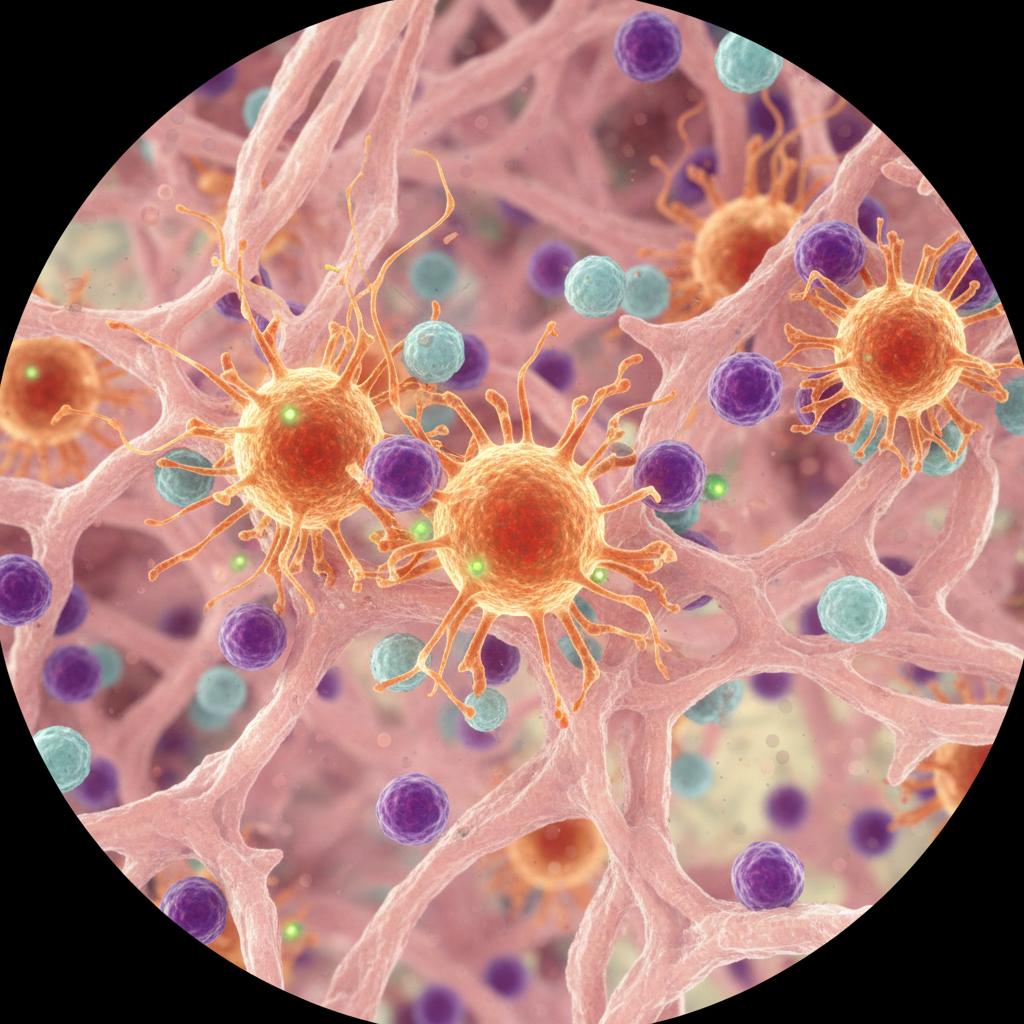
This comprehensive review delves into the potential of Thymalin and Thymosin Alpha-1 as crucial peptides in combating immune ageing.
# Thymalin and Thymosin Alpha-1: Key Peptides in Immune Ageing
The immune system, our body's intricate defence network, undergoes a gradual decline with age, a phenomenon known as immunosenescence. This age-related weakening leaves us more susceptible to infections, autoimmune diseases, and even cancer. As researchers delve deeper into the mechanisms of ageing, certain peptides, notably Thymalin and Thymosin Alpha-1 (TA1), have emerged as promising candidates in the fight against immune ageing, offering potential avenues for immune restoration and healthspan extension. This comprehensive analysis will explore the science behind these peptides, their mechanisms of action, and their implications for bolstering immune function as we age.
The thymus gland, a small organ located behind the breastbone, is central to immune system development, particularly the maturation of T-lymphocytes (T-cells). These T-cells are critical for adaptive immunity, responsible for recognising and eliminating specific pathogens. Unfortunately, the thymus begins to atrophy from puberty onwards, a process called thymic involution, leading to a significant reduction in T-cell output. This decline in naïve T-cells and an accumulation of senescent T-cells are hallmarks of immunosenescence, contributing to the impaired immune responses observed in older individuals.
The Thymic Connection: How Peptides Support Immune Function
Both Thymalin and Thymosin Alpha-1 are thymic peptides, meaning they are naturally produced by the thymus gland. Their primary function revolves around regulating and enhancing T-cell-mediated immunity. They act as signalling molecules, guiding the development, differentiation, and function of T-cells, which are the immune system's primary cellular defenders against intracellular pathogens and cancer cells.
Thymalin, a peptide complex consisting of several low-molecular-weight fractions, has been extensively studied, particularly in Eastern European research. It is believed to exert its effects by promoting the maturation of T-lymphocytes, restoring the balance of T-helper and T-suppressor cells, and normalising the immune response. Its broad-spectrum immunomodulatory properties make it an intriguing candidate for various immune-compromised states.
Thymosin Alpha-1, on the other hand, is a more widely recognised and extensively studied peptide, with its synthetic version, Thymalfasin, approved in many countries for conditions such as chronic hepatitis B and C, and certain cancers. TA1 directly influences T-cell maturation and differentiation, particularly the development of CD4+ T-helper cells, which coordinate immune responses. It also enhances the production of crucial cytokines, such as interferon-gamma and interleukins, which are vital for effective antiviral and anti-tumour immunity. The concerted actions of these peptides underscore their importance in maintaining a robust and adaptive immune system throughout life.
Mechanisms of Action: Decoding the Immunomodulatory Effects
The cellular and molecular mechanisms through which Thymalin and Thymosin Alpha-1 exert their immunomodulatory effects are multifaceted. For Thymalin, research suggests it influences various aspects of T-cell function:
* **T-cell maturation:** It aids in the maturation of progenitor T-cells into functionally active T-lymphocytes within the thymus and peripheral lymphoid organs. * **Cytokine balance:** It helps to balance the production of pro-inflammatory and anti-inflammatory cytokines, crucial for appropriate immune responses and preventing chronic inflammation, a hallmark of ageing. * **Phagocytic activity:** Some studies indicate it can enhance the activity of phagocytes, such as macrophages, which are essential for clearing pathogens and cellular debris. * **Antioxidant effects:** There is emerging evidence suggesting Thymalin may possess antioxidant properties, helping to mitigate oxidative stress, a key contributor to cellular ageing and immune dysfunction.
Thymosin Alpha-1's mechanisms are perhaps more precisely defined due to its extensive research. It works by:
* **Promoting T-cell differentiation:** TA1 directly interacts with thymocytes, stimulating their differentiation into mature T-cells, particularly increasing the number and function of CD4+ T-helper cells. * **Enhancing cytokine production:** It upregulates the production of key cytokines like interferon-gamma (IFN-γ), tumour necrosis factor-alpha (TNF-α), and various interleukins (IL-2, IL-3). These cytokines are critical for antiviral immunity, anti-tumour responses, and T-cell proliferation. * **Modulating dendritic cell function:** TA1 can influence dendritic cells, professional antigen-presenting cells, enhancing their ability to activate T-cells. * **Protecting against T-cell apoptosis:** It may help to prevent premature apoptosis (programmed cell death) of T-cells, preserving the T-cell repertoire.
These intricate mechanisms highlight how both peptides act synergistically to reinforce the immune system, particularly in situations of immune compromise or during the natural decline associated with ageing. For instance, the ability of Thymalin to restore T-cell ratios and Thymosin Alpha-1 to boost CD4+ T-cells creates a powerful combination for immune rejuvenation.
Clinical Applications and Research: Combatting Immunosenescence
The therapeutic potential of Thymalin and Thymosin Alpha-1 in the context of immune ageing is a significant area of research. Numerous studies, particularly on Thymosin Alpha-1, have demonstrated its efficacy in various clinical settings. For example, in patients with chronic infections, such as hepatitis B and C, TA1 has been shown to improve T-cell responses and reduce viral load. Its role in cancer therapy, often as an adjuvant, is also being explored, with evidence suggesting it can enhance the efficacy of chemotherapy and immunotherapy by bolstering anti-tumour immunity. A key study published in *Nature Reviews Immunology* comprehensively reviews the multifaceted roles of TA1 in immune modulation. https://www.nature.com/articles/nri2862
For ageing individuals, the implications are profound. Immunosenescence leaves older adults vulnerable to:
* **Increased susceptibility to infections:** Older adults often experience more severe and prolonged infections, and their response to vaccines can be diminished. * **Higher incidence of cancer:** A weakened immune surveillance system contributes to the increased risk of various cancers in the elderly. * **Chronic inflammation (inflammaging):** The immune system's chronic low-grade inflammation contributes to a host of age-related diseases.
By enhancing T-cell function and restoring immune balance, both Thymalin and Thymosin Alpha-1 hold promise in mitigating these age-related immune challenges. Research in animal models and some human studies suggest that these peptides can improve vaccine responsiveness in older individuals and potentially reduce the incidence and severity of infections. For example, a study in *Immunopharmacology and Immunotoxicology* explored the use of thymic peptides in elderly individuals with recurrent respiratory infections, showing promising results. https://pubmed.ncbi.nlm.nih.gov/22606556/
Synergistic Effects and Future Directions in Longevity
The potential for synergistic effects when combining Thymalin and Thymosin Alpha-1 with other longevity interventions is a fascinating area. Imagine pairing these immune-boosting peptides with strategies like time-restricted eating to enhance cellular repair, or resistance training to maintain muscle mass, which also indirectly supports immune health. The idea is not merely to treat disease but to actively promote resilience and extend healthspan. Other peptides, such as BPC-157 for tissue repair or GHK-Cu for skin regeneration, could form part of a holistic peptide stack aimed at systemic rejuvenation.
Moreover, the integration of these peptides into personalised longevity protocols, informed by biological age assessments and biomarker insights, represents a cutting-edge approach. As the field of precision medicine advances, the ability to tailor peptide regimens based on an individual's specific immune profile and ageing markers will become increasingly vital. The ongoing research into the precise dosing, administration routes, and long-term safety profiles of these peptides will be crucial for their wider adoption in longevity medicine.
While the prospects are exciting, it's essential to acknowledge that research is ongoing. Many studies on Thymalin, in particular, are from older literature or non-English journals, necessitating further rigorous, placebo-controlled trials in diverse populations to confirm its efficacy and safety profile. For Thymosin Alpha-1, while more extensively studied, its full potential in general immune ageing prevention and healthspan extension is still being elucidated. The interaction of these peptides with other aspects of the immune system, such as natural killer cells and B-cells, also warrants further investigation.
Peptides and supplements discussed here should always be considered research compounds. Consult a qualified healthcare professional before considering any new supplement or treatment. /legal/disclaimer
Bottom Line
Thymalin and Thymosin Alpha-1 represent two compelling thymic peptides with significant potential in addressing the challenges of immune ageing. By enhancing T-cell maturation, function, and cytokine production, they offer a promising avenue for bolstering the immune system against infections, cancer, and chronic inflammation associated with advanced age. While Thymosin Alpha-1 boasts a more robust evidence base and clinical application history, both peptides contribute to a deeper understanding of how we might counteract immunosenescence.
As research progresses, the strategic incorporation of these peptides, possibly in combination with other longevity interventions, could become a cornerstone of personalised approaches to extend healthspan and foster a more resilient immune system throughout life. Their role in maintaining immune competence underscores their importance in the broader longevity landscape, paving the way for innovative strategies to keep our biological defences strong as we age.