Thymalin and Thymosin Alpha 1: A Deep Dive into
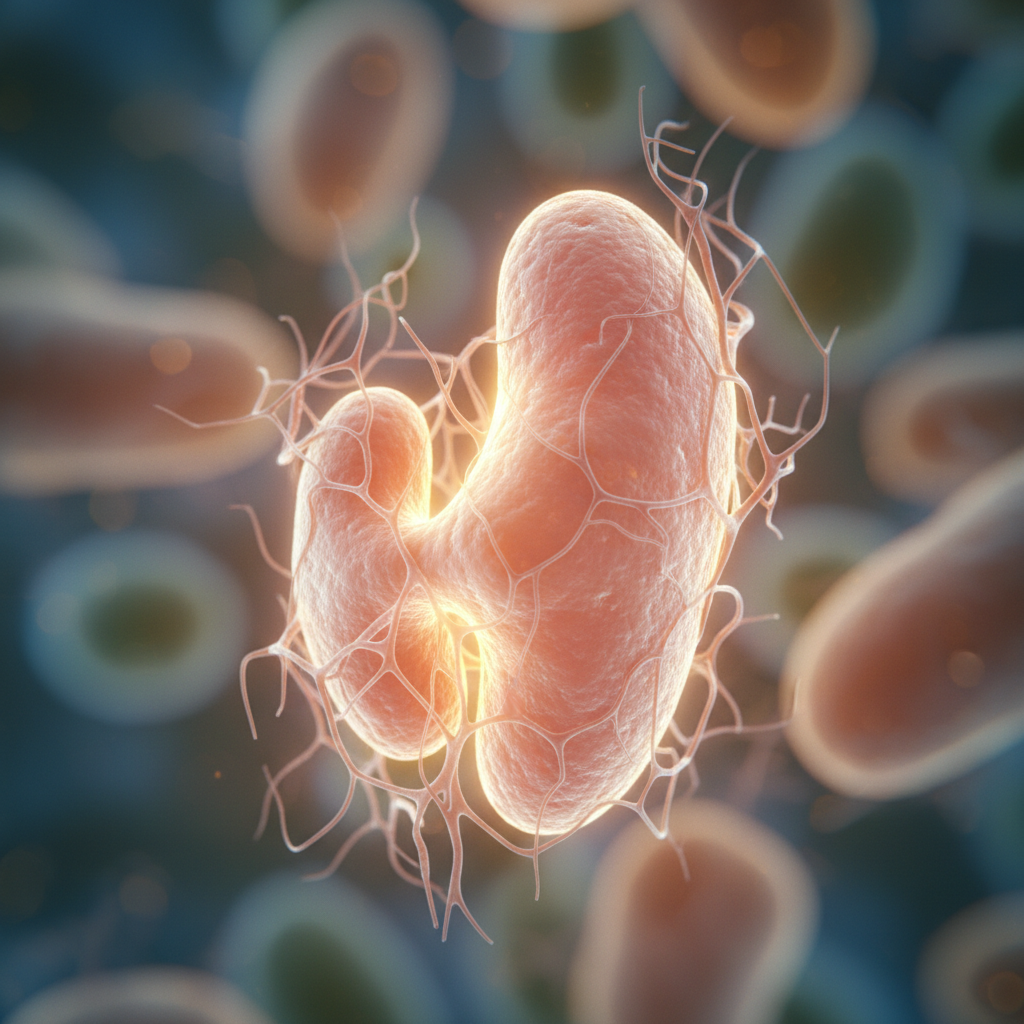
This extensive review examines Thymalin and Thymosin Alpha 1, two peptides gaining attention for their roles in combating immune ageing and enhancing overall immune function.
# Thymalin and Thymosin Alpha 1: A Deep Dive into Immune Ageing Modulation
The immune system, a complex network of cells, tissues, and organs, serves as our body's primary defence mechanism against pathogens, toxins, and abnormal cells. However, with advancing age, this intricate system undergoes a process known as immunosenescence – a gradual decline in immune function that renders individuals more susceptible to infections, autoimmune diseases, and cancer. The thymus gland, a crucial organ for T-cell maturation, plays a pivotal role in maintaining immune competence throughout life. As we age, the thymus involutes, leading to a significant reduction in naive T-cell output and a shift towards a more pro-inflammatory immune profile. Understanding and potentially reversing aspects of immunosenescence is a cornerstone of modern longevity research. Two peptides, Thymalin and Thymosin Alpha 1, have emerged as prominent candidates in this arena, offering potential strategies to bolster immune function and combat the ravages of immune ageing.
The Thymus and Immunosenescence: A Vicious Cycle
The thymus is a primary lymphoid organ situated behind the sternum. Its principal function is the maturation of T lymphocytes (T-cells), which are central to adaptive immunity. Immature T-cells, or thymocytes, migrate from the bone marrow to the thymus, where they undergo a rigorous selection process. This process ensures the development of T-cells capable of recognising and eliminating pathogens while tolerating self-antigens. This critical function is most active during childhood and adolescence. However, from puberty onwards, the thymus begins to undergo age-related atrophy, a process known as thymic involution. This involves a decrease in thymic tissue volume, replacement by adipose tissue, and a significant reduction in the production of new, naive T-cells.
Consequences of thymic involution and immunosenescence are far-reaching. They include:
- **Increased susceptibility to infections:** Older adults often experience more severe and prolonged infections, and respond less effectively to vaccinations.
- **Higher incidence of autoimmune diseases:** The compromised regulatory T-cell function can lead to a breakdown of self-tolerance.
- **Increased cancer risk:** The immune system's ability to identify and destroy cancerous cells diminishes with age.
- **Chronic low-grade inflammation (inflammaging):** A hallmark of ageing, contributing to various age-related diseases.
Addressing these age-related immune declines is a primary goal of therapies involving peptides like Thymalin and Thymosin Alpha 1, both of which are intimately linked to thymic function. These peptides essentially act as messengers, aiming to restore some of the youthful vigour to a flagging immune system. For a broader overview of how other peptides contribute to health, see our general article on peptides.
Thymalin: A Glandular Peptide with Restorative Potential
Thymalin is a polypeptide preparation derived from the calf thymus. It's classified as a bioregulator peptide, meaning it works to normalise and regulate physiological functions, particularly within the immune system. First isolated and studied in the former Soviet Union, Thymalin has a long history of clinical use in Eastern Europe for various immune-compromised states. Its primary mechanism of action revolves around supporting the remaining functional capacity of the ageing thymus and enhancing the maturation of T-cells.
Research suggests that Thymalin:
- **Promotes T-cell differentiation and maturation:** It helps immature T-cells in the thymus complete their development into functionally competent T-cells.
- **Restores balance between T-helper and T-suppressor cells:** An imbalance in these T-cell subsets is often seen in immunosenescence and various disease states.
- **Enhances phagocytic activity of macrophages:** Macrophages are critical innate immune cells that engulf and digest pathogens and cellular debris.
- **Increases interferon production:** Interferons are crucial antiviral and anti-cancer signalling molecules.
Studies, particularly from Russia, have shown promising results in populations with compromised immune systems, including those undergoing chemotherapy, radiation therapy, or suffering from chronic infections. A notable study demonstrated that Thymalin, when administered to elderly individuals, could significantly improve immune parameters, reducing the incidence of acute respiratory infections and mortality rates over an extended period PubMed 15729707. While not a panacea, its role in potentially modulating the immune response, particularly in states of immune deficiency, is an area of ongoing interest within longevity science. As with many compounds, proper administration and dosage are critical for optimal outcomes, and individuals should always consult with a healthcare professional, especially when considering peptides for therapeutic use. Please refer to our /legal/disclaimer for important safety information regarding peptides, drugs, and supplements.
Thymosin Alpha 1: A Precise Immunomodulator
Thymosin Alpha 1 (TA1), marketed globally under names like Zadaxin, is a synthetic peptide originally isolated from thymosin fraction 5, a calf thymus extract. Unlike Thymalin, which is a mixture of peptides, TA1 is a single, well-defined 28-amino acid peptide. Its discovery and subsequent extensive research have positioned it as a powerful immunomodulatory agent with a more targeted mechanism of action than its broader glandular counterpart. TA1 is approved in many countries for the treatment of hepatitis B and C, and for use in certain cancers, underscoring its established clinical utility.
The primary actions of Thymosin Alpha 1 include:
- **Enhancing T-cell function:** It promotes the maturation and differentiation of T-cells, particularly increasing the numbers and function of helper T-cells.
- **Boosting cytokine production:** TA1 stimulates the production of various cytokines, such as interferons and interleukins, which are vital for coordinating immune responses.
- **Modulating innate immunity:** It can activate natural killer (NK) cells and dendritic cells, bridging the gap between innate and adaptive immunity.
- **Reducing inflammation:** By influencing cytokine profiles, TA1 can help to rebalance an overactive or dysregulated immune response, which is often seen in chronic inflammation associated with ageing.
TA1's ability to enhance both innate and adaptive immune responses makes it a compelling candidate for combating immunosenescence. Research has shown its efficacy in improving immune responses in elderly patients, enhancing vaccine efficacy, and reducing viral loads in chronic infections Nature Reviews Immunology. Its more precise action and extensive clinical background provide a strong foundation for its continued exploration in longevity medicine. Like Thymalin, Thymosin Alpha 1 operates on a similar principle of optimising immune function, but with a more refined biochemical profile.
Comparing Thymalin and Thymosin Alpha 1 in Immune Ageing
While both Thymalin and Thymosin Alpha 1 aim to bolster immune function and combat age-related decline, they differ in their origin, composition, and often, their clinical application.
| Feature | Thymalin | Thymosin Alpha 1 (TA1) | | :---------------- | :------------------------------------- | :---------------------------------------------- | | **Origin** | Bovine thymus extract | Synthetic, 28-amino acid peptide | | **Composition** | Mixture of peptides | Single, well-defined peptide | | **Mechanism** | Broader, supports general thymic function | Targeted, specific receptor interactions | | **Primary Use** | Immunodeficiency, chronic infections | Viral hepatitis, some cancers, immunodeficiency | | **Research Base** | Primarily Eastern European | Extensive global research, FDA-approved trials |
For immune ageing, the choice between them may depend on specific goals. Thymalin might be considered for a broader, more holistic thymic support, particularly in cases of severe immune suppression. Thymosin Alpha 1, with its well-defined structure and extensive Western clinical data, offers a more targeted and predictable immunomodulatory effect, making it highly attractive for enhancing T-cell immunity and tackling chronic viral challenges often exacerbated by ageing.
Both peptides share the common goal of improving the function of an ageing immune system, but their nuances are important. The potential to enhance vaccine response, reduce infection rates, and potentially mitigate the risk of age-related diseases makes both incredibly valuable research subjects. It's not uncommon for longevity protocols to involve a comprehensive approach, combining various strategies to support overall health, from optimising sleep with tools like sleep optimization AI to incorporating specific supplements.
The Role in Longevity and Healthspan
Beyond just preventing infections, a robust immune system is intrinsically linked to overall healthspan and longevity. Chronic low-grade inflammation (inflammaging), driven by a dysregulated immune system, is a key driver of numerous age-related diseases, including cardiovascular disease, neurodegeneration, and metabolic disorders. By restoring immune balance and reducing systemic inflammation, Thymalin and Thymosin Alpha 1 offer a potential avenue to mitigate these age-related pathologies.
- **Reduced Systemic Inflammation:** Both peptides can help to rebalance the cytokine milieu, shifting it away from a pro-inflammatory state often seen in older individuals.
- **Improved Cellular Senescence Clearance:** A well-functioning immune system is better equipped to identify and clear senescent cells, which accumulate with age and contribute to tissue dysfunction. For example, some immune cells, when operating optimally, can play a role in clearing 'zombie' cells, a process critical for healthy ageing.
- **Enhanced Response to Stressors:** A more resilient immune system can better cope with physical and psychological stressors, which can otherwise accelerate ageing processes.
The prospect of delaying or reversing aspects of immunosenescence holds profound implications for extending healthy lifespan. The ability to maintain a functional and responsive immune system throughout life means not only fewer infections but also a reduced burden of chronic disease. This aligns perfectly with the goals of longevity science, which seeks to compress morbidity and extend the period of healthy, active living. Further research into the optimal dosing and long-term effects of these peptides, possibly in conjunction with other longevity interventions like cold exposure or time-restricted eating, will be crucial.
Future Directions and Clinical Considerations
The ongoing research into Thymalin and Thymosin Alpha 1 is exciting. While both have established clinical uses, their full potential in the context of healthy ageing and longevity is still being uncovered. Future studies will likely focus on:
- **Optimised Dosing Regimens:** Determining the most effective and safe dosages for long-term immunomodulation in healthy ageing populations.
- **Combination Therapies:** Investigating their synergistic effects with other immunomodulators, senolytics, or lifestyle interventions.
- **Biomarker Tracking:** Utilising advanced biological age and biomarker insights to precisely monitor the immune response and overall health improvements.
- **Personalised Medicine:** Tailoring peptide therapies based on an individual's specific immune profile and risk factors.
It's important to reiterate that while these peptides show great promise, they are not without considerations. Their use should always be guided by qualified healthcare professionals. For individuals considering these or other similar interventions, a thorough understanding of their mechanisms, potential side effects, and legal status in their respective regions is paramount. The journey to a longer, healthier life is multifaceted, often involving a blend of cutting-edge research and fundamental health practices, such as resistance training (see our guide on resistance training).
Bottom Line
Thymalin and Thymosin Alpha 1 represent compelling tools in the burgeoning field of immune ageing. Both peptides, through their distinct yet complementary mechanisms, offer the potential to reinvigorate a flagging immune system, reduce inflammation, and enhance overall resilience against age-related diseases. While Thymalin, derived from animal thymus, offers a broader support to thymic function, Thymosin Alpha 1 provides a more targeted and extensively researched immunomodulatory effect.
The scientific evidence points towards a significant role for these peptides in maintaining a robust immune defence into later life, thereby contributing to an extended healthspan. As research continues to unfold, these peptides are poised to become increasingly relevant components of personalised longevity strategies, helping individuals navigate the challenges of immunosenescence and age with vitality. Please refer to our /legal/disclaimer for important safety information regarding peptides, drugs, and supplements.