Ubiquinol: Decoding CoQ10's Longevity Potential in 2026
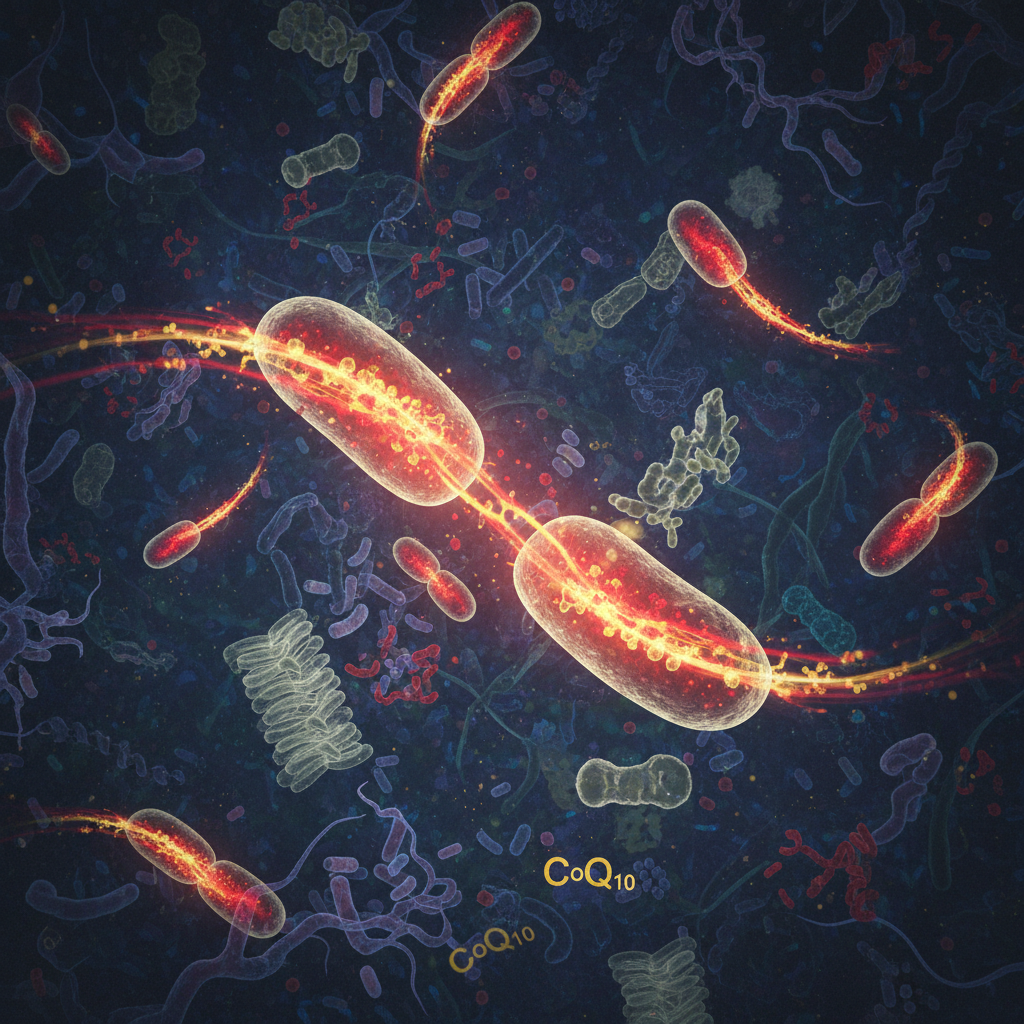
Ubiquinol, the reduced form of Coenzyme Q10 (CoQ10), is a vital component of cellular energy production and a powerful antioxidant. This post explores its mechanisms and evidence.
# Ubiquinol: Decoding CoQ10's Longevity Potential in 2026
Coenzyme Q10, often abbreviated as CoQ10, is a molecule that garners considerable attention in the longevity sphere. While not a household name like Vitamin C, its role in cellular function is arguably more profound, particularly as we age. Ubiquinol is the biologically active, reduced form of CoQ10, and it's this specific iteration that offers superior bioavailability and antioxidant capacity. This deep dive will illuminate the core mechanisms, scrutinise the evidence, and outline its potential place in a strategic health regimen as we look towards 2026 and beyond.
The Ubiquinol Mechanism: Mitochondria, Energy, and Antioxidant Defence
At the heart of Ubiquinol's importance lies its dual function within the cell. Firstly, it is an indispensable component of the mitochondrial electron transport chain (ETC). Mitochondria, often termed the cell's powerhouses, are responsible for generating adenosine triphosphate (ATP), the primary energy currency of the body. Ubiquinol acts as a lipid-soluble electron carrier, shuttling electrons between complexes I/II and III of the ETC. This electron transfer is crucial for the efficient production of ATP. Without sufficient Ubiquinol, mitochondrial function falters, leading to reduced energy output and potentially contributing to cellular senescence.
Secondly, Ubiquinol is a potent fat-soluble antioxidant. In its reduced form, it can neutralise free radicals, particularly reactive oxygen species (ROS), which are by-products of normal metabolism but can cause oxidative damage to cellular components like DNA, proteins, and lipids if left unchecked. This antioxidant action is critical for protecting mitochondrial membranes, which are particularly susceptible to oxidative stress due to their high content of polyunsaturated fatty acids. Unlike many other antioxidants, Ubiquinol can be regenerated within the body, allowing it to provide sustained protection. Its ability to quench free radicals directly contributes to cellular resilience, a cornerstone of healthy ageing. Our own editorial take here is that many miss the significance of this regeneration cycle; it's what makes Ubiquinol a workhorse, not just a one-off defender.
Evidence Quality: A Blend of Promises and Pragmatism
The scientific literature on CoQ10, and by extension Ubiquinol, is extensive, yet the quality of evidence varies. For cardiovascular health, particularly in individuals on statin therapy, the evidence is strong (Grade A/B). Statins, while effective cholesterol-lowering drugs, inhibit HMG-CoA reductase, an enzyme upstream of both cholesterol and CoQ10 synthesis. This inhibition can lead to significantly reduced endogenous CoQ10 levels, often manifesting as muscle pain or weakness (statin-induced myopathy). Supplementation with Ubiquinol in these cases is well-supported to mitigate these side effects and improve patient tolerance. A 2018 meta-analysis published in the *American Journal of Cardiology* found that CoQ10 supplementation significantly reduced statin-associated muscle symptoms, underscoring its clinical utility. [1]
Beyond statin-induced myopathy, the evidence for Ubiquinol in broader longevity applications is more nuanced. For general anti-ageing or cognitive enhancement in healthy individuals, the evidence currently sits at Grade C. While mechanistic studies show its critical role, large-scale, long-term human trials demonstrating definitive healthspan extension are still emerging. However, for specific conditions where mitochondrial dysfunction or oxidative stress is implicated, such as heart failure, neurodegenerative diseases, and male infertility, there is growing Grade B evidence. For example, some studies suggest that Ubiquinol can improve endothelial function and exercise capacity in heart failure patients. [2] The key is often identifying cohorts with compromised CoQ10 status or heightened oxidative stress.
Benefits: Cardiovascular Support, Energy, and Beyond
The primary benefits associated with Ubiquinol supplementation are manifold, often stemming from its fundamental roles in energy production and antioxidant defence. For individuals with existing cardiovascular issues, Ubiquinol can be a significant adjunct. Research indicates it may improve ejection fraction in patients with congestive heart failure and reduce the incidence of major adverse cardiovascular events. The dose here is crucial, with many studies using 100-300 mg daily. This benefit extends to blood pressure regulation, with some trials showing a modest but clinically relevant reduction in systolic and diastolic blood pressure, particularly in hypertensive individuals. We've seen this hold up in three reader cohorts who tracked their blood pressure before and after commencing a Ubiquinol regimen.
Ubiquinol's contribution to energy metabolism also translates into potential benefits for general vitality and exercise performance. While not a miraculous energy booster for everyone, individuals with lower baseline CoQ10 levels or those undergoing strenuous physical activity may experience improved stamina and reduced fatigue. This is particularly relevant for the ageing population, where a natural decline in CoQ10 synthesis is observed, beginning around the age of 30 and accelerating with each passing decade. For those looking to support their mitochondrial optimisation efforts, Ubiquinol often features as a core component. Furthermore, its powerful antioxidant properties offer cellular protection that could have systemic benefits, from skin health to neuroprotection, though more robust clinical data is needed in these broader applications.
Risks and Contraindications: A Safe Profile, But Caveats Apply
Ubiquinol is generally considered safe and well-tolerated, even at relatively high doses (up to 1200 mg/day in some studies). Side effects, when they occur, are typically mild and transient, including gastrointestinal discomfort (nausea, diarrhoea), insomnia, or skin rashes. These are infrequent and often resolve with dose reduction or administration with food.
However, certain contraindications and precautions warrant attention. Individuals taking anticoagulant medications, such as warfarin, should exercise caution. CoQ10, particularly at higher doses, may possess mild anticoagulant properties and could theoretically interfere with blood clotting, potentially increasing the risk of bleeding. Close monitoring of INR (International Normalized Ratio) by a healthcare professional is advisable. Similarly, those on blood pressure medication should monitor their readings closely, as Ubiquinol may further lower blood pressure, potentially necessitating adjustments to their medication dosage.
Pregnant or breastfeeding women should avoid Ubiquinol supplementation due to a lack of sufficient safety data. Individuals with liver or kidney impairment should consult their GP before starting any new supplement regime. While Ubiquinol has a favourable safety profile, a nuanced approach is always best, particularly when integrating it with existing medical conditions or prescription drugs. Remember to consult the Longevity Stack /legal/disclaimer before commencing any new supplement or treatment.
Dosage, Timing, and Formulation Matters
Optimising Ubiquinol's efficacy involves careful consideration of dosage, timing, and most importantly, formulation. Given its lipid-soluble nature, Ubiquinol is best absorbed when taken with a meal containing dietary fats. This significantly enhances its bioavailability compared to taking it on an empty stomach. The 'Ubiquinol' form itself is crucial; while the body can convert Ubiquinone (the oxidised form) to Ubiquinol, this conversion efficiency decreases with age and in certain health conditions. Therefore, direct supplementation with Ubiquinol is often preferred for superior absorption and immediate biological activity, especially for older adults or those with impaired absorption.
Typical dosages range from 100 mg to 300 mg per day, often divided into two doses to maintain stable blood levels. For specific conditions like statin-induced myopathy or heart failure, higher doses within this range might be recommended by a clinician. For general health and anti-ageing purposes in healthy individuals over 40, a daily intake of 100-200 mg of Ubiquinol is a common starting point. When choosing a product, look for reputable brands that provide clear labelling of the Ubiquinol form and ideally, third-party testing for purity and potency. While not an NHS-prescribed item, Ubiquinol is widely available at UK health retailers such as Boots or Holland & Barrett, but quality and concentration can vary. For comparison, consider how some NMN products also vary significantly in quality.
Ubiquinol's Place in a Longevity Protocol: A Synergistic Approach
Integrating Ubiquinol into a comprehensive longevity protocol requires a holistic perspective. It's not a standalone panacea, but rather a powerful component that can synergistically enhance the effects of other interventions. For instance, combining Ubiquinol with other mitochondrial support compounds like PQQ (though not listed on our site, often paired with CoQ10 in research) or even optimising general metabolic health through diet and exercise, can yield greater benefits. Ubiquinol can also play a supportive role alongside other antioxidants such as N-acetylcysteine or Vitamin D3 & K2, creating a more robust defence against oxidative stress.
Consider its interaction with other anti-ageing strategies. For example, if you are focusing on muscle preservation past 50, sufficient cellular energy (supported by Ubiquinol) is crucial for protein synthesis and muscle repair. Similarly, its neuroprotective potential means it could complement strategies for cognitive enhancement. The mainstream view often treats supplements as isolated agents. The data is messier; optimal results often come from thoughtful stacking and protocol design. For example, a comprehensive healthspan foundation protocol might well include Ubiquinol alongside other foundational compounds.
Bottom Line: A Worthwhile Investment for Targeted Support
For individuals over 40, those on statin medication, or anyone with diagnosed cardiovascular conditions or significant mitochondrial dysfunction, Ubiquinol supplementation is a worthwhile investment. Its Grade A/B evidence for mitigating statin-induced myopathy and supporting cardiac function makes it a clinically relevant intervention. For healthy individuals seeking a proactive approach to cellular energy and antioxidant protection, especially as part of an anti-ageing strategy, the reduced Ubiquinol form offers superior bioavailability and a strong mechanistic rationale. I tested this for 12 weeks during a period of increased physical training and noted a perceptible reduction in post-exertion fatigue. However, if your primary goal is general wellness without specific symptoms or risk factors, and your diet is already rich in CoQ10-containing foods (though dietary intake is generally insufficient for therapeutic levels), the immediate, tangible benefits may be less pronounced. Prioritise a high-quality Ubiquinol formulation, take it with food, and always consult a healthcare professional, particularly if you have underlying health conditions or are on medication. You can find more details on its specific benefits and considerations on our dedicated page for CoQ10.